

Towing a Pebble Flow With a Rivian R1S: The Future of Electric Towing?
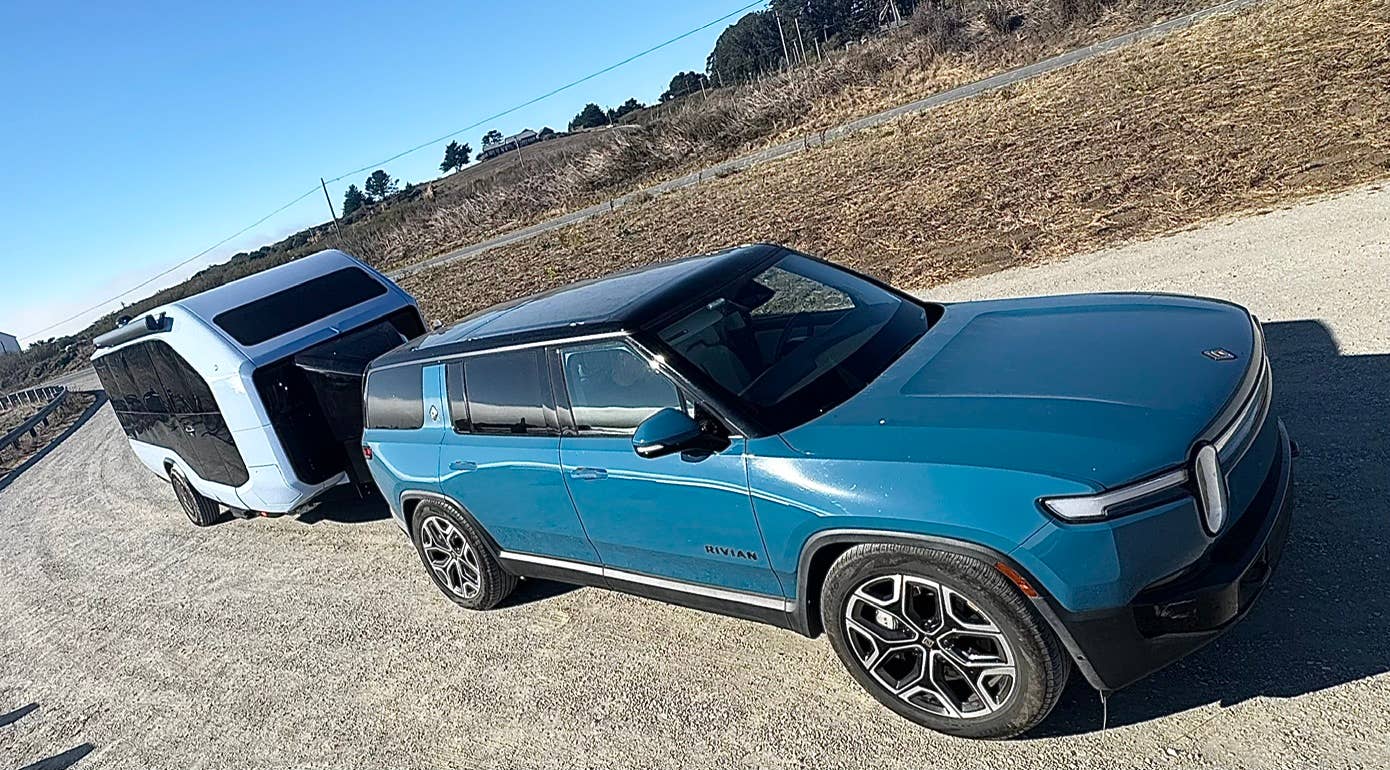
I’ve towed with both the Rivian R1T and R1S, including in the Rocky Mountains. Around town, they’re excellent tow vehicles. They have plenty of power, and neither seems particularly bothered by the act of pulling a trailer. The trouble begins when you ask how far you can go before charging. Hook a large RV to an EV, add highway speeds and a climb, and that impressive range estimate can shrink in a hurry. I’ve been on towing trips where planning the next charging stop became more demanding than driving to it.
View the 1 images of this gallery on the
original article
That’s frustrating because the R1S is one of my favorite electric SUVs. It has three rows, room for seven, real off-road ability and enough performance to make the family ask whether you meant to accelerate quite that hard. The Quad-Motor model I drove produces 1,025 horsepower and 1,198 pound-feet of torque. Rivian estimates 0–60 mph in 2.6 seconds under the right conditions, which is a ridiculous number for a seven-seat SUV. Its EPA-estimated range is 374 miles with the Max battery, and it’s rated to tow 7,700 pounds. Those are impressive figures, but that range number describes the SUV without a travel trailer hanging off the back.
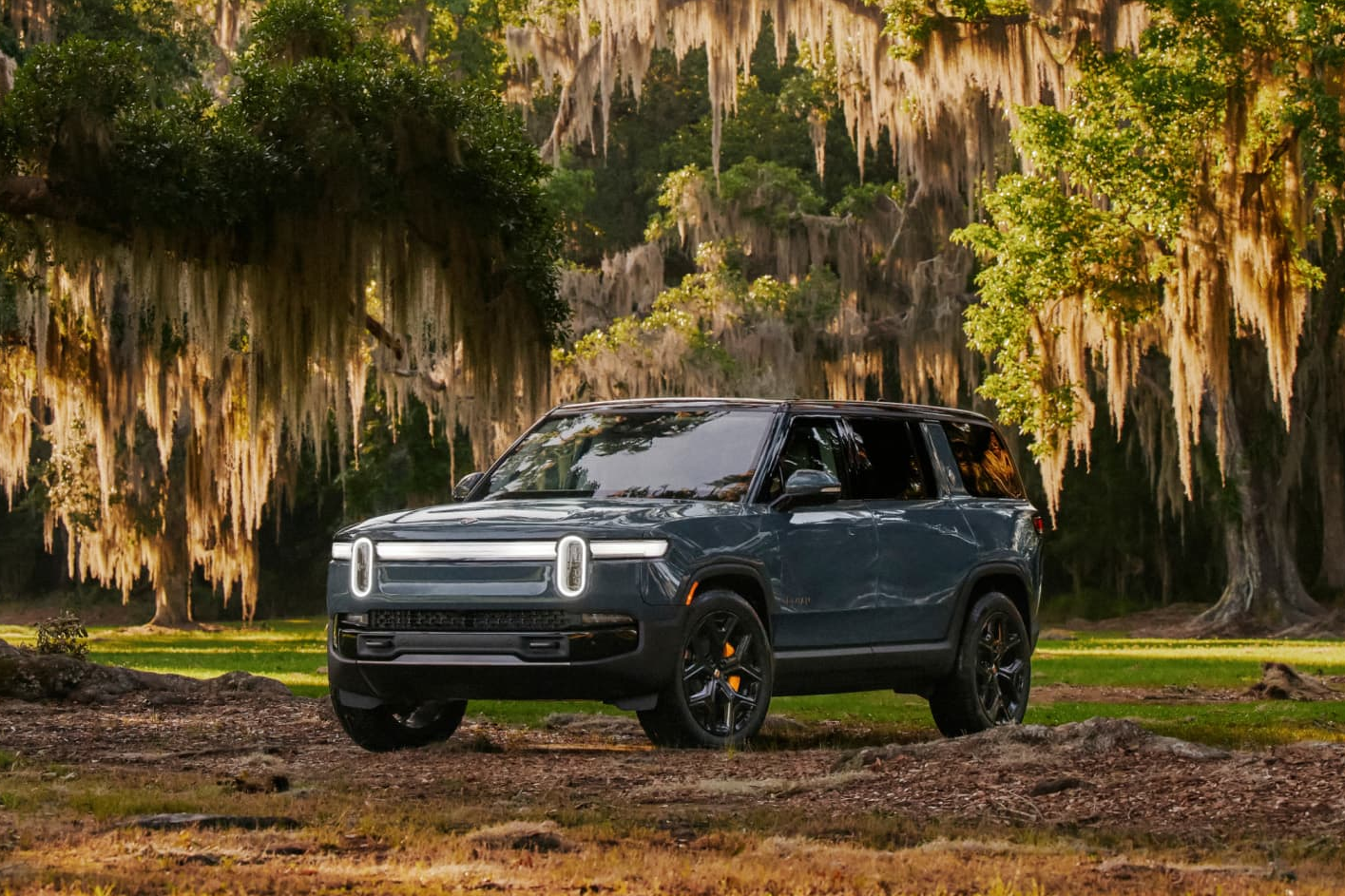
The Rivian R1S: Before the Hitch Goes On
Even with the more attainable Dual-Motor configuration, you’re looking at 533 horsepower, so nobody needs the Quad to merge onto a freeway. The Quad is the version for people who want their practical family vehicle to have the acceleration of something deeply impractical. I also appreciate how much the R1S can do away from pavement. Its capability is more than an adventurous-looking paint color and a screen showing pictures of rocks.
Related: The ID. Tiguan is a Full Admission About Volkswagen’s Mistakes With the ID.4
Inside, the design feels modern without making a big production of it. There’s a large central touchscreen, a separate driver display and a smaller screen for second-row passengers. I would still like more physical controls, and the front seats could use a little extra padding for my large American tush. But the cabin works well, the storage is useful, and the third row gives smaller passengers a proper place to sit. The R1S feels like an SUV that happens to be electric, which is a considerable compliment coming from me.
Still, 1,025 horsepower cannot solve a charging stop that arrives earlier than expected. The R1S has enough muscle to tow a substantial trailer; towing range is the lingering issue. That’s where the 2027 Pebble Flow gets interesting.
ND Adlen
The Pebble Flow: The Trailer With its Own Motors
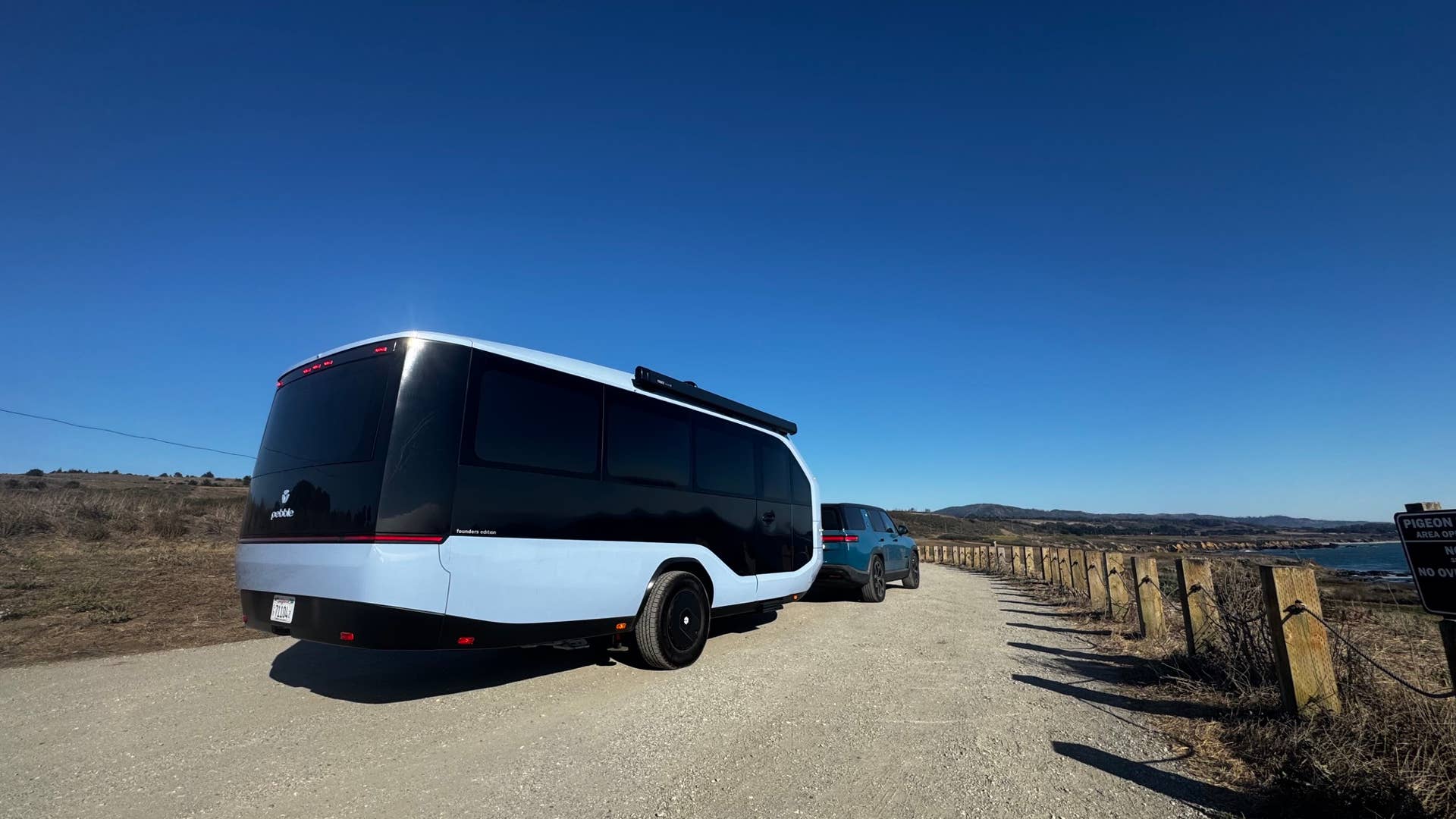
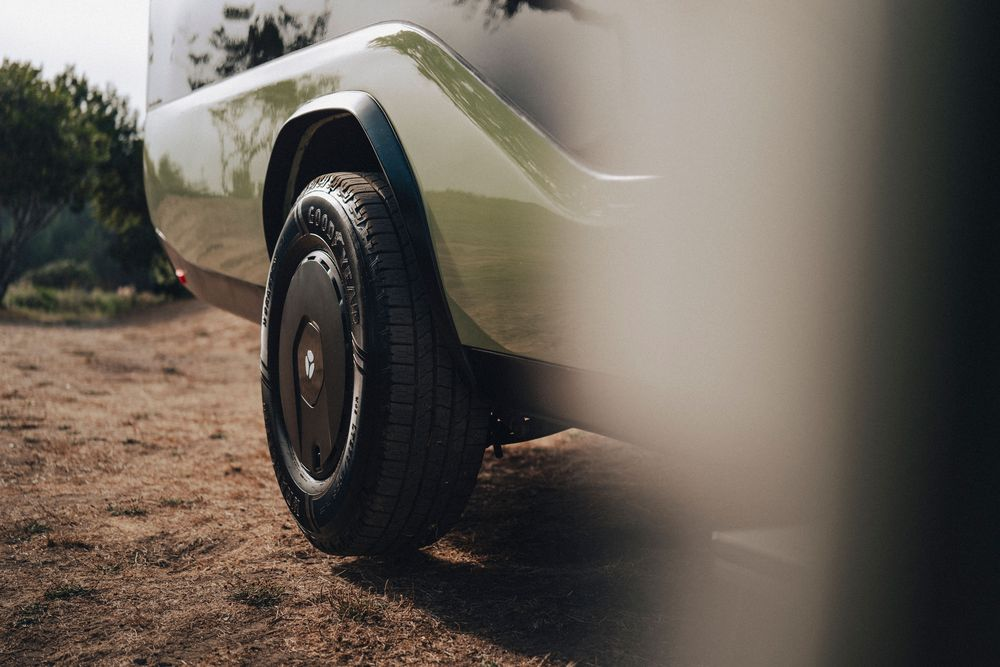
The Pebble Flow is a 24-foot, 8-inch electric travel trailer with two motors that drive its wheels while it’s being towed. Its Easy Tow system adds propulsion to reduce the work demanded of the tow vehicle. Pebble says the system cuts towing drag by an estimated 50% compared with similarly sized RVs and can provide assisted towing for up to 250 miles before the trailer needs recharging. Those are Pebble’s estimates, and the result of any particular trip will depend on speed, terrain, weather and how much assistance you ask for.
The Flow weighs 5,900 pounds dry and has a 6,800-pound gross vehicle weight rating. That matters: its motors may help move the trailer, but they do not erase its weight or increase the R1S’s tow rating. You still have to account for the loaded trailer, hitch setup and tongue weight, which Pebble lists at 680 pounds. The R1S’s 7,700-pound tow rating gives this pairing room within the published limits when properly equipped.
I’ve pulled a Pebble Flow before, behind an Ineos Grenadier Quartermaster. That wasn’t my favorite towing combination, and I was curious whether the Rivian’s electric power delivery would be a better partner for a trailer that can help propel itself. On this short drive, it was. The R1S had no trouble getting the Flow moving, and with the trailer’s added assistance, the combination felt startlingly eager. I’ve used the word “uncanny” to describe it, because you expect to feel more of a nearly 6,000-pound trailer back there. Instead, it felt as though the trailer had decided to be a team player.

I watched the Rivian’s energy-use display and saw a roughly 30% penalty during my brief test. That was encouraging compared with some of my previous EV towing experiences, but it was a snapshot, not a measured long-distance result. I would love to tell you that this pairing will reliably travel 150 or 200 miles between stops. I can’t establish that from a short drive. I can say that the technology made the R1S feel less burdened, and that’s a meaningful first impression.
Related: 2026 Toyota C-HR Review: The Small SUV Finally Gets the Power It Deserves
Pebble’s forthcoming OS 2 software adds a 40-kW Boost Mode for extra trailer assistance on grades or when the driver wants to draw more heavily on the Flow’s battery. The update is slated to reach existing Flows as well as new ones. Of course, using more trailer battery for propulsion means less energy available for camping until you recharge it. Regenerative braking can put some energy back during descents and braking, but this is not a perpetual-motion RV, no matter how badly I want one.

ND Adlen
There’s a campsite attached to all this technology
The Flow carries a 45-kWh lithium iron phosphate battery and can DC fast charge; Pebble specifies a 0–80% charge in under an hour. It can also supply power to appliances or serve as home backup power through its 12-kW inverter. An included iPad lets you maneuver the unhitched trailer remotely, and Magic Hitch can align and couple it to the tow vehicle. Those features sound like science fiction until you’re trying to position a trailer in a cramped campsite and remember how much fun backing one up usually is.



For 2027, buyers can choose the familiar Murphy queen bed and desk arrangement or, on the Founders Edition, twin beds with a cushion that joins them into a king. The twin layout also adds about 30 cubic feet of under-bed storage. It also offers a longer awning option and a new exterior solar port. The available Self-Powered Package (a partnership with Jackery) combines the 1.1-kW rooftop array with four portable 500-watt panels for up to 3.1 kW of peak input; the system can accept up to 4 kW of combined solar with additional compatible panels. Sunshine and campsite conditions will determine what you actually collect.
It’s a clever, comfortable trailer, though I still wish the bathroom were a little roomier. It needs more storage too. It’s also expensive: Pebble lists the Magic Pack from $159,000 and the Founders Edition from $189,000. Add a Quad-Motor R1S, and you have assembled a magnificent way to make your accountant stare grimly across the desk.

The R1S was part of the Pebble Flow program and not a regular test loaner.
View the 1 images of this gallery on the
original article
Final Thoughts
I hate the cliché “a match made in heaven,” but the R1S and Pebble Flow make a persuasive case. The Rivian supplies the family space, off-road talent, and effortless power. The Pebble tackles one of EV towing’s biggest annoyances by helping move its own substantial weight.
My drive was too short to settle the long-distance range question, and I would want a loaded highway trip before declaring victory. Still, this is the first time I’ve towed an RV with an EV and felt that the trailer was helping with the problem instead of merely creating it. That’s impressive. It’s also a lot more fun than watching the range estimate fall off a cliff.
Related: Citroën’s Iconic 2CV Returns as an EV Concept Targeting $15,000
I Drove The 2026 GMC Sierra 1500 AT4: Here’s My Honest Review Of GMC’s V8 Pickup With A Luxury Streak
After a week driving the 2026 GMC Sierra 1500 AT4, I began to appreciate tunnels and highway overpasses the way I once did as a teenager. Any structure that could echo and permeate the sound of its 6.2-liter V8 prompted an immediate downshift and a hard throttle push. With the windows down and the exhaust at its most vocal, the GMC delivers everything you might dream that a large, expensive, V8-powered pickup truck would feel like. When I collected the Sierra, I didn’t doubt that part of me would be won over by a proper testosterone-fuelled pickup truck experience, but I was still unsure about its finer qualities. Would it still be comfortable? Could the chassis handle the power? Is it impossible to live with in the city? Will the fuel costs bankrupt me? These were some of the questions I still had on my mind.
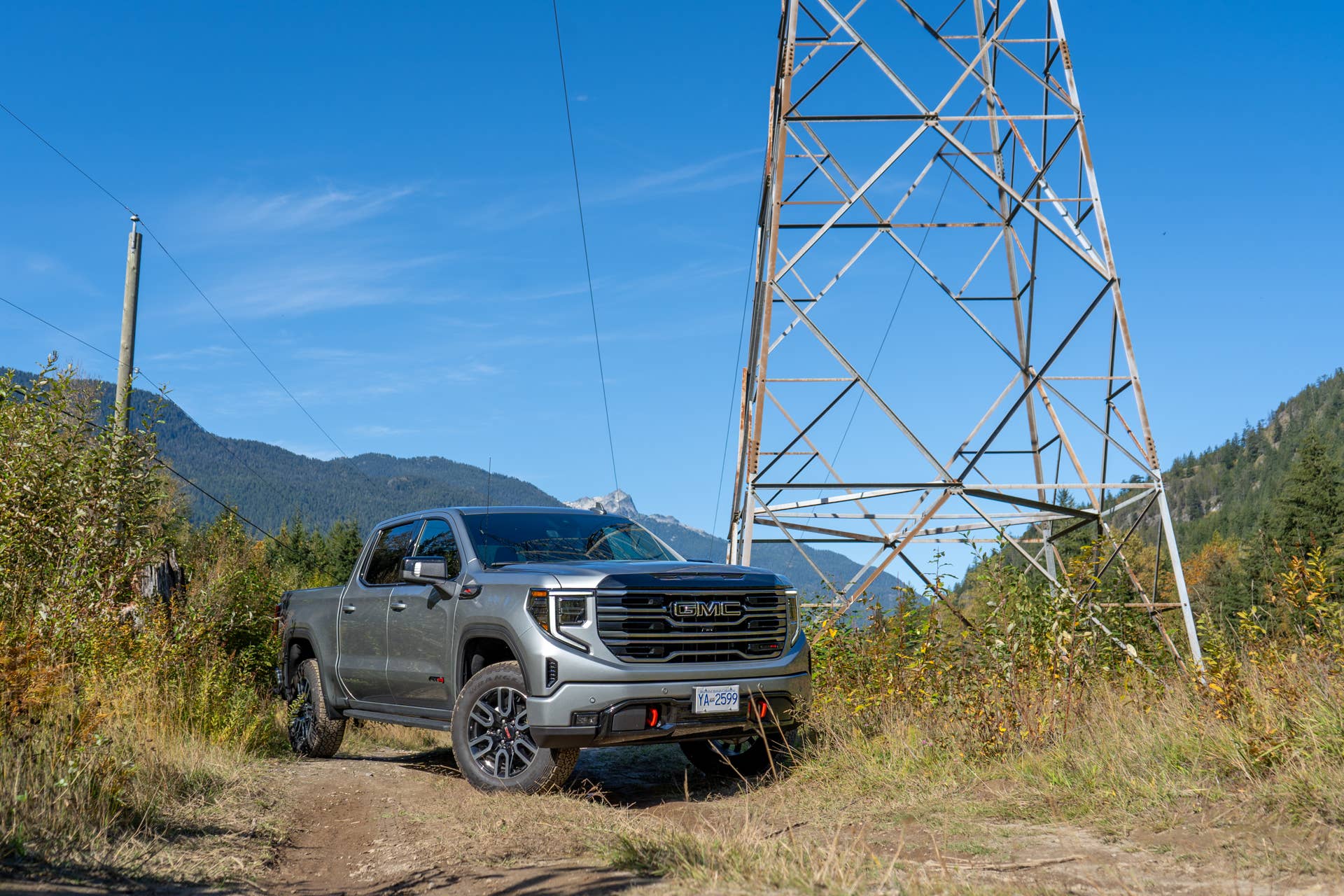
A week around Vancouver, B.C., gave me the perspective I needed. Between negotiating city parking, following the Sea-to-Sky Highway’s sweeping bends, and heading its bright red recovery hooks toward rugged terrain near Squamish, the GMC developed a considerably entertaining personality without sacrificing too much functionality in the process. While the Toyota Tundra TRD Off-Road I recently tested felt more like a sensible, adventure-capable family pickup, the Sierra felt closer to an enormous, more emotional muscle truck: still spacious and comfortable enough for everyday use, but best enjoyed when its V8 can sing at full volume. Its luxury features made that experience easier to live with, but the engine itself is what made the whole truck worth remembering.
Cole Attisha
Specification | Test Vehicle |
|---|---|
Configuration | Crew Cab, short bed, 4WD |
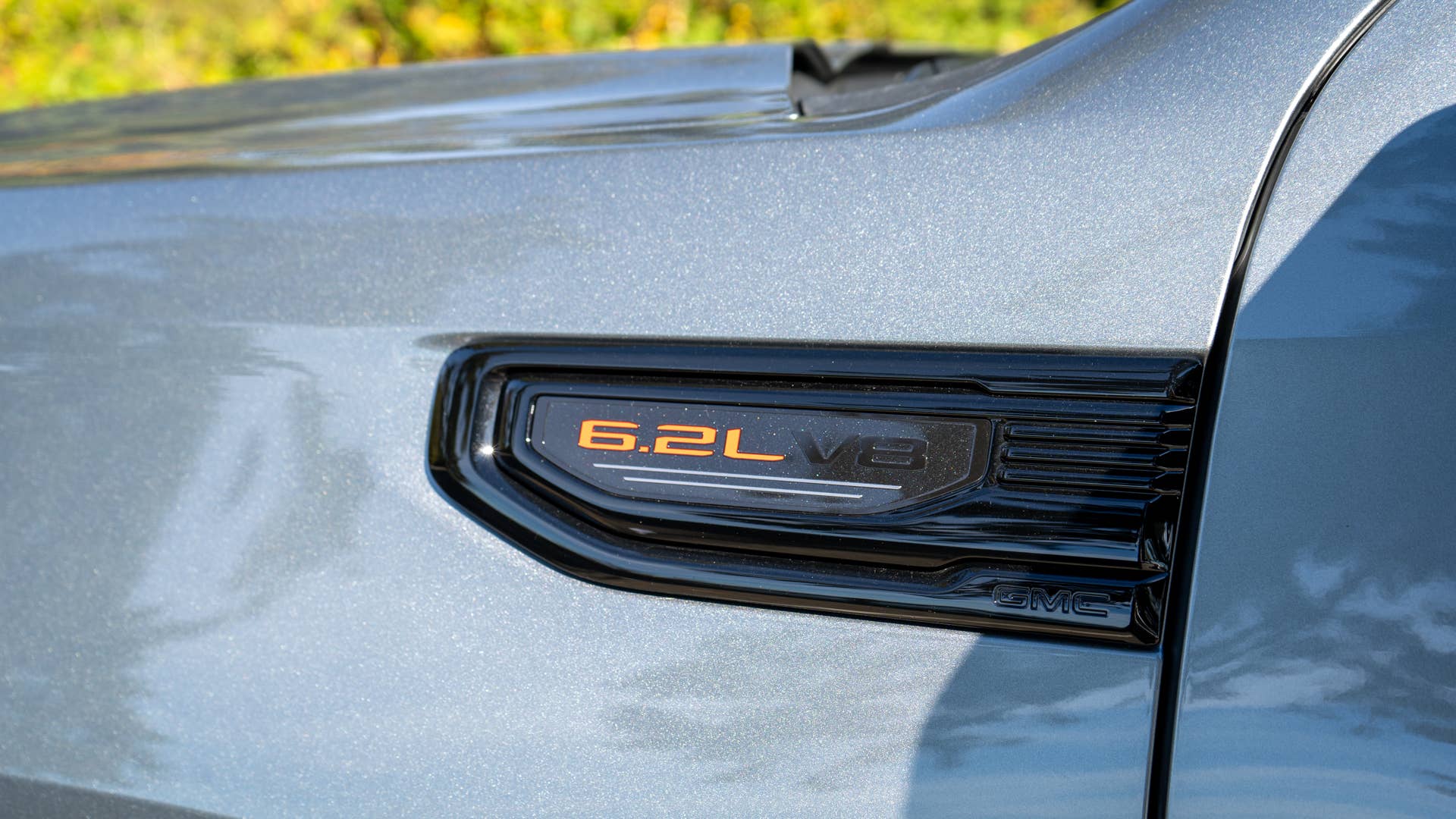
Engine | 6.2-liter V8 |
Power/torque | 420 hp / 460 lb-ft |
Transmission | 10-speed automatic |
Suspension | Two-inch lift; Rancho monotube shocks |
Wheels/tires | 20-inch wheels; all-terrain tires |
Seating | Five |
Rear legroom | 43.4 inches |
Bed volume | 62.9 cu. ft. |
Tailgate | Six-function MultiPro |
Observed economy | Approximately 15 U.S. mpg |
U.S. starting MSRP | $68,300, before destination/options |
Canadian sticker total | C$100,383, before tax |
Exterior/interior | Sterling Metallic / Jet Black with Kalahari accents |
Canadian total includes destination and the listed maximum dealer fee; U.S. MSRP excludes destination and options.
Thinking about selling your car? Get an instant cash offer online now. Click here to get started.
Cole Attisha
Powertrain & Driving Experience — 9.2/10: A V8 Worth Making Excuses For, And Handling To Match
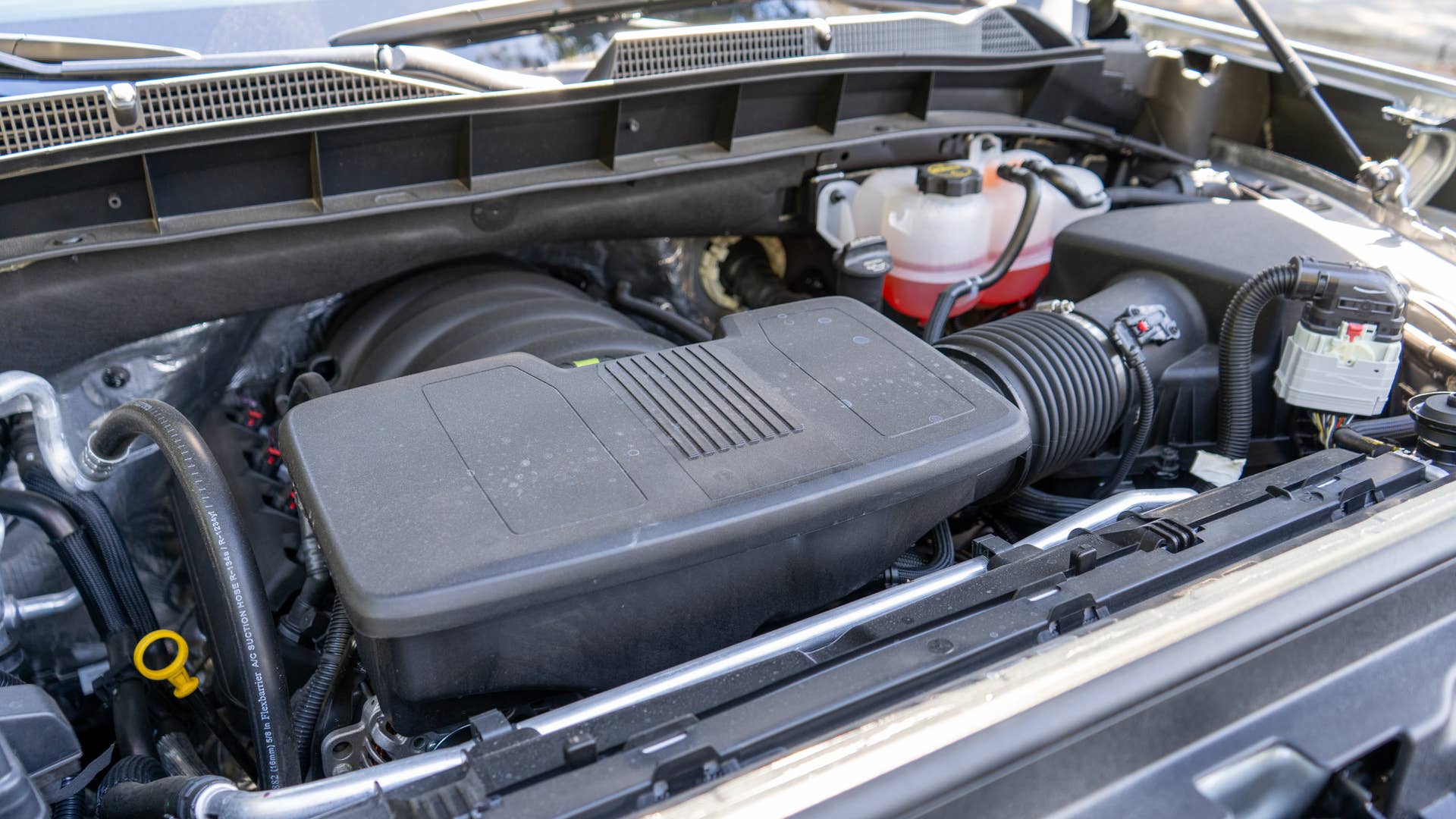
The optional 6.2-liter V8 brings the AT4 to life in a way that feels seriously unapologetic. Its 420 horsepower and 460 lb-ft produce a brutish response that makes a truck this hefty feel surprisingly eager to move, while the lack of turbochargers removes the boost lag that can intrude upon the experience in some rivals. Around town, it has ample shove without ever needing to be worked especially hard. Ask for a bit more, and the character changes dramatically. The acceleration itself is satisfying, but the combination of response and sound kept my right foot on the gas. I could hear and feel much of the same character that draws me to a Camaro or Corvette, just expressed through a much taller, heavier vehicle.
Sport mode makes this truck’s performance car connection especially clear. The active exhaust becomes more expressive, and dropping a gear really lets the engine strut its vocal tune. Every tunnel and overpass prompted an obligatory stomp on the throttle, just to hear it roar some more. My tester’s window sticker also included an additional C$575 dealer-installed “exhaust calibration,” on top of the C$455 active exhaust system, so the EcoTec3 under its hood must have really been making the most of its sizable lungs. That temptation helped me average about 15 mpg with a mix of city and highway driving. It is undoubtedly thirsty, despite the word “Eco” in its engine name, but paying for fuel felt a little less irritating when I could at least tie the expense to something I was enjoying thoroughly. Someone seeking better economy should probably approach the AT4 with different priorities, perhaps by considering the standard Duramax diesel instead.
Cole Attisha
Thankfully, and despite its pickup truck roots, the Sierra AT4 is no mere straight-line pony, and its chassis supplied another pleasant surprise. Normal mode provided a sensible everyday setting, and the ride stayed agreeable on pavement and the moderate trails I explored, but Sport mode made the overall driving experience feel more tightly controlled, especially through the Sea-to-Sky’s long curves and tighter bends, whereas Off-Road mode made the controls and steering feel more relaxed on rougher trails. The AT4’s Rancho shocks are conventional, not electronically adaptive, so the drive modes change how the truck responds through its control settings; they don’t soften or stiffen the suspension at the twist of a dial. From behind the wheel, each setting suited different environments appropriately, and the truck’s ride and handling felt incredibly controlled in every situation.
The trails around Squamish, British Columbia, were only just moderately challenging, not an attempt to push the truck to its absolute limits. Its lift, all-terrain tires, and substantial presence inspired confidence, and it felt more than capable of muscling through the terrain I encountered. Skid plates, an automatic locking rear differential, and a two-speed transfer case support its trail ambitions. Owners seeking more specialized hardware can look to the AT4X, with its Multimatic dampers and electronic locking differentials. In the city, however, the AT4’s limitations were easier to spot. On an open road, the Sierra was surprisingly straightforward and rewarding to drive, but in tight parking lots and alleyways, it felt noticeably more cumbersome than the Tundra and even the Ram 1500. On a good highway, its personality shrinks around you; on a tight city street, its mass reasserts itself.
Shopping for a new car? Click here to get a great deal on your next vehicle. Powered by Carvana: no-haggle pricing, 100% online.
Cole Attisha
Technology & Infotainment — 8.7/10: Useful Buttons, Dependable CarPlay
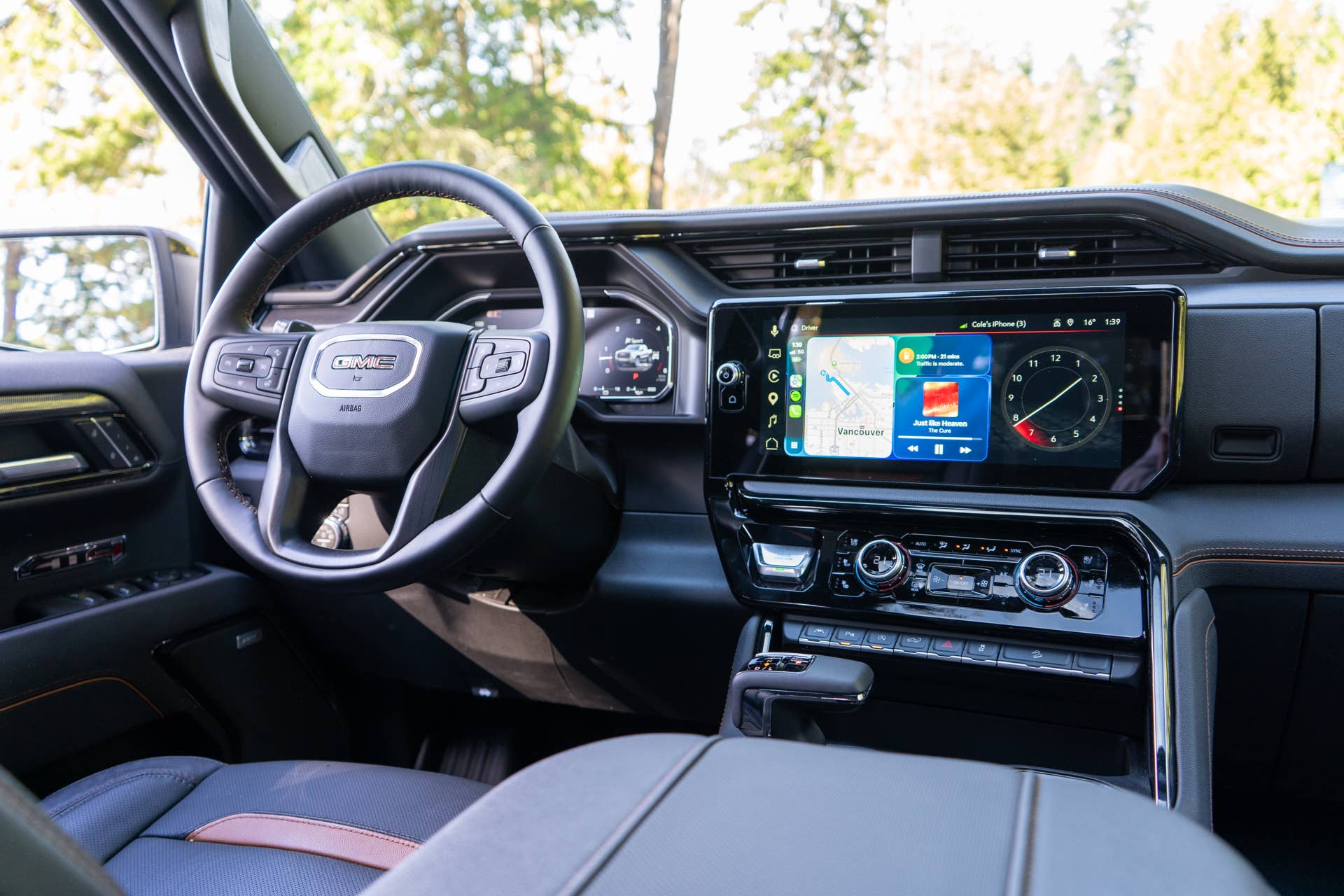
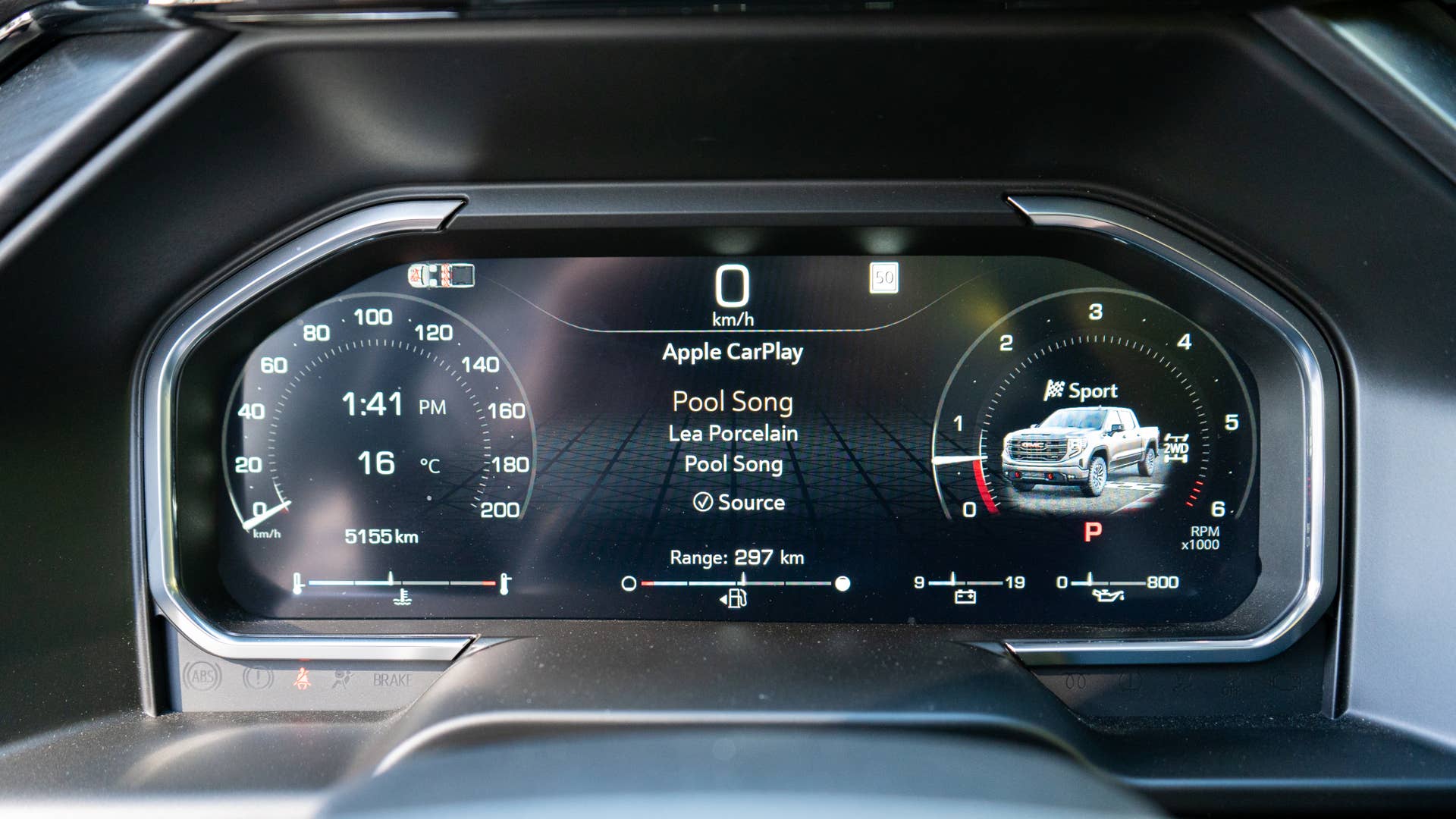
The cabin’s technology was refreshingly straightforward. Wireless Apple CarPlay connected and functioned consistently throughout my test, without the glitches that can turn a supposedly convenient feature into yet another thing to troubleshoot. GMC pairs its 13.4-inch touchscreen with a 12.3-inch digital instrument display, but it still keeps plenty of physical buttons, which matter far more to me than screen size. The Ram 1500, for example, replaces most of these buttons with one huge vertical screen, which might look good in photos but is far less intuitive on the go. Adjusting interior features remained simple, and familiar controls stayed easy to access without scrolling through submenus for basic functions.
Cole Attisha
Cole Attisha
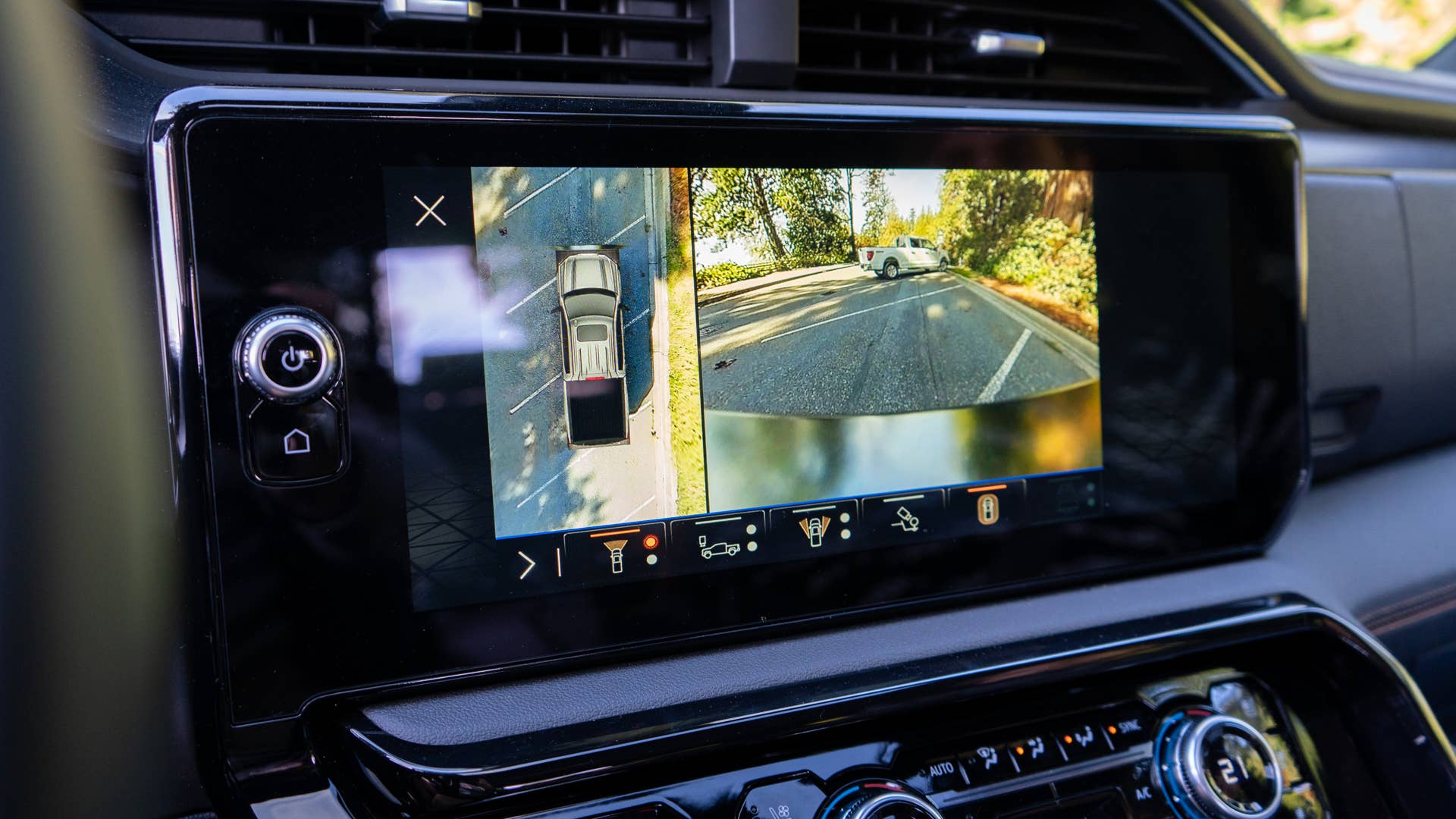
My truck’s Technology Package added a 15-inch head-up display, a rear camera mirror, and a bed-view camera. Its equipment also included HD Surround Vision, parking assistance, and adaptive cruise control. Together, these features created a seamless, modern experience, but for me, the Sierra’s strongest tech selling point was its dependable phone integration and straightforward controls. The drive modes also earned their place through changes I could feel, and the heated and ventilated seats also provided useful temperature adjustment. GMC has supplied plenty of equipment, but the everyday success comes from how cohesively the basics still fit into the truck.
Cole Attisha
Cole Attisha
Cole Attisha
Exterior Design — 8.4/10: Still Mean, Suddenly Made A Bit Familiar
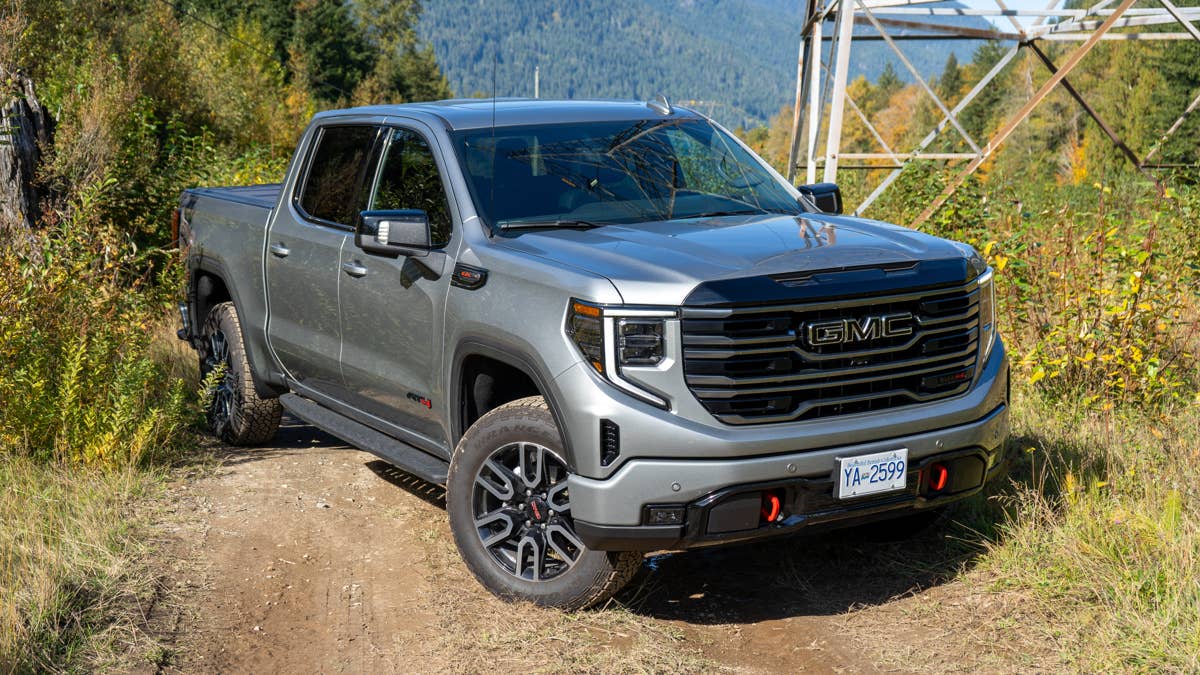
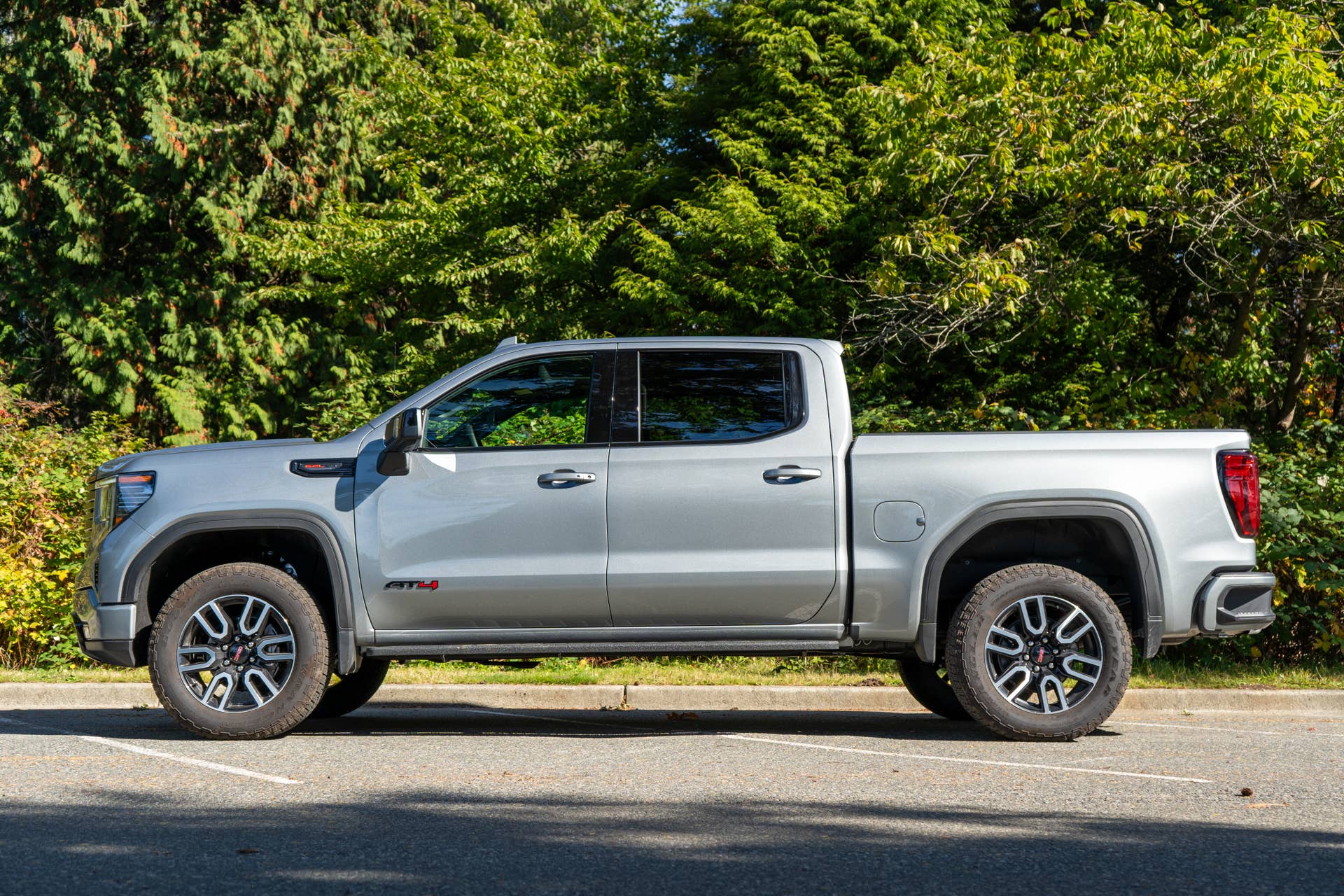
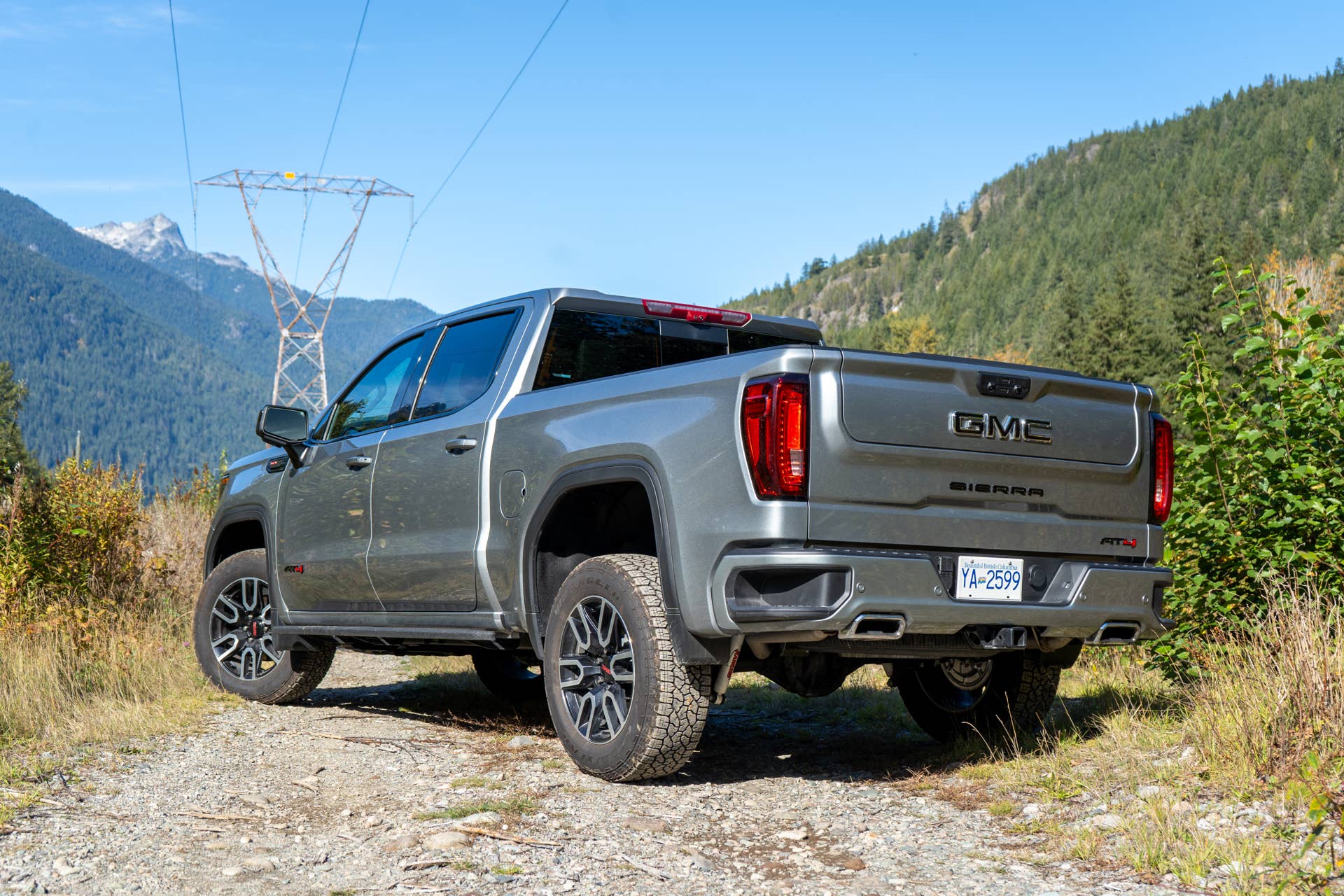
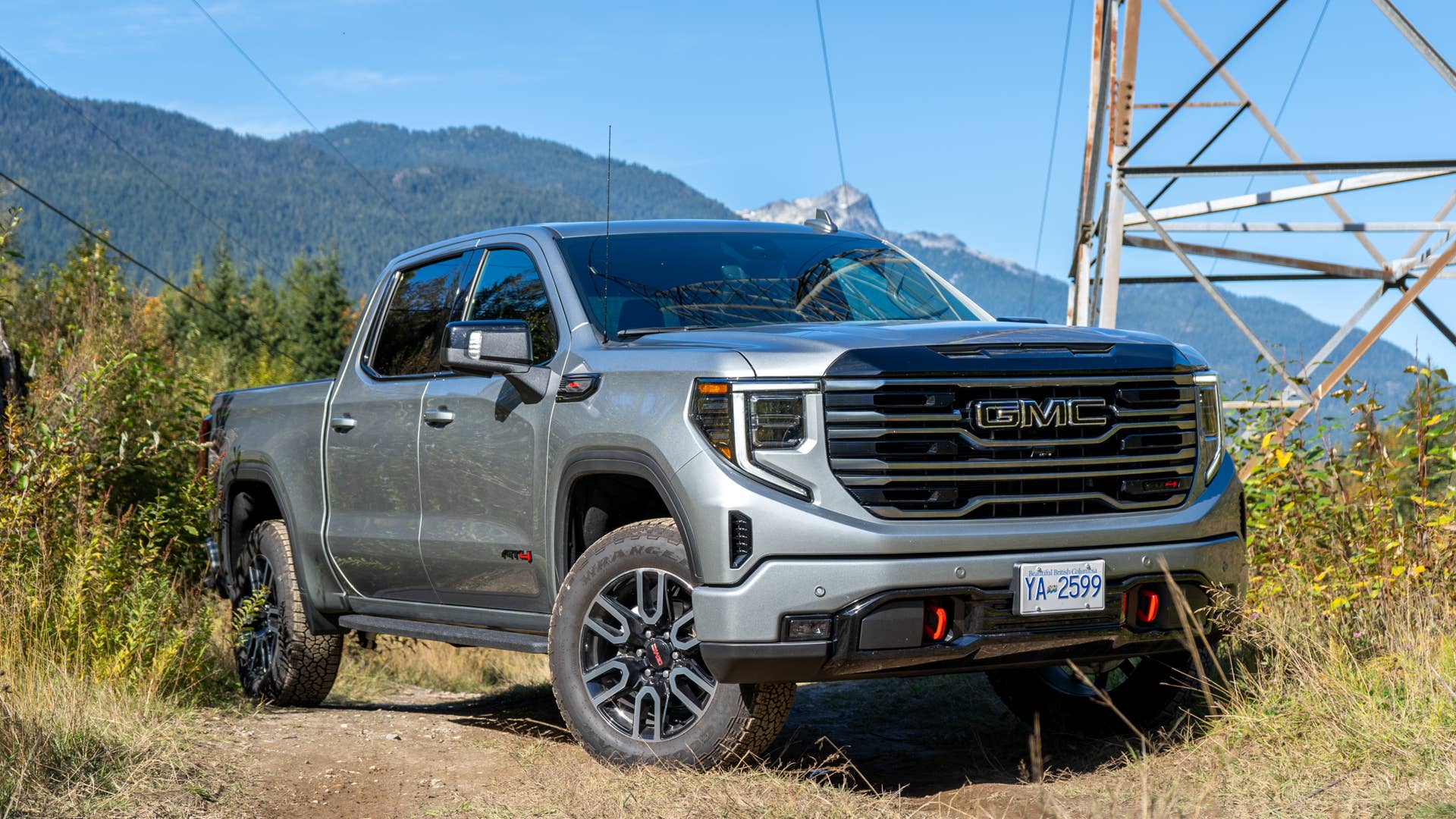
The AT4 looks properly mean. Its lifted stance, chunky tires, red recovery hooks, and red detailing give it the rugged identity the badge promises. My Sterling Metallic tester’s 20-inch wheels and black badging complemented that look without needing an especially flamboyant paint color to draw attention. I felt like the king of the world driving it in town and out in the country, and I especially enjoyed being the target of discontented cyclist leers. The truck looks like it doesn’t care whether you like it or not, and the V8 backs up that look with real muscle and a genuine lack of concern for fuel economy.
Its age is nevertheless becoming apparent. GMC has unveiled the redesigned 2027 Sierra, and I think the new truck looks fantastic, but seeing the replacement may itself have made this one feel more familiar and dated than it otherwise would. The outgoing shape is still attractive, but buyers now have a clear picture of what comes next, creating an interesting distinction between desirability and freshness. I still enjoyed the 2026 AT4’s presence throughout my test, even though I prefer the direction GMC has taken with its successor.
Cole Attisha
Interior & Comfort — 8.2/10: Spaciously Secretive
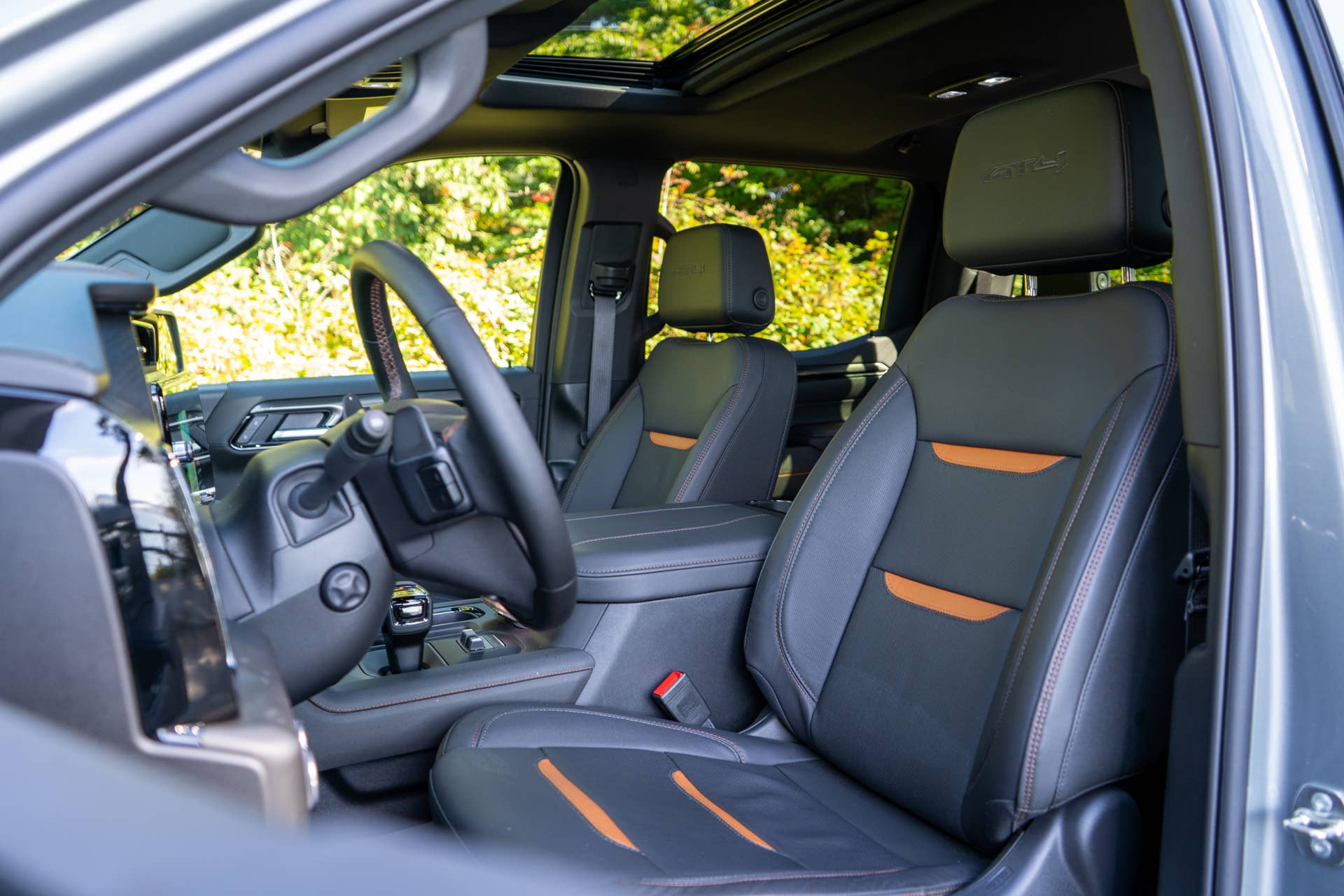
The Sierra’s cabin was generally quite comfortable, although the front seats felt a little stiff on longer drives. Heating and ventilation helped regulate temperature, but those features couldn’t quite make the underlying cushions as soft as I would want for repeated long-distance journeys. Space, though, is a much stronger argument. The Crew Cab is incredibly roomy, with 43.4 inches of rear legroom, making it feel like a truck that can carry people as easily as equipment. The Jet Black interior, with Kalahari accents and perforated leather seating surfaces, adds a welcome upscale touch without making the AT4 feel delicate.
Cole Attisha
Cole Attisha
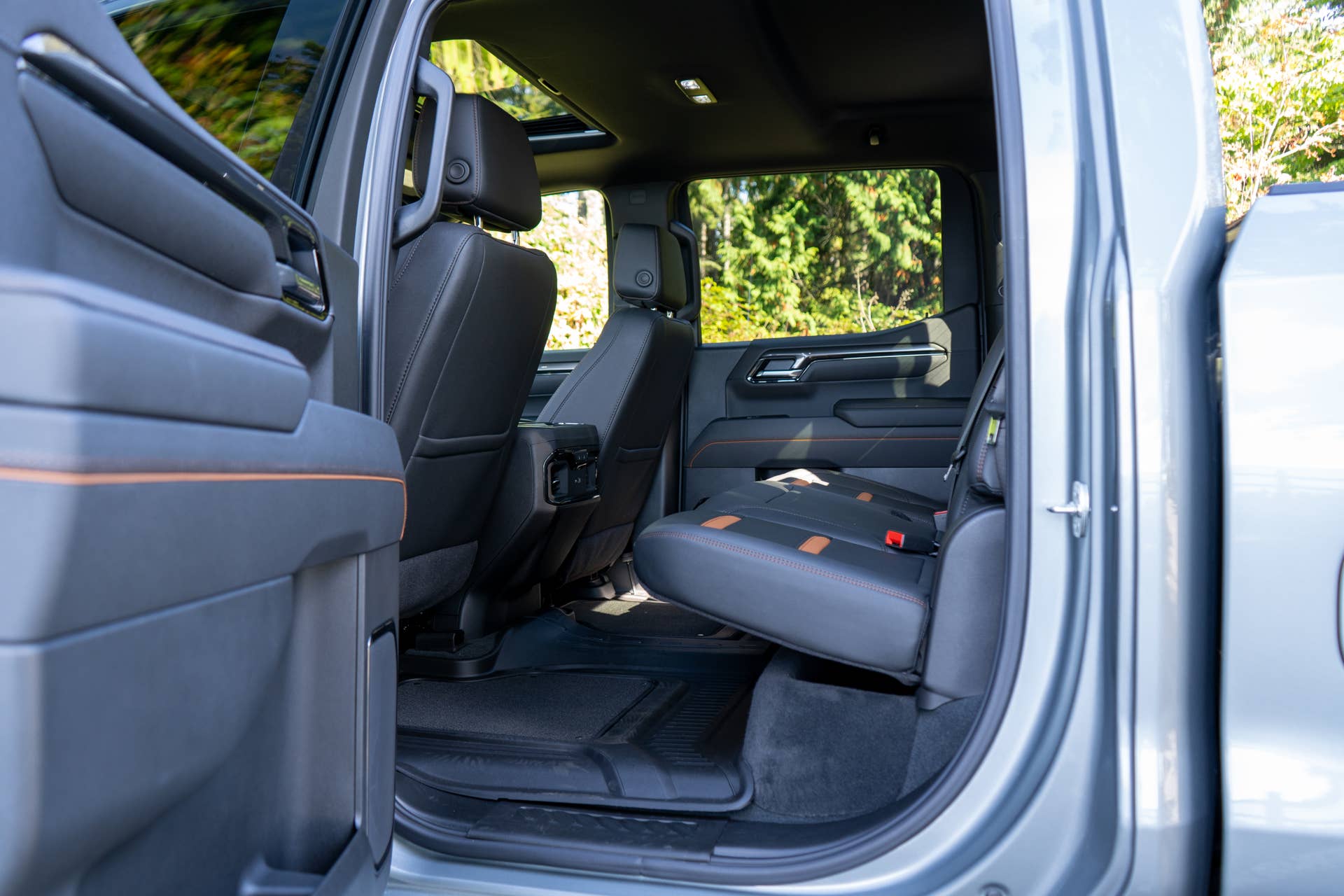
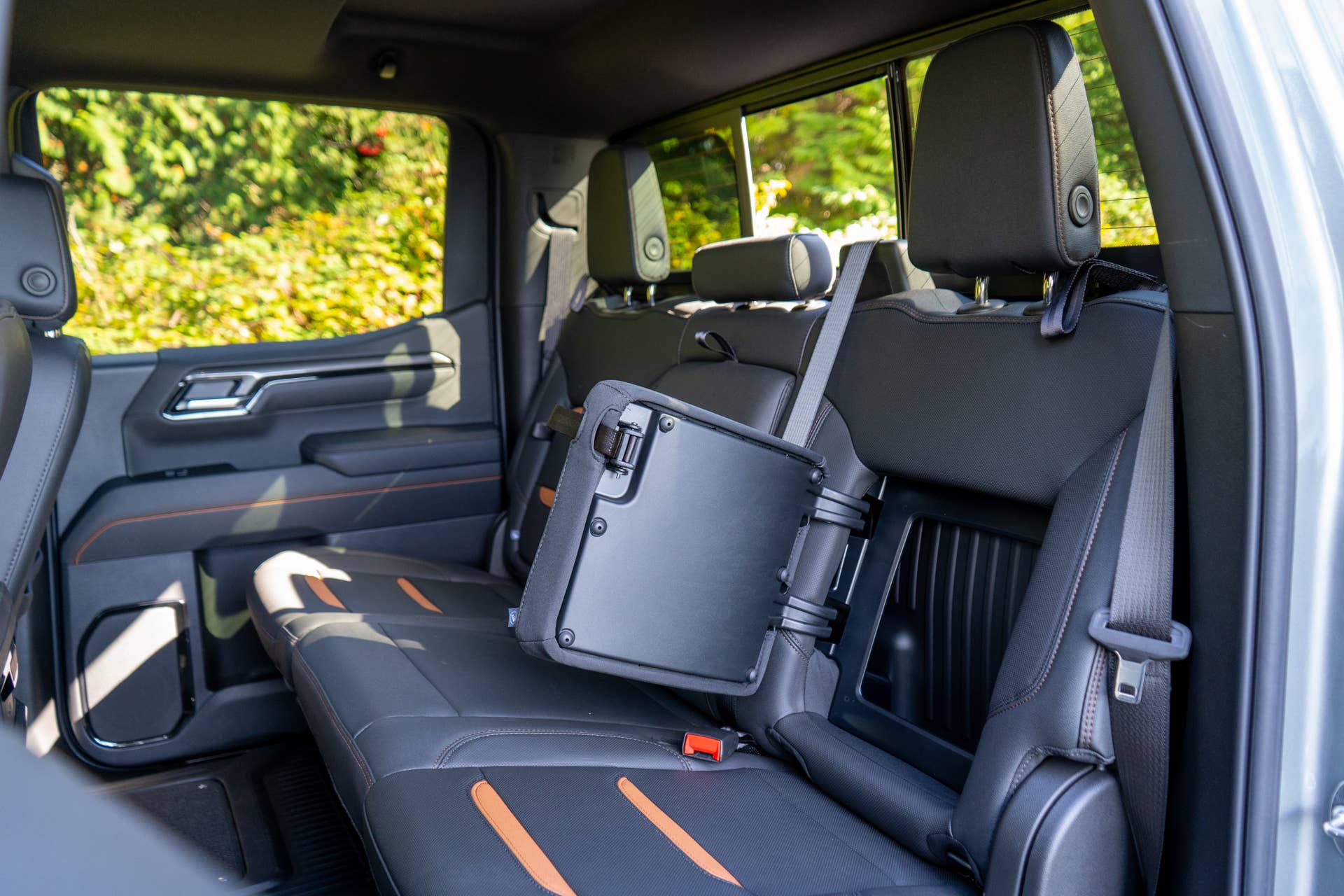
The rear seatbacks include discreet storage compartments that seem suspiciously well concealed, almost as if they were designed especially for smugglers. For owners with more conventional cargo, they offer another clever place to tuck away smaller items inside an already spacious cabin. I also enjoyed the power-sliding rear window, which adds another route for fresh air and reduces buffeting when the windows are down, though Toyota’s fully retractable Tundra rear glass is still preferable. Once you’ve experienced the entire window disappearing, a smaller opening feels like a compromise.
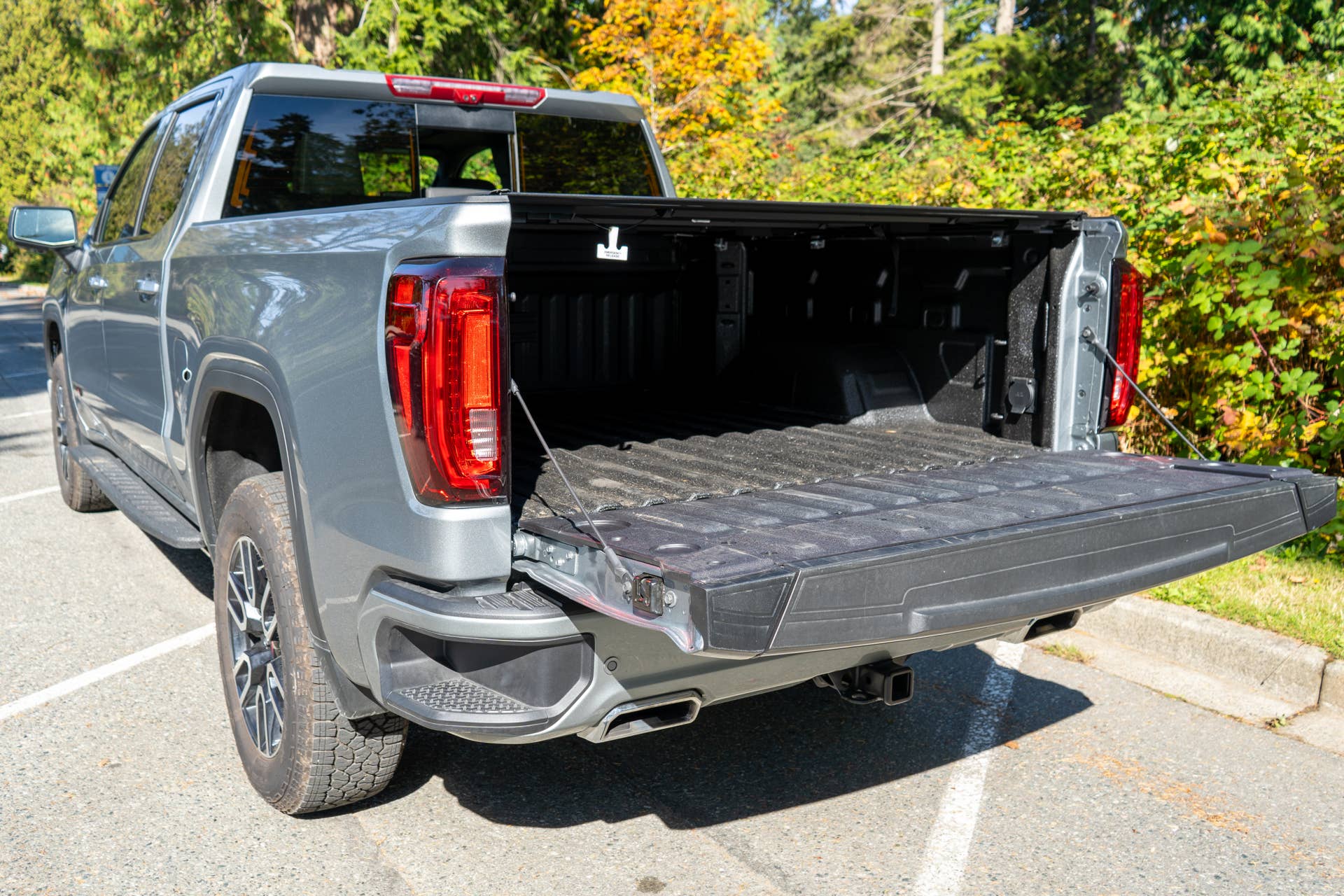
The short box provides 62.9 cubic feet of cargo volume, with a spray-on liner, cargo lighting, and a 120-volt outlet. My tester also had a folding hard tonneau cover. The clever MultiPro tailgate is a particular highlight, with a separate inner panel that turns the tailgate into a wide step for easier access to the bed, a work surface, or a load stop for long items. These functions address the difficulty of accessing and arranging cargo in a tall pickup, giving the truck useful versatility beyond simply leaving the tailgate down. With cabin storage and generous passenger space, that equipment gives the AT4 a convincing practical foundation. Its luxury streak shows in the comfort features and convenient controls, even if the seats can feel a bit stiff on longer drives, but its efficient use of space is what truly defines the cabin.
Cole Attisha
Value — 8.0/10: Paying For Size And Character
The U.S. AT4 starts at $68,300 before destination and options. My Canadian test vehicle had a C$100,383 sticker price, including the listed maximum dealer fee. Those figures reflect different markets and configurations, but regardless of where you live, this is an undoubtedly substantial purchase. My truck’s options included the V8, AT4 Premium and Technology packages, a sunroof, tonneau cover, black badging, and exhaust equipment. Some additions improve convenience; others largely enhance the ownership experience, so buyers should decide which of those benefits they will actually appreciate.
For me, the 6.2-liter engine is the most persuasive reason to choose this specification if you want a pickup truck experience that really leans into the bit, but its thirst should still factor into the calculation. The AT4 makes its strongest case when a buyer values the complete combination: substantial capability, generous space, comfort features, and a V8 that makes the journey exhilarating. Buying it primarily as a sensible transportation appliance would leave much of its appeal unused.
Cole Attisha
Overall Verdict — 8.5/10: Muscle With Some Manners
If I were to seriously recommend the Sierra AT4 to someone in the market for a pickup truck, it would have to be someone who already understands what owning a large V8 pickup involves; someone who’s lived it. They ought to think muscle cars are cool, not tacky and rudimentary. They must happily swallow the fuel bills and have enough patience to turn a three-point maneuver into a five-point one when the surroundings require. For a softer, more refined take on the full-size pickup, the Tundra, or even a Ram 1500 Hurricane, better suits more utilitarian priorities. And I would place the HEMI-powered Ram somewhere between those approaches and the GMC’s more boisterous character.
The Sierra is most compelling if you deeply believe the roar of a naturally aspirated V8, chunky all-terrain tires, and a lifted suspension are central to worthwhile pickup truck ownership. And I don’t believe there’s anything wrong with that outlook—it’s a recipe that’s worked quite well for quite a long time, and if it ain’t broke, why fix it? Its cabin is spacious enough for everyday life, its trail performance is convincing, and its road manners deliver far more enjoyment than I expected. The next-gen Sierra’s styling and even larger V8 appeal to me more, and I would welcome softer seats and easier parking, but the 2026 AT4 puts those compromises into perspective. It made the fuel bill tolerable through sheer emotional fulfillment, made long, twisty highways feel easy and fun, and is about as practical and roomy as a vehicle can get. Plus, it’s uncomplicated, robust, and easy on the eyes. Perhaps rather unsurprisingly, the GMC Sierra still feels like a winner.
Autoblog aims to feature only the best products and services. If you buy something via one of our links, we may earn a commission.
From The Woods – 2026 Parts Unlimited Mason Dixon GNCC | Round 11 Weekend Recap
From The Woods – 2026 Parts Unlimited Mason Dixon GNCC | Round 11 Weekend Recap
I Drove the VW ID.7 Tourer: It Shows What America Is Missing
There was a point during my week with the Volkswagen ID.7 Tourer when the car made its case better than any specification sheet could. My son was heading to university, which meant loading the car with the slightly ridiculous amount of stuff one person apparently needs to move away from home. Bags, boxes and everything else disappeared into the rear of the ID.7 without much effort, and then we set off on a roughly 400-mile round trip.
This was exactly the sort of journey that is supposed to expose an electric car’s compromises: lots of highway miles, a heavily loaded trunk and the need to recharge away from home. Instead, the Volkswagen made the whole trip feel surprisingly ordinary. Somewhere along the way I kept coming back to the same thought: why can’t Americans buy something like this?
The Wagon Is the Right ID.7
“Tourer” is Volkswagen’s name for the wagon version of the ID.7, and my UK-market Pro S Match Plus came with the larger 86-kWh usable battery, or 91 kWh gross. A single rear-mounted motor produces 282 horsepower, and Volkswagen quotes 0-62 mph in 6.7 seconds. Volkswagen rates my exact specification at 422 miles on the WLTP cycle, with DC charging at up to 200 kW and a quoted rapid-charge time of around 26 minutes to 80% under the right conditions. American readers need to put an immediate asterisk next to that range figure because WLTP and EPA testing aren’t interchangeable, and the ID.7 Tourer has never been EPA-certified. This isn’t secretly a 422-mile EPA EV that Volkswagen refuses to sell Americans.
What I can say is that during my week with it I was comfortably seeing more than 300 miles of usable range, and the 400-mile trip never became an exercise in staring nervously at the battery percentage. I also put a large amount of energy back into the car in roughly half an hour at a public fast charger. I didn’t record the starting percentage, finishing percentage or trip-computer efficiency closely enough to turn that stop into a controlled charging test, so I’m not going to manufacture numbers after the fact. From the driver’s seat, what mattered was that neither range nor charging dominated the journey.
It Did Everything I Needed an SUV to Do
The university run was also a useful reminder that practicality doesn’t automatically require extra ride height. Volkswagen gives the ID.7 Tourer about 21.4 cubic feet of cargo capacity behind the rear seats, and I tested that with something considerably less convenient than standardized luggage blocks. It swallowed an impressive amount of my son’s university belongings without making me wish I’d brought an SUV.
Rear legroom is generous, too, while the long and relatively low body gives the ID.7 proportions I find much more attractive than most family crossovers. My car’s Stonewashed Blue metallic paint helped. It’s an unusually accurate color name because it genuinely reminded me of blue denim jeans, and it suited the shape brilliantly.
I’m not suddenly anti-SUV. I recently drove the latest Volkswagen Tiguan and liked it. The ID.7 Tourer simply reminded me that an SUV doesn’t automatically become the best answer just because somebody wants space, range and family practicality.
Volkswagen Has Mostly Fixed the ID Interior
The cabin feels like Volkswagen learned quite a lot from the criticism aimed at its earlier ID models. A huge 15-inch touchscreen dominates the dashboard while the driver’s display is tiny by comparison, and the contrast looks almost comical when you first get in. I expected to miss having a larger conventional gauge cluster, but I didn’t. An augmented-reality head-up display is standard on this specification, so much of the information I wanted was already directly in my line of sight.
I had no meaningful problems with the infotainment system during the week, which is worth mentioning given the reputation some earlier Volkswagen EV software earned. Unfortunately, VW still has a habit of making simple functions unnecessarily clever. The electronically controlled air vents are the perfect example. Instead of reaching out and pointing one where you want it, you adjust its direction electronically, and I found that genuinely annoying.
I’m also unconvinced by the touch-sensitive temperature controls and capacitive steering-wheel buttons. Proper switches remain easier to operate without looking, while the glossy black surfaces around the cabin seemed capable of collecting fingerprints almost immediately. Oddly enough, the driver’s door arrangement didn’t bother me at all. There are only two main window switches, with a touch control to toggle them between the front and rear windows, and I actually thought it was a smart solution.
Related: I Lived With the Volkswagen ID.4 for a Week. Here’s the Honest Reality of VW’s Electric SUV
This Is a Car Built for Distance
My test car was particularly well equipped, with ventilated massage seats, adaptive DCC suspension, additional sound insulation, a Harman Kardon audio system and an electronically darkening panoramic roof. Those options pushed the price to £60,995 (just over $80,000) as tested, from £55,315 (around $73,000) before options, but they also played directly to the ID.7’s greatest strength: covering distance in comfort.
It is quiet at highway speeds, the ride remains supple and the adaptive suspension does a good job of keeping the body settled over rougher roads. The 282 hp is more than enough for merging and passing, but the ID.7 isn’t constantly trying to persuade you it’s a performance EV. Most of the time it simply feels smooth, relaxed and composed.
There are moments when you notice what the batteries weigh. This specification tips the scales at about 4,930 pounds, so we’re still talking about a heavy car despite its sleek appearance. Most of the time it disguises that mass impressively well, although you occasionally feel it when changing direction or asking more from the chassis.
The Audi Comparison Surprised Me
Last summer, I drove the Audi A6 Avant e-tron Performance Launch Edition, which gave me an unusually useful comparison. The Audi carries an even bigger battery pack, with 100 kWh gross and 94.9 kWh usable, compared with 91 kWh gross and 86 kWh usable in the Volkswagen.
Related: Why The 2025 Audi A6 e-tron Avant Is Exactly the Electric Wagon We Need In America
The Audi feels more premium inside, but it should. It’s an Audi, and Volkswagen isn’t pretending the ID.7 is a luxury car. What surprised me was how close the VW sometimes felt in the areas that matter on a long trip. The Audi has richer materials and more sense of occasion, but the ID.7 wasn’t miles behind when it came to seat comfort, refinement and ride quality.
The price difference makes that more impressive. The A6 Avant e-tron Performance Launch Edition had a UK list price of £86,585, compared with £60,995 for this option-loaded Volkswagen. That’s a gap of about £25,600, or 42%, although the specifications aren’t perfectly equivalent. American buyers don’t get that electric Audi wagon either: Audi’s current U.S. A6 e-tron range consists of the A6 Sportback e-tron and S6 Sportback e-tron, with no Avant listed.
Volkswagen Already Asked the America Question
This points to the broader problem facing cars like the ID.7 Tourer. Volkswagen originally planned to sell the regular ID.7 liftback in North America. It delayed that launch in May 2024 because of changing market dynamics and ultimately confirmed in January 2025 that the car wouldn’t come to the U.S. or Canada. Dealers had already expressed doubts, expecting the ID.7 to be a $50,000 to $60,000 car, and questioned whether it could be competitive. Volkswagen has never announced plans to sell the Tourer here.
The latest broad market figures don’t make the wagon argument much easier. The Alliance for Automotive Innovation says EVs represented 7.9% of new U.S. light-duty vehicle sales in Q2 2026, while light trucks accounted for 81% of EV sales. “Light truck” is a regulatory category covering SUVs, crossovers, pickups and some vans rather than a direct body-style count, but it still shows where most American EV demand is concentrated.
Even Porsche’s electric-wagon experiment is ending here. Porsche’s U.S. configurator currently shows eight 2027 Taycan variants, all Sport Sedans, with no Sport Turismo or Cross Turismo. The wagon body styles end their U.S. run after the 2026 model year, with Porsche’s American operation saying they had played a “minor role” in the market.
Verdict: America Is Missing the Choice
The ID.7 Tourer gave me practically everything I would have wanted from an electric family SUV without actually being one. It swallowed a university move, handled a 400-mile round trip without turning charging into the main event, offered plenty of rear-seat space, rode beautifully and had more performance than it really needed.
It isn’t perfect. The electronically controlled air vents irritated me, capacitive controls still feel like a solution looking for a problem, the glossy black trim becomes a fingerprint collection surprisingly quickly, and occasionally you can feel the car’s considerable weight. None of those things came close to spoiling the experience.
After a week with it, I understand why Volkswagen doesn’t want to gamble on an electric wagon in America. The ID.7 Tourer doesn’t prove American buyers would suddenly abandon their crossovers if Volkswagen put one in every showroom, and the pricing and market data give the company legitimate reasons to be cautious.
What it does show is something America’s EV market never really received in the first place: a mainstream electric wagon that can carry a family and its luggage, cover serious distances in comfort and do it all without becoming another tall crossover.
That’s what America is missing.
Specialized Bike Race Recap | 2026 Parts Unlimited Mason Dixon GNCC
Specialized ATV Race Recap | 2026 Parts Unlimited Mason Dixon GNCC
Toyota Vs Subaru Owner Satisfaction: It’s Not Even Close
Toyota and Subaru compete across several mainstream vehicle segments ranging from subcompact and compact SUVs, to compact cars and larger midsize three-row SUVs.
While Toyota has a larger lineup, and has developed a reputation for hybrid efficiency and reliability, Subaru has built a loyal following around its (almost always) standard Symmetrical All-Wheel Drive system, and the rugged versatility that its vehicles provide.
Owner satisfaction surveys are be made up of several categories, and their goal is to come up with an overall figure that shows how close the manufacturer has come to meeting owner expectations. We used real-world owner evaluation data from J.D. Power and Kelley Blue Book to see which brand has the most satisfied owners.
Toyota and Subaru: Owner Satisfaction: JD Power Stats
View the 2 images of this gallery on the
original article
J.D. Power combines four key ownership dimensions, namely Quality and Reliability, Driving Experience, Resale, and Dealership Experience, to calculate an overall Consumer Rating score out of 100. Thousands of verified owner evaluations create a standardized benchmark to show how vehicles perform in the real world.
Below are the official J.D. Power Consumer Rating scores for five popular categories across 2026 models from each brand:
Vehicle Segment | Toyota Model | Score (out of 100) | Subaru Model | Score (out of 100) |
Compact SUV | RAV4 | 79 | Forester | 84 |
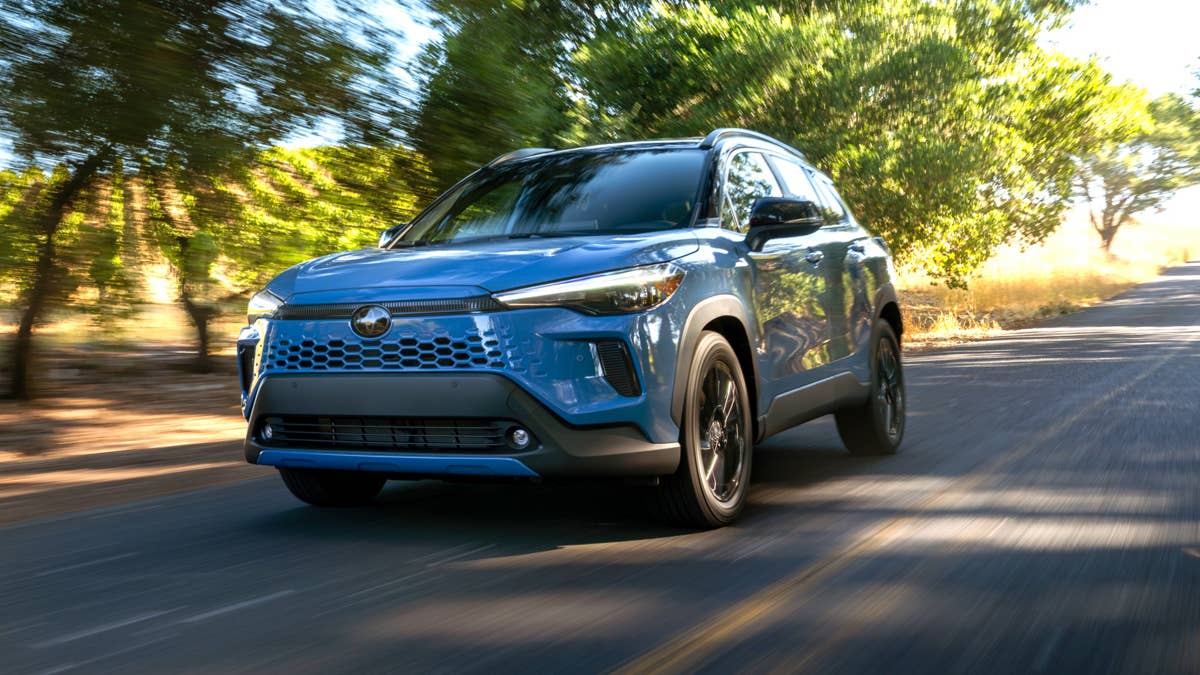
Subcompact SUV | Corolla Cross | 80 | Crosstrek | 86 |
Compact Car | Corolla | 81 | Impreza | 81 |
Midsize Three-Row SUV | Highlander | 82 | Ascent | 84 |
Midsize SUV | Crown Signia | 80 | Outback | 83 |
Average | 80.4 | 83.6 |
Subaru outscores Toyota across nearly every segment here, delivering a higher average. It scored highest with the Crosstrek (86/100), which leads the subcompact crossover class. Owners praised the Crosstrek for its strong resale values, slippery road traction, and top-tier dealership service experience.
The worst performing Subaru was the Impreza, tying with the Toyota Corolla with an 81/100 score. The majority of Toyota’s models were in the 80s, which is considered great by J.D. Power, although the RAV4 slipped just under that to the average range with a 79/100.
Toyota and Subaru: Owner Satisfaction: Kelley Blue Book
View the 2 images of this gallery on the
original article
Kelley Blue Book (KBB) captures long-term owner satisfaction through direct consumer reviews collected over extended periods of ownership. Measured on a scale out of five stars, KBB’s scoring incorporates real-world feedback across Value, Quality, Performance, Comfort, Styling, and Reliability.
Here is how the corresponding 2026 Toyota and Subaru model lineup compares based on KBB Consumer Ratings:
Vehicle Segment | Toyota Model | Score (out of 5) | Subaru Model | Score (out of 5) |
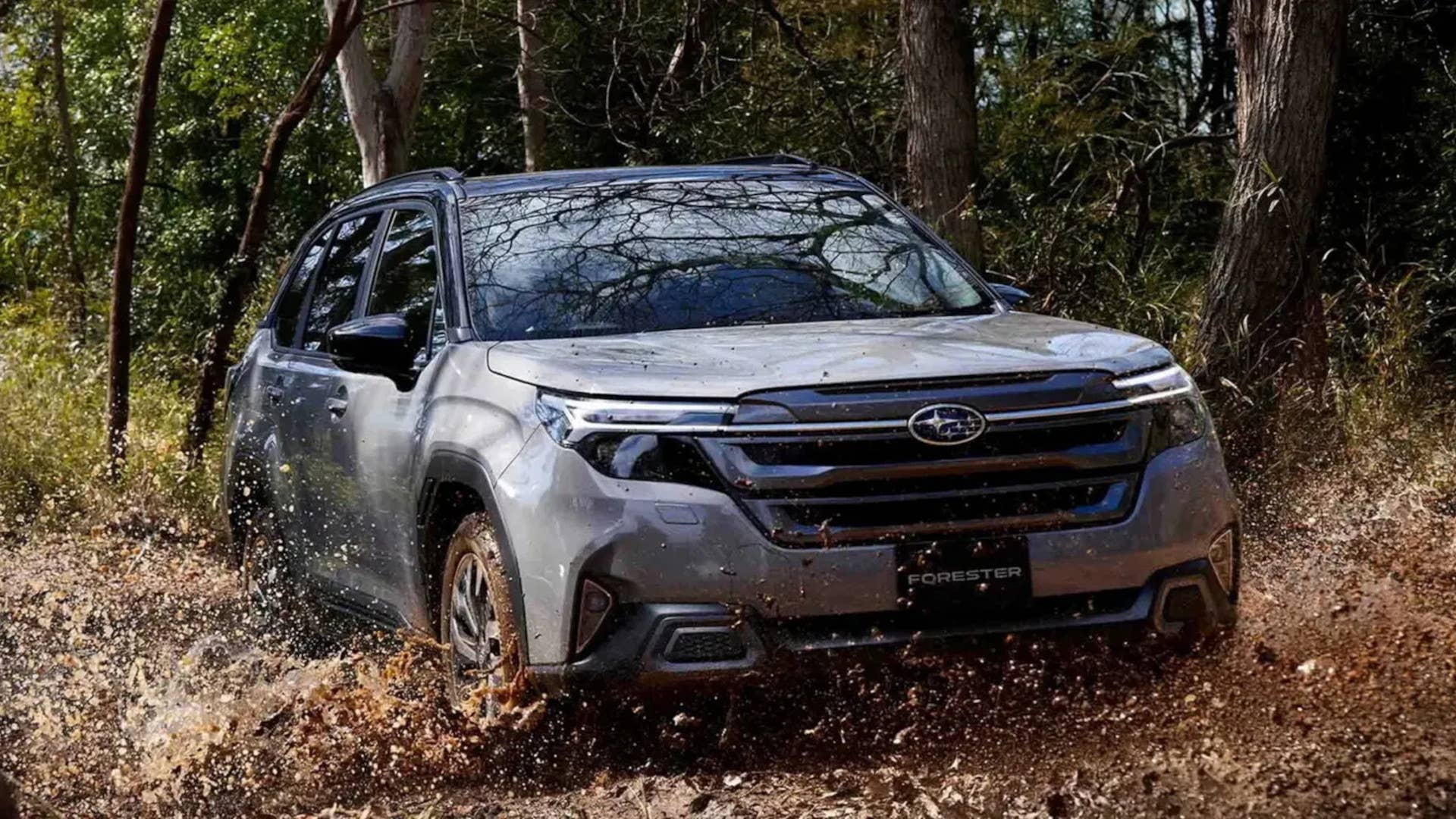
Compact SUV | RAV4 | 4.4 | Forester | 4.4 |
Subcompact SUV | Corolla Cross | 3.9 | Crosstrek | 4.1 |
Compact Car | Corolla | 4.0 | Impreza | 4.2 |
Midsize Three-Row SUV | Highlander | 4.0 | Ascent | 4.0 |
Midsize SUV | Crown Signia | 4.0 | Outback | 4.6 |
Average | 4.06 | 4.26 |
This selection of Subaru models maintained an edge over the equivalent Toyota offerings, and the Outback in particular scored very well, meeting owner expectations across most fronts. It was praised for its comfortable ride, and generous cargo capacity, but higher trim levels were criticized for the big jump in pricing over the base model.
While the Toyota Crown Signia is pricier in base trim than the Outback, both models can exceed $50,000 when fully-specced. Aside from being three-row midsize SUVS, they aren’t really direct rivals, but the owner satisfaction scores show that fewer Toyota Signia owners got what they expected from their purchase.
The RAV4 scored higher in the KBB survey, but the Toyota Corolla Cross was clearly named for the way some of its owners felt after owning it for a few months.
Which Owners Are The Most Satisfied?
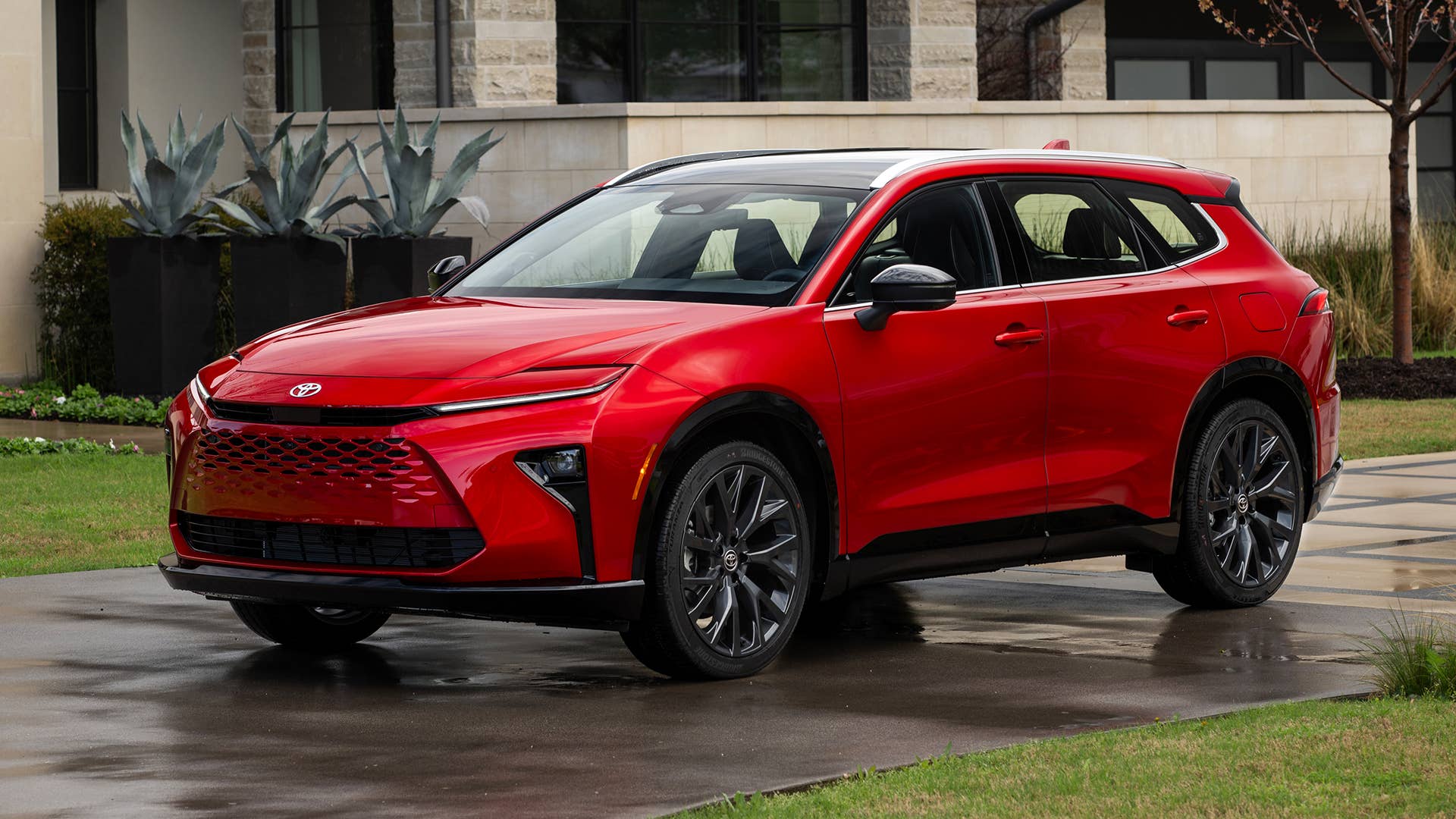
Toyota
View the 2 images of this gallery on the
original article
Comparing both survey sets reveals a consistent trend across both short-term and longer-term ownership, and that is that Subaru owners are more likely to be pleased with their vehicles.
Toyota maintains an excellent reputation for long-term durability and hybrid efficiency, but not all its models match up to expectations, and the J.D. Power Dealership Experience metric was consistently low across the models evaluated. This can pull down scores even if the vehicles themselves met expectations.
Subaru owners place stock in features like standard AWD (which is fitted to all but the Uncharted and BRZ as standard), a pleasant dealership experience, a comfortable ride and good visibility. The majority of Subaru’s offerings deliver on these fronts, giving them the edge in both of these surveys.
I Drove The 2026 Lincoln Aviator Reserve: Here’s My Honest Review Of Lincoln’s Twin-Turbo Take On American Luxury
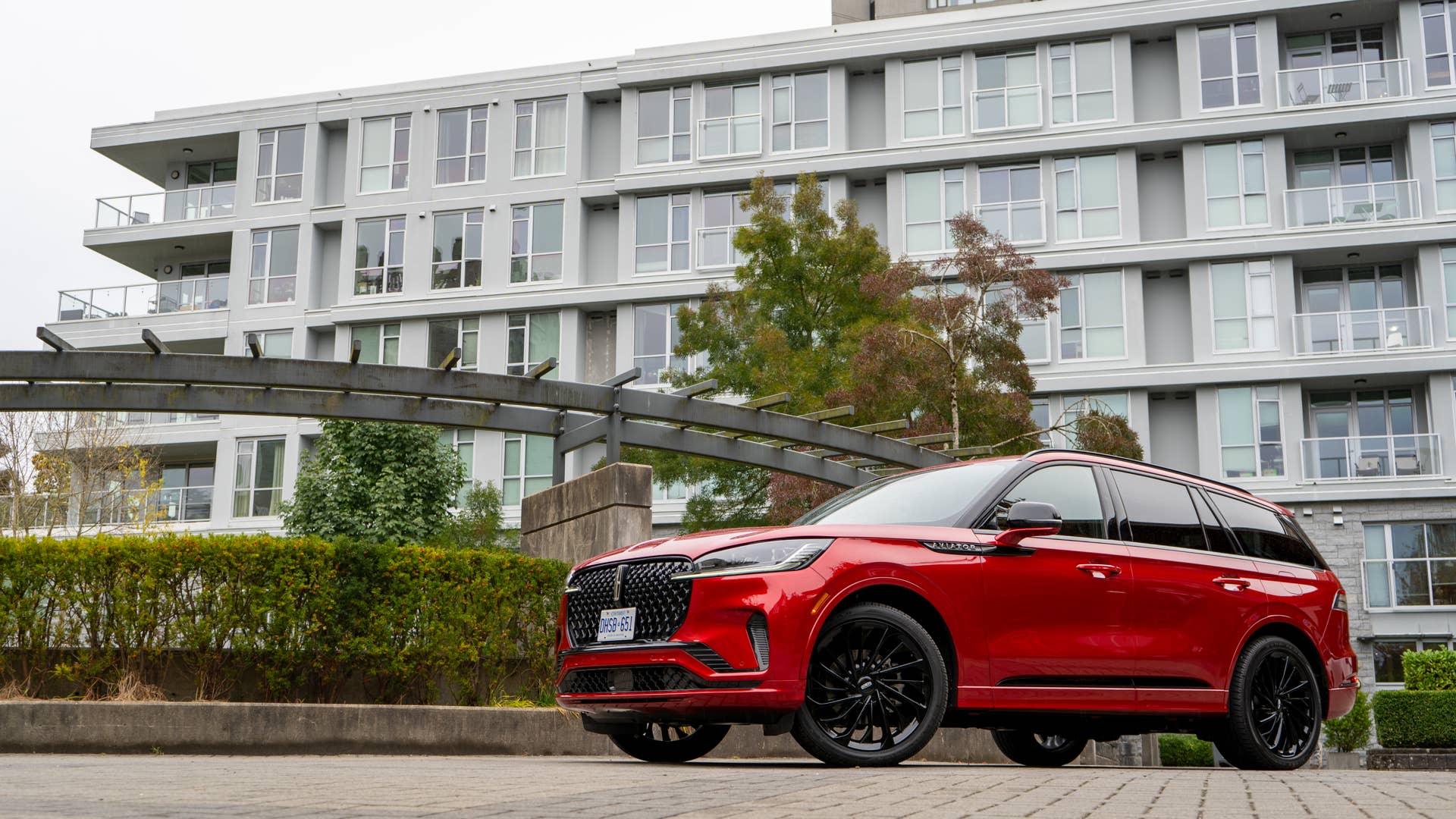
Years ago, I owned an Audi A6 Allroad. It was a 2003 model, if I recall correctly, and I adored it despite its seemingly endless mechanical faults. It offered the chic style and lower-slung road dynamics of a station wagon with the all-terrain capability and muscular power of an SUV, thanks to height-adjustable air suspension, a twin-turbo V6, all-wheel drive, and a finely appointed interior. So when I picked up the keys to my 2026 Lincoln Aviator Reserve tester, knowing it had many of the same key ingredients that made my Allroad feel so special, I wondered if I’d end up falling in love with it the same way. In the end, though, reality wasn’t so black-and-white.
Though I grew quite fond of the Lincoln, I came to adore it in different ways than I loved my Allroad, but I also became annoyed by things that might otherwise have been dealbreakers in the Allroad. Doing “luxury” the right way clearly isn’t as simple as using the correct ingredients. A week around Vancouver, British Columbia, and some time on its picturesque Sea-to-Sky Highway helped explain the distinction.
Cole Attisha
Specification | 2026 Lincoln Aviator Reserve |
|---|---|
Engine | Twin-turbocharged 3.0-liter V6 |
Published output | 383 hp in the U.S.; 400 hp in Canada; 415 lb-ft in both markets |
Transmission | 10-speed automatic |
Drivetrain | All-wheel drive; rear-wheel drive also available in the U.S. |
Suspension as tested | Air Glide air suspension, included in the optional Dynamic Handling Package |
Wheels and tires as tested | 22-inch wheels; 275/40R22 tires |
Seating as tested | Six; second-row captain’s chairs with a full center console |
Cargo behind third/second/first row | 16.5/39.9/75.9 cubic feet |
Base AWD curb weight | 4,862 pounds |
EPA fuel economy, AWD | 17 mpg city, 25 highway, and 20 combined |
Observed mixed fuel economy | 16.2 U.S. mpg, equivalent to 14.5 L/100 km |
U.S. Reserve starting MSRP | $66,730 with RWD, before destination and options |
U.S. Reserve AWD starting price | $70,925, including destination |
Canadian price as tested | C$101,320, including C$2,595 destination, before tax |
Exterior/interior as tested | Red Carpet Metallic Tinted Clearcoat/Hot Chocolate leather |
U.S. and Canadian specifications are identified separately because Lincoln currently publishes different horsepower ratings, likely as a result of stricter CARB (California Air Resources Board) rules. The Canadian test price comes from the supplied window sticker.
Thinking about selling your car? Get an instant cash offer online now. Click here to get started.
Cole Attisha
Powertrain & Driving Experience — 8.5/10: Smoother Than Its Ford Roots Suggest
The Aviator’s most convincing luxury feature is its dynamic calibration. Having tested the Ford Explorer Tremor with the same basic twin-turbo V6 architecture earlier this year, I immediately noticed the Lincoln’s smoother throttle response, braking, shifts, and steering. Shared hardware still leaves plenty of room for different personalities. The accelerator delivers power progressively, disguising much of the hesitation I might otherwise associate with turbocharging. The 10-speed automatic, which can feel clumsy in some Ford applications, shifts almost seamlessly here. Together, they make it remarkably easy to appear a smoother driver than you really are.
I have spent hours being shuttled around in Aviators during press programs, including a two-hour trip from Sedona to Phoenix, and driving one myself helped explain why those journeys felt so polished. The SUV makes considerate driving feel natural, while retaining ample power for passing and the occasional spirited detour. Its Air Glide suspension system, included in the optional Dynamic Handling Package, tells a more complicated story. Wavy pavement produces an excellent ride, but sharp bumps and broken city surfaces compromise that composure. Its more valuable achievement became apparent on the Sea-to-Sky: body roll built up more progressively, lateral movement felt better managed, and passengers experienced less tossing that can make winding roads unpleasant. The system never disguises the Aviator’s substantial weight, but it does make that weight easier to manage. That comfort contribution is perhaps as important as bump cushioning.
Cole Attisha
Normal-mode steering feels vague and rather boatlike, but the sportier Excite setting provides a more reassuring sense of control. The V6’s coarse, workhorse soundtrack lacks the sweetness of my Allroad’s 2.7-liter engine, although I appreciated that it never tried to impersonate a V8 with pumped-in engine noises, as the Navigator does. My week’s roughly even city/highway mix returned 14.5 L/100 km, or about 16.2 U.S. mpg, so smoothness doesn’t make this a particularly economical SUV.
Shopping for a new car? Click here to get a great deal on your next vehicle. Powered by Carvana: no-haggle pricing, 100% online.
Cole Attisha
Technology & Infotainment — 7.5/10: Great Sound, Too Many Menus
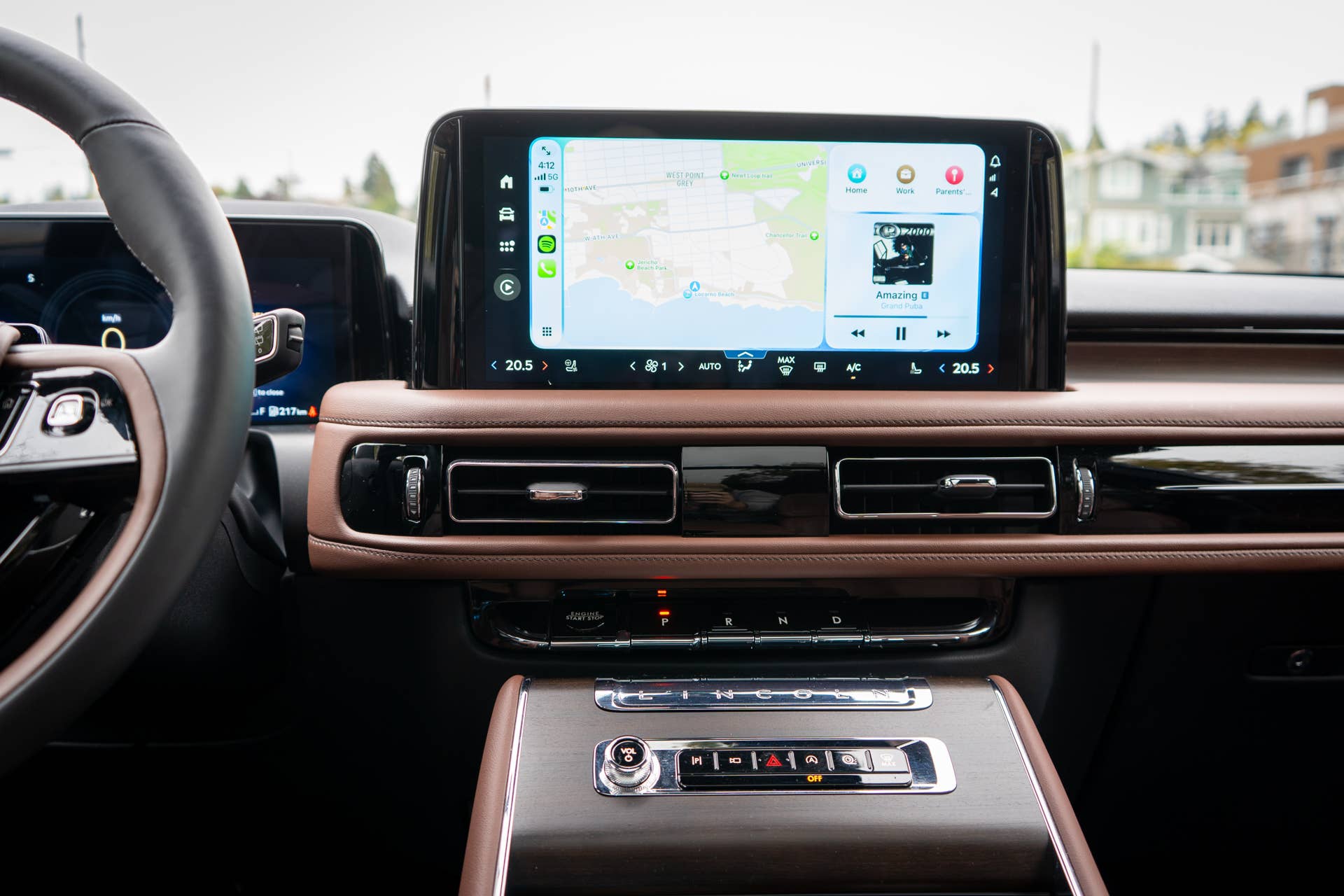
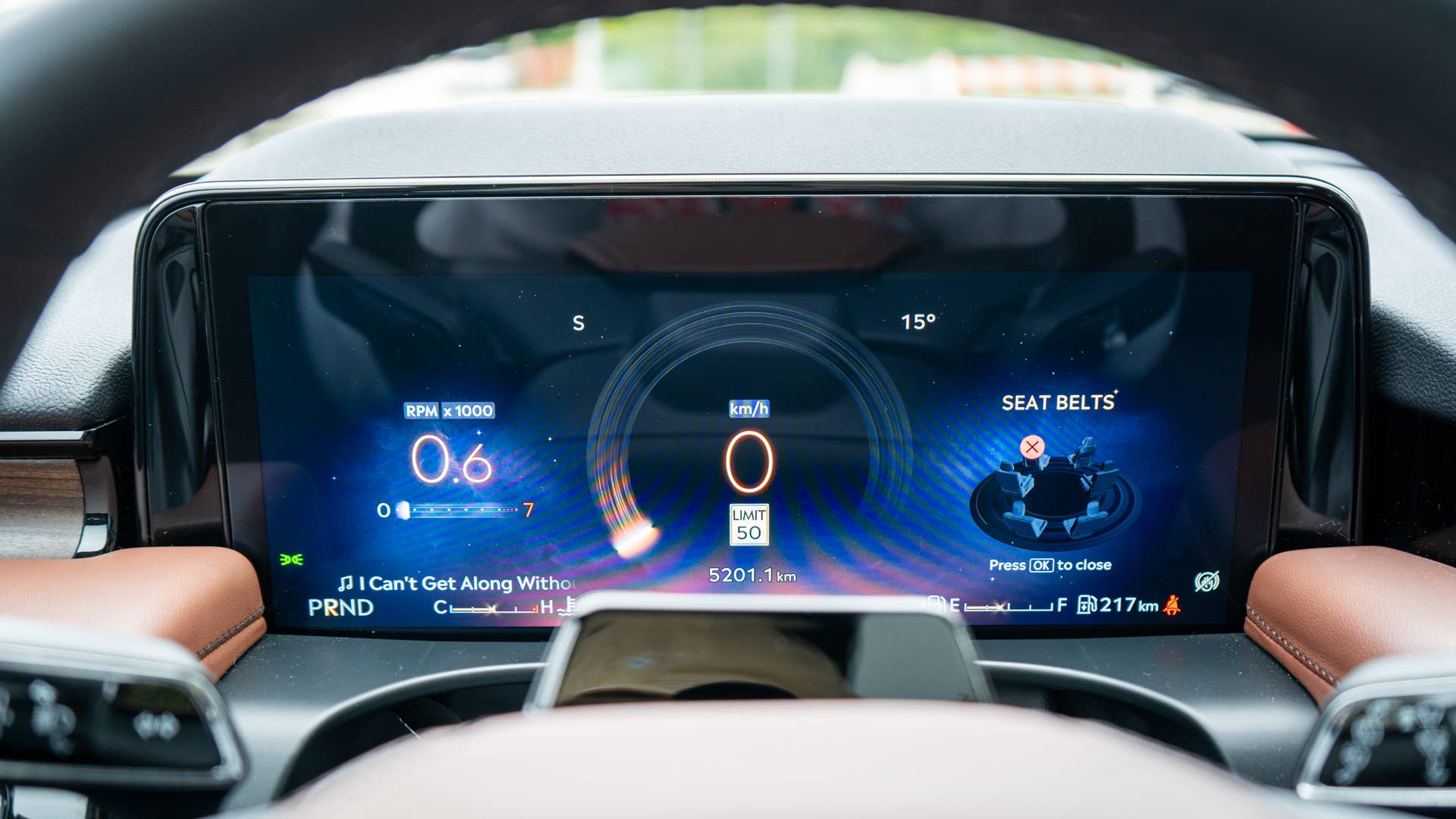
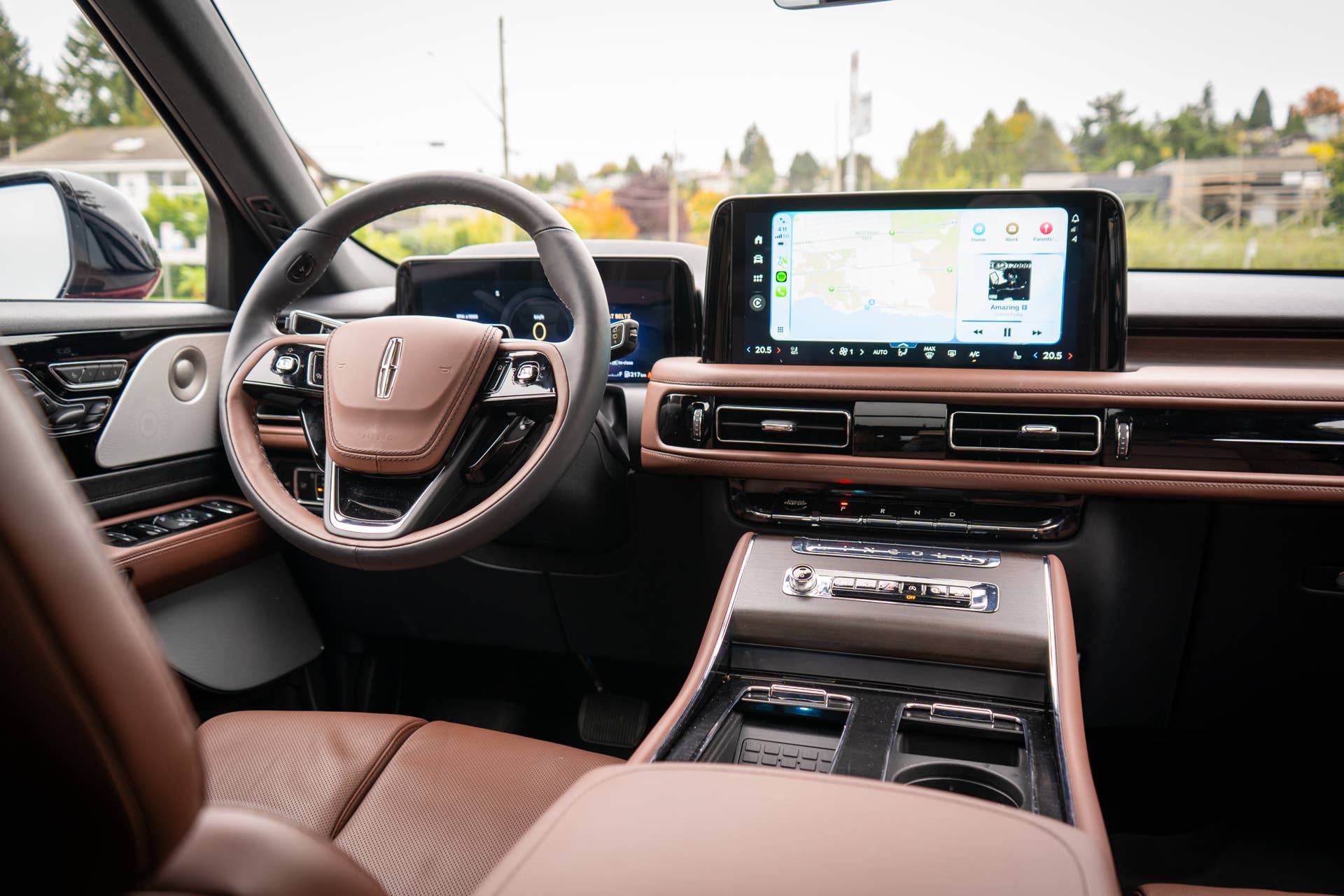
The 13.2-inch touchscreen runs Lincoln Digital Experience and supports Google apps and services. Its software is current, but the presentation feels far less ambitious than the Navigator’s sweeping dashboard display. Positioned near the dashboard’s edge and angled away from the driver, it also creates an awkward sightline. Everyday climate adjustments were straightforward, but accessing the massage seats was another matter: multiple menus led to seat settings, followed by separate controls for each front occupant. A feature intended to make life easier should be easier to activate. The Auto Hold function also requires menu navigation, although it remembered my preference between starts.
Cole Attisha
The optional 28-speaker Revel Ultima 3D system provides a much stronger argument for spending the extra dough. Its listening modes noticeably changed the presentation, shifting the perceived perspective from the audience toward the stage. Alongside the seats, it was among the cabin’s most memorable premium features. BlueCruise worked well on Highway 99, although unpredictable lane changes and heavy traffic kept me more comfortable holding the wheel. Separately, Reverse Brake Assist sometimes intervened abruptly during slow parking maneuvers. That behavior felt at odds with the otherwise polished controls.
Cole Attisha
Cole Attisha
Exterior Design — 8.0/10: Plenty Of Flash, Not Enough Identity
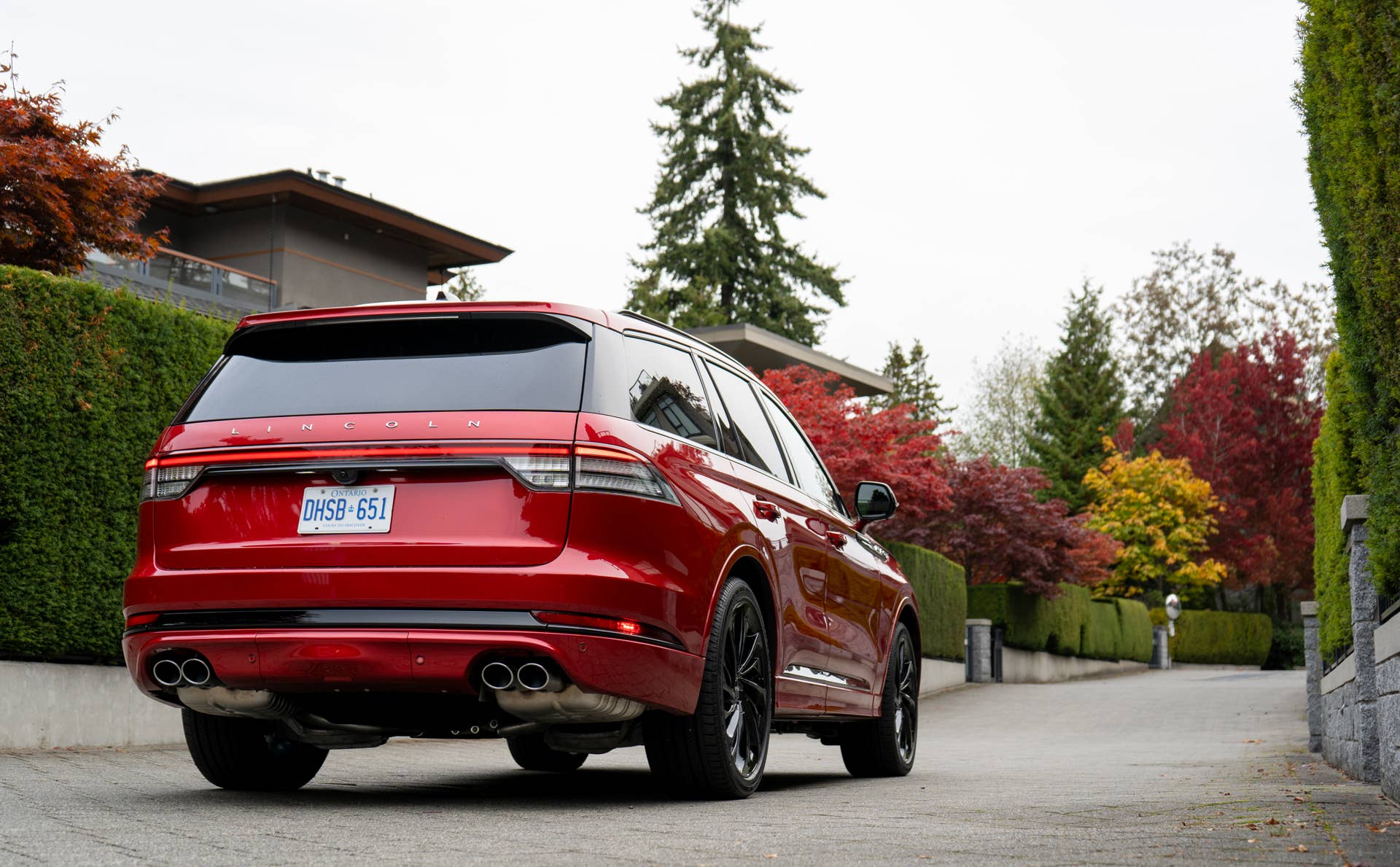
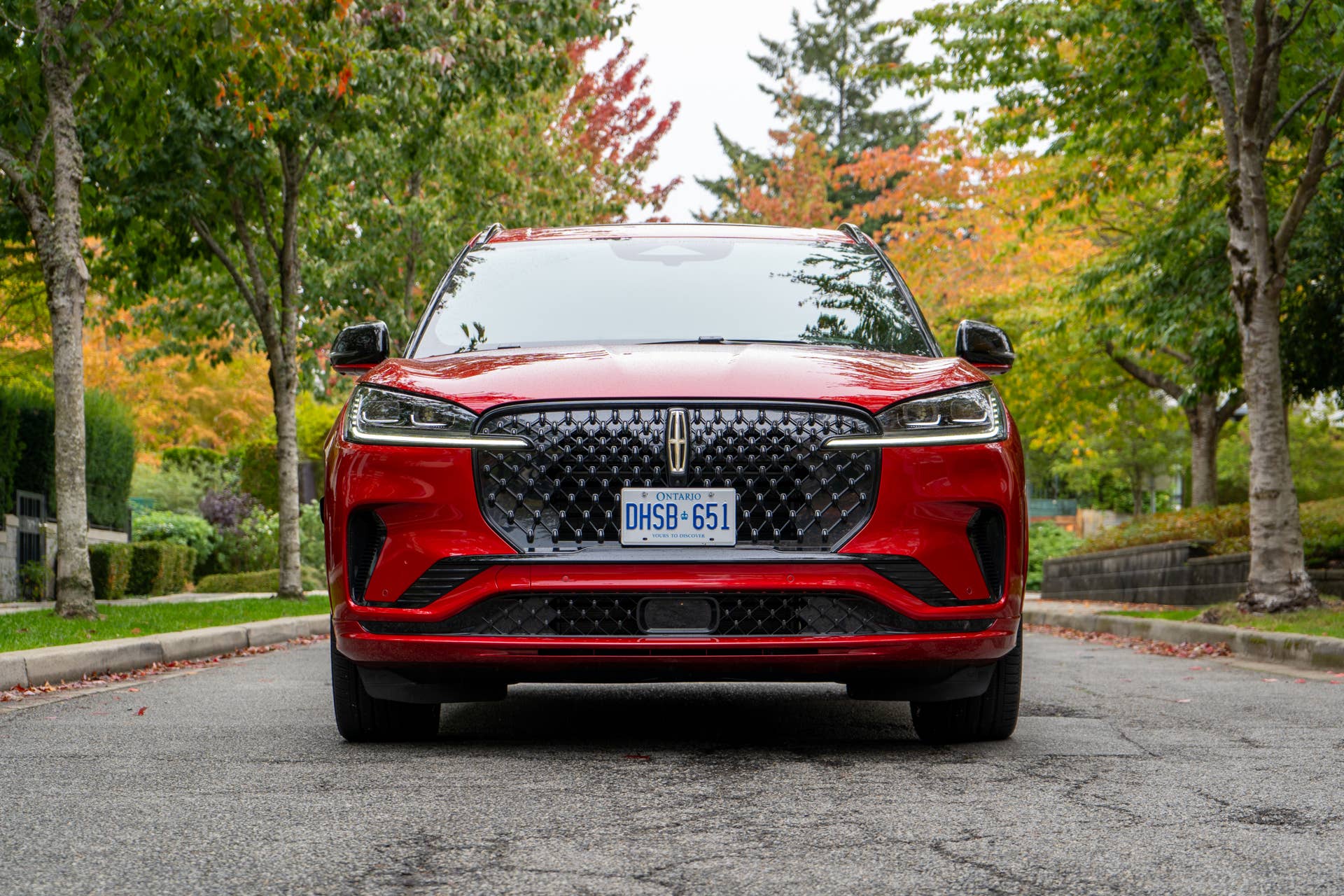
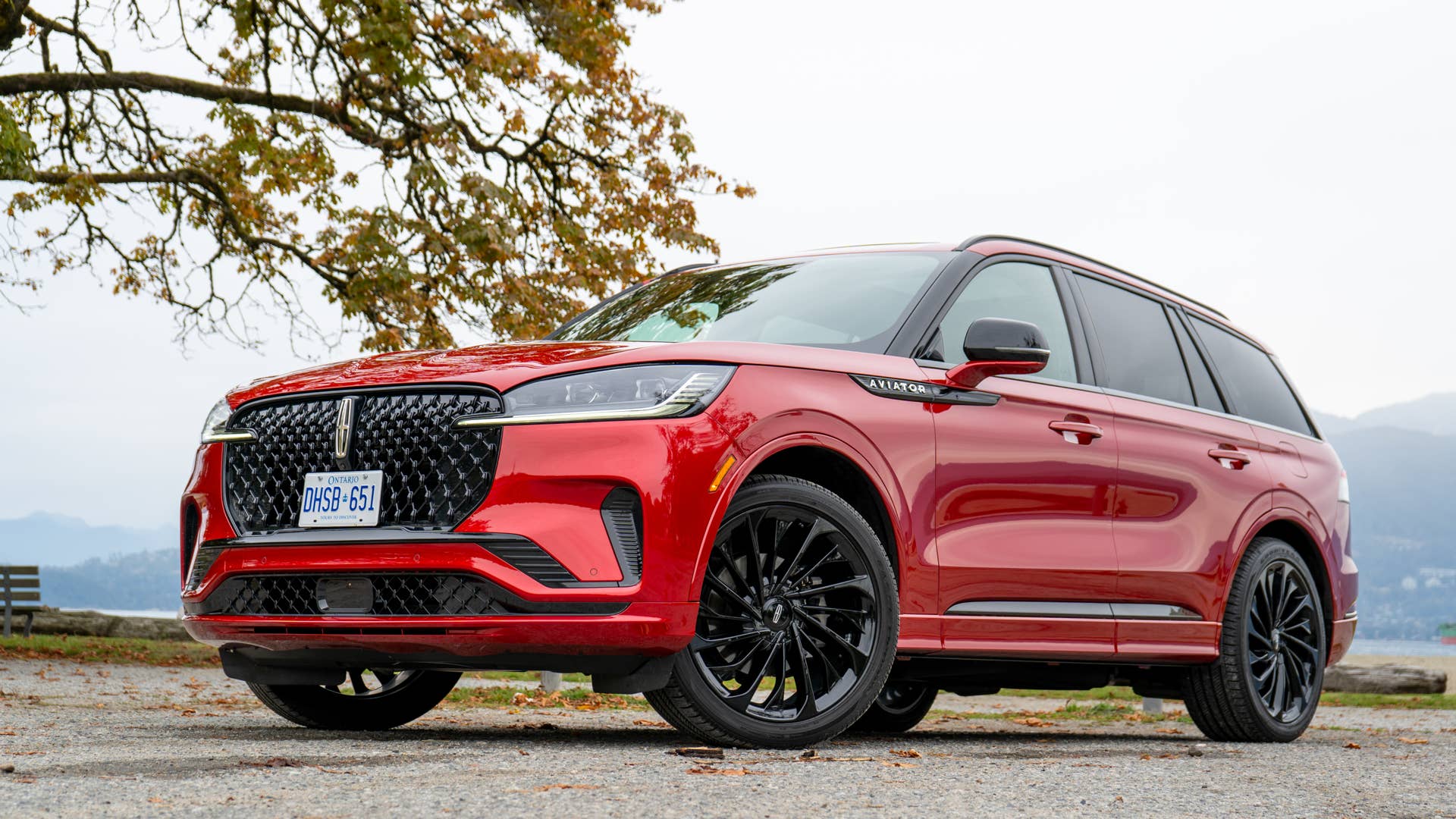
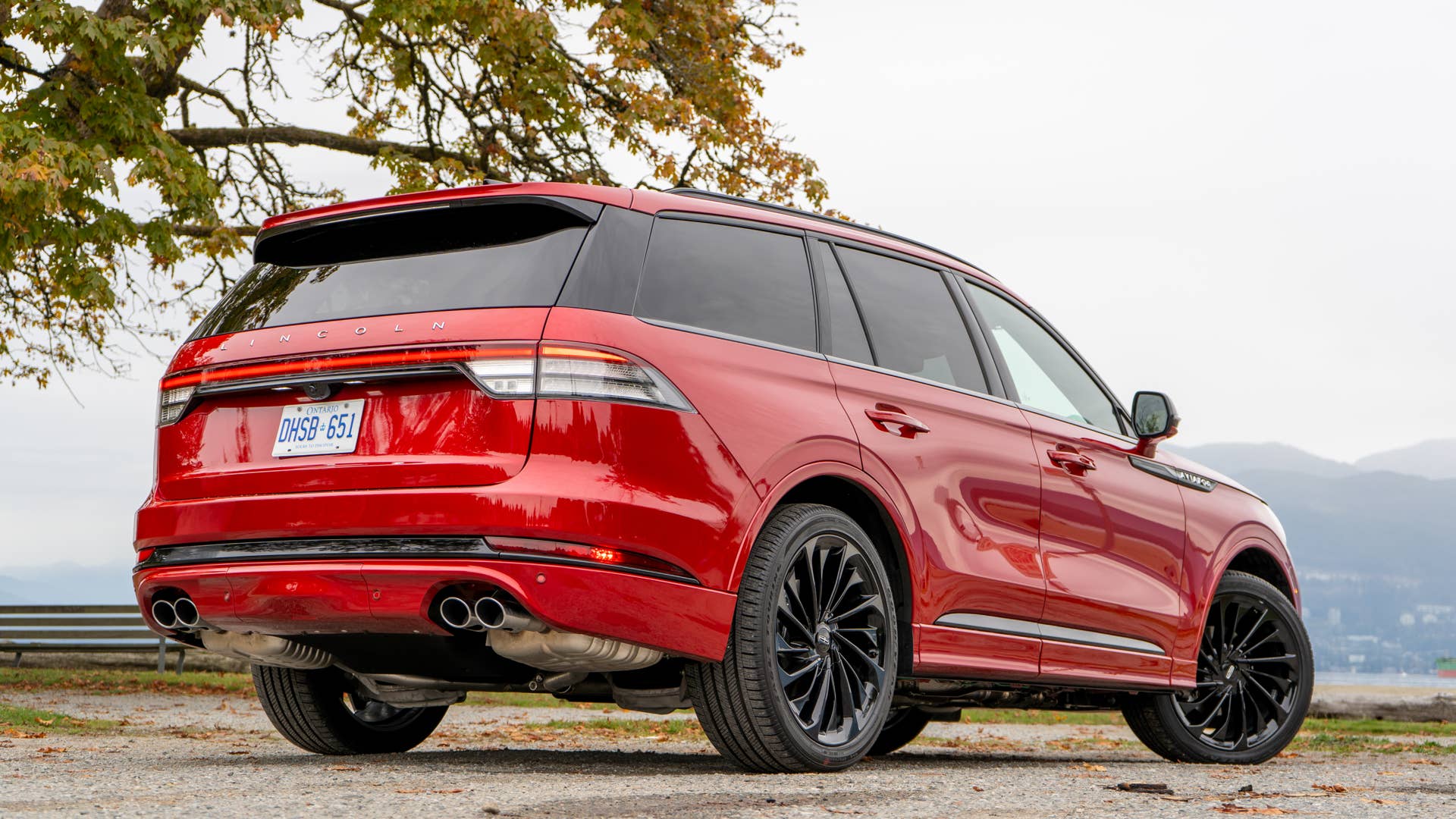
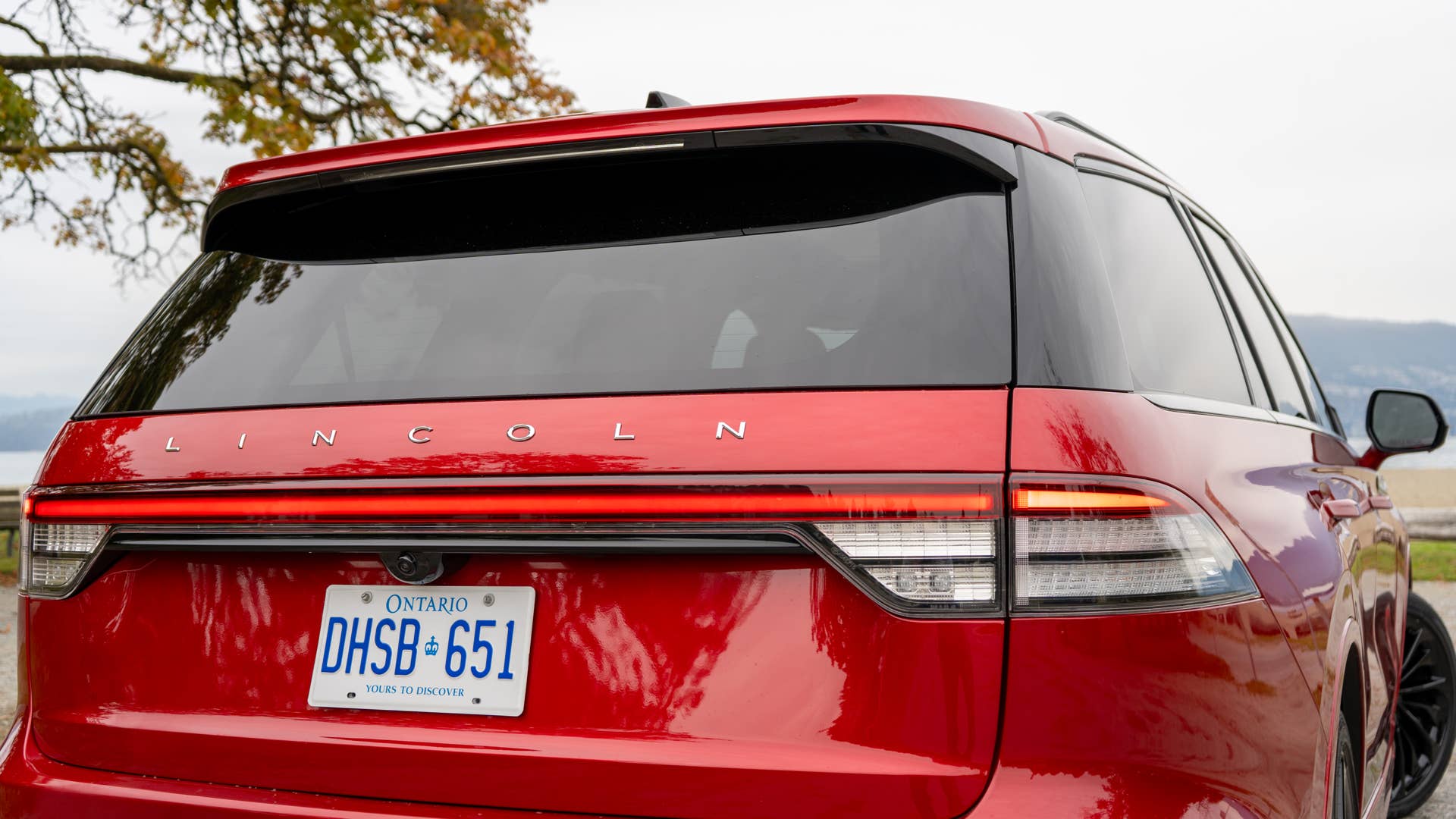
The Aviator’s trouble is that its styling makes plenty of gestures without establishing much identity. My tester’s illuminated details, oversized black wheels, and Jet Appearance Package added visual drama, but from a distance the whole shape felt fairly generic. At certain angles, it struck me as some sort of Range Rover minivan type thing. The reference is recognizable; the Lincoln’s own personality is harder to find. It lacks the Genesis GV80’s distinctive lighting and bodywork, and it never quite achieves the understated confidence of the Audi Allroad. My tester’s Red Carpet paint over Hot Chocolate upholstery may have amplified the problem for my tastes; the combination seemed determined to be a candy apple and a caramel apple at the same time. Others may appreciate its richness, but I wanted a specification that let the proportions speak without so much decoration.
Cole Attisha
Interior & Comfort — 7.5/10: Business Class With Ford Foundations
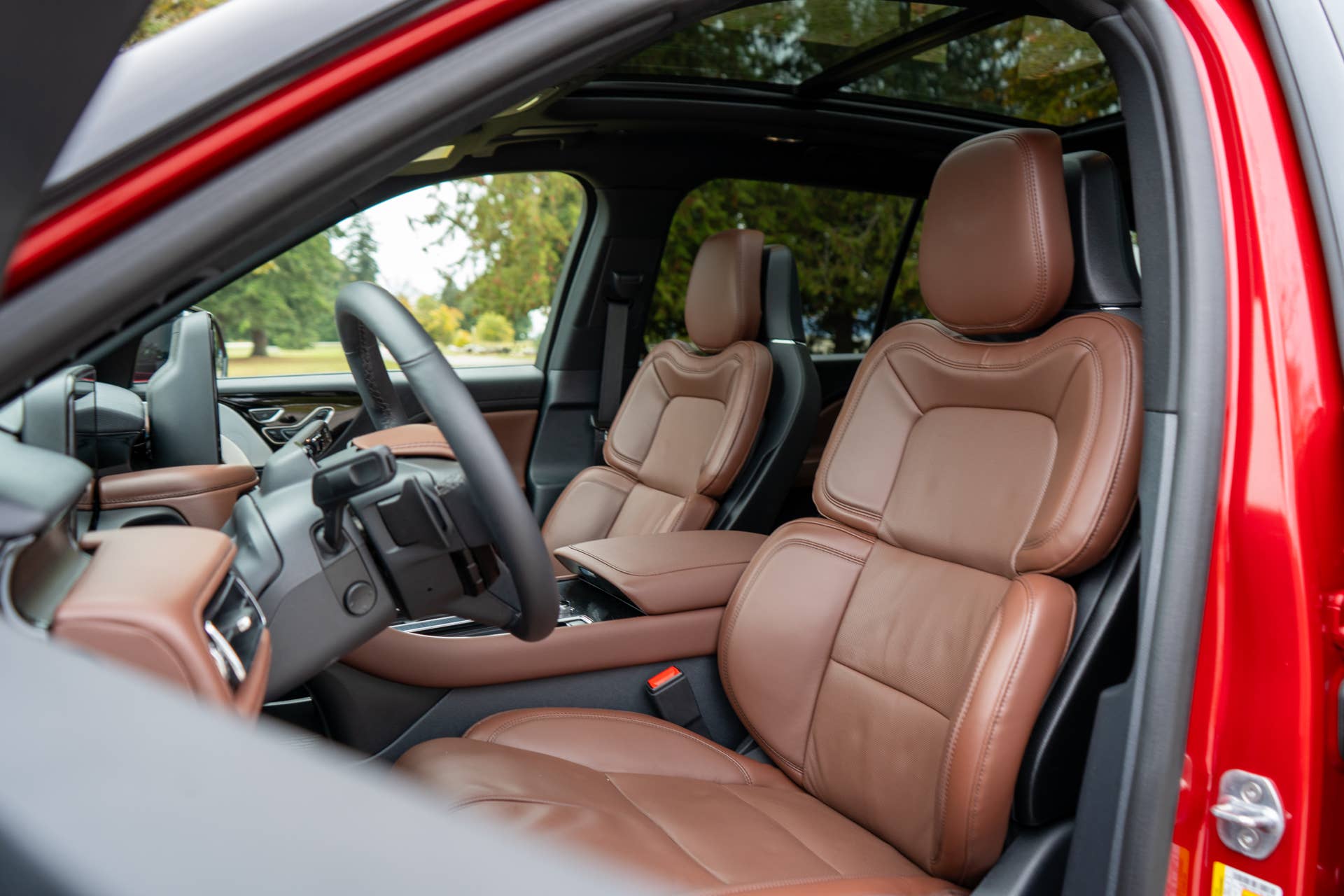
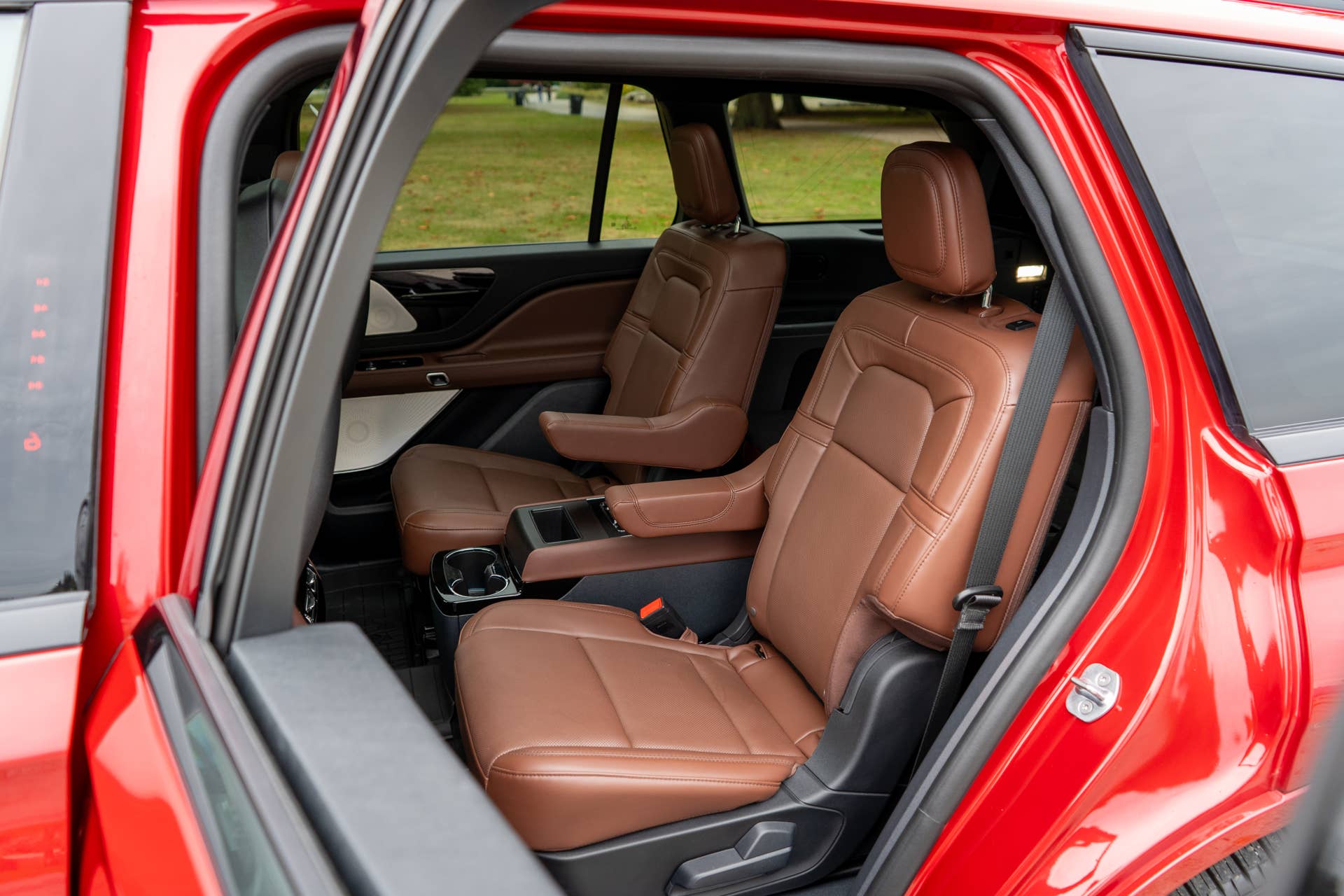
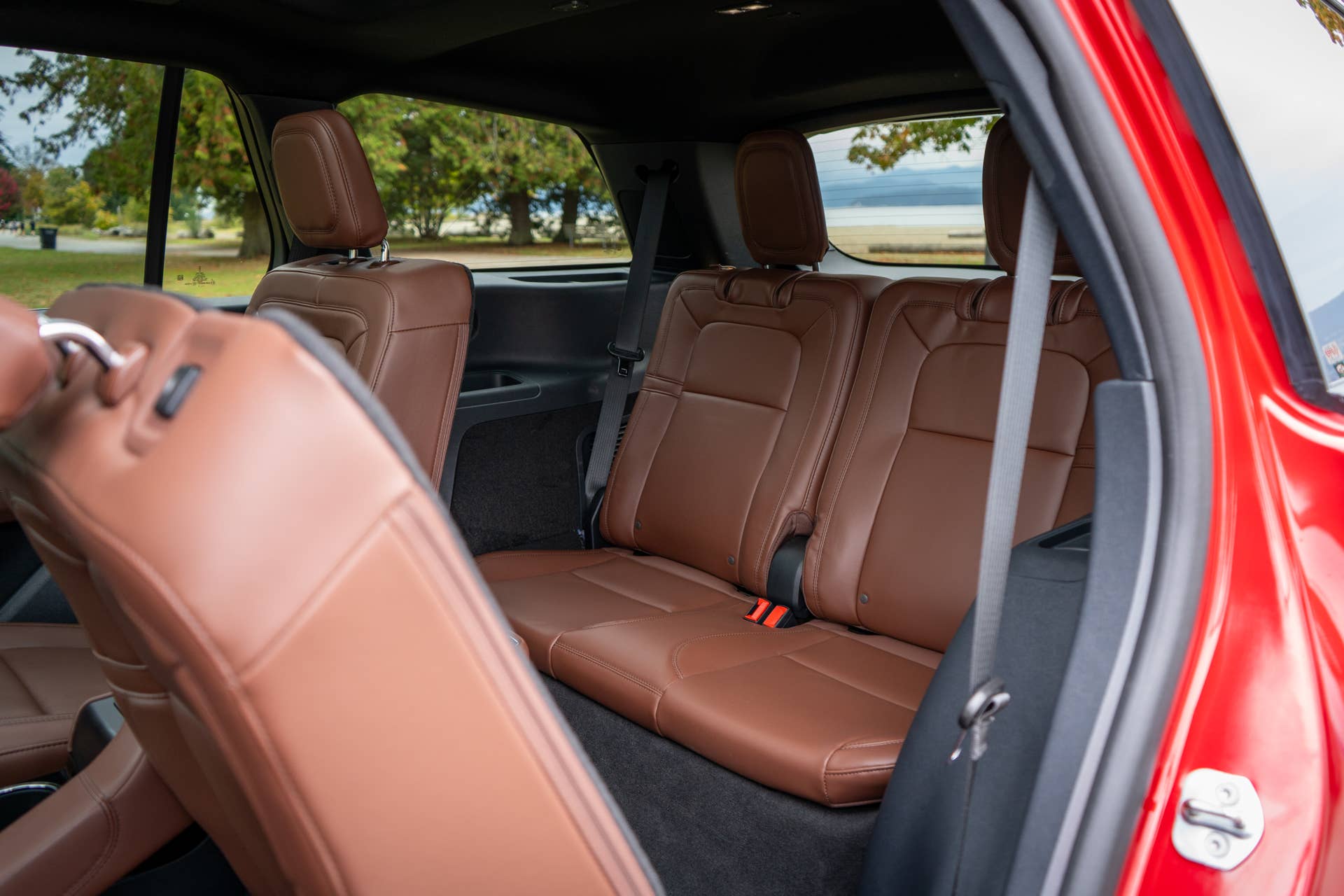
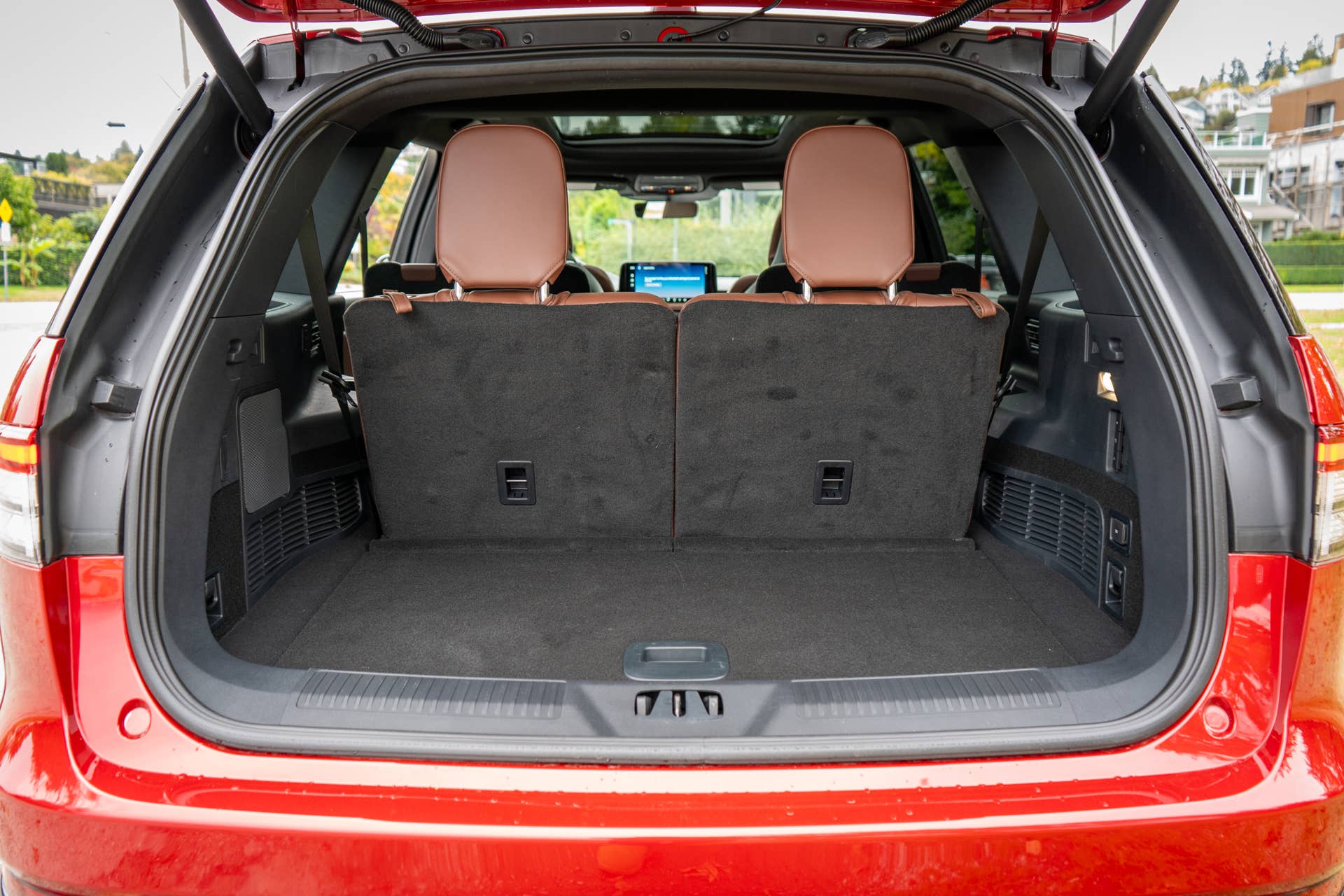
The available 30-way Perfect Position seats are both a highlight and a test of patience. I kept searching for the ideal setting, occasionally wondering whether so much adjustment creates as many questions as it answers. The independent thigh extenders, plus effective massage, heating, and ventilation, nevertheless make them genuinely useful. Friends and family who rode inside also found the heated, ventilated second-row captain’s chairs and full console impressive. Entry and exit were easy, and space was generous, though getting in and out of the third row can be a tricky ordeal without a central pass-through.
Cole Attisha
Cole Attisha
A closer look revealed less convincing materials and lower control points. Lincoln has dressed up the cabin nicely, but its Ford foundations remain apparent. Sitting in the back, I occasionally felt only a few sheets of leather and some armrests away from the rear of an Explorer police SUV, but the actual passenger experience was far more accommodating. The cabin feels like business class, but more United Polaris than Emirates. It offers the equipment and space, but falls short of the atmosphere and finish that make the best luxury interiors feel exceptional. The GV80 makes a stronger impression in both respects. Smaller irritations included awkward electronic door handle mechanisms that often pinched fingers, and what looked like early wear on the front-seat leather. Details like these are harder to overlook when the vehicle’s sole purpose is to elevate ordinary experiences.
Cole Attisha
Cole Attisha
Value — 7.5/10: Paying For Polish, Still Wanting Personality
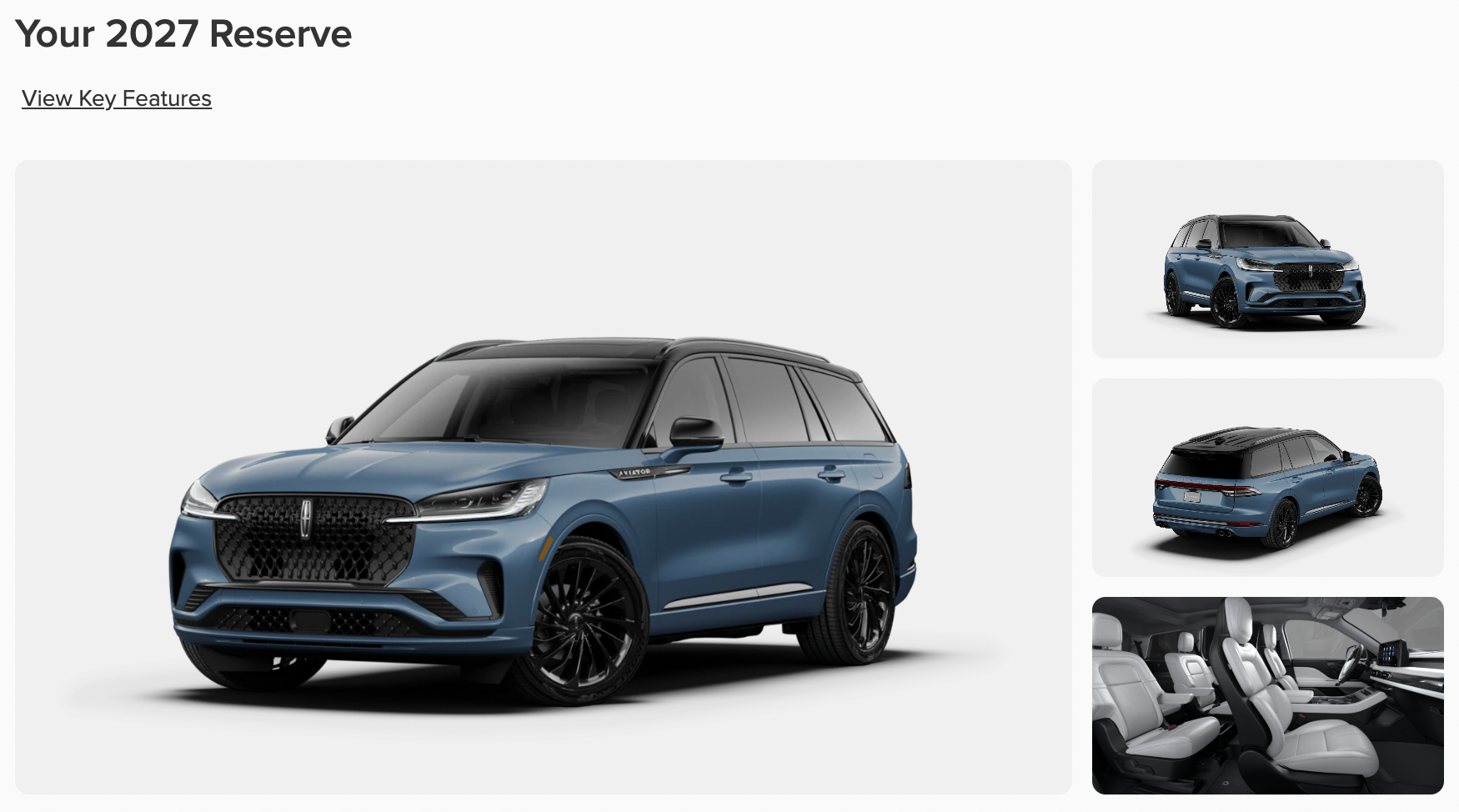
A U.S. Reserve AWD starts at $70,925, including destination. My Canadian tester reached C$101,320 with Equipment Group 201A, Dynamic Handling, Jet Appearance, the rear console, and smaller additions. Those are separate markets and currencies, but the overall equipment package remains very similar. The seats, audio, and controlled driving character make that spending feel tangible, and its rear-biased architecture and twin-turbo V6 also appeal to me more than the foundations beneath the Lexus TX or Infiniti QX60, but buyers paying for a luxury SUV can reasonably expect distinctive design and exceptional materials alongside capable engineering. The Aviator’s challenge is that its strongest qualities become clearer after you drive it, while its weaker ones hit you every time you climb aboard.
Lincoln Canada
How I’d Spec It: A Cooler, More Understated Combination
Trying out a new bit here, but here’s how I’d spec a 2026 Lincoln Aviator Reserve if I were configuring one for my own purchase. I would choose Whisper Blue Metallic with Light Space Gray and Onyx upholstery, and the Jet Appearance Package would suit that cooler, more understated combination better than my tester’s red-and-brown. The Perfect Position seats and Revel audio would remain priorities because they add real value, but I’d skip the second-row center console for easier third-row access. The value of the Air Glide Suspension with Dynamic Lower Entry depends on the roads you actually drive, but at C$3,750, I’d opt for the standard suspension, which will likely lead to fewer mechanical complications further down the road. In that configuration, with the Reserve (201A) package and Jet Appearance package, and without the Dynamic Handling Package and Full Rear Console with Smart Charging Ports, the 2026 Lincoln Aviator Reserve lands just under C$100,000 in Canada, including destination charges. That’s how I’d have it.
Cole Attisha
Overall Verdict — 7.8/10: Familiar Ingredients Without The Same Affection
After everything, I believe that I fell “in like” with the Aviator. Its familiar ingredients produce a strong package: abundant power, unusually smooth controls, accommodating seats, and suspension that helps a large SUV remain composed through bends. I would happily take another long journey in one, particularly from a second-row captain’s chair. But my Allroad had an identity I could recognize and forgive; it transcended the sum of its parts. Its appearance, packaging, and mechanical character expressed a coherent purpose. The Aviator’s purpose feels less personal, even though it performs many of its duties more effortlessly.
Luxury asks a vehicle to do more than execute those duties. The design, materials, and experience need to make ownership feel worthwhile and emotionally compelling beyond the spec sheet. Lincoln shows genuine skill in the Aviator’s calibration, but the cabin and exterior leave me wishing for the same persuasive sense of artistry and craftsmanship. That’s why I appreciated this Lincoln without necessarily wanting to own it myself. My Allroad made me overlook faults because I loved the whole car, but while I admired the familiar recipe in the Aviator, I still couldn’t help but notice what was missing.
Autoblog aims to feature only the best products and services. If you buy something via one of our links, we may earn a commission.