
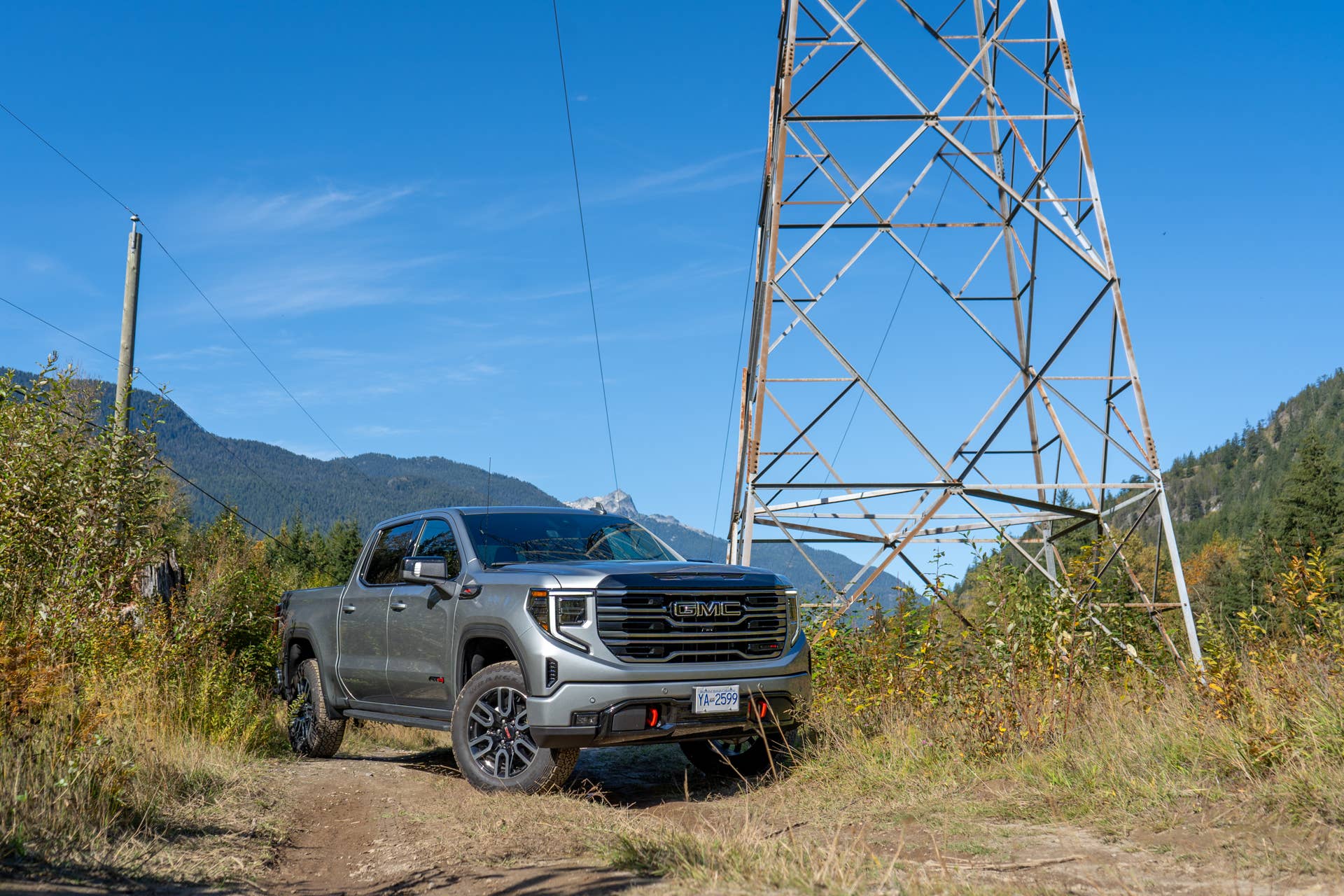
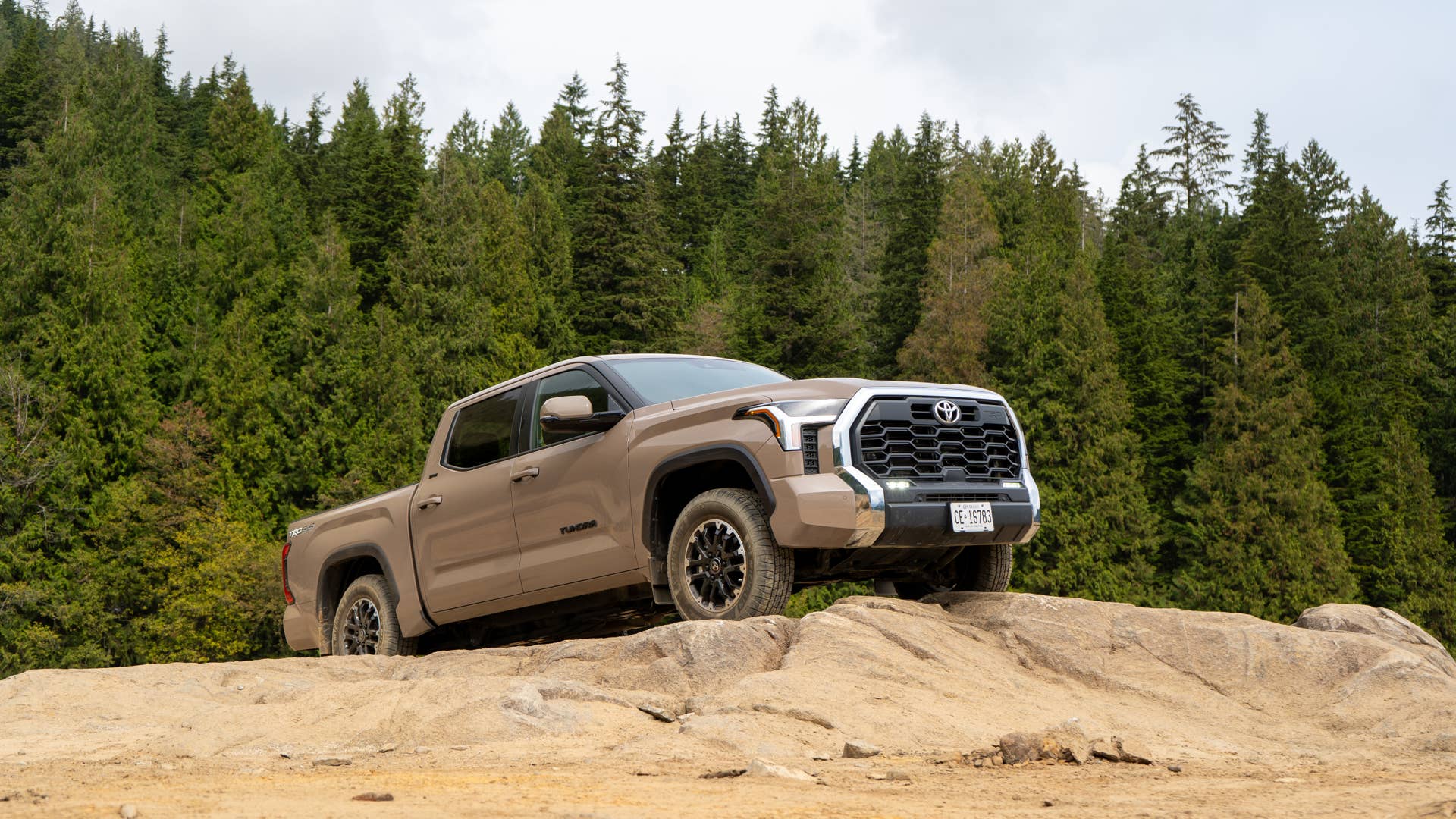
The 2026 GMC Sierra 1500 AT4 made fuel prices feel momentarily irrelevant, usually with a downshift beneath an overpass. I knew its 6.2-liter V8 was a serious indulgence, but that hardly stopped me from enjoying it. The 2026 Toyota Tundra TRD Off-Road took me longer to warm up to. Its cabin looked underwhelming for the money, while the truck surrounding it became increasingly agreeable with use. After a week in each, I could see good reasons to want either. Choosing between them requires careful math. The Sierra I drove had more equipment and cost considerably more, while Toyota offers several ways to pair its trail hardware with a nicer interior. How much of the GMC’s premium buys a better pickup, and how much buys a pickup I simply enjoyed more?
Cole Attisha
First, make sure the prices describe the trucks you want
AT4 is a trim; in the United States, TRD Off-Road is a package offered on several Tundra grades. My Canadian Toyota tester’s closest U.S. equivalent is an SR5 CrewMax 4WD with the 5.5-foot bed and TRD Off-Road Package. That SR5 starts at $51,510, and the $2,125 package brings the base-plus-package sum to $53,635. GMC advertises the AT4 at $68,300, but that includes the standard Duramax diesel. The V8 and active exhaust add $1,895, bringing that combination to about $70,195 before additional equipment.
U.S. configuration | Base MSRP | Specified additions | Base plus additions |
|---|---|---|---|
Sierra AT4, standard diesel | $68,300 | — | $68,300 |
Sierra AT4, V8 and active exhaust | $68,300 | $1,500 + $395 | $70,195 |
Tundra SR5 CrewMax 4WD, short bed, TRD Off-Road | $51,510 | $2,125 | $53,635 |
Tundra Limited CrewMax 4WD, short bed, TRD Off-Road | $57,860 | $3,580 | $61,440 |
All figures are in U.S. dollars and exclude destination, taxes, and other equipment. Totals are calculated examples, rather than U.S. prices for my Canadian test vehicles.
Thinking about selling your car? Get an instant cash offer online now. Click here to get started.
Cole Attisha
The roughly $16,600 difference between the V8 GMC and SR5 Toyota therefore includes a substantial jump in cabin equipment. Moving to a Limited, Toyota adds leather, ventilated front seats, and larger displays. Its TRD package also costs more—$3,580—so the full step from SR5 TRD to Limited TRD is $7,805, not just the $6,350 separating their base prices. That narrows the illustrated GMC’s premium to about $8,800. My Sierra’s additional packages, sunroof, cover, and other options would widen it again. The Limited is a closer comfort comparison, although my firsthand Toyota impressions come from the simpler truck.
Cole Attisha
The GMC makes a stronger first impression inside
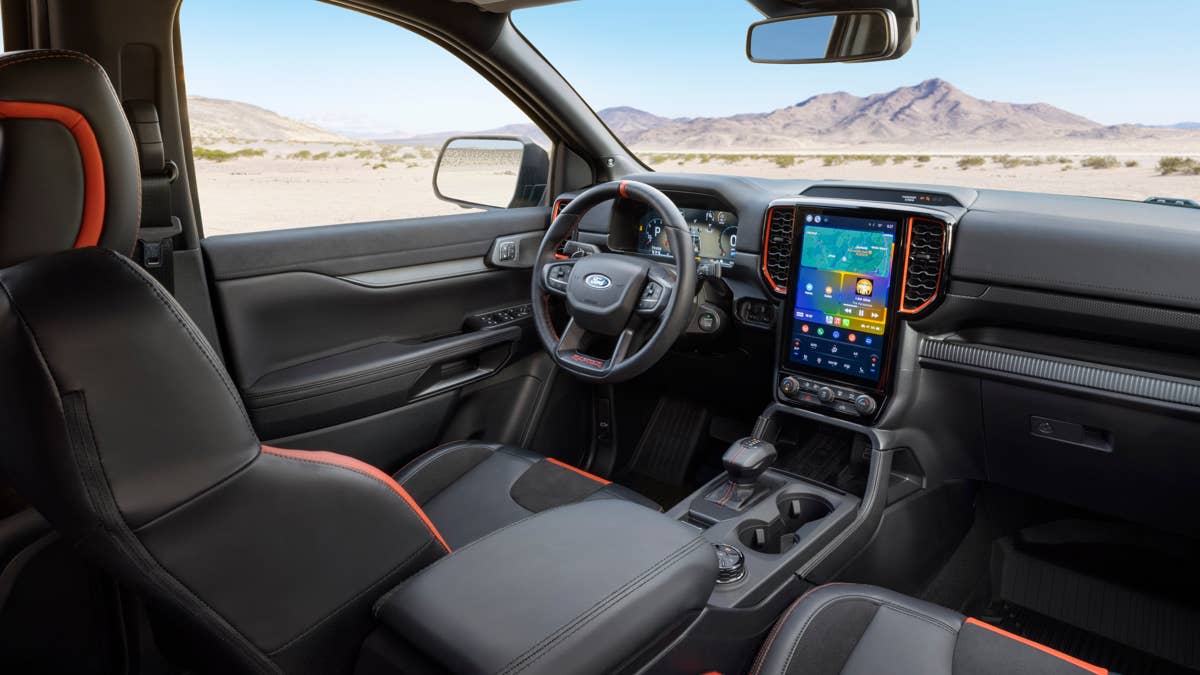
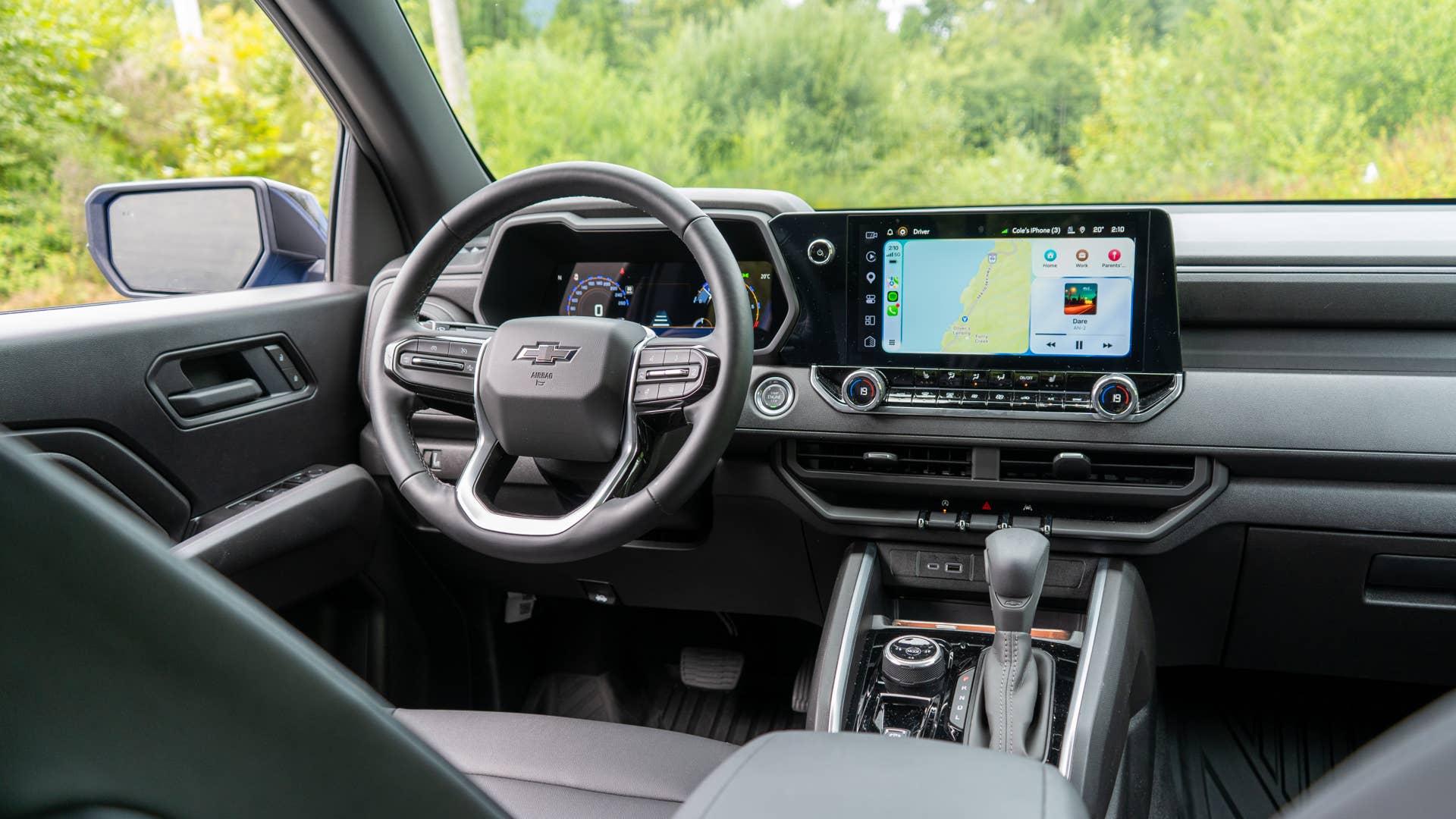
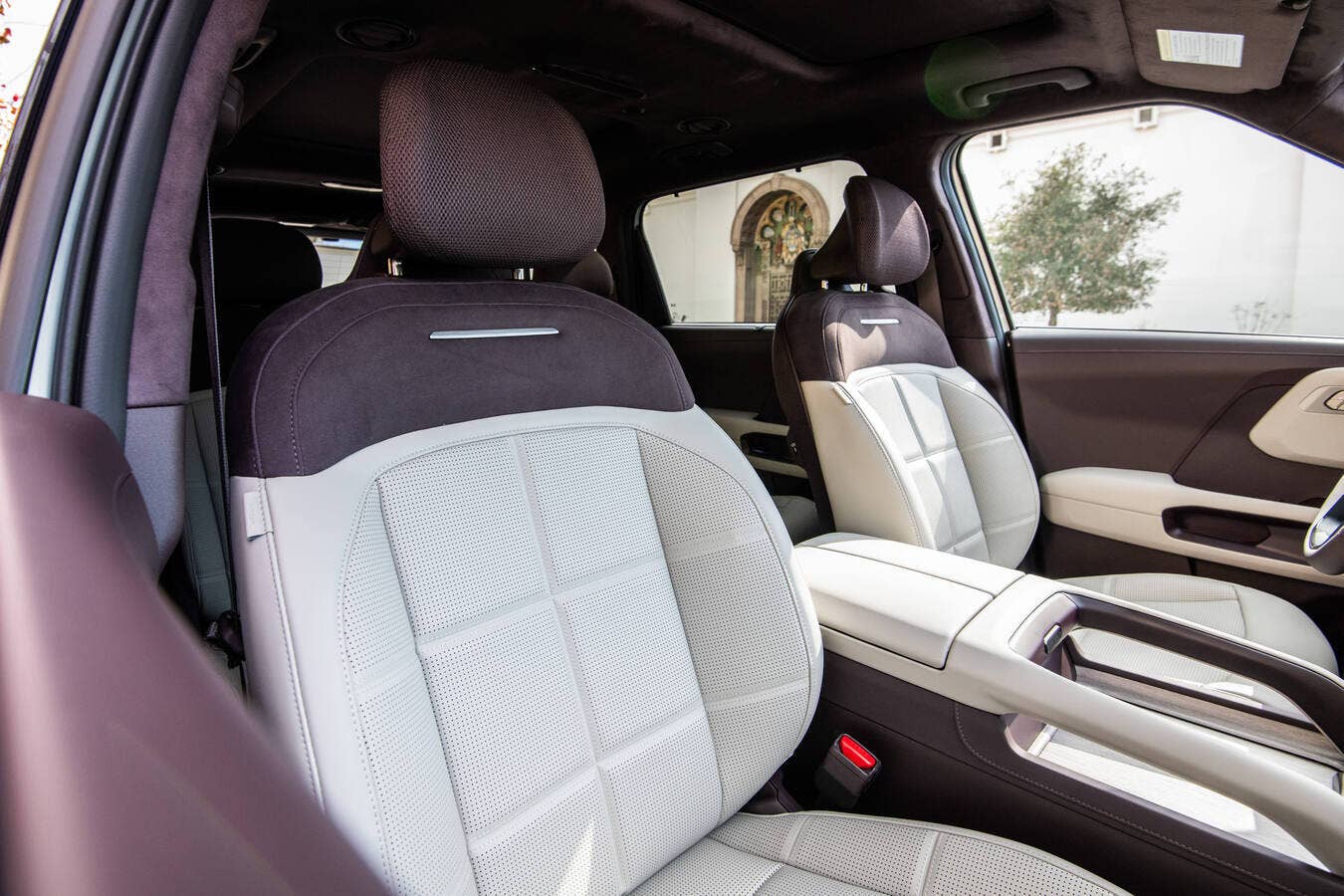
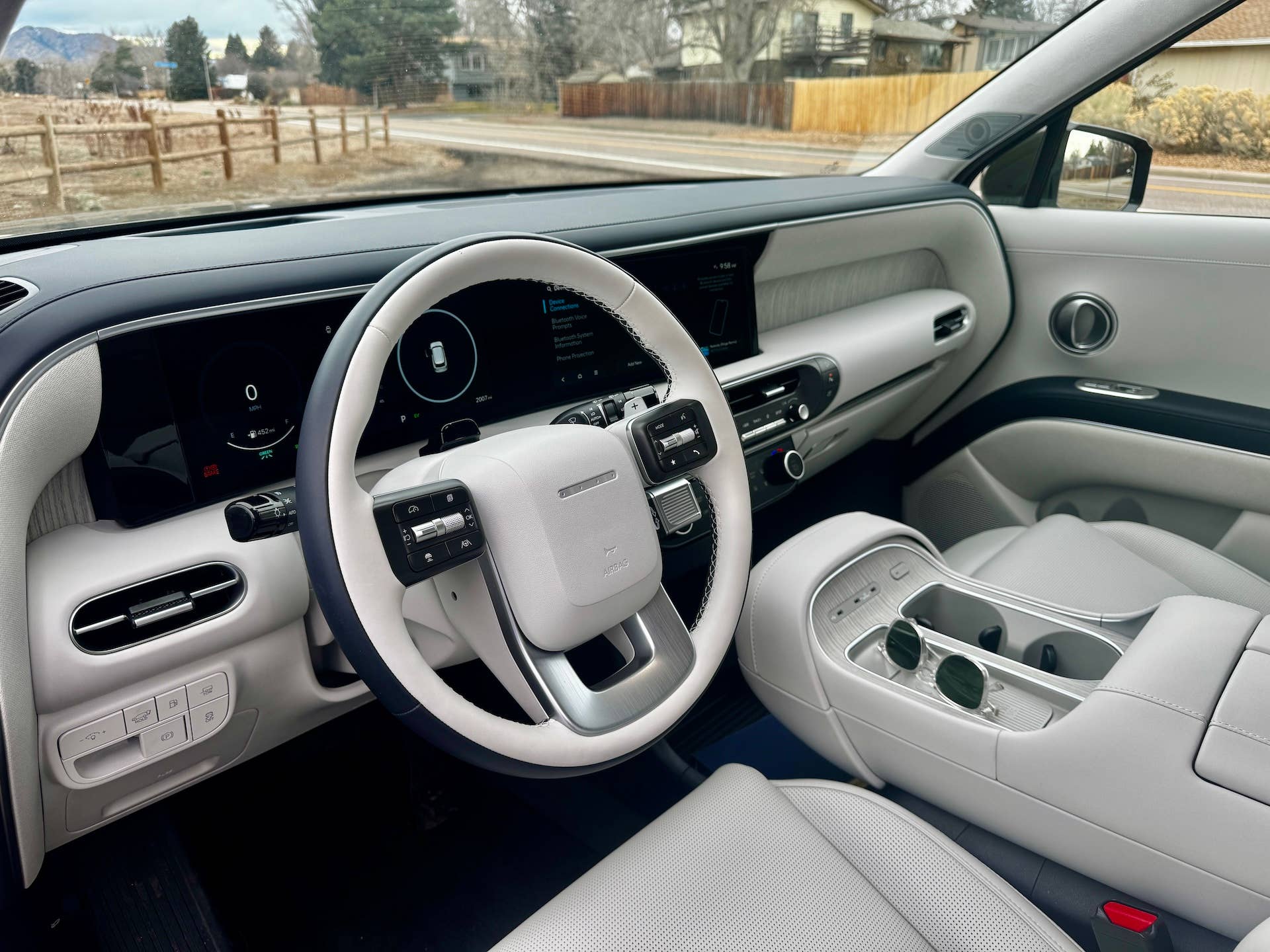
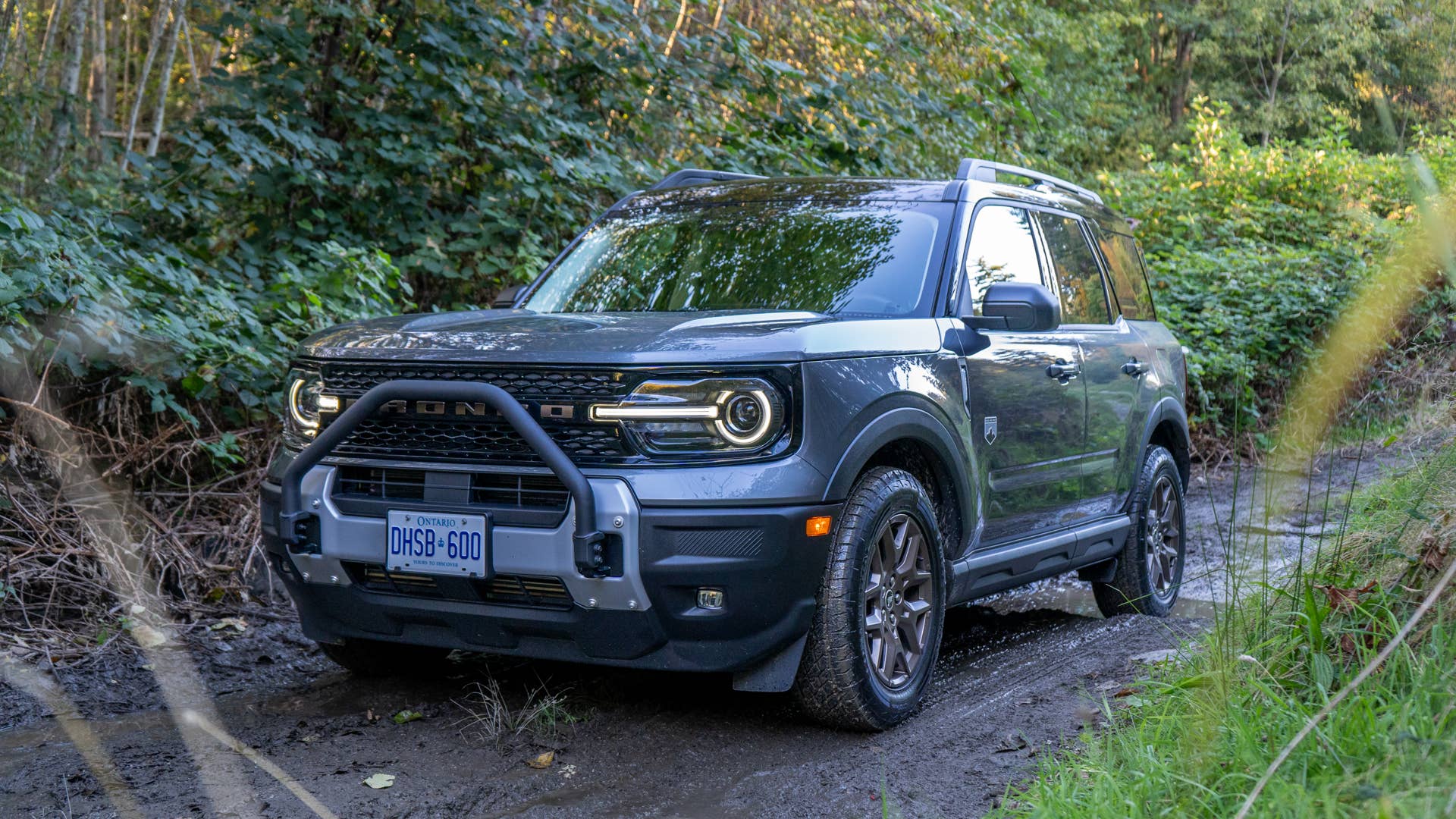
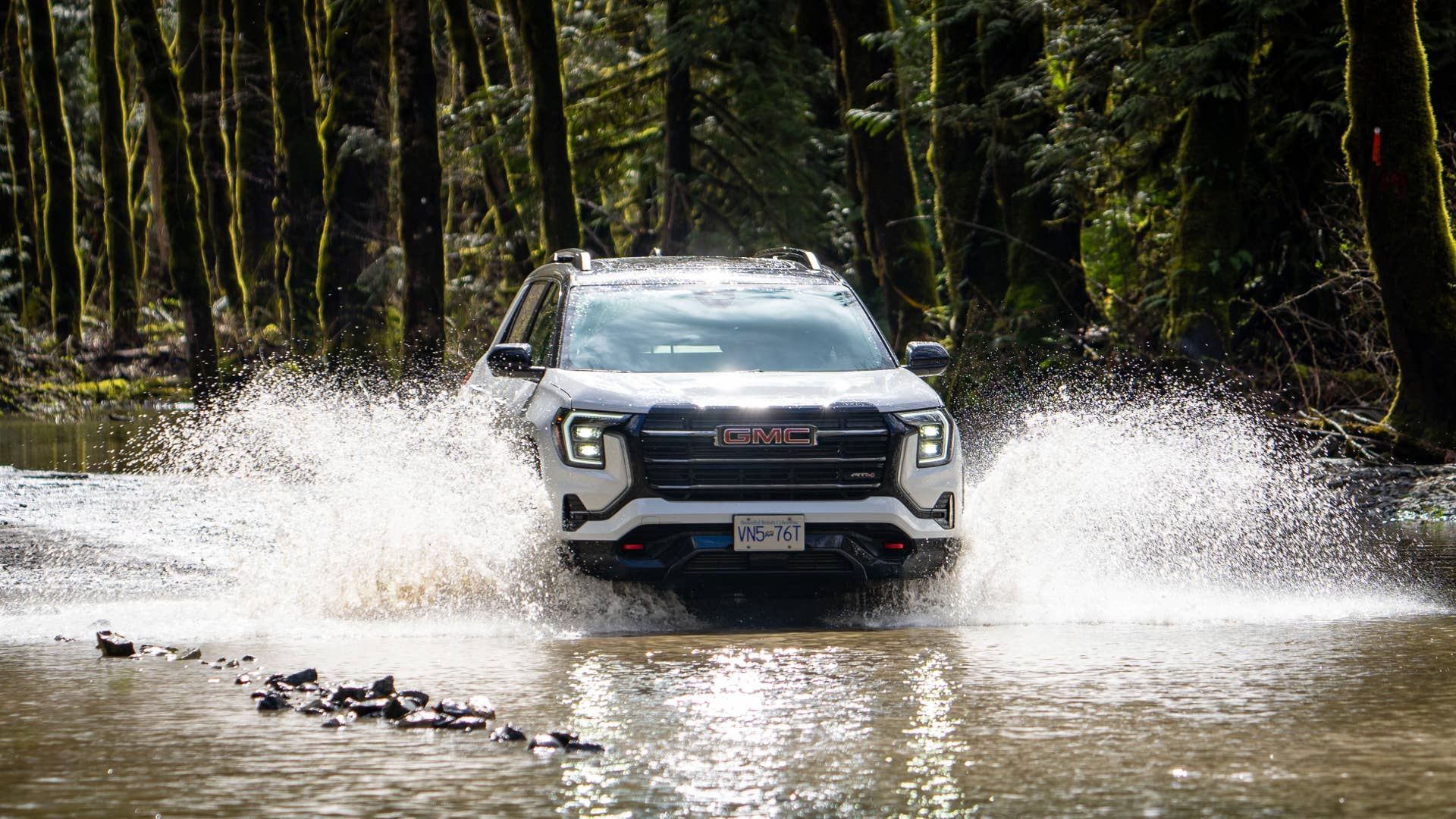
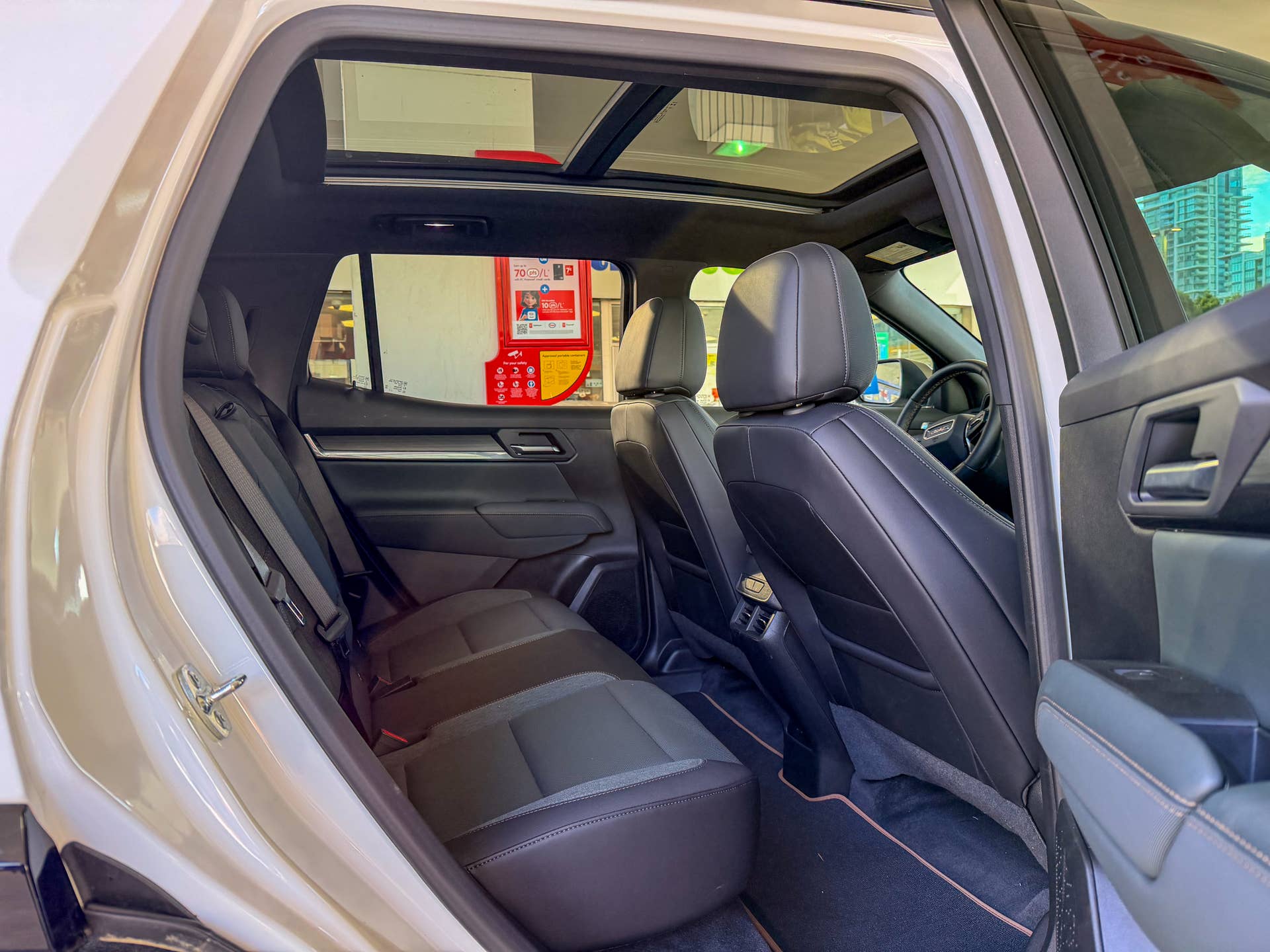
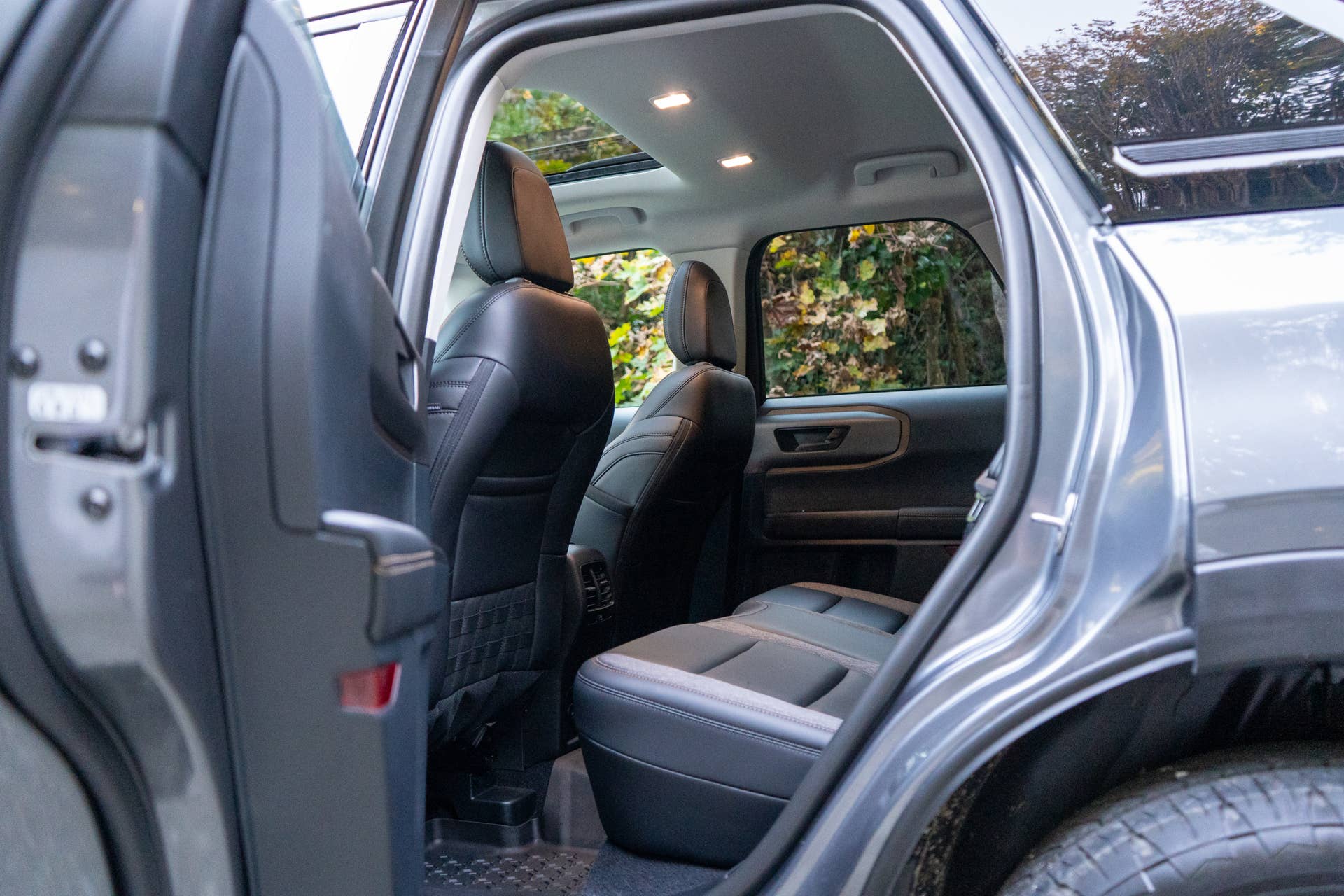
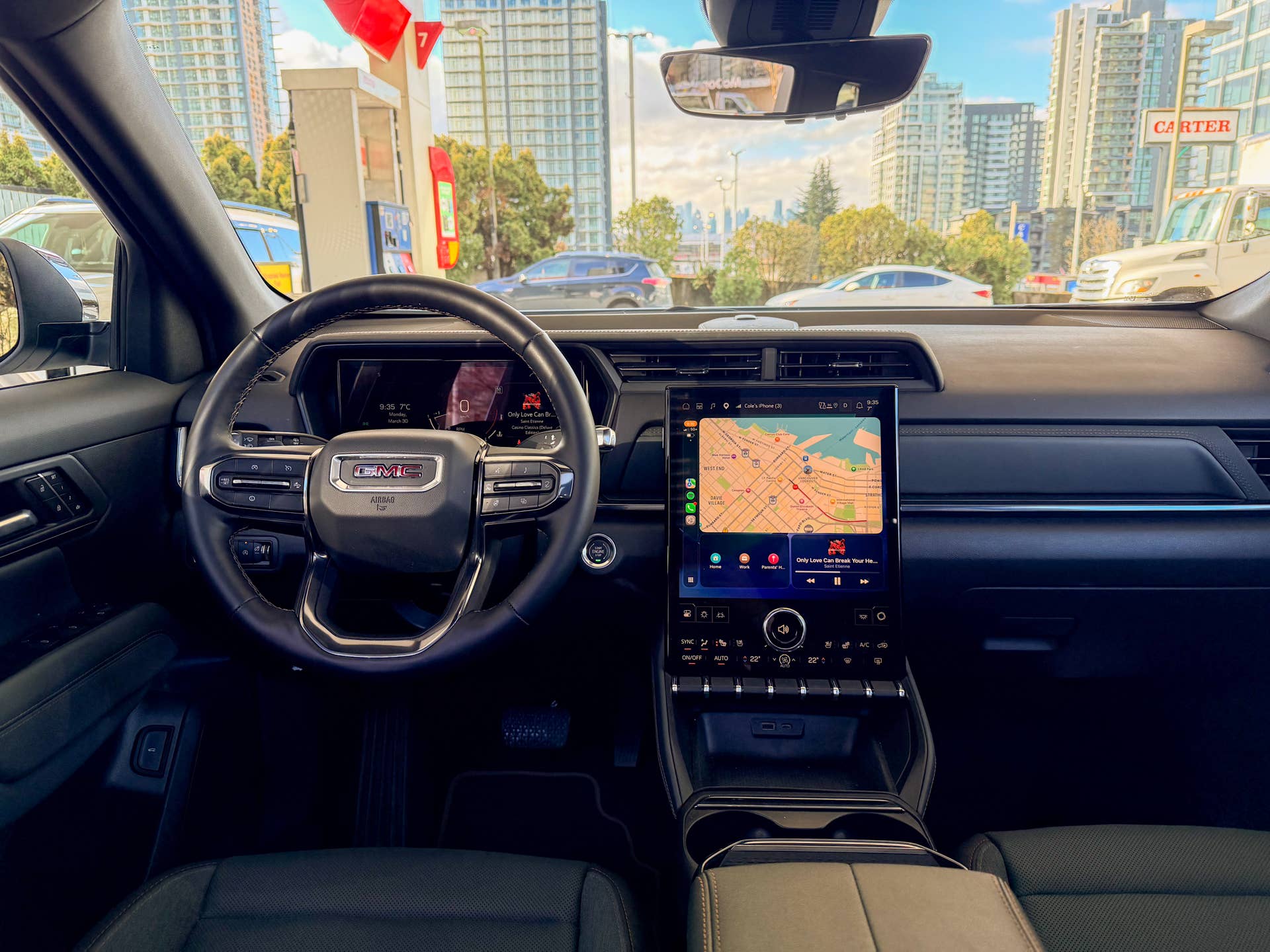
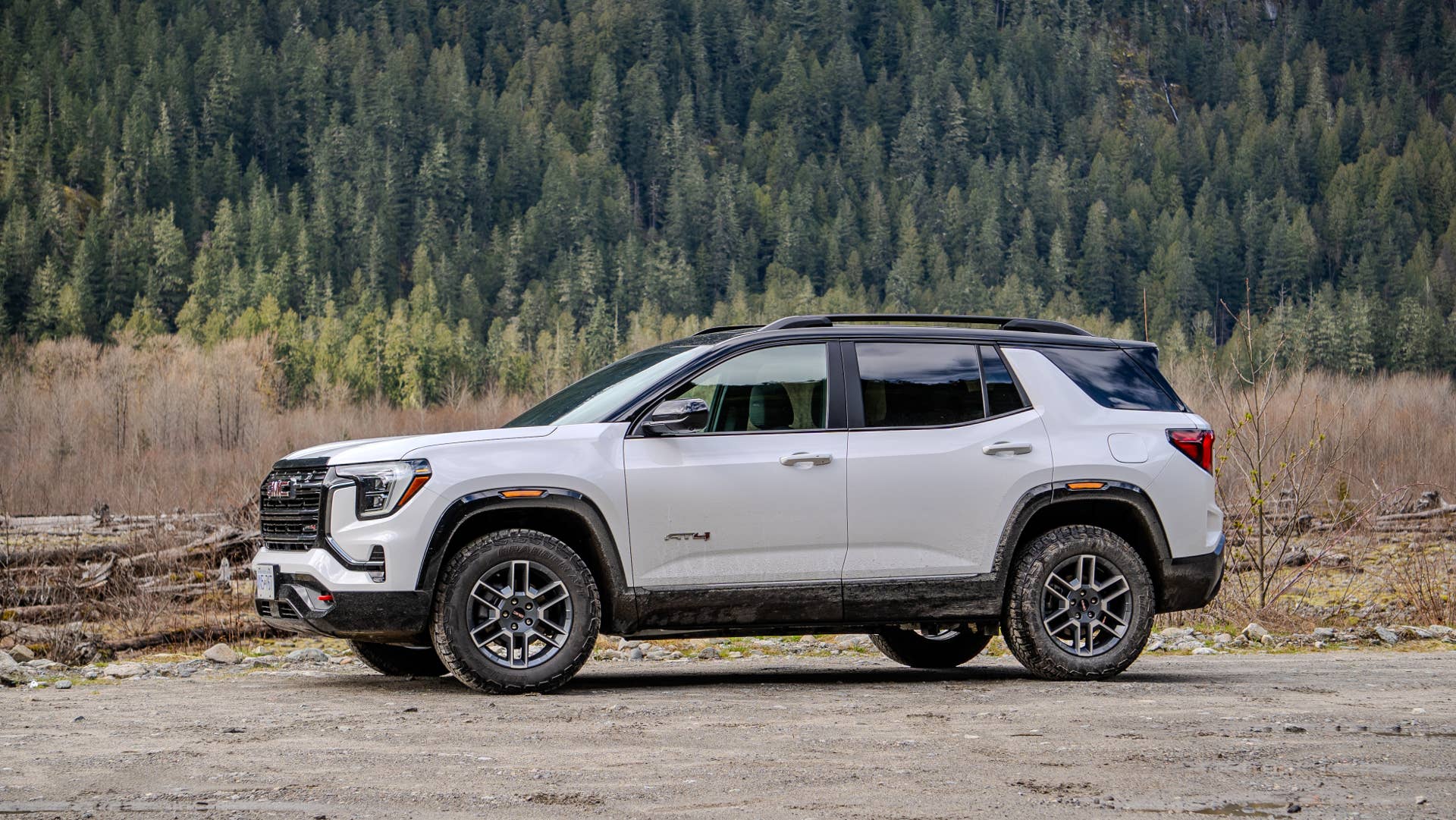
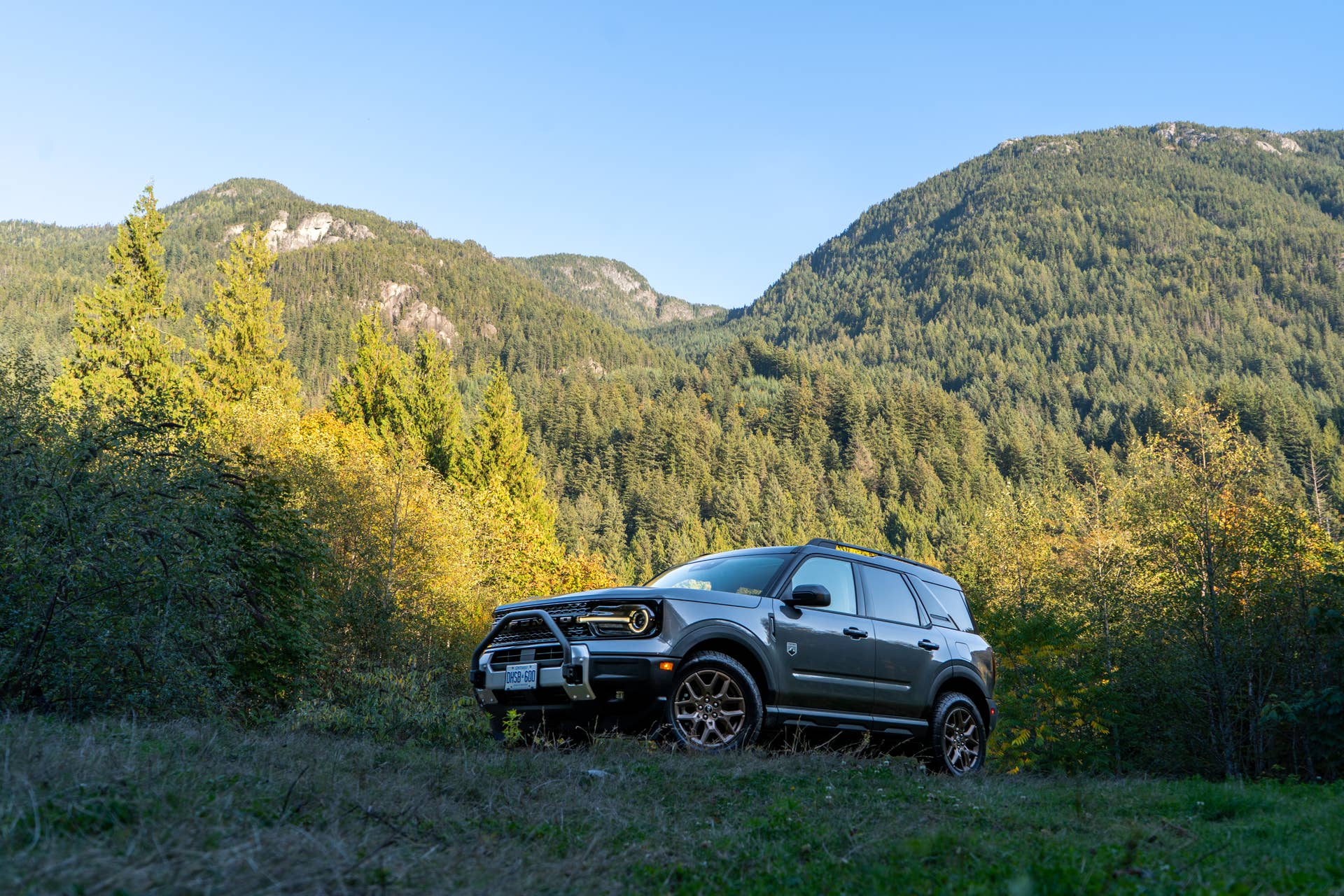
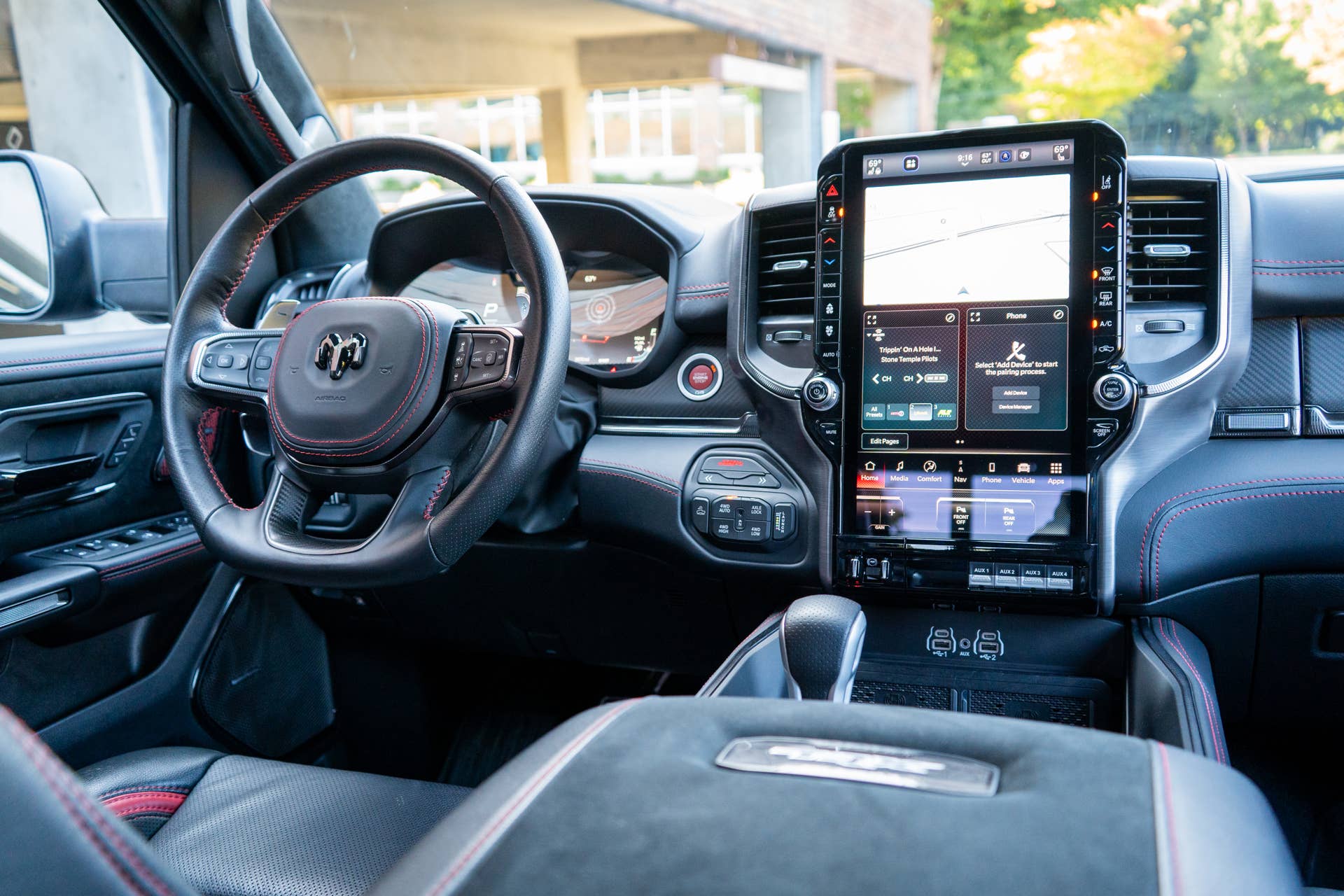
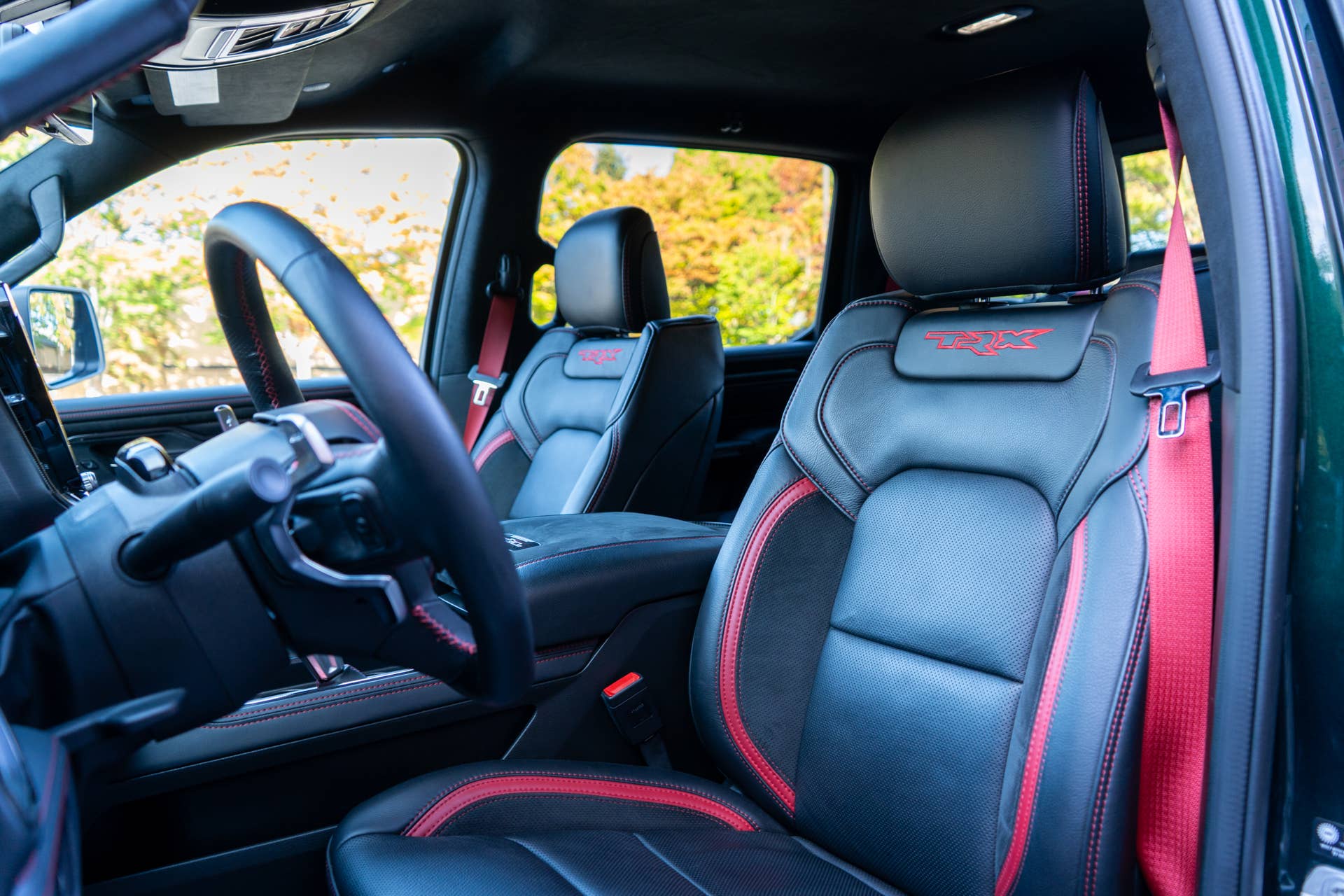
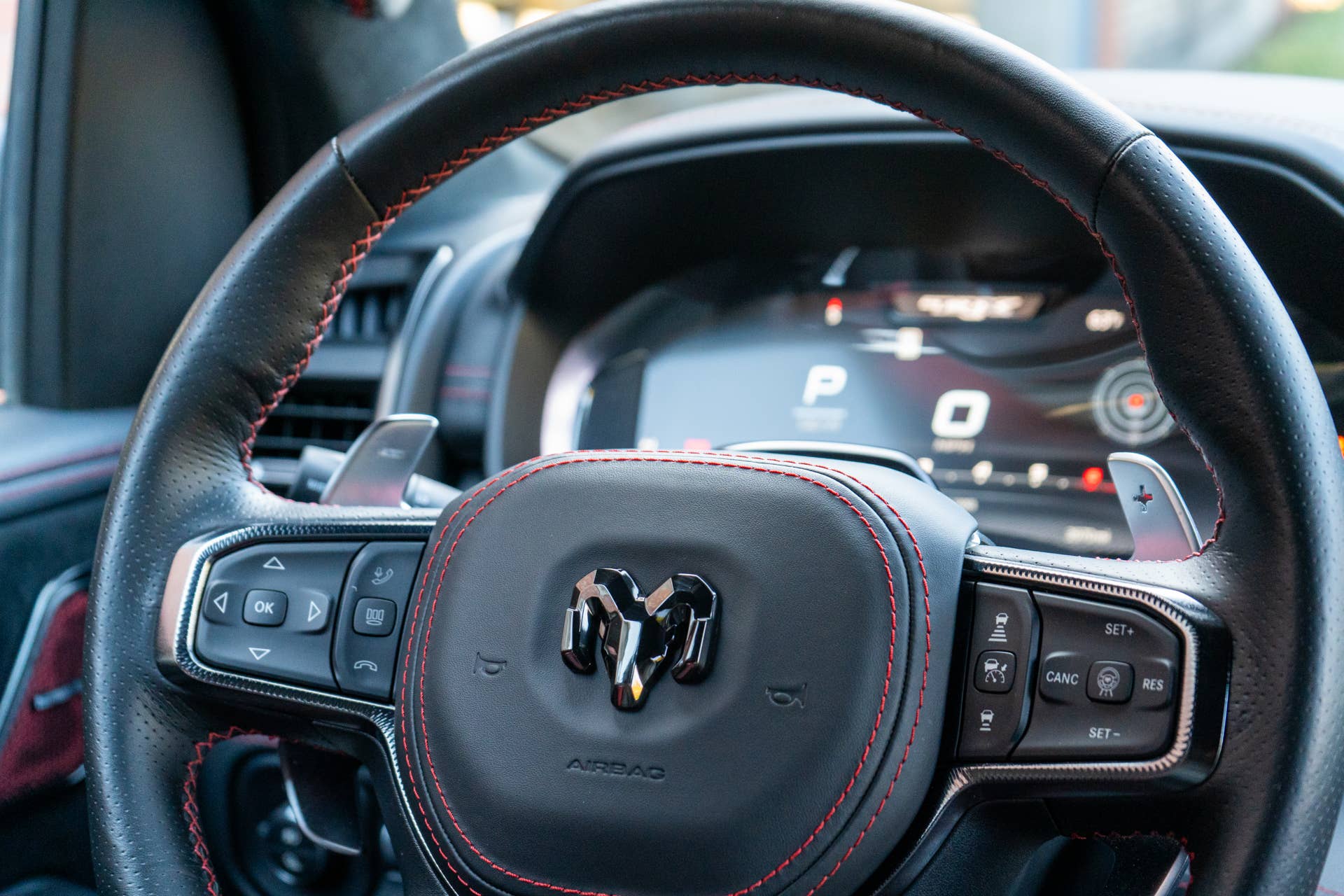
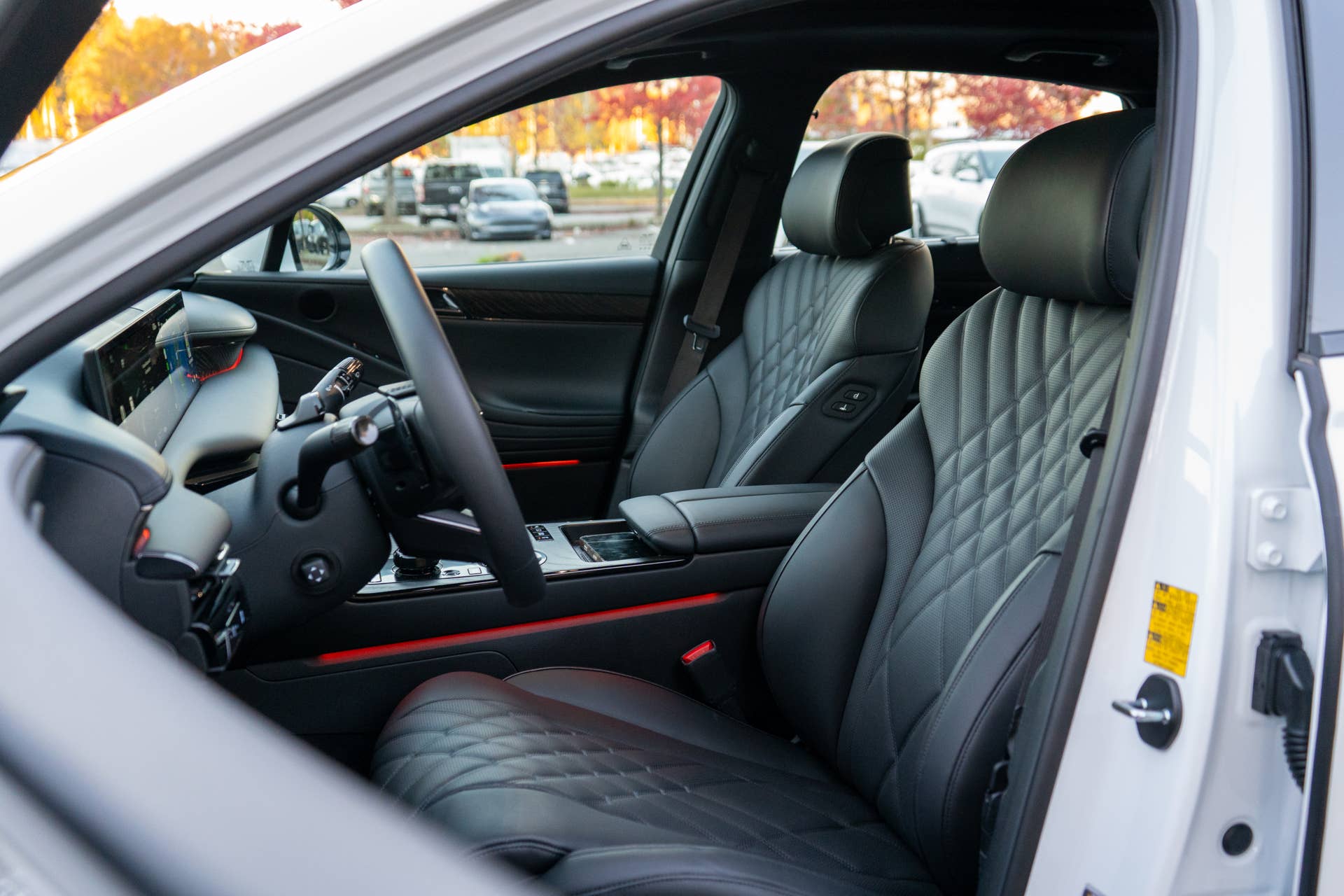
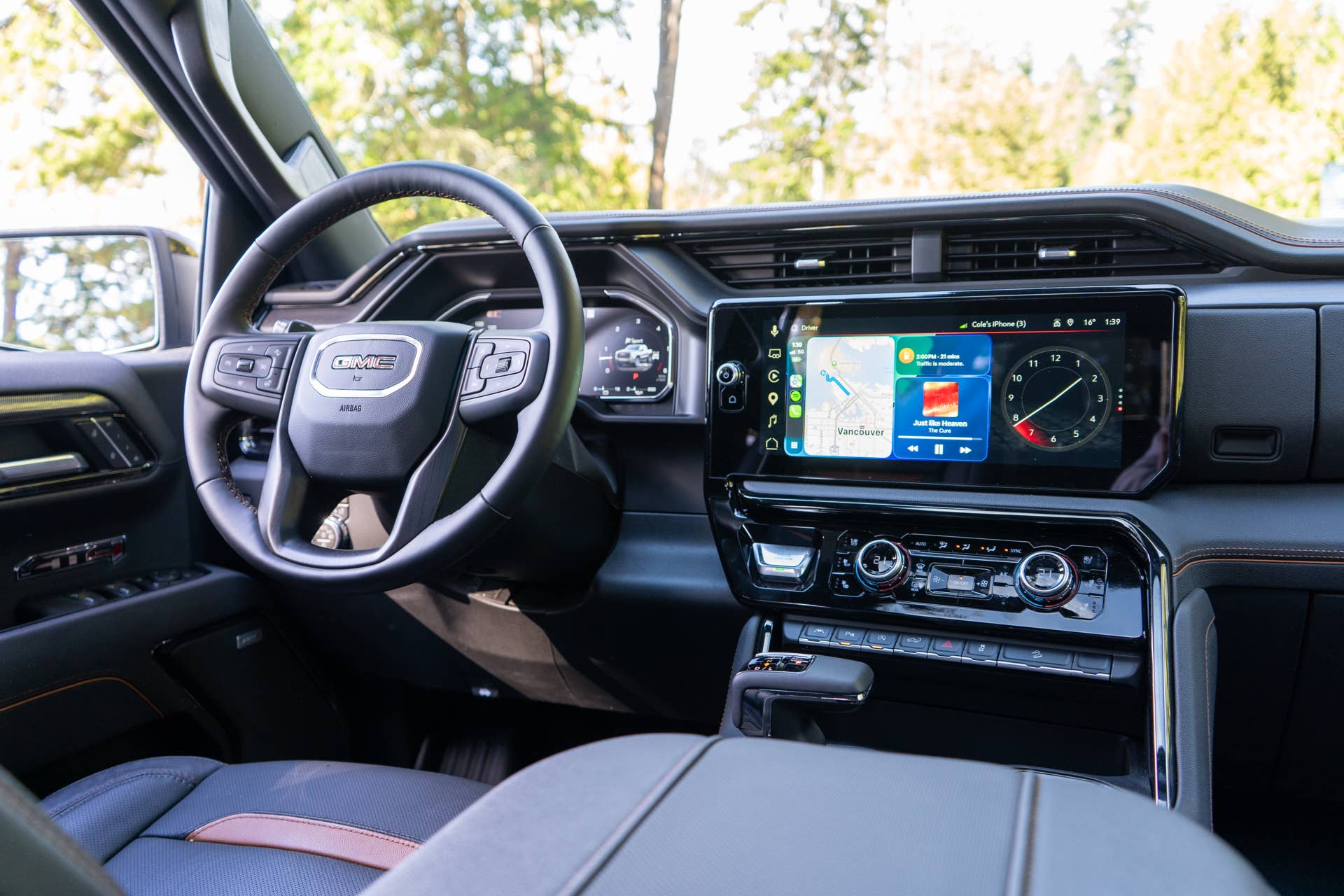
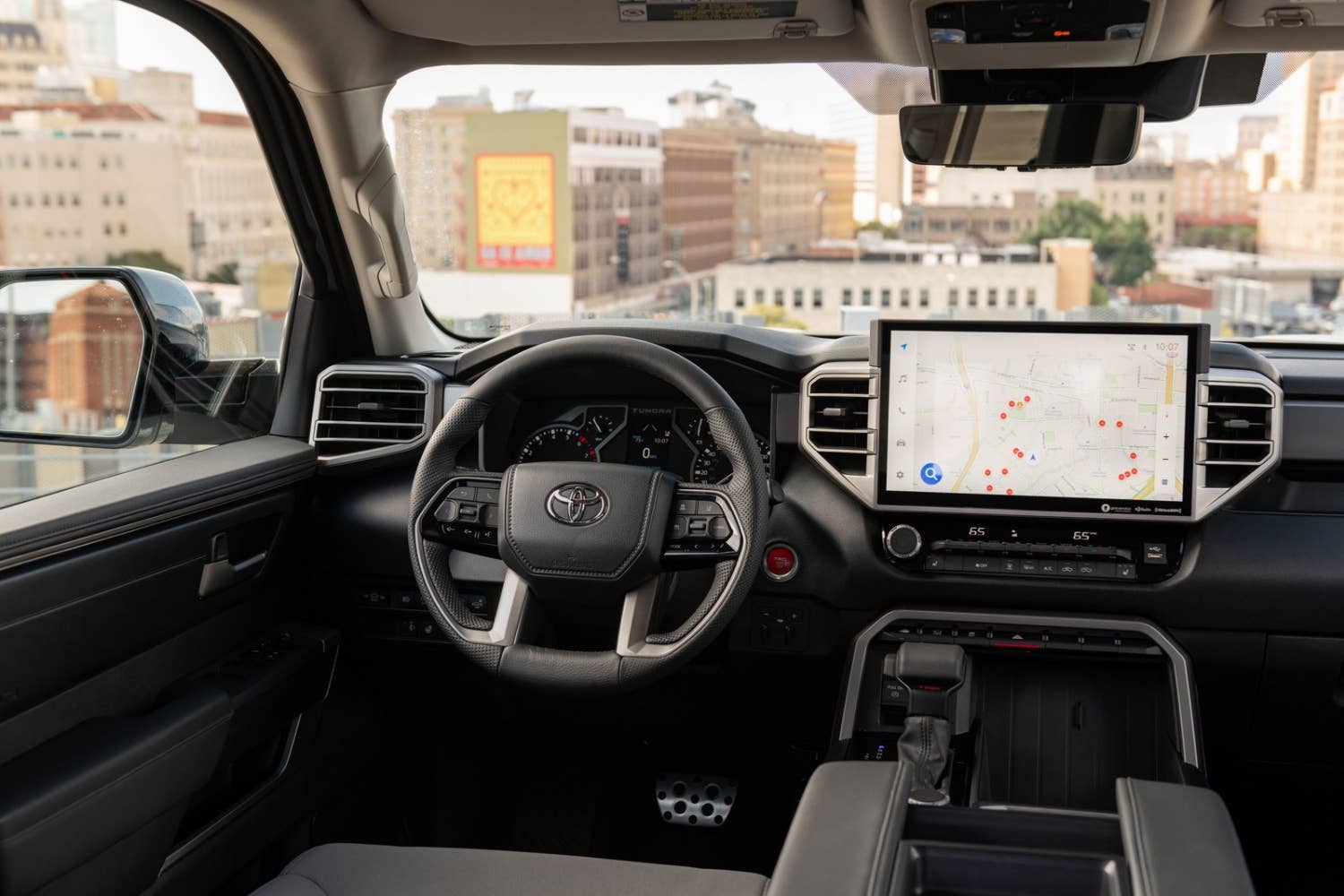
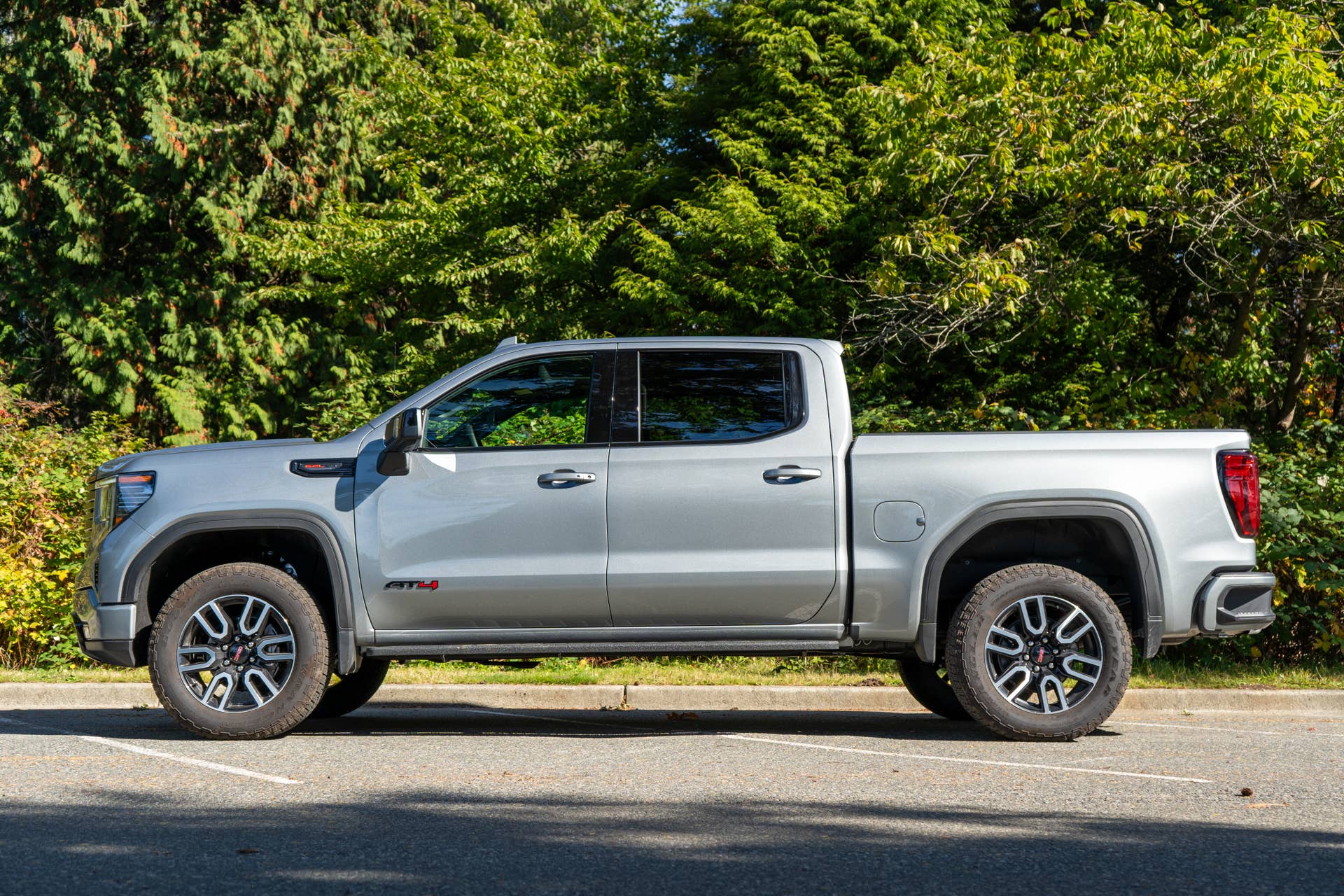
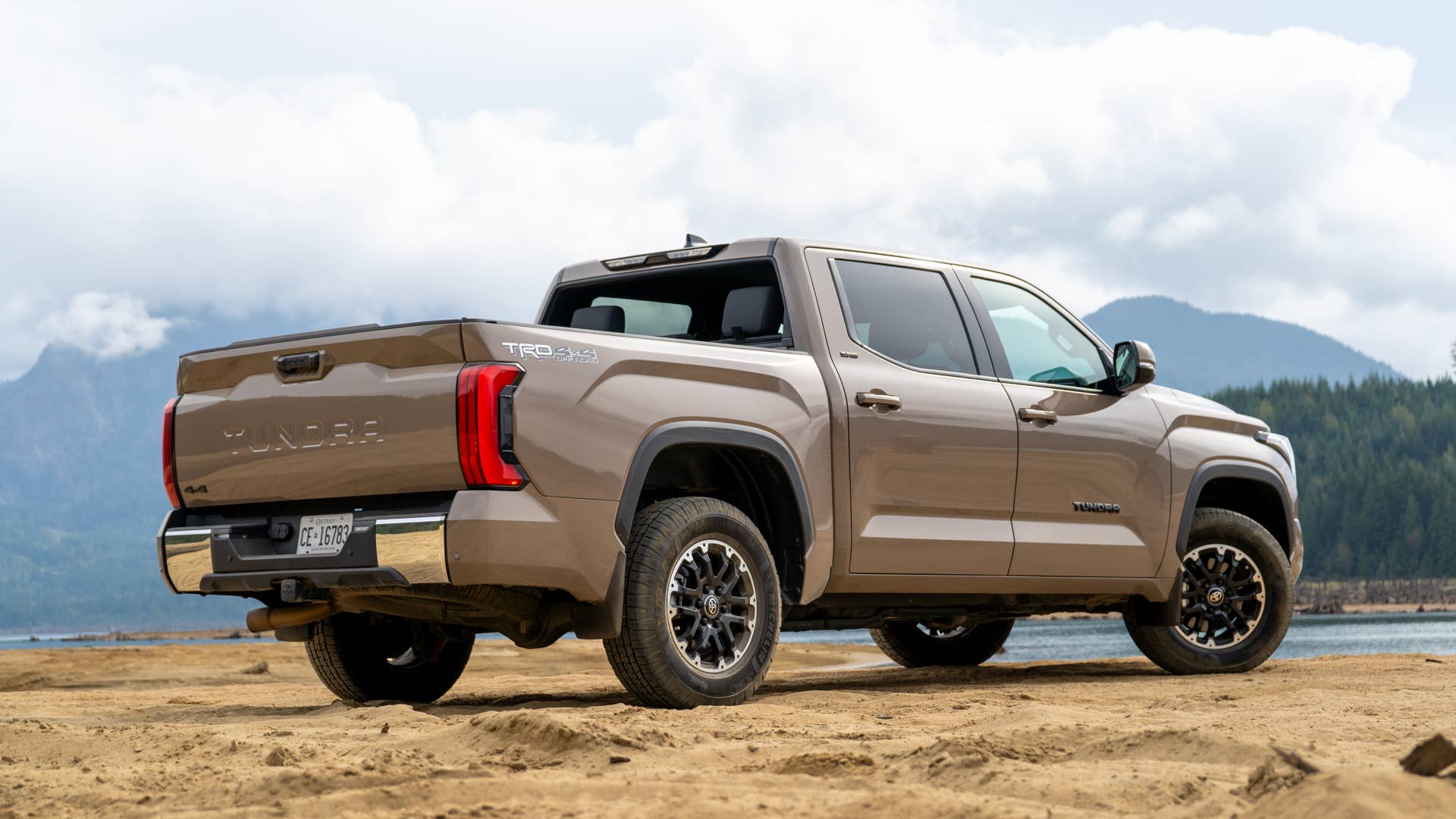
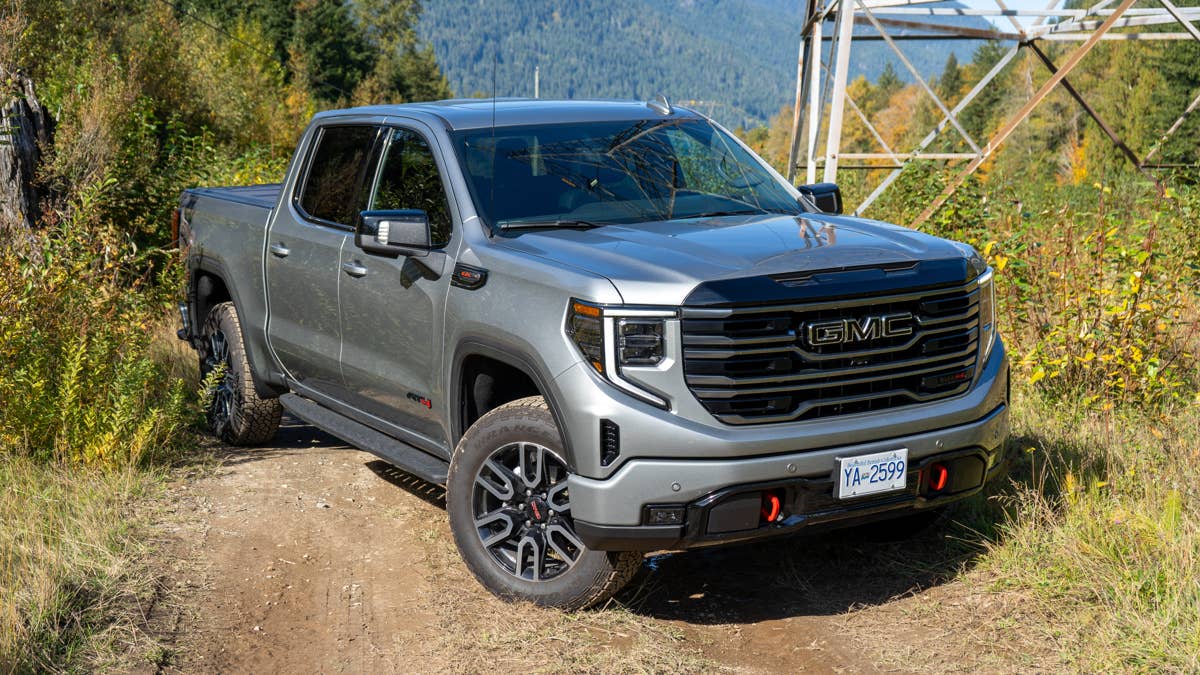
The Sierra’s lifted stance, red recovery hooks, and 20-inch wheels give it plenty of presence. The Tundra’s Mudbath paint and 18-inch TRD wheels suit its more straightforward specification. Open the doors, though, and the price difference becomes much clearer. GMC adds perforated leather and Kalahari accents, plus heated and ventilated front seats, a 13.4-inch touchscreen, and a 12.3-inch instrument display. The SR5-based Toyota has cloth, an eight-inch touchscreen, and a 4.2-inch information display between analog gauges. The off-road package hasn’t transformed the rest of its interior.
Shopping for a new car? Click here to get a great deal on your next vehicle. Powered by Carvana: no-haggle pricing, 100% online.
Toyota
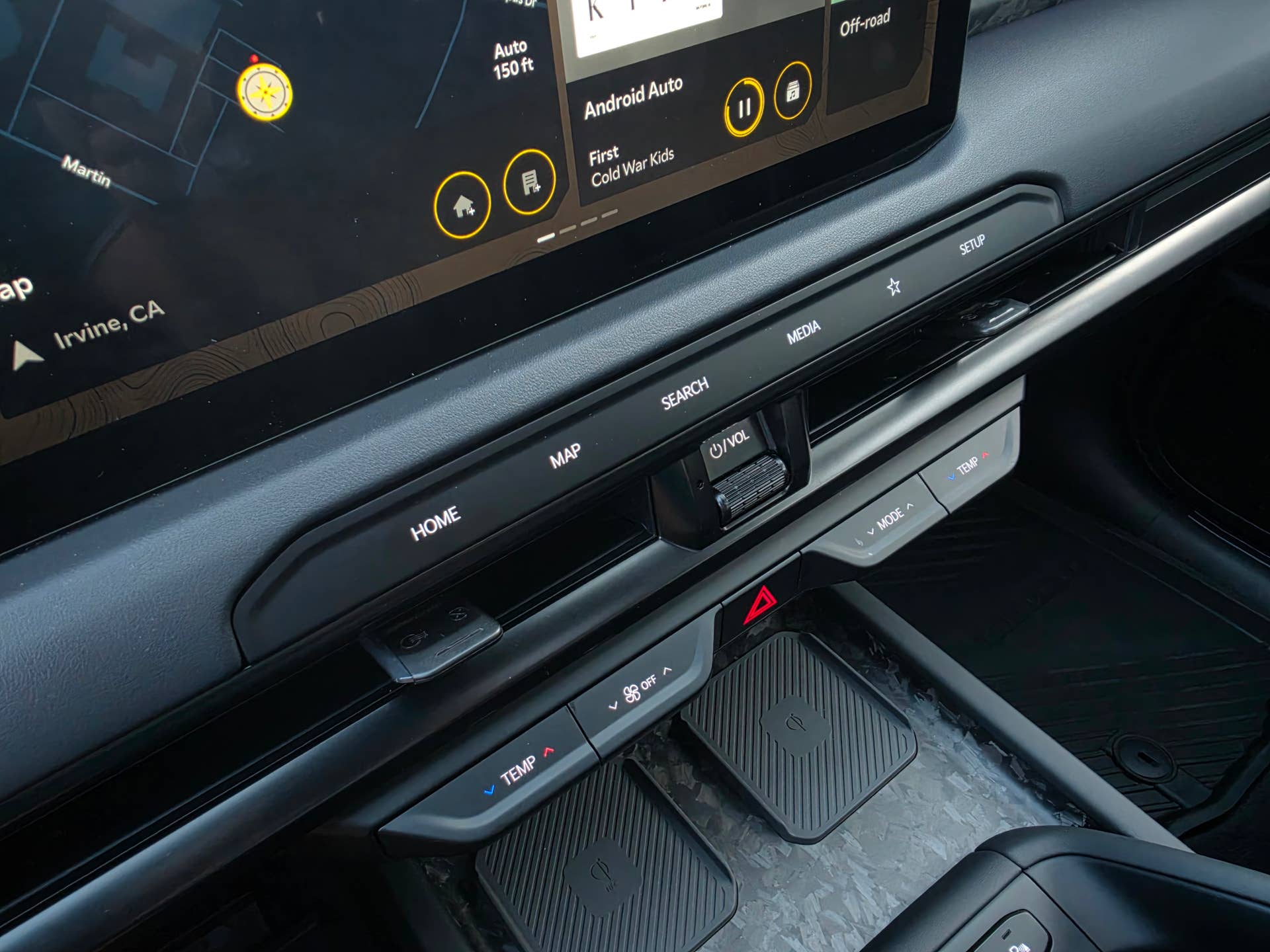
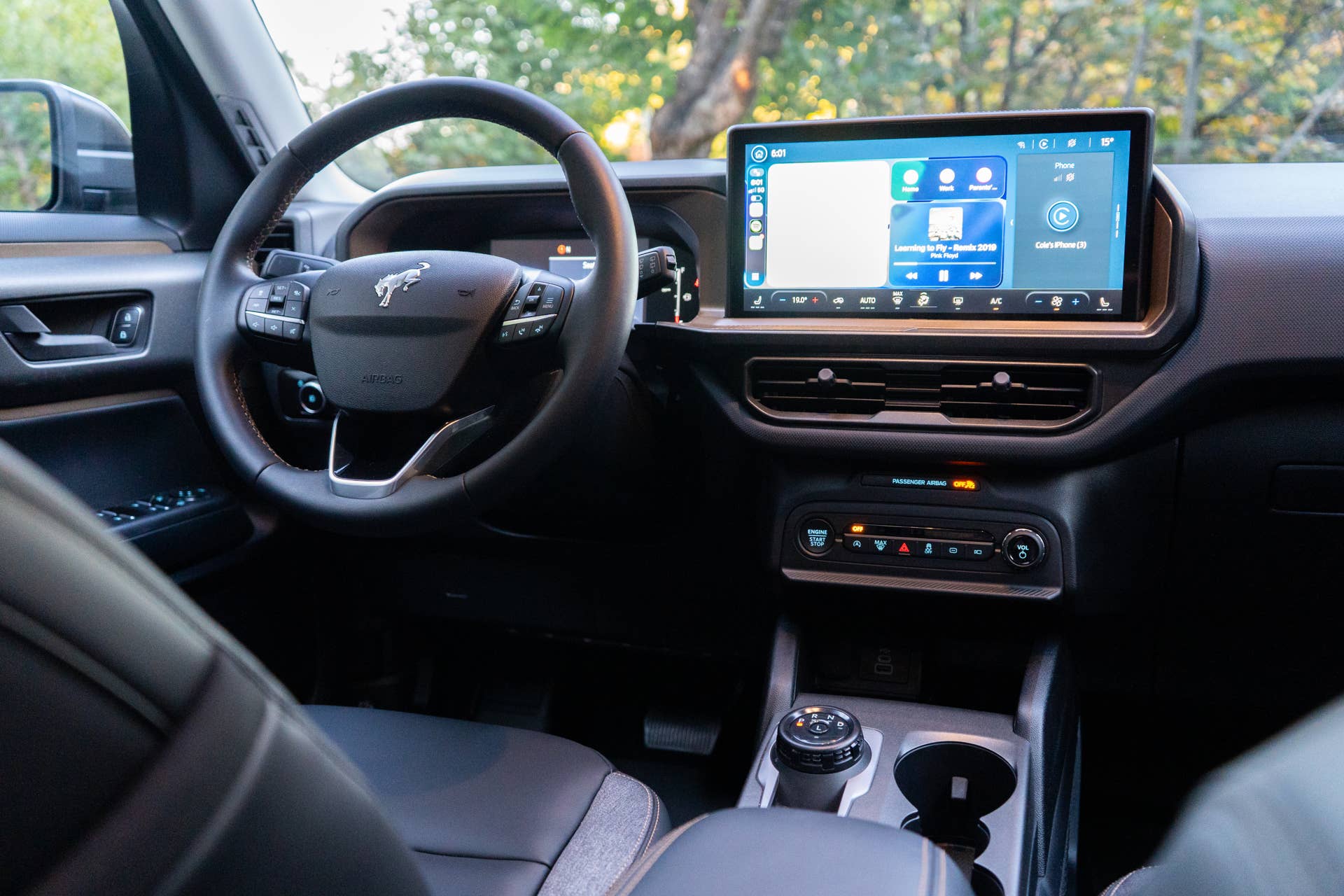
I found Toyota’s presentation a bit simpler, for better or worse, though both trucks retain useful physical controls and wireless Apple CarPlay. The Sierra’s richer surroundings don’t automatically settle the comfort question, either: its front cushions felt firm on longer drives, while the Toyota’s seats remained supportive. This is where I would revisit the Limited. Its larger displays and better upholstery bring the Toyota much closer to what I expect at this price. Buyers should also check individual options: my GMC’s head-up display and rear camera mirror were add-on technology, and its sliding rear window was additional equipment.
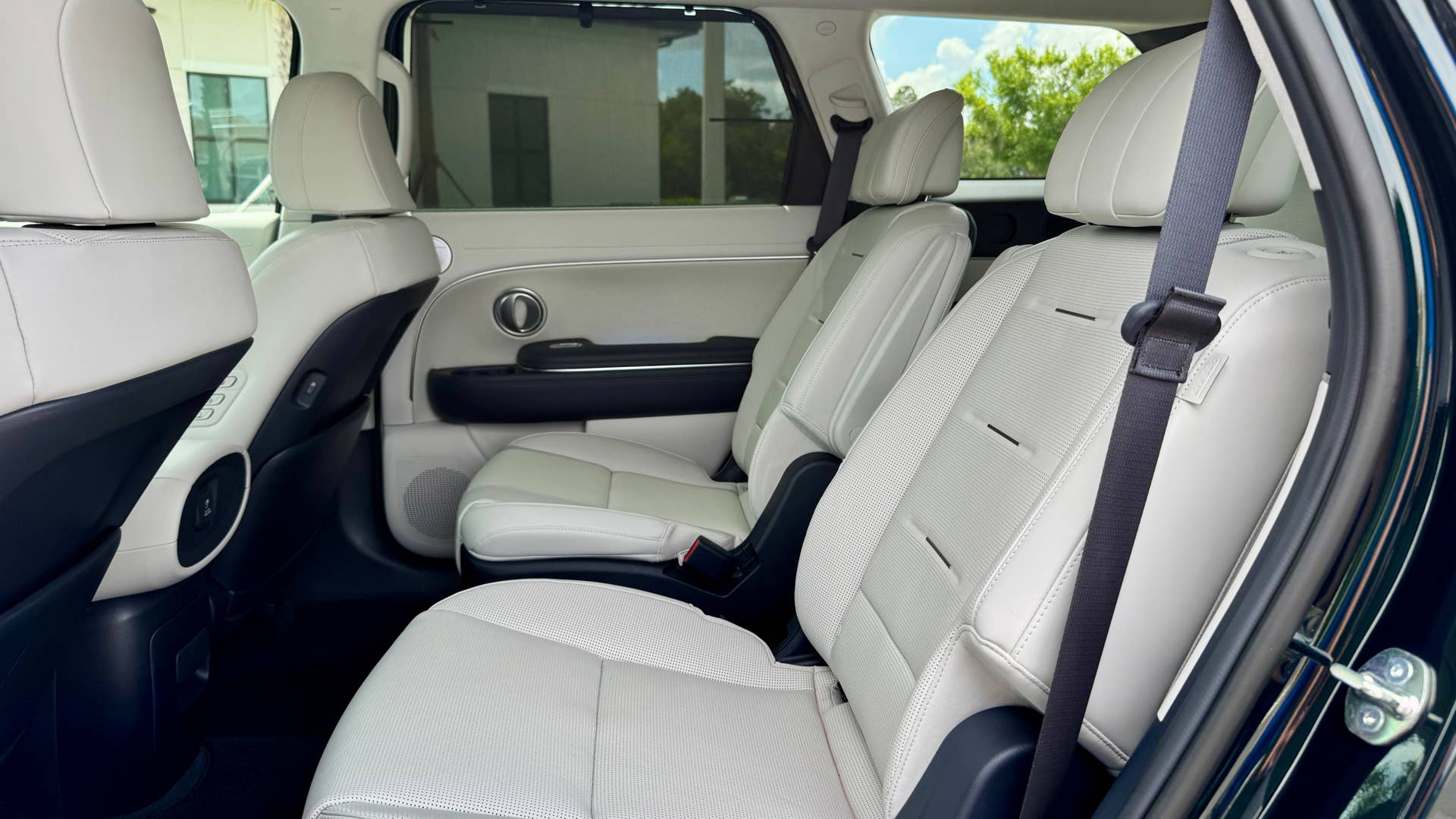
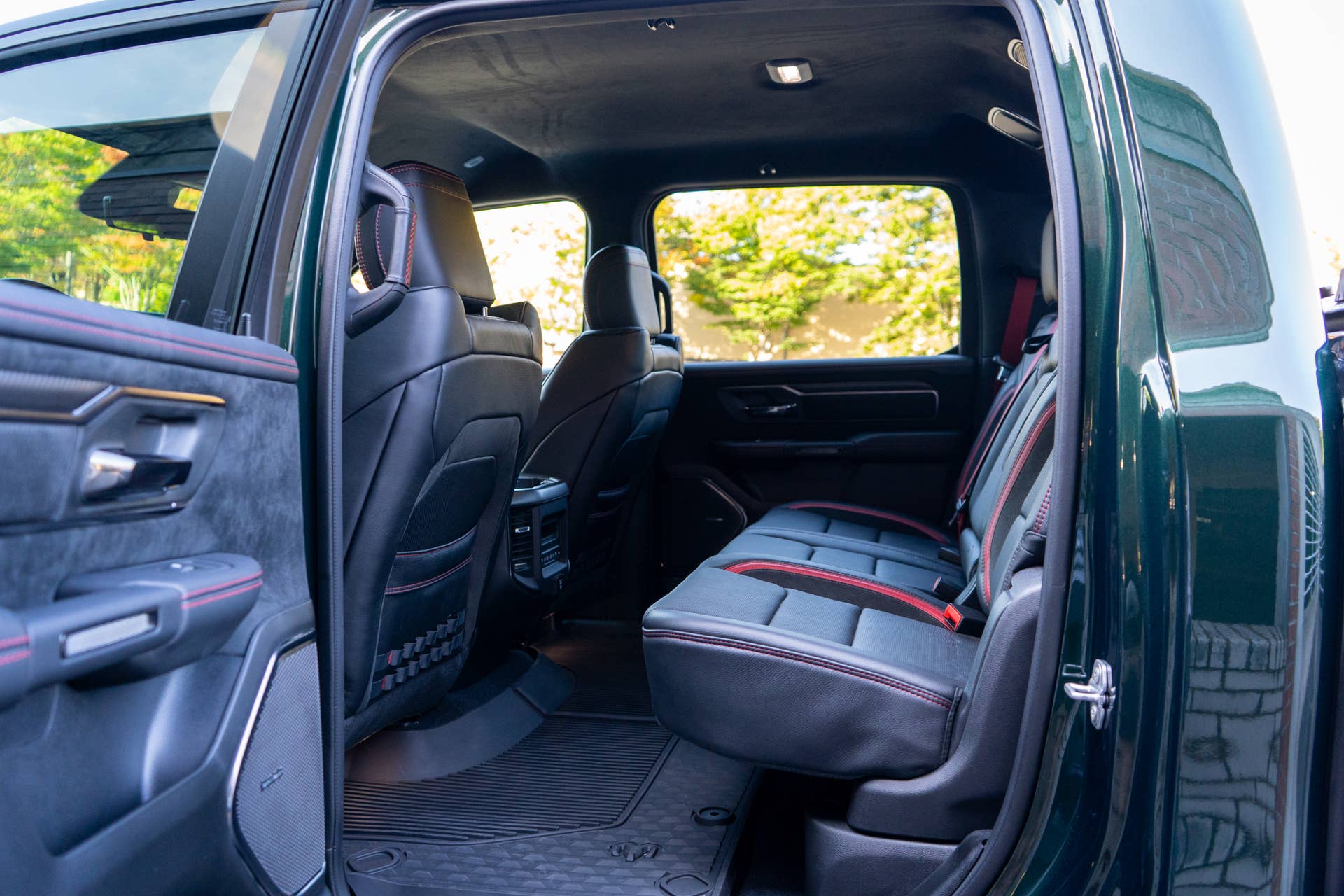
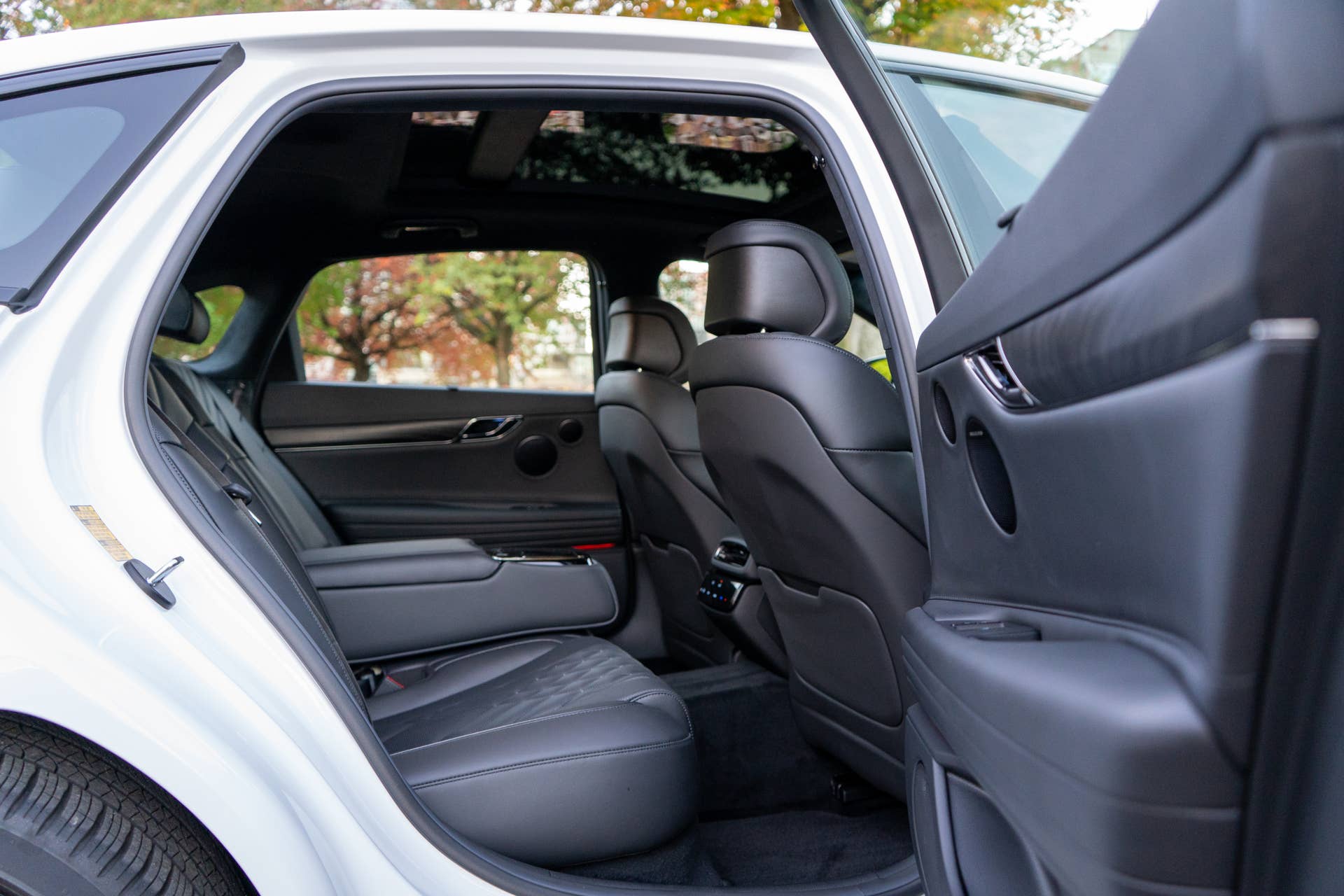
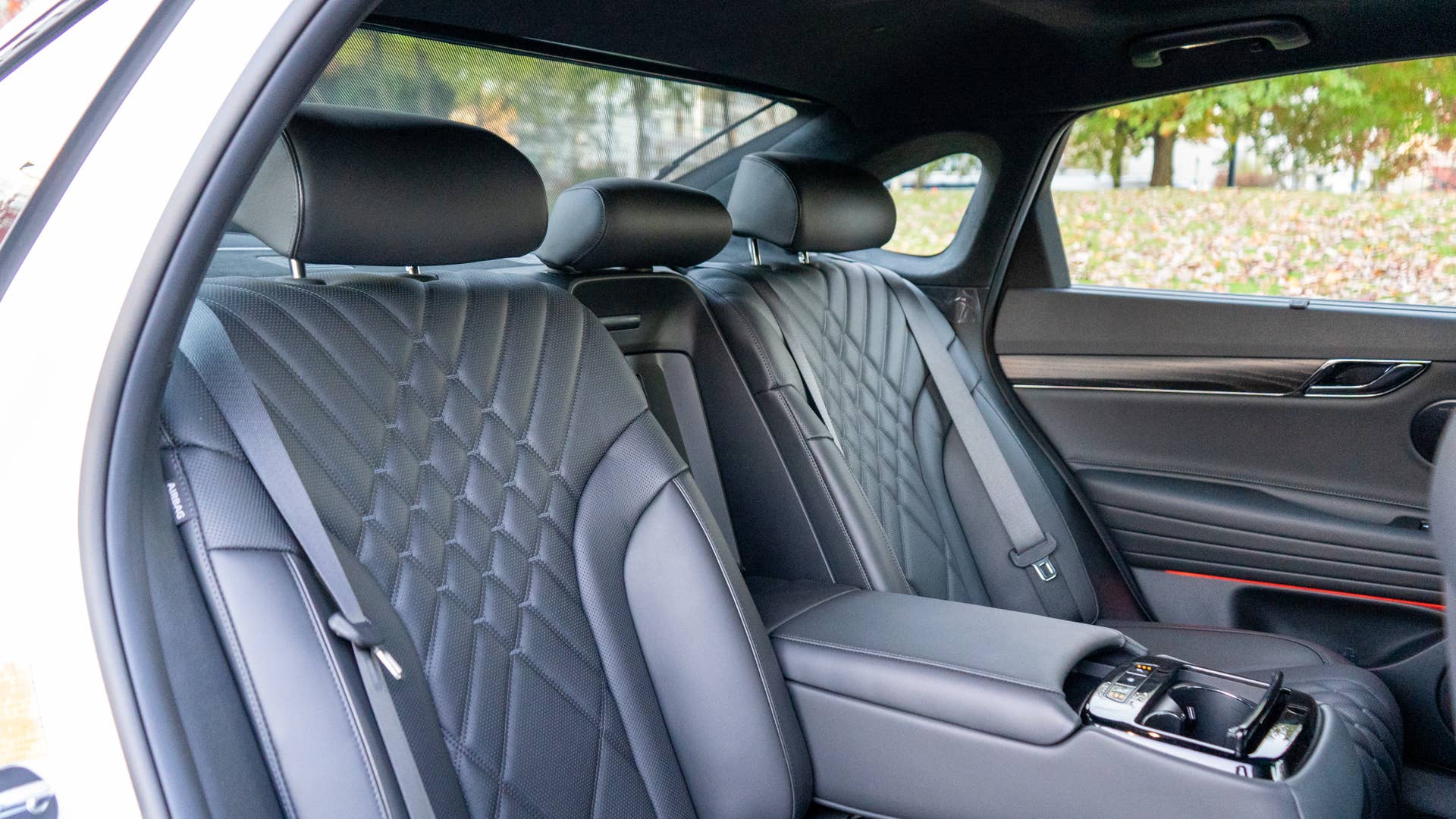
A Limited TRD also moves to 20-inch wheels, so it changes more than the dashboard and upholstery. I would drive that configuration before assuming it reproduces everything I liked about the 18-inch-wheel test truck. An appealing spec sheet still needs to suit you from behind the wheel. Toyota supplies an especially good alternative to that little sliding pane. The CrewMax’s entire rear window lowers electrically, opening the cabin in a way the GMC cannot match. I’d miss it after getting used to it. Both trucks offer plenty of passenger space, with rear legroom measuring 43.4 inches in the Sierra and 41.6 in the Tundra. GMC’s extra room is another worthwhile advantage if the rear bench regularly carries adults, rather than jackets and shopping bags.
Cole Attisha
The V8 earns its appeal on the road
Tested powertrain | Sierra AT4 | Tundra TRD Off-Road |
|---|---|---|
Engine | 6.2-liter naturally aspirated V8 | 3.4-liter twin-turbo V6 |
Power | 420 hp | 389 hp |
Torque | 460 lb-ft | 479 lb-ft |
Transmission | 10-speed automatic | 10-speed automatic |
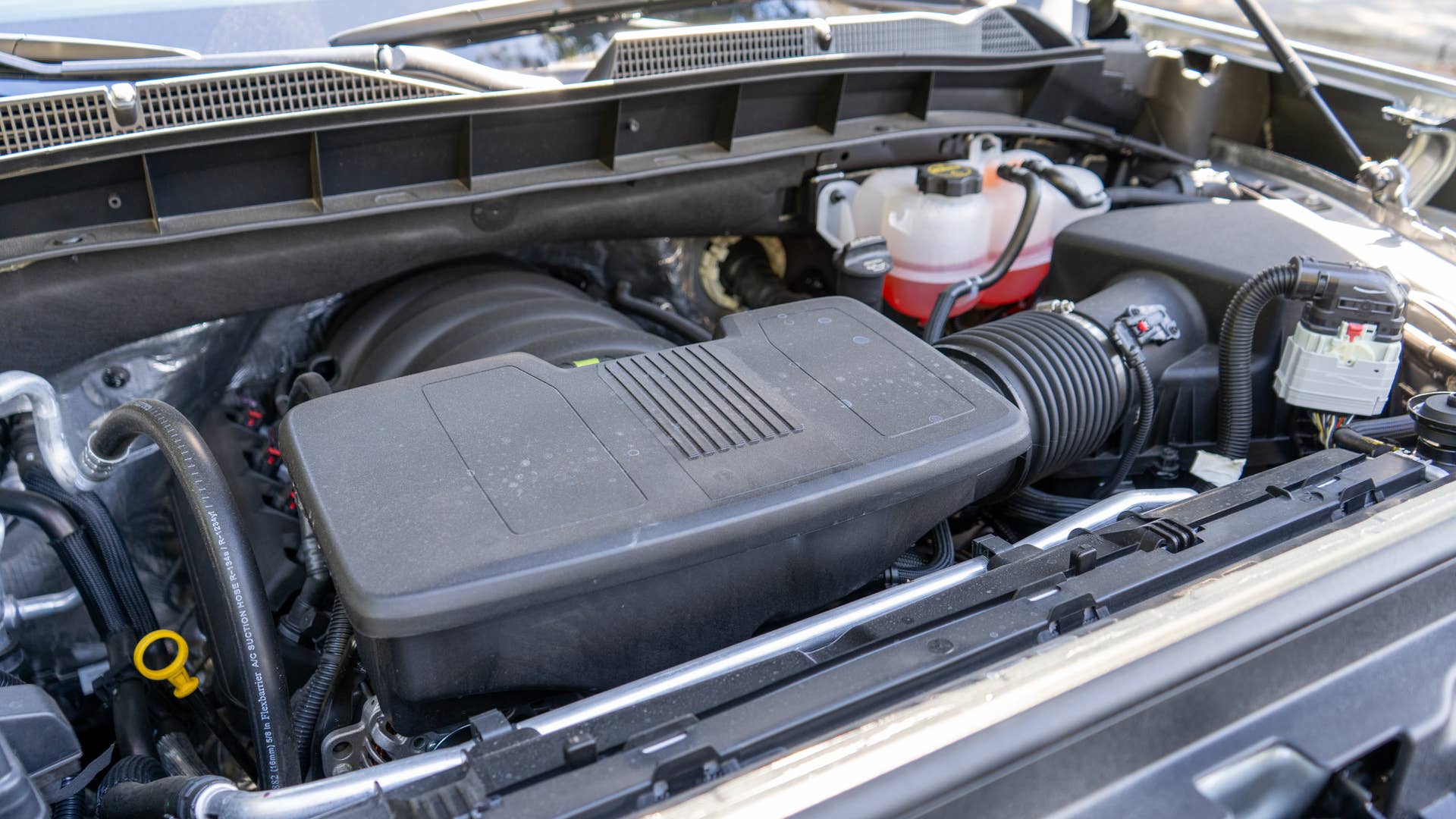
Toyota extracts more torque from a much smaller displacement. Its 479 lb-ft exceeds the GMC’s 460, although the delivery feels different. A hard acceleration request in the Tundra brought a pause for kickdown and boost before the shove arrived; the Sierra’s response felt more immediate. The GMC also delivered the soundtrack I wanted from a big pickup, helped by my truck’s optional exhaust. I chose the Sierra because I enjoyed driving it so much more, even though the Toyota could do the job for less.
The Toyota countered with a comfortable ride and light steering that made it feel manageable around town. Its coil-spring rear suspension handled imperfect pavement well. The Sierra felt composed through the Sea-to-Sky’s bends, but its size was harder to ignore in tight parking spaces. More engine didn’t translate into a meaningful difference in economy in these tests. I recorded about 15 U.S. mpg in the GMC and 14.7 in the Toyota, though they were driven on different routes and under different conditions. Neither result made the Tundra’s smaller engine an obvious financial consolation. Those impressions only apply to the engines driven. AT4 buyers can keep the standard diesel, while higher Tundra grades offer the 437-hp, 583-lb-ft i-FORCE MAX hybrid.
Cole Attisha
Similar ambitions, different useful hardware
Both trucks have credible equipment beneath the styling. The AT4 combines a two-inch lift, Rancho monotube shocks, skid plates, and an automatic locking rear differential. Toyota’s TRD package supplies Bilstein shocks, a selectable rear locker, terrain settings, and Crawl Control. GMC’s Autotrac transfer case also offers an Auto setting to adapt to changing traction conditions. Toyota’s part-time four-wheel drive requires the driver to select the appropriate range, and its rear locker operates in low range. The GMC’s automatic 4WD mode is a useful everyday distinction, separate from its automatically locking rear differential.
Cole Attisha
I used the Toyota’s off-road systems at Stave Lake in British Columbia, while the GMC tackled moderate terrain in Squamish Valley. Both handled their respective outings, but the different routes leave me without a fair basis for naming an ultimate trail winner. More specialized options exist when the trails demand them. The AT4X adds Multimatic dampers and front and rear electronic lockers; Toyota’s TRD Pro uses FOX shocks and hybrid power. Their prices reflect different suspension and traction hardware. Neither badge is necessary to get a rugged truck with a comfortable cabin.
Cole Attisha
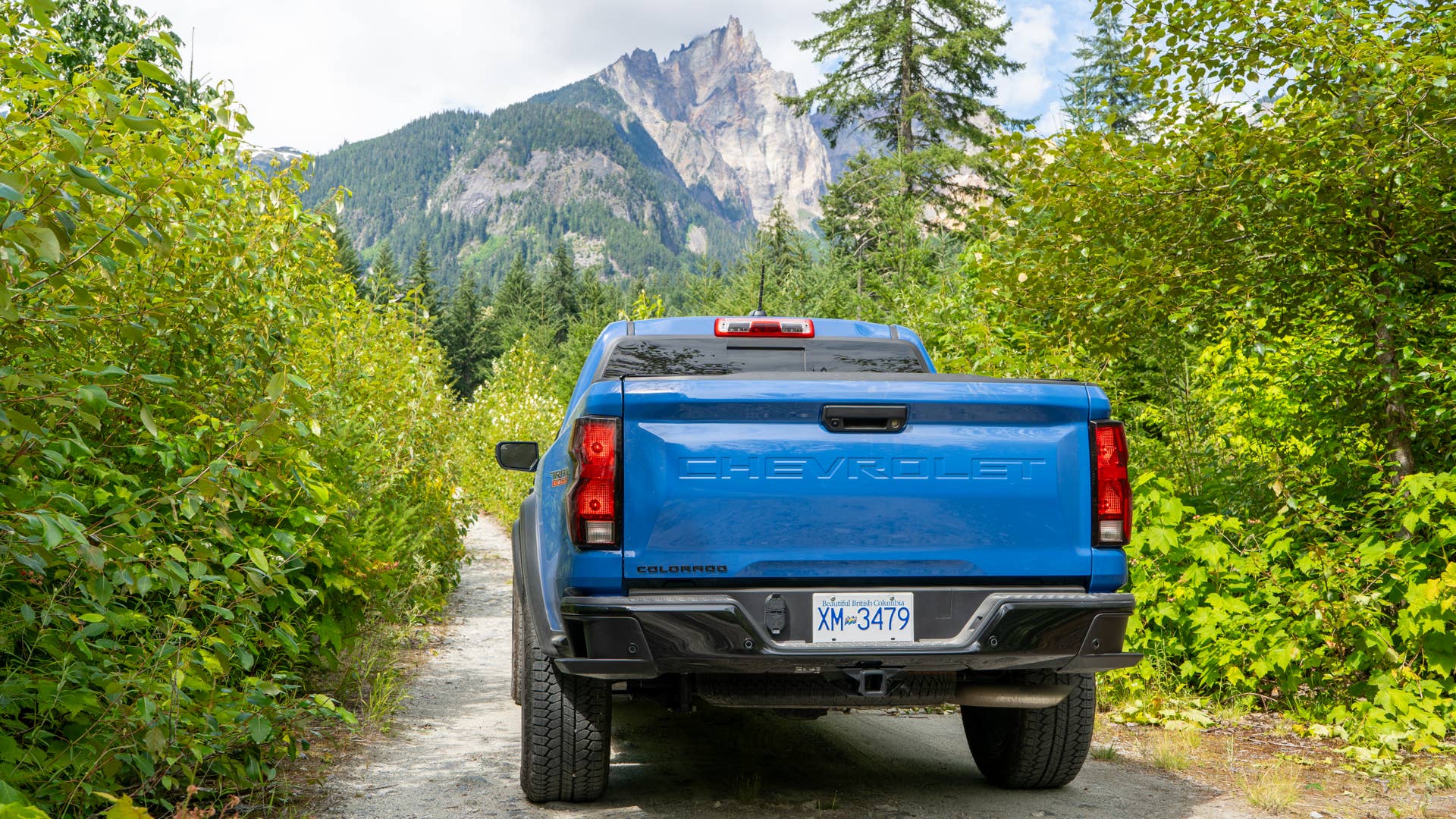
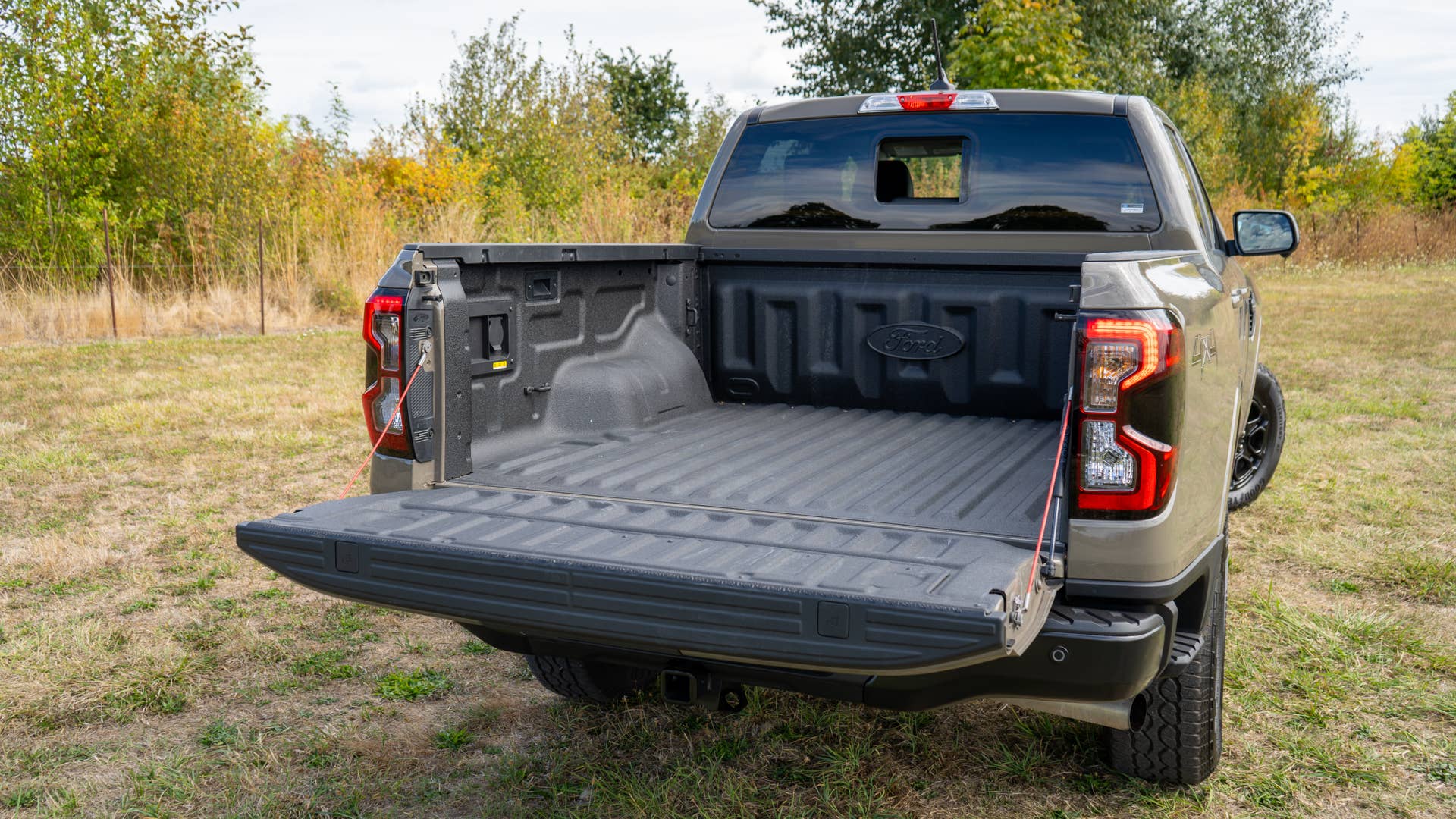
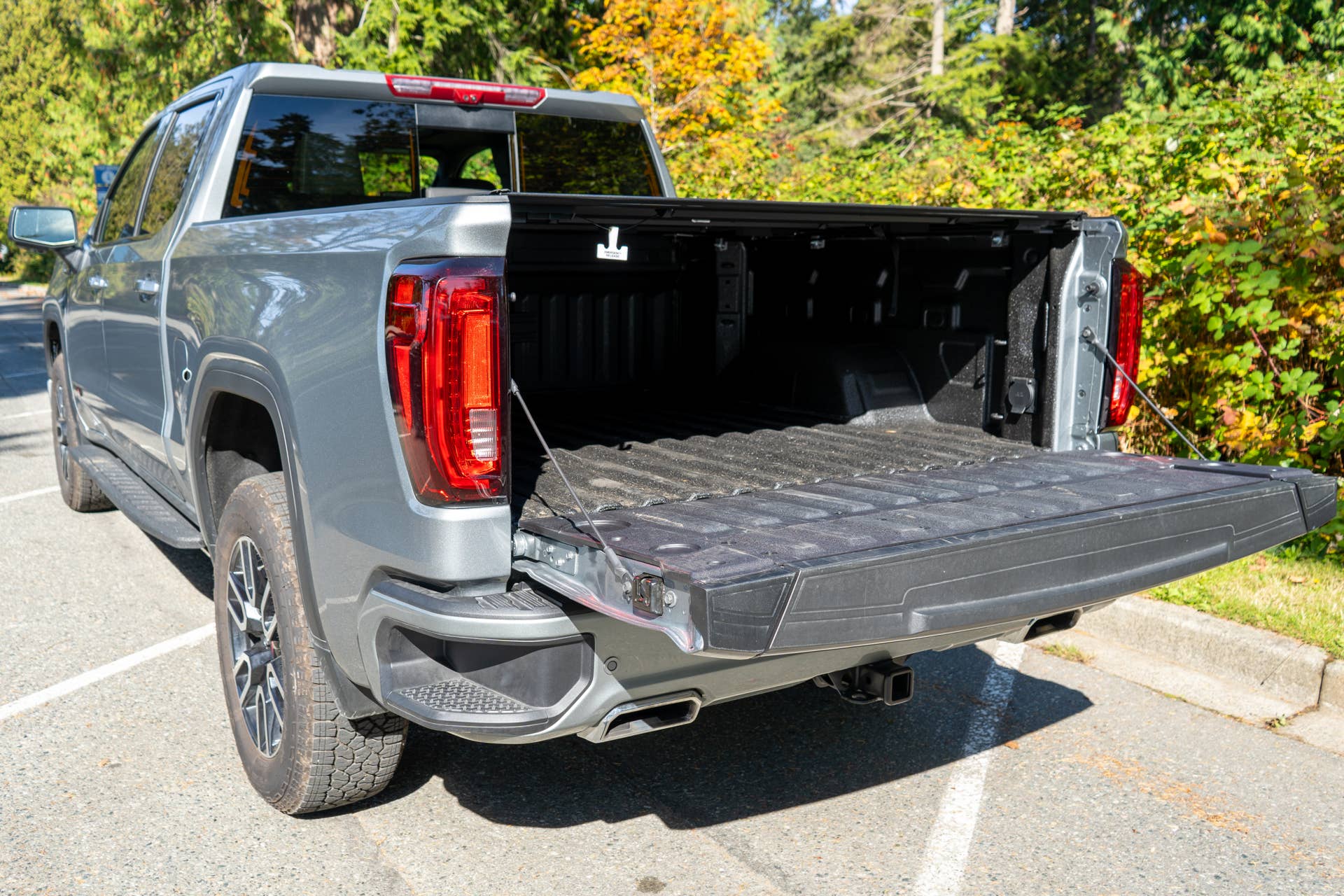
Around the back, GMC’s MultiPro tailgate gives the AT4 something Toyota cannot duplicate: several opening arrangements, including a load stop and a step into the bed. On a tall, lifted pickup, easier access matters. The Sierra’s short box offers 62.9 cubic feet, and Toyota uses an aluminum-reinforced composite bed. Towing gives the less expensive Toyota another argument. GMC advertises up to 9,000 pounds for the AT4, while Toyota rates the comparable short-bed CrewMax TRD Off-Road at roughly 11,000. The Sierra range’s 13,300-pound maximum belongs to a different configuration.
Bed volume and payload also answer different questions. A larger box gives you more space, while the payload rating limits the combined weight the truck can carry. A family, their luggage, and a trailer’s tongue weight can use that allowance before the bed looks particularly full. I did not tow with either. Buyers should check the specific truck’s trailer and payload ratings, allowing for occupants, cargo, and tongue weight; choosing an off-road version can change what remains available for work.
Cole Attisha
What I would actually pay for
Between the trucks I drove, I would choose the V8 Sierra. Its engine delivered enough enjoyment to make the indulgence feel worthwhile, and the cabin gave me more to appreciate between uses. I would be more selective about the options, though. The engine, useful cameras, and practical bed equipment deserve priority over additions that mainly dress up the truck.
The Toyota becomes much harder to dismiss when I price a Limited TRD Off-Road. Around $8,800 separates the illustrated configurations before destination and further options, with the Toyota now supplying several comforts missing from my SR5-based tester. That leaves a more honest buying decision. Someone content with cloth and smaller screens can save considerably more with the SR5, while someone who wants comfort alongside trail capability should compare the Limited before deciding whether the GMC is worth the stretch.
Autoblog aims to feature only the best products and services. If you buy something via one of our links, we may earn a commission.