
2026 Dodge Charger SIXPACK vs. EV: Which Powertrain is Best?

When the V8-powered Dodge Charger was discontinued in 2023, there was an expected uproar among muscle car enthusiasts. Though that wasn’t the first time the famed muscle car had been on the guillotine. The first time was in 1978; then it was brought back in 1983, only to be discontinued again in 1987; then it was brought back in 1988; then shafted again in 2005, where it stayed a staple until 2023 (at least the V8-powered one; Stellantis made sure to mention an EV was coming). I started to think the Charger name was cursed. 
Kristen Brown

View the 2 images of this gallery on the original article

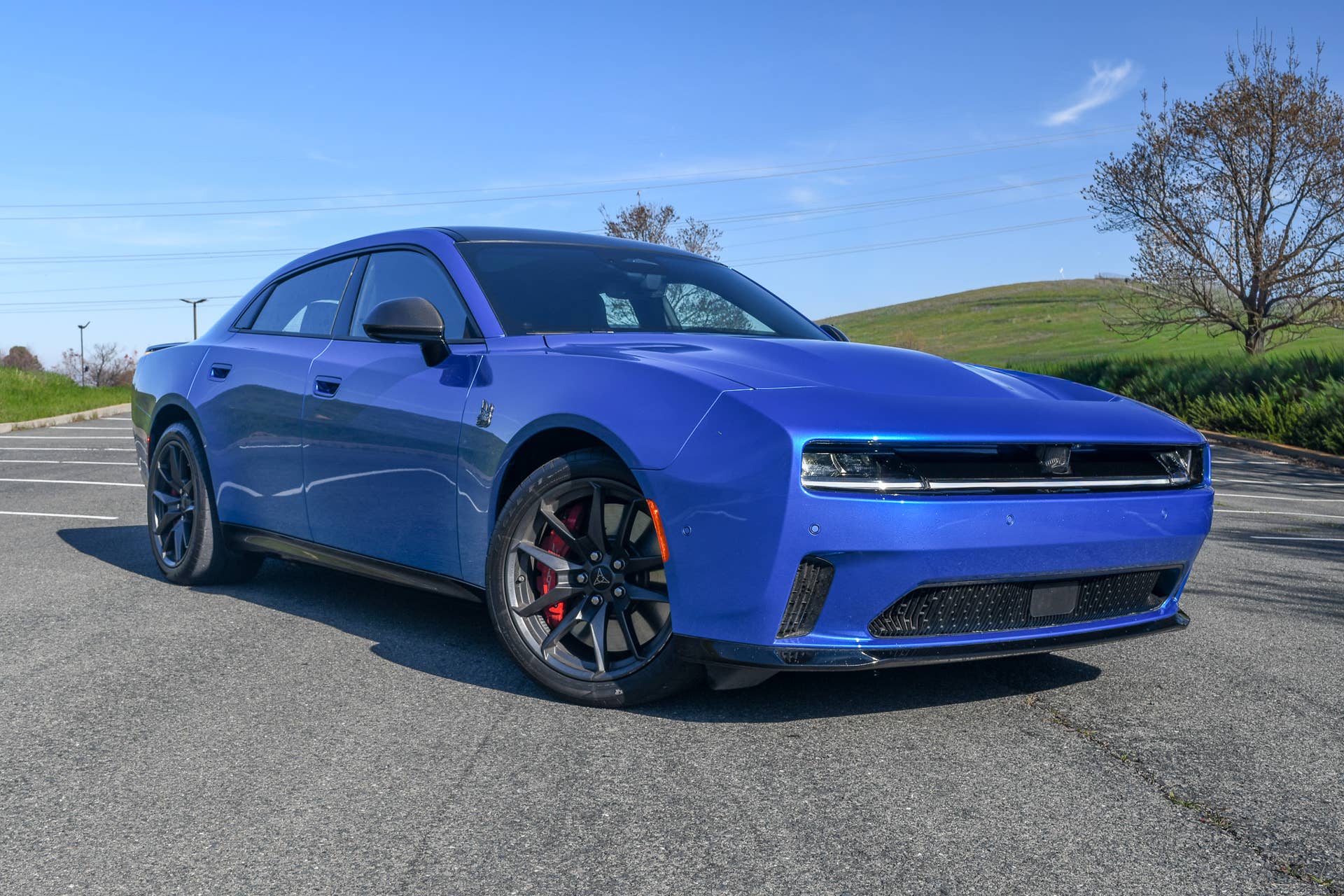
The silk curtain was drawn back from the first all-electric Dodge Charger just one year later, and naturally, it came with mixed reactions. Mostly bad ones, even though it came with all-wheel drive, up to 630 horsepower as the Scat Pack variant (469 as the R/T), and four- or two-door configurations. Dodge was careful to maintain the classic Charger looks; it’s bigger than previous generations, and it came with some seriously impressive track-ready software. The gas-only Hurricane-powered version came shortly after, thanks to some heated demands from Mopar lovers. Now that I’ve driven both, I can say one is most certainly better than the other. But it’s not the one you’re probably thinking of. 

Related: Road Ethos Launches: The New Automotive Lifestyle Site You Should Read

First, let’s break down the EV details

The all-electric Dodge Charger gets so much more hate than I think is deserved. If anything, it suffers from the same criticism the Mustang Mach-E did. While the Dodge Charger EV isn’t an EV SUV that borrows the name of an iconic pony car, it does disconnect incredibly far from the moniker’s legacy in terms of propulsion. The Charger saw a few V6s throughout the years, but the Charger was well-known for its ridiculously high-output HEMI V8s. So, taking out the guzzling, loud and proud V8 and replacing it with two electric motors felt sacrilegious to many. 
Kristen Brown/Autoblog

With that in mind, I do feel like, once you look past the heritage of the Charger name, the EV version has a hell of a lot to offer. I reviewed the Daytona Scat Pack model, which is the highest tier you can go. For $70,345, here’s what you get over the gas-only model: 

  • Horsepower Aplenty: The standard EV charger, the R/T, makes 496 horsepower and 404 lb-ft of torque, while the Daytona Scat Pack makes 630 horsepower and 627 lb-ft of torque. If you use the PowerShot button, you get a temporary boost of 40 horsepower, bringing the total to 670. But only for a short period.
  • Track-Ready Drive Modes: The all-electric Daytona Scat Pack comes with two noteworthy modes: Donut and Drift Mode. They do exactly what you think they do. Either mode moves the motors’ torque where it needs to be in order to achieve either driving stunt. I didn’t test these modes, but I’ve seen videos, and it looks amazing. The gas-only version doesn’t have these modes, but you can essentially disable the front axle to make it RWD if you wanted to. 
  • Usable Driving Range: The Daytona Scat Pack I reviewed had a maximum range of 241 miles. Notably less if you fit it with the factory summer tires.
  • Fast Charging: It’s optimized for DC fast charging up to 183 kW, going from 20% to 80% in about 27 minutes. It comes with a CCS port, but you can get an NACS adapter from Dodge if needed.
  • Frunk Space (For a Price): The Charger is already built with impressive cargo figures, but the EV comes with a frunk instead of an engine. It adds 1.5 cubic feet of space, but you need the Plus Group package to get it, which costs $4,995.
  • Smoother Driving: The gas-only model has an automatic 8-speed transmission, which I found to be incredibly harsh when shifting, and it felt very clumsy. The EV’s one-speed “transmission” was smooth and effortless, no matter how you drive it.
  • It’s Cheaper to Refuel: Only if you can charge from home, but it’s still worth mentioning. Study after study shows that charging at home only costs about $0.04 to $0.06 per mile (or $35 to $61 per month), while gas cars cost between $0.10 to $0.15 per mile (or $120 to $180 per month). If you have to rely on public charging, that cost per mile for EVs jumps significantly, making it just as expensive or more than gas, depending on the EV, which charging company you’re using, how often you’re charging, and even when you’re charging. 

What’s so different about the gas-only model?

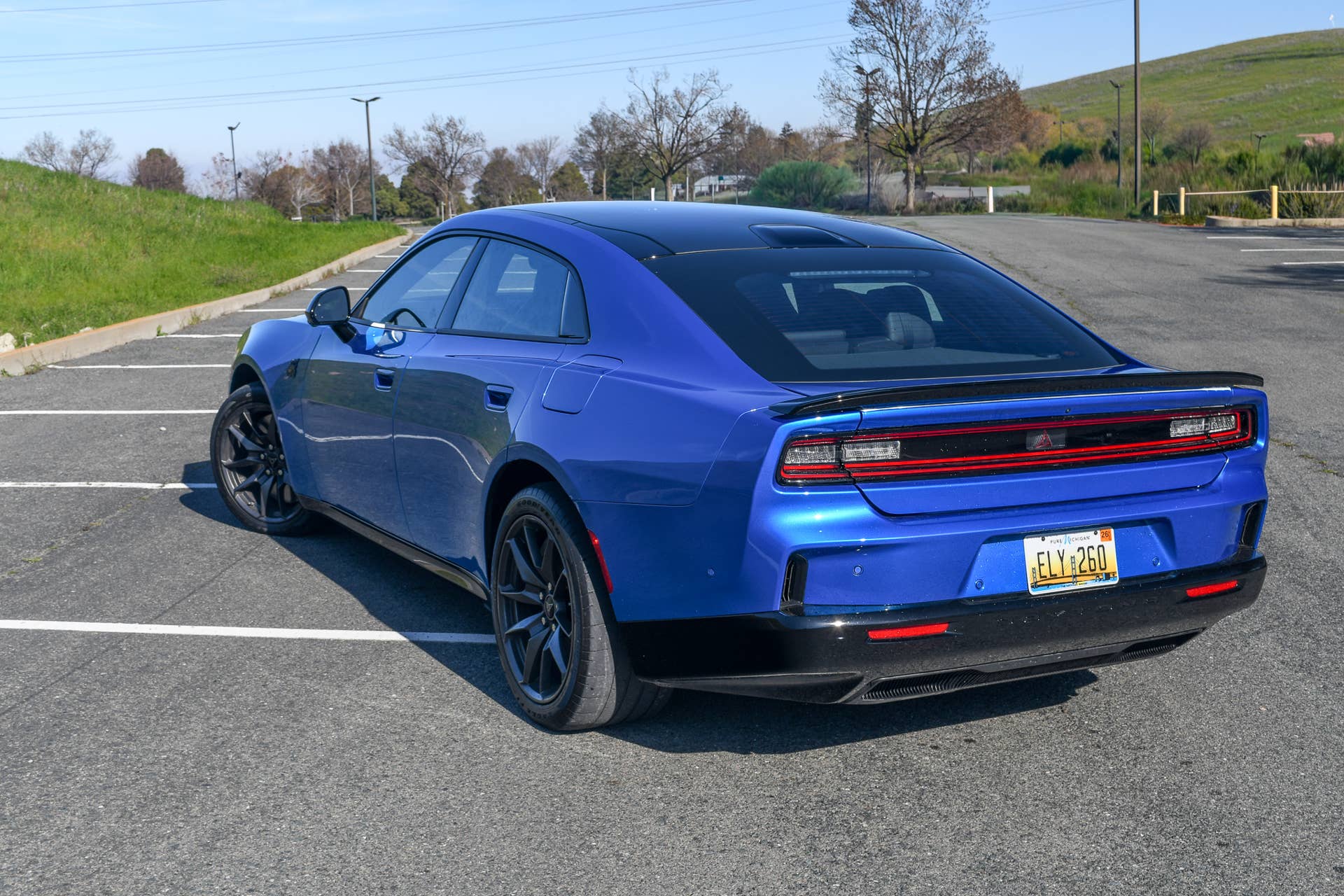
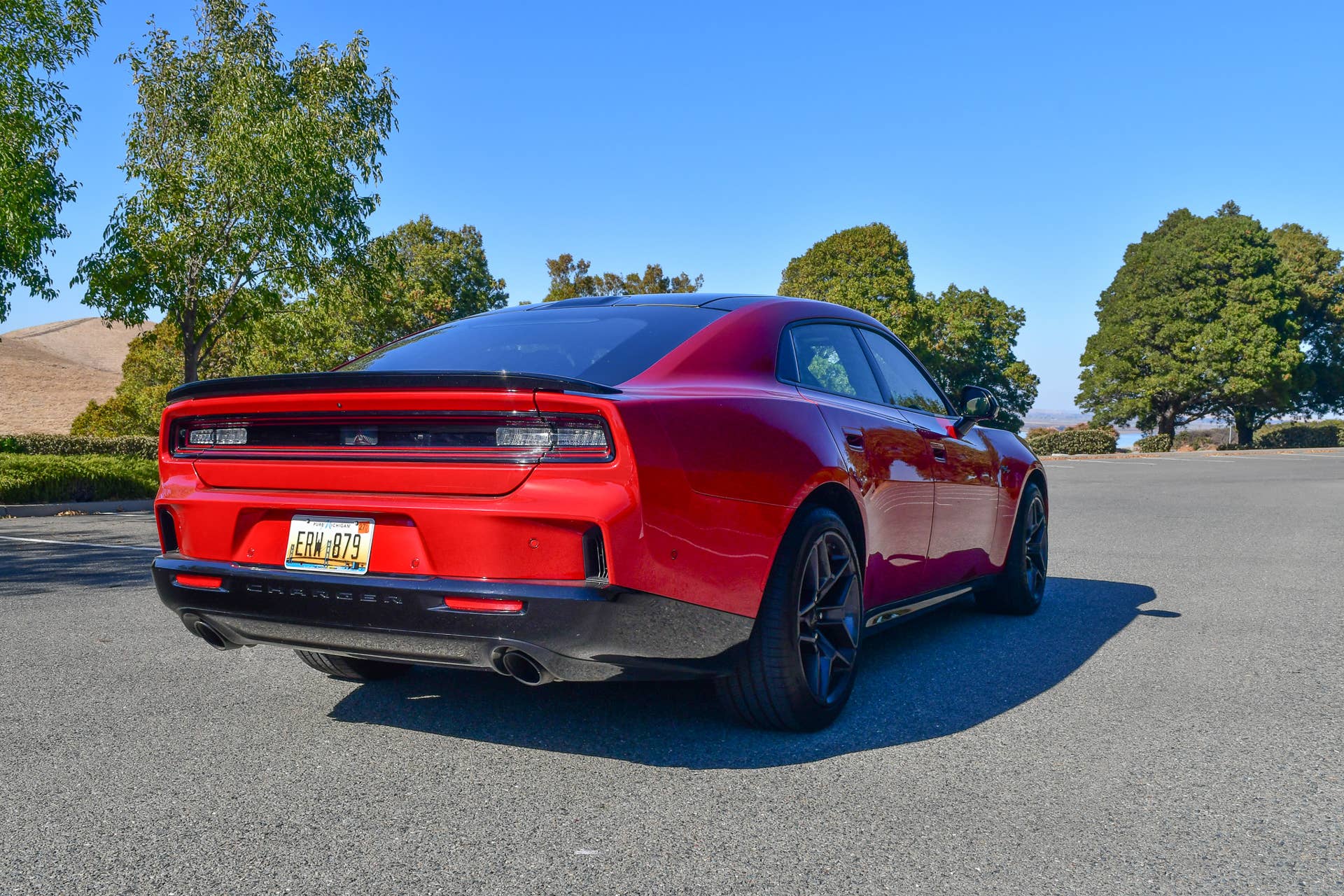
The Dodge Charger, regardless of what it’s powered by, shares the same looks, the same touchscreen, the same software, the same rear legroom dimensions, and the same interior amenities. They’re even similarly priced. But there are a few notable differences between the SIXPACK and the Daytona Scat Pack EV. 
Kristen Brown

For $67,160 (just $3,185 less than the top-tier EV), this is what you can expect over the electrified version:

  • Pony Variation: Like the EV version, there are two ways to slice the Hurricane twin-turbo inline 6: The SO, which stands for “Standard Output,” offers 420 horsepower and 468 lb-ft of torque. The HO, or “High Output” option, boosts the horsepower to 550 horsepower and 531 lb-ft of torque.
  • You Can Go Farther: Dodge’s website claims that the gas-only maximum range on a full tank is close to 500 miles if you’re doing mostly highway driving, as the average MPGs in that case are around 26. I’m not sure I believe that, as most of my driving was on the highway, and the range I saw was 322 miles. Which is still further than the EV.
  • Natural Sound: The Daytona Scat Pack EV has a fake exhaust that you can hear looping if you listen close enough. It’s a fun feature that adds personality, and you can adjust the loudness (or even turn it off completely) if you want to, but you can’t beat the natural roar from a thirsty, roarin’ gas-only engine. 
  • Better Track Behavior: I’ve seen a few reviewers drive both on the track, and while the EV has a faster, smoother transition from zero to sixty, the added weight of the battery certainly changes the dynamics. The gas-only version is lighter, so it’s more maneuverable and easier to control. 
  • The Gas-Only Version is Cheaper: There are a lot of trims to choose from, because you can opt for either two- or four-door configurations. The two-door R/T version starts at $49,995 and tops out at $59,990 for the Scat Pack. That’s a lot less than the EV, which starts at $59,995 and maxes out at $64,990. Though, as we’ve seen, the price can be over $70,000 depending on packages and add-ons. 

Related: 2026 Dodge Charger EV: Is it More Than Just a Gimmick?

What do they have in common?

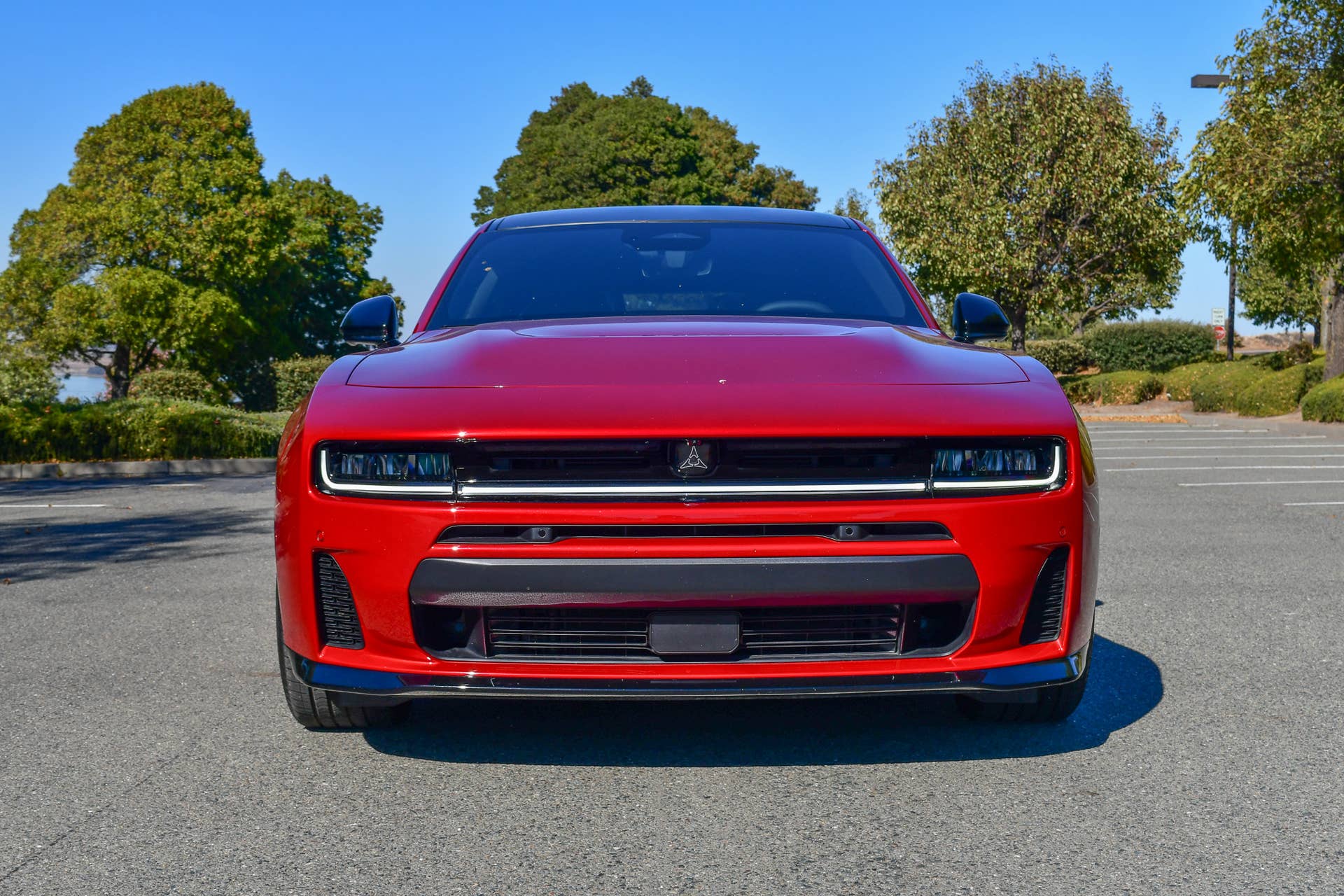
I’ve said it a few times by now, but they share literally everything save for the propulsion method and price. Both are roomy, large, and surprisingly practical. The trunk of the EV version surprised me and my mother-in-law, when both of us were able to fit our Costco hauls in the trunk. Because the wheelbase is long and it has a rear hatch door, there’s tons of space at your disposal. The rear seats are comfortable; it was easy to get my daughters’ car seats into either model, and there was plenty of legroom for adults with rear-facing A/C vents, USB-C charging ports, and cupholders for everyone. Both my husband and I were shocked by how much practicality was packed into a muscle car’s body.
Kristen Brown

And they’re both so much fun. My daughters enjoyed both, though I’d say the gas-only version was their favorite because it came in the Redeye color instead of the Bludicrous color. They also liked how loud the gas-only version was compared to the EV. Both have very easy-to-use software and interior controls. They’re essentially dummy-proof. I enjoyed both thoroughly.

With that, I’d pick the EV—because it’s more reliable

Listen—I was just as shocked to learn that I’d pick the EV over the gas-only version, but I have a few reasons. First being the fact that EVs are more reliable. Their systems are relatively simple compared to today’s gas engines, and I have a personal beef with whoever decided to not put an engine oil dipstick in the new Charger. Here’s why:

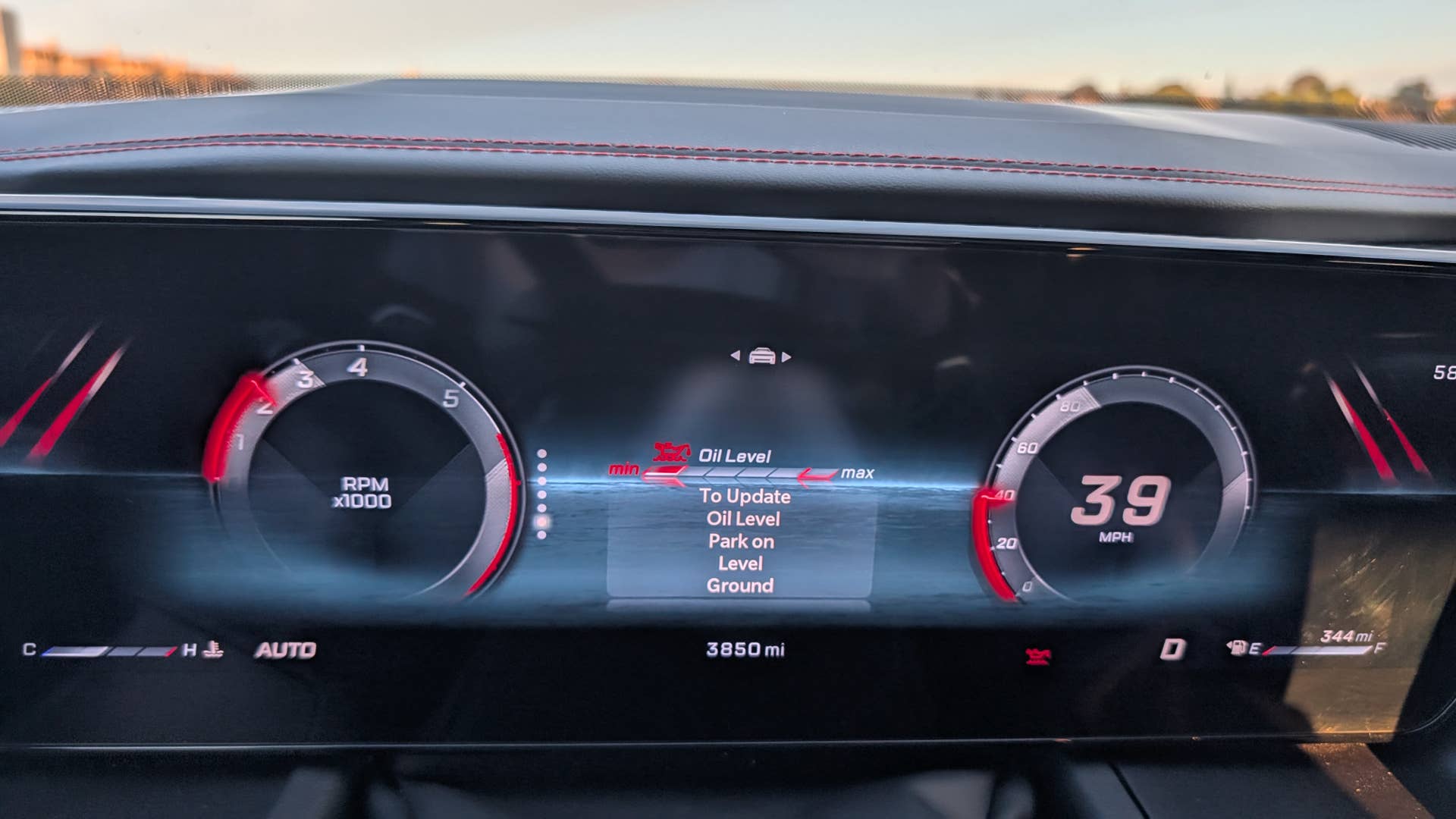
The day after it was delivered to me, I decided to drive it to the gym. As it rumbled to a start, I got an alert on the dashboard that read, “ENGINE OIL LOW. ADD 1 QT SOON.” I had to dismiss the message, and then a light was permanently illuminated on the dash. I decided not to drive it to the gym, for fear I’d do harm to the engine. I asked my husband, who’s an ASE Certified Advanced Level Specialist and a Subaru Certified Master Technician, and asked him about it. His first words were, “It probably doesn’t have a dipstick. I’d call the fleet company.” So, I did. They sent someone out, who verified there wasn’t a dipstick to check and had to go through the computer. The computer said it was indeed a quart low—at only 3,000 miles—and left a quart with me. While I was driving to the gym later, the car alerted me that it was “CRITICALLY LOW” and showed one bar below empty. It didn’t update to its previous reading of 1 quart low until I parked it at the gym, which told me that it freaked out from being parked on an inclined driveway. You wouldn’t have to worry about that with the EV. 
Kristen Brown

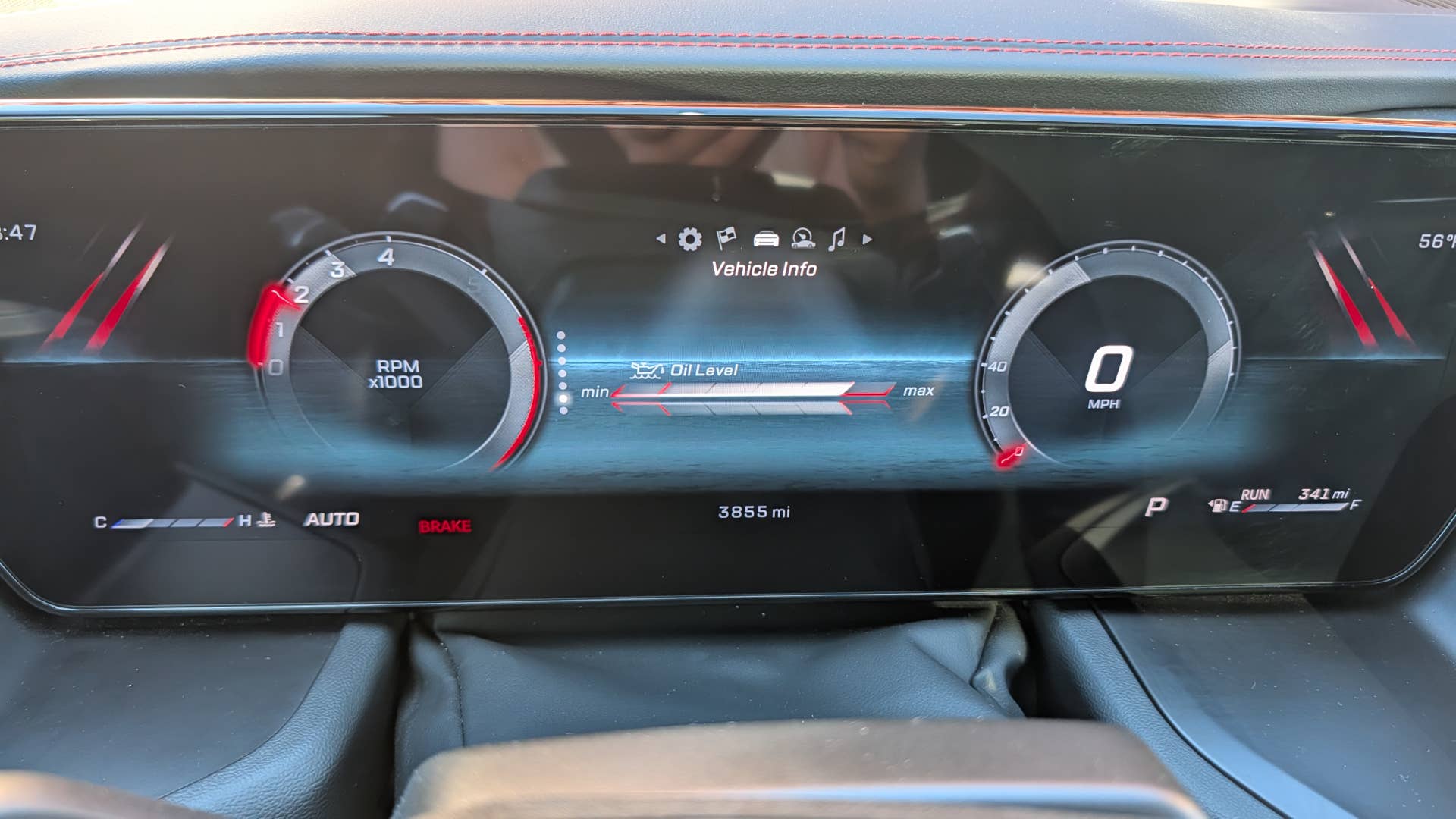
At the end of my week with it, it’s still reading low. And because there’s no dipstick, I have to rely on the computer (which has already proven to not be reliable, since it can’t tell the difference between being parked on an incline or not) to check on the level.
Kristen Brown

Also, the transmission in the gas-only version felt… Funky. At slow speeds, even in Eco mode, it would rev high and then shift into the lower gears, but it would do it very aggressively. If you wanted to, say, put the pedal to the metal before you get onto the freeway, the engine would make a ton of noise before the transmission seemed to engage. And when it did, it did very aggressively. It didn’t feel right at all. And, to be fair, given its name and category, drivers before me likely drove it harder than Dodge would probably want people to, but… Still. If I bought it brand new and it drove like that, I’d be very concerned about the Charger’s longevity as a gas-only version. I wouldn’t have those fears with an EV. 
Related: I Drove The Gas Dodge Charger Sixpack And Electric Charger Daytona: Here’s Which Muscle Car Makes More Sense

2026 Acura Integra A-Spec vs. Type S: I Drove Both To See If the Type S Is Worth the Upgrade

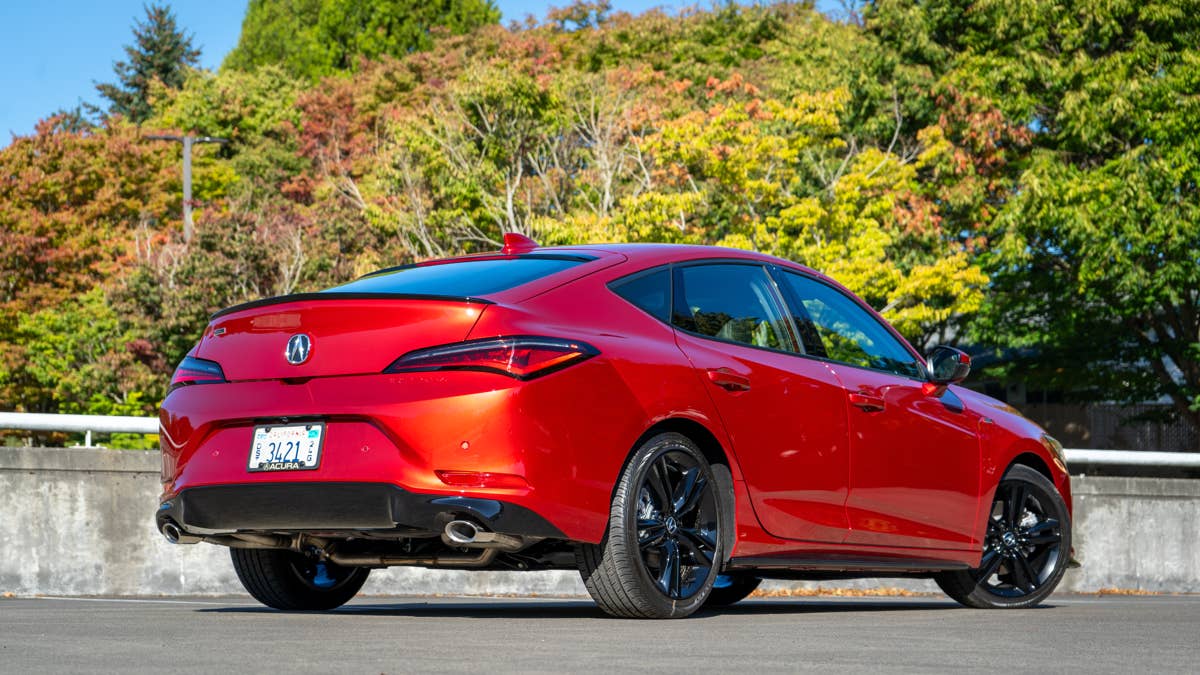
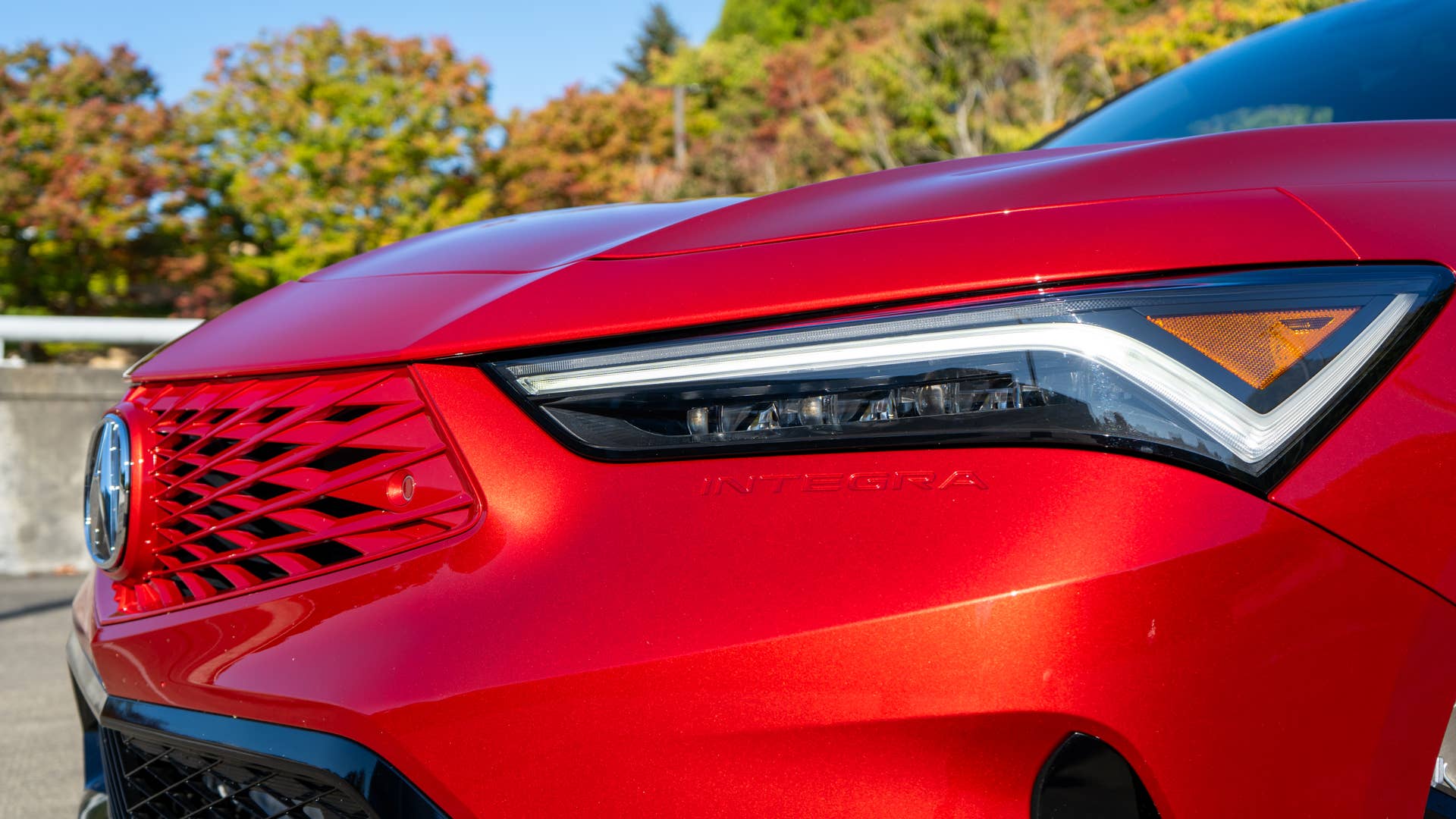
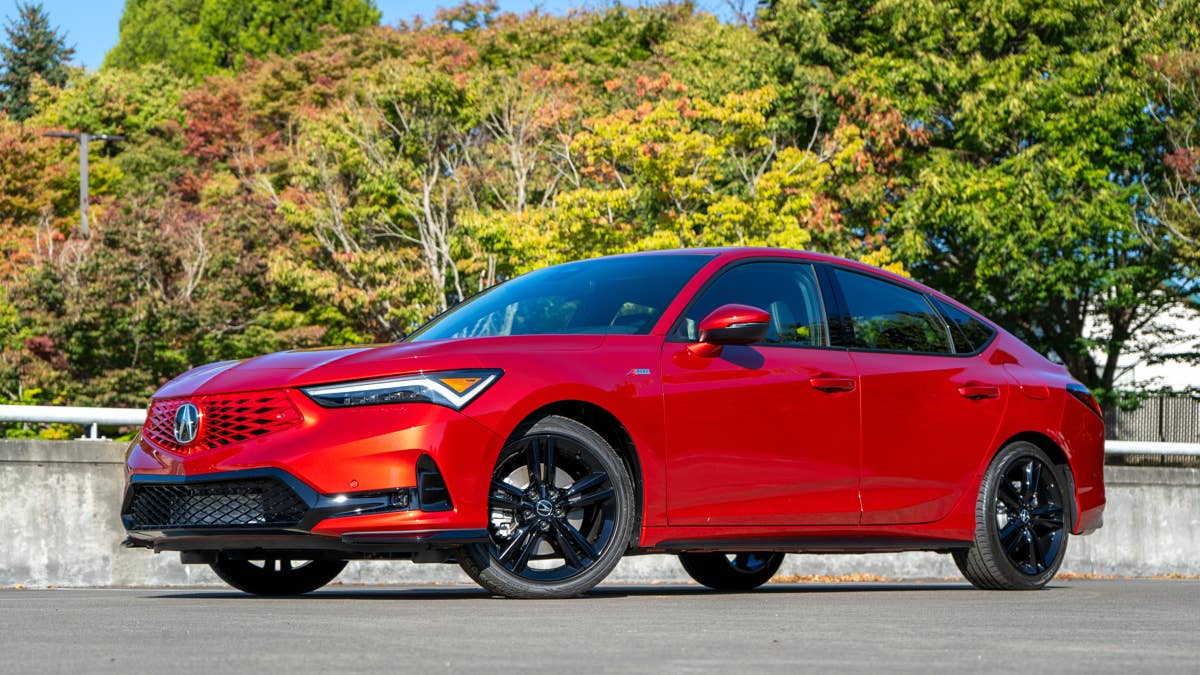
Halfway around a highway cloverleaf at the Northwest Automotive Press Association’s 2026 Drive Revolution program, where 17 journalists voted on 20 vehicles across a handful of categories, the Acura Integra A-Spec earned near-unanimous adoration. Its steering was precise, its body took a clean set, and its six-speed manual slipped into the next gear with familiar Honda tactility. It was a $41,195 compact liftback doing exactly what an everyday enthusiast car should. I liked it enough to vote for the Integra A-Spec as my top internal-combustion vehicle at the event; the category that it ultimately won. I also ranked it second for overall value, behind only the Hyundai Venue.

And yet, as the highway opened up, the A-Spec mostly made me miss the Integra Type S—a feeling I found rather curious, since driving the Dodge Charger Scat Pack at the very same event made me feel as though its less expensive and less potent sibling, the R/T, was a perfectly adequate, money-saving substitute. The A-Spec with Technology Package is a friendlier, more economical, and arguably more complete daily driver than the Type S, which is substantially more expensive, thirstier, and less accommodating. But the Type S is still the one I would buy in a heartbeat.

2026 Acura Integra A-Spec Tech

Cole Attisha

Same Family, Different Priorities

I drove the A-Spec for roughly 30 minutes during the same speed-dating-style event rotation as the other cars at Drive Revolution. By then, however, I had recently spent a full week and about 500 kilometers with the Type S around Vancouver, British Columbia, on the Sea-to-Sky Highway, and along Squamish Valley Road—a particular local favorite of mine. The Type S was still fresh in my memory—which might have made the contrast unusually apparent, but the same can also be said of the Dodge Charger duo. Both cars preserve the fundamentals that make the Integra special. They are front-wheel-drive liftbacks with six-speed manual transmissions, limited-slip differentials, adaptive dampers, and plenty of space for daily transportation. Both feel light on their feet, communicate clearly, and remind you that an engaging car doesn’t require rear-wheel drive or absurd power to be excellent.

Thinking about selling your car? Get an instant cash offer online now. Click here to get started.

2026 Acura Integra Type S

Cole Attisha

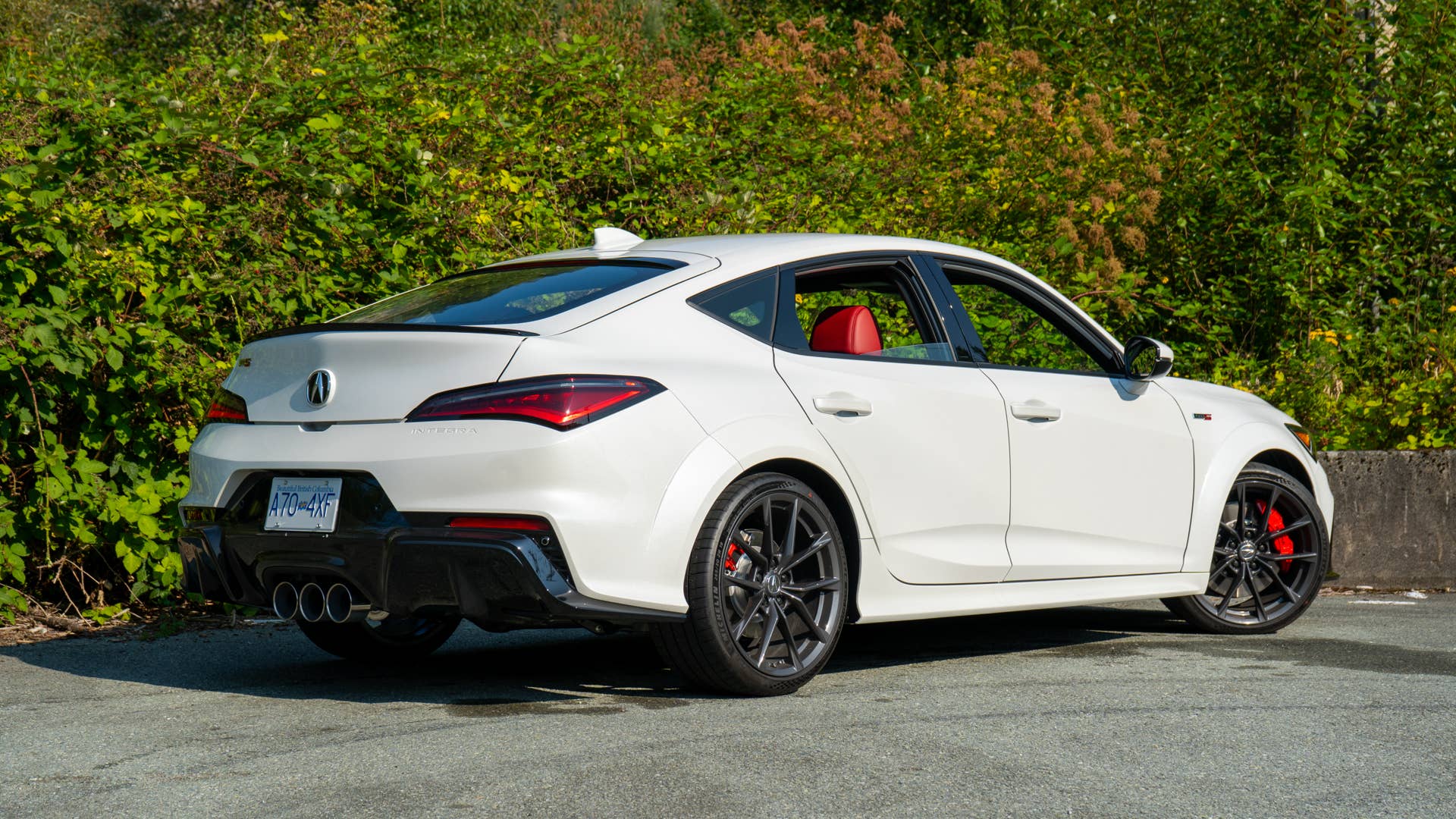
The scale of the mechanical difference is quite substantial, though, especially given the car’s relatively low weight. The A-Spec’s turbocharged 1.5-liter four-cylinder produces 200 horsepower and 192 pound-feet of torque. The Type S gets a 2.0-liter turbo four with 320 hp and 310 lb-ft, plus a dual-axis front suspension, larger brakes, a wider track, much more tire, and a louder active exhaust. The A-Spec with Technology Package starts at $39,200. My Performance Red Pearl test car carried an $800 paint charge and a $1,195 destination fee for a $41,195 total. The Type S starts at $53,900 before destination. However you normalize the additional charges, this is a five-figure decision—no small upgrade.

2026 Acura Integra A-Spec Tech

Cole Attisha

The A-Spec Earned Its Award

Two hundred horsepower sounds modest in 2026, but the A-Spec is still plenty quick. Its 1.5-liter engine is responsive enough to make on-ramps enjoyable and yet flexible enough to suit commuting, errands, and long highway drives. More importantly, it feels multidimensional—more so than the Type S. You can work the engine and gearbox in Sport mode when the road gets interesting, and Comfort mode quiets things down immensely for calmer daily cruising. The six-speed also retains the fundamental precision I loved in the Type S. Its throws are clean, its gates well defined, and its clutch easy to use. Still, the gearbox feels more naturally matched to the Type S’s powertrain. In that car, every shift becomes part of a symbiotic rhythm shared among the engine, exhaust, front axle, and driver. In the A-Spec, shifting is an enjoyable way to operate a very good daily powertrain. Its chassis follows a similar pattern—the steering carries the same underlying accuracy, but the A-Spec is not as tight or immediate. There is more body roll, and its responses are less intense, but that extra movement is a large part of what makes it ride so well.

Shopping for a new car? Click here to get a great deal on your next vehicle. Powered by Carvana: no-haggle pricing, 100% online.

2026 Acura Integra Type S

Cole Attisha

The Type S rides superbly for something so sporty, but the A-Spec simply rides superbly. It blends body control and compliance without requiring that added qualifier, absorbing imperfect pavement while still retaining enough composure to make more spirited drives worthwhile. Its narrower body is easier to place, the cabin is quieter, and it keeps the moonroof that Acura deletes from the Type S in the name of rigidity and weight savings. Fuel economy strengthens the A-Spec’s more sensible appeal: the manual A-Spec is rated at 26 mpg in the city, 36 on the highway, and 30 combined, whereas the Type S manages just 21/28/24 mpg. Add the A-Spec’s lower tire, brake, and likely insurance costs, and the fiscal separation extends well beyond the showroom floor.

2026 Acura Integra Type S

Cole Attisha

2026 Acura Integra Type S

Cole Attisha

The Type S Creates A Sense Of Occasion

None of that changes what happened when I accelerated away from the cloverleaf. The A-Spec was doing everything well, but I remembered how the Type S pulled itself toward an apex under power, how its 2.0-liter engine charged toward 7,000 rpm and how the triple exhaust erupted in pops and crackles when I lifted in Sport+. The A-Spec is one of the most engaging new cars you can buy, but the Type S may be the single most engaging one of all. Its upgrades don’t feel like a collection of impressive numbers and parts merely pasted onto the same car. The extra power suits the chassis, the tighter body control suits the steering, and the wider front end, large Brembo brakes, and serious tires give the six-speed a powertrain worthy of its exceptional shift action. The entire package feels naturally calibrated around one purpose, while remaining comfortable and useful enough to drive every day.

2026 Acura Integra A-Spec Tech

Cole Attisha

2026 Acura Integra A-Spec Tech

Cole Attisha

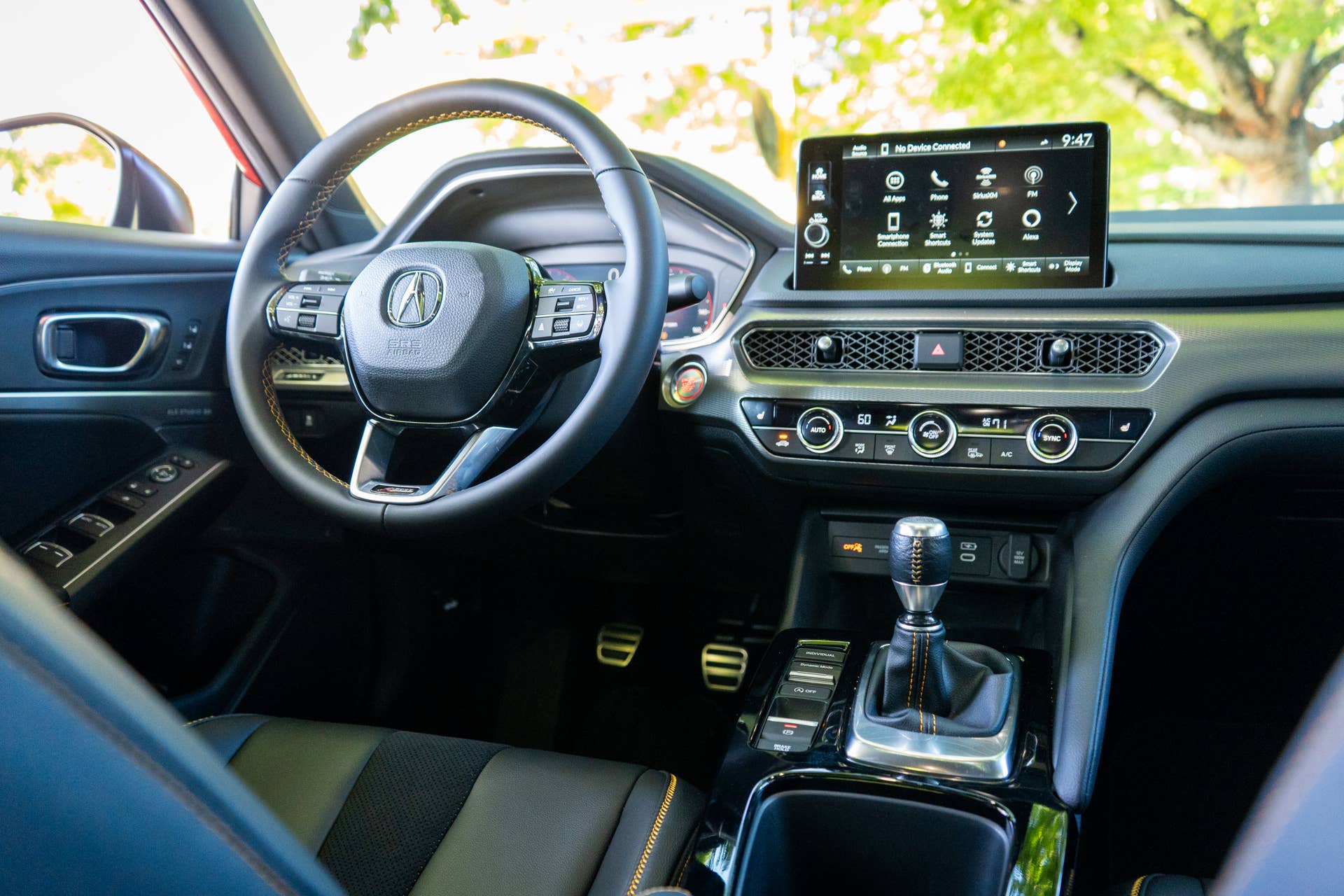
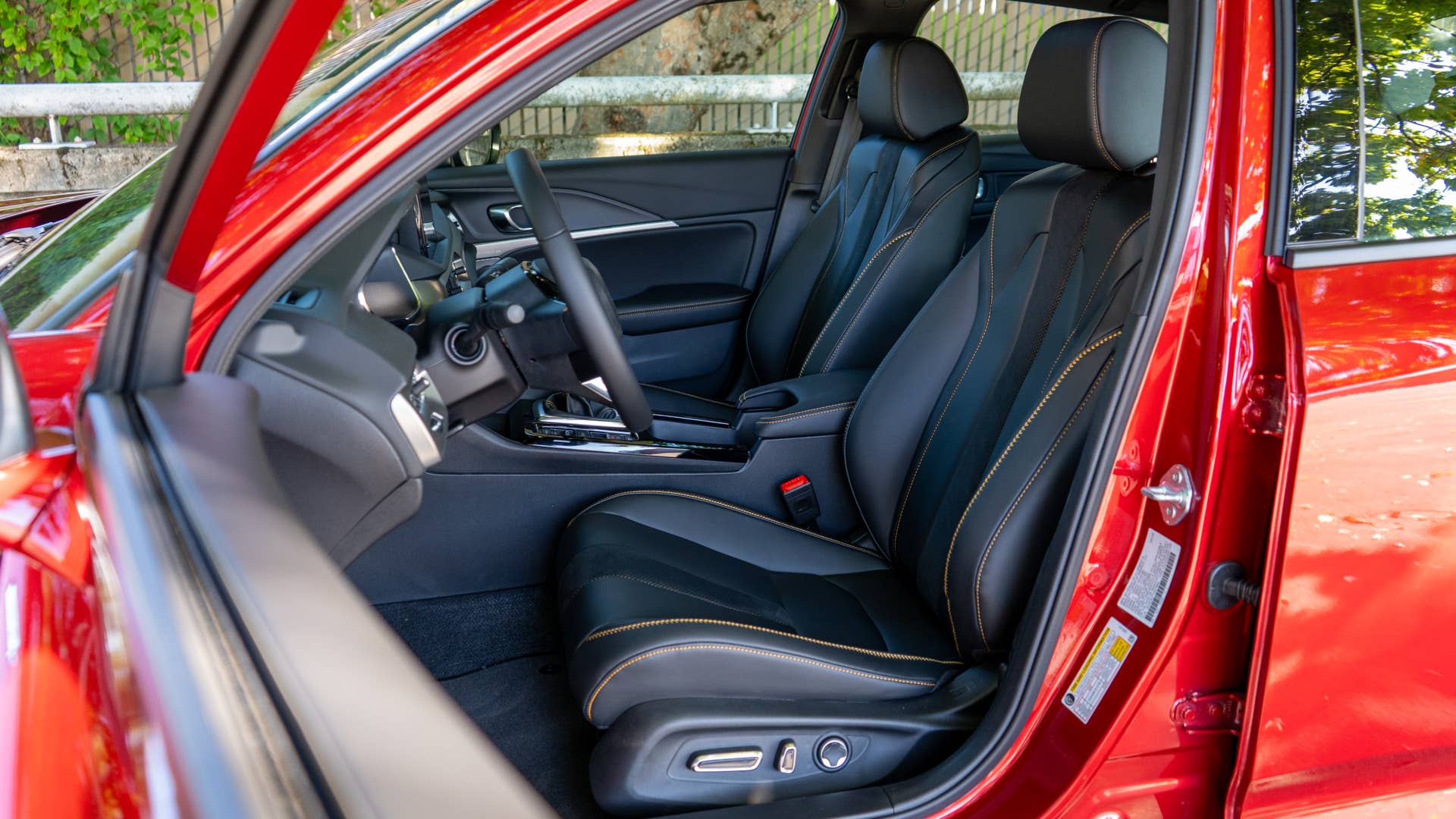
The distinction continues inside. The A-Spec with Technology Package is hardly sparse: it includes heated microsuede-trimmed seats, a head-up display, wireless phone integration, and that excellent 16-speaker ELS Studio 3D audio system. As a consumer product, it gives up remarkably little. As a driving tool and, admittedly, something of a toy, it gives up more, and the red upholstery in my Type S and its more focused environment made it feel special before I even pressed the start button. The Type S doesn’t merely perform better; its cabin, widened bodywork, and triple exhaust continually remind you why you paid more for it.

2026 Acura Integra A-Spec Tech

Cole Attisha

Is The Integra Type S Worth The Upgrade?

For most buyers, the A-Spec with Technology Package is the smarter Integra. It preserves the manual transmission, precise controls, practical liftback, and fundamental playfulness while riding better, consuming less fuel, and costing substantially less. It was an entirely deserving award winner, and I stand by both of my votes. But “smarter” and “more desirable” aren’t synonyms.

The A-Spec feels like a purposeful, appropriate compromise. Ordinarily, that would be the end of the story, but after living with the Type S, I knew exactly what had been compromised: the engine’s urgency, the front axle’s astonishing focus, the exhaust’s character, and the sense that you’re driving something truly special. So, yes, the Type S is worth the upgrade—if those qualities are what made you want an Integra in the first place. It’s not five figures better as fun, premium transportation, but it is a markedly better experience for those who are addicted to the act of driving, and that’s often what matters most to an enthusiast. The A-Spec may have won the logical argument and earned my vote, but the Type S captured my heart.

Autoblog aims to feature only the best products and services. If you buy something via one of our links, we may earn a commission.

2026 Land Rover Defender Dog Review: What More Do You Want?

The Land Rover Defender, and especially the Defender OCTA, is the peak of off-road capability within the Land Rover lineup. The large SUV is designed to get anywhere, and the 626 horsepower OCTA is designed to do all that, but way faster. Its V8 bellow, upgraded drivetrain, and svelte interior make it the perfect luxury off-roader, even in the face of competitors like the Mercedes-Benz G-Class. To see if it still holds up when you throw a bit of regular life at it, I took the dog along during my week with the car.

As ever, our tester is my 85-pound dog, Beorn. He’s happy to do it and he works for cheap.

Ease Of Access: Too Tall For Some

Chase Bierenkoven

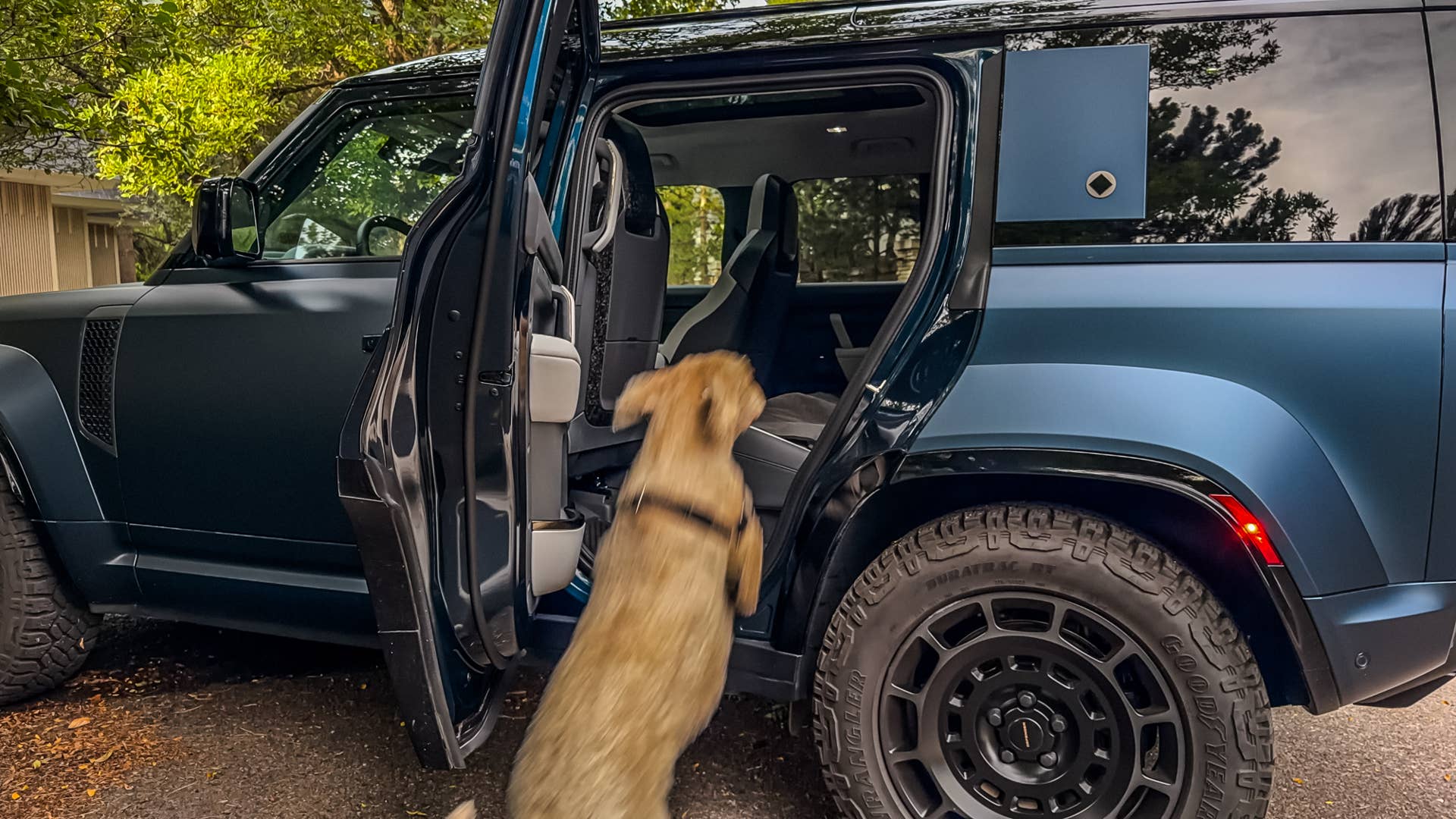
Accessing the Defender, and how easy your pet finds it, all comes down to vertical. If they’re spry and they’ve got some hops, this is a non-issue. The Defender’s rear doors are very wide, and so is the path to entry. Beorn had no trouble getting inside, but he’s also pretty tall, very young, and would rather die than be left somewhere alone for 10 seconds. If your dog is smaller or more independent, the Defender might be a tough sell.

If you prefer to put your pet in the trunk, though, I have good news. All Defenders equipped with air suspension can be lowered at the trunk, providing better access not only to the rear of the vehicle, but to the second row, too. After all, the whole rear of the SUV lowers a few inches when you press the button, which is located on the left side of the trunk.

Interior Space: Plush And Spacious

Chase Bierenkoven

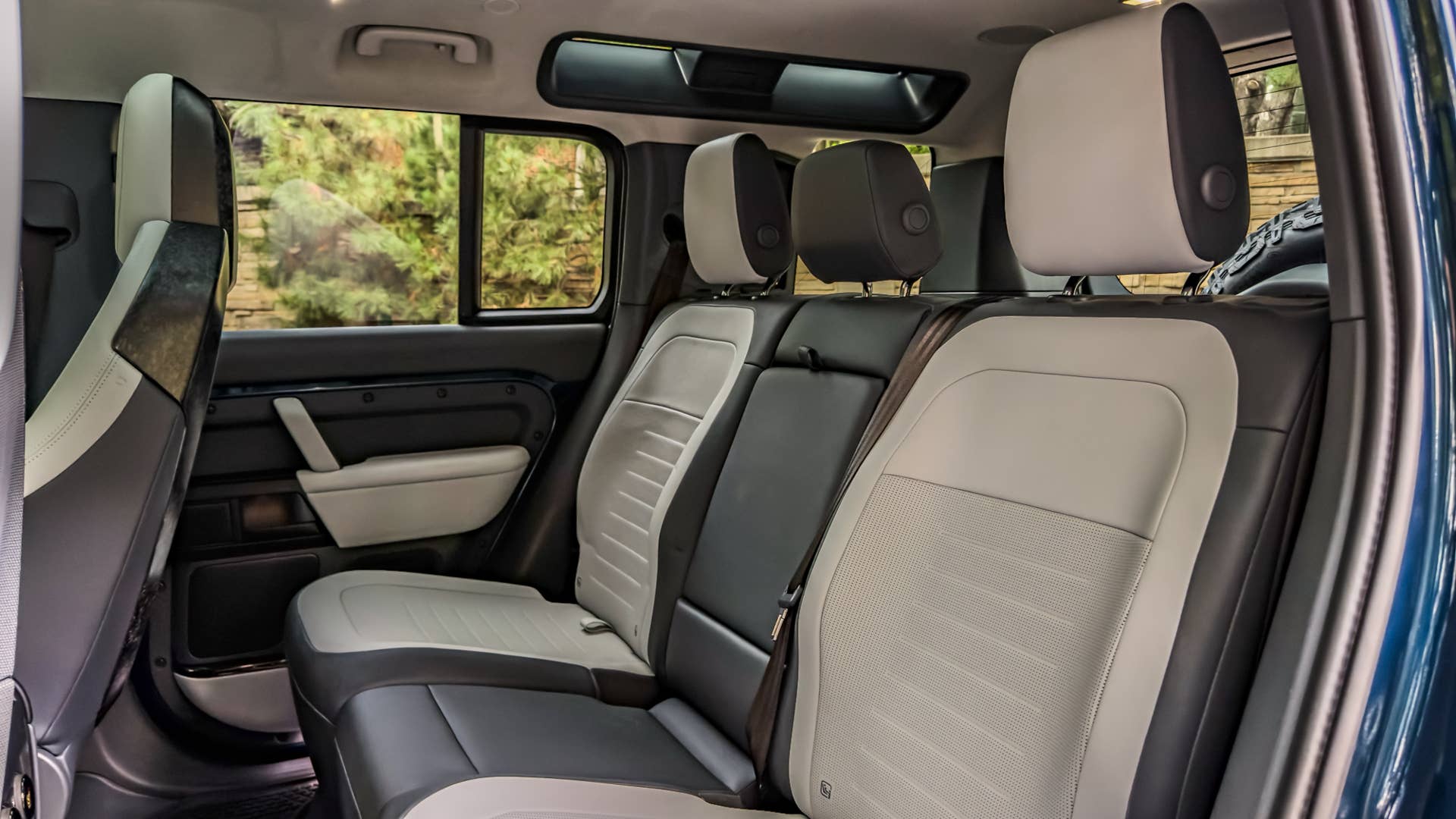
It’s good to be a dog, but it’s probably better to be one in a Defender. The OCTA’s ride is noticably more firm than the more pedestrian versions, but even so, it’s a comfortable place to spend some time. The rear seats are plenty wide enough for even big dogs like Beorn to sit like a sapien, and with headroom to spare. I caught him staring out the safari windows and the passenger windows, which also provide some excellent ventilation in the back. Speaking of which, there’s an independently controlled fan in the back that can help provide some added airflow to pets in the trunk space.

Chase Bierenkoven

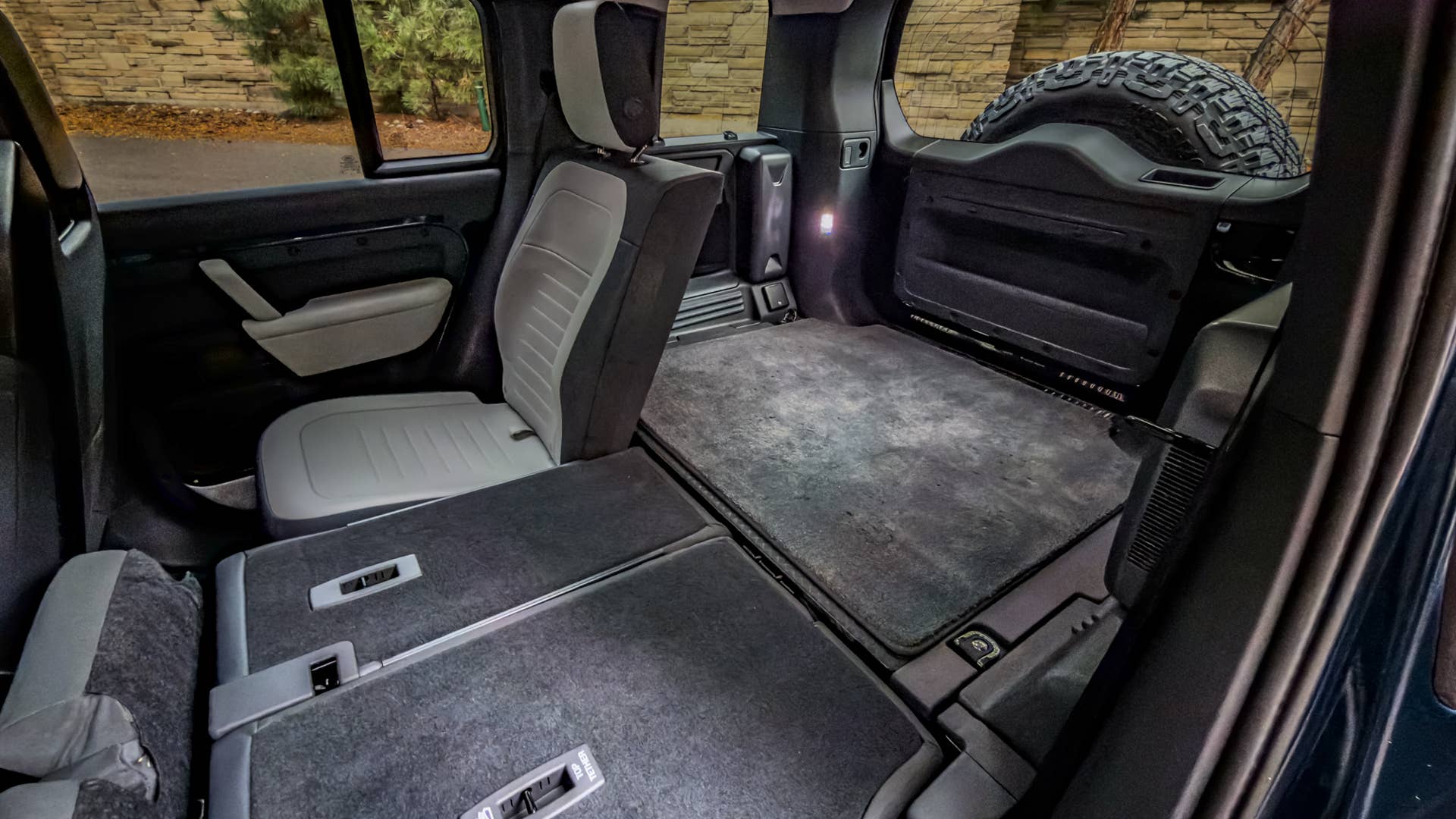
The seats also fold totally flat independently, which makes the simulatneous carrying of pets and cargo much easier. You could, for example, have a pet occupy two rear seats, while leaving the third folded to accomodate larger items like skis inside the car. It’s a pretty sweet setup, and I don’t have much to complain about.

Materials: Tough-Feeling, But Too Nice For Pets

Chase Bierenkoven

Still, this is billed as a high-dollar luxury SUV. While the materials no doubt feel luxurious and of high quality, they’re also way too nice for dogs. Maybe skip the white interior. The Defender OCTA in particular makes use of some high-quality leathers, which you’ll find on the seats, armrests, and even the seat backs. While these materials are great for people, I’d certainly want to avoid letting pets on them.
Verdict: A Nearly Perfect SUV For Dog Owners

Chase Bierenkoven

In summary, the Defender’s biggest weaknesses for pets are the things people love about it: the off-road ride height and premium materials. These two things can present some obstacles for dog owners, but they’re also easily mitigated. What you’re left with is an excellent SUV for hauling pets and conquering trails.

I Drove The 2027 Genesis GV70 2.5T Prestige: Here’s My Honest Review Of Its Subtle New Upgrades

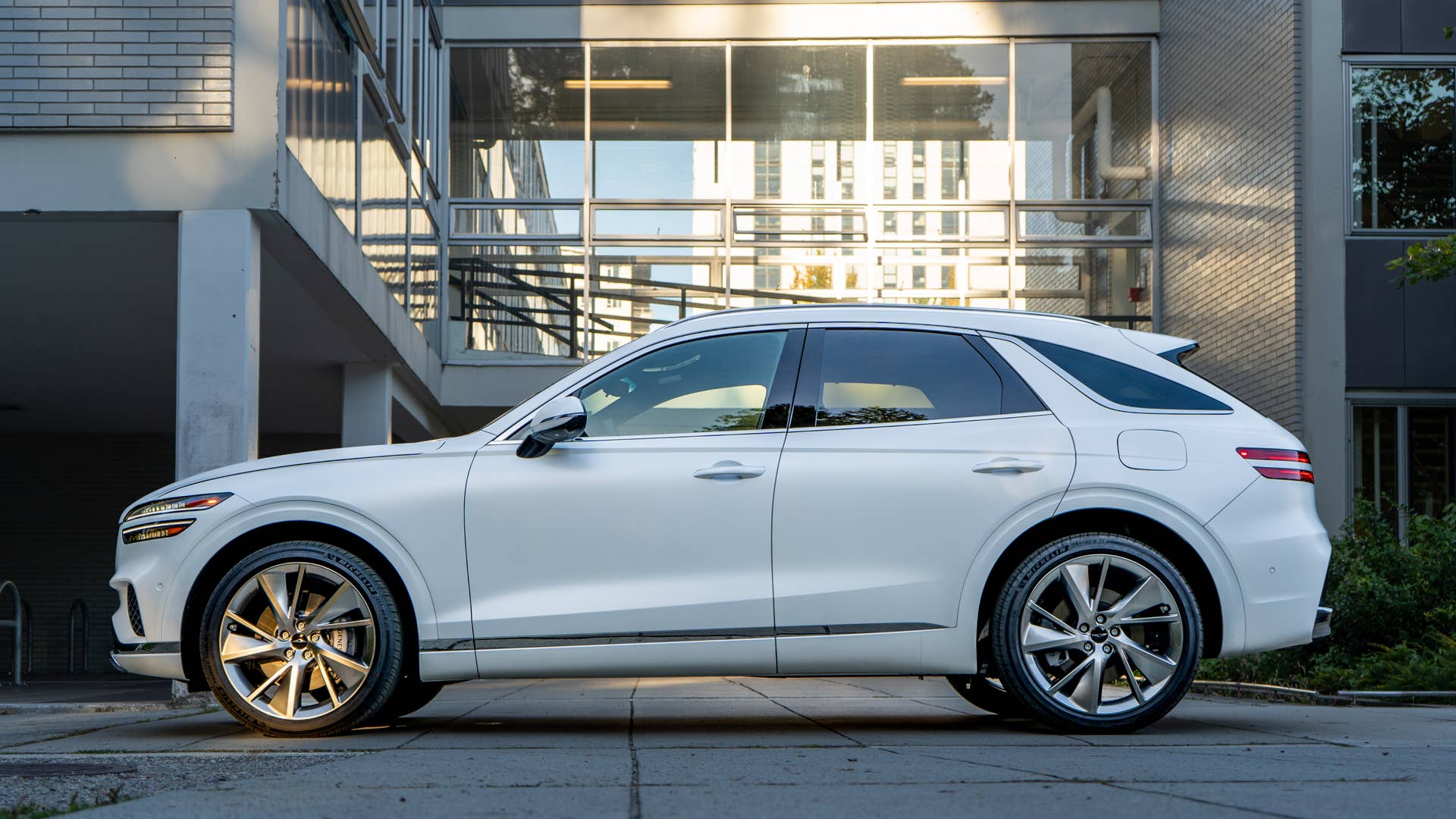
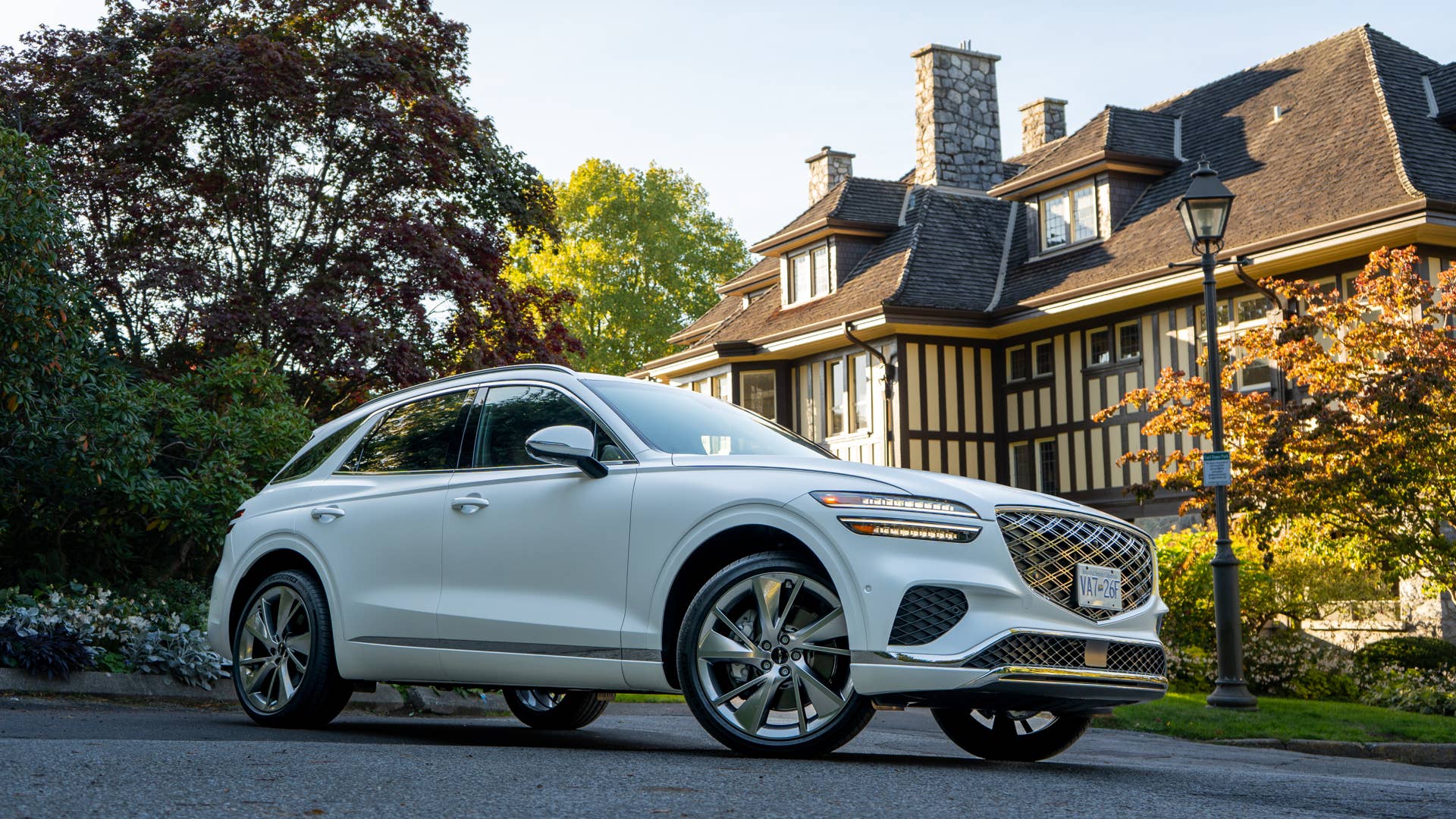
By the time I reached the ferry terminal, the 2027 Genesis GV70 had already made its point. It had handled Vancouver traffic, wet pavement, and the long highway run south without demanding much attention or any real effort, all with the same sense of ease you’d expect from a business-class flight. My passenger—my girlfriend’s father—and his luggage fit easily, the ride was supple, and the cabin did most of the talking. He had also ridden in the Mercedes-AMG GLC 63 S E Performance I tested earlier this year, and from the passenger seat of this GV70, he quickly decided the Genesis looked and felt better inside. We were off to a great start.

And while Genesis had substantially updated the GV70 for 2026, for its 2027 model year updates, it has concentrated on just a few small details: fewer badges, revised safety technology, Dolby Atmos, and minor exterior streamlining. I had already reviewed the 2026 GV70 2.5T Prestige and then driven all three available powertrains, and both experiences ultimately led me to an overall score of 9.4/10, convincing me that the 2.5T was the one to buy. The question this time, though, was whether changes this small could make an excellent luxury SUV better. They surely can, although not quite enough to make a 2026 owner especially jealous.

2027 Genesis GV70 2.5T Prestige

Cole Attisha

2027 Genesis GV70 2.5T Prestige specifications

Specification

2027 Genesis GV70 2.5T Prestige

Engine

2.5-liter turbocharged inline-four

Output

300 hp and 311 lb-ft of torque

Transmission

Eight-speed automatic

Drivetrain

All-wheel drive

Audio

16-speaker Bang & Olufsen system with Dolby Atmos

Canadian all-inclusive price

C$73,650

Matterhorn White Matte paint

C$2,100

Estimated configured price

C$75,750 before tax, registration, insurance, and licensing

Closest U.S. trim

2.5T Sport Prestige AWD, $61,550 before destination and options

Thinking about selling your car? Get an instant cash offer online now. Click here to get started.

2027 Genesis GV70 2.5T Prestige

Cole Attisha

Design & Presence — 9.5/10: Less Badging, More Confidence

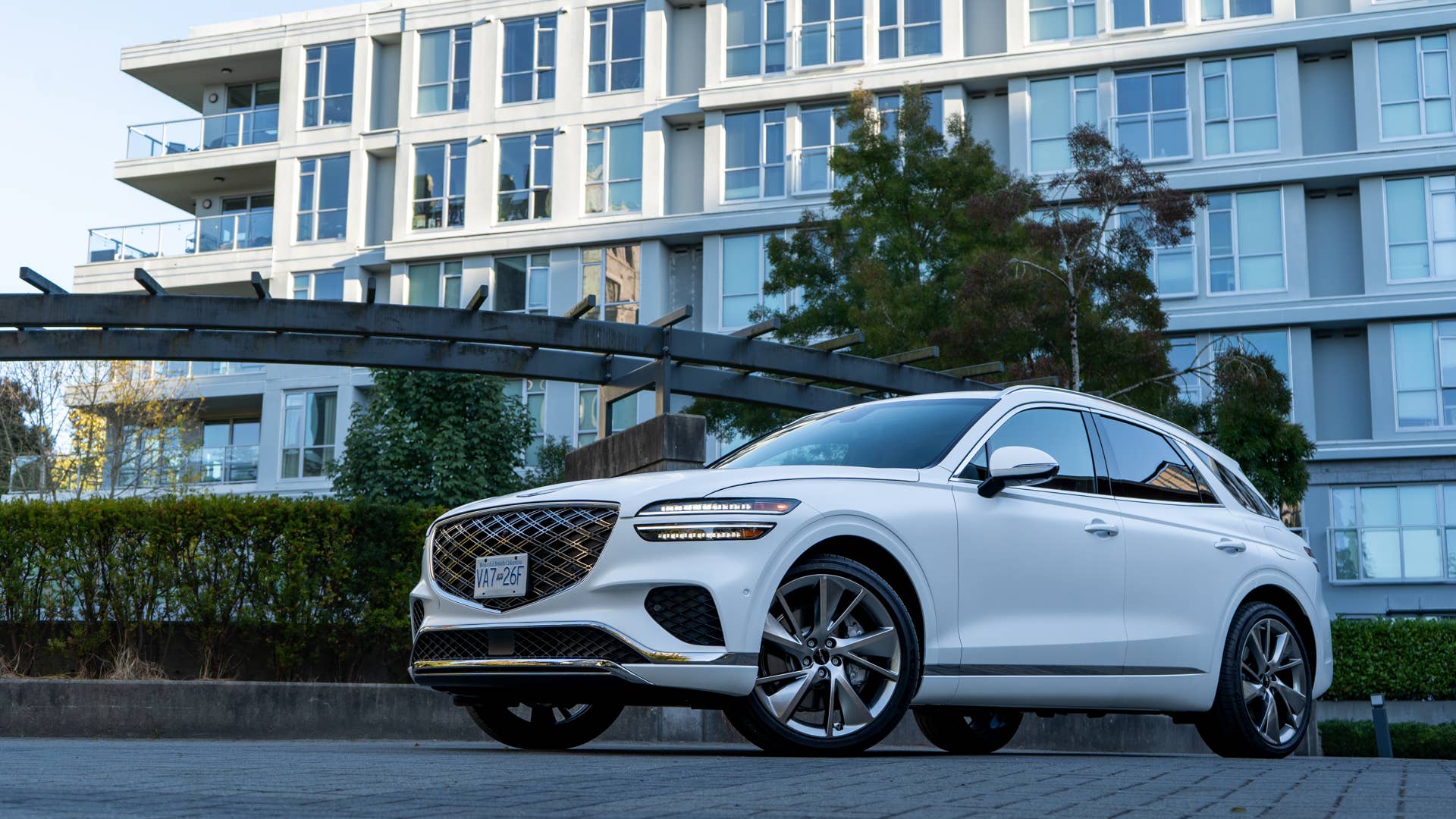
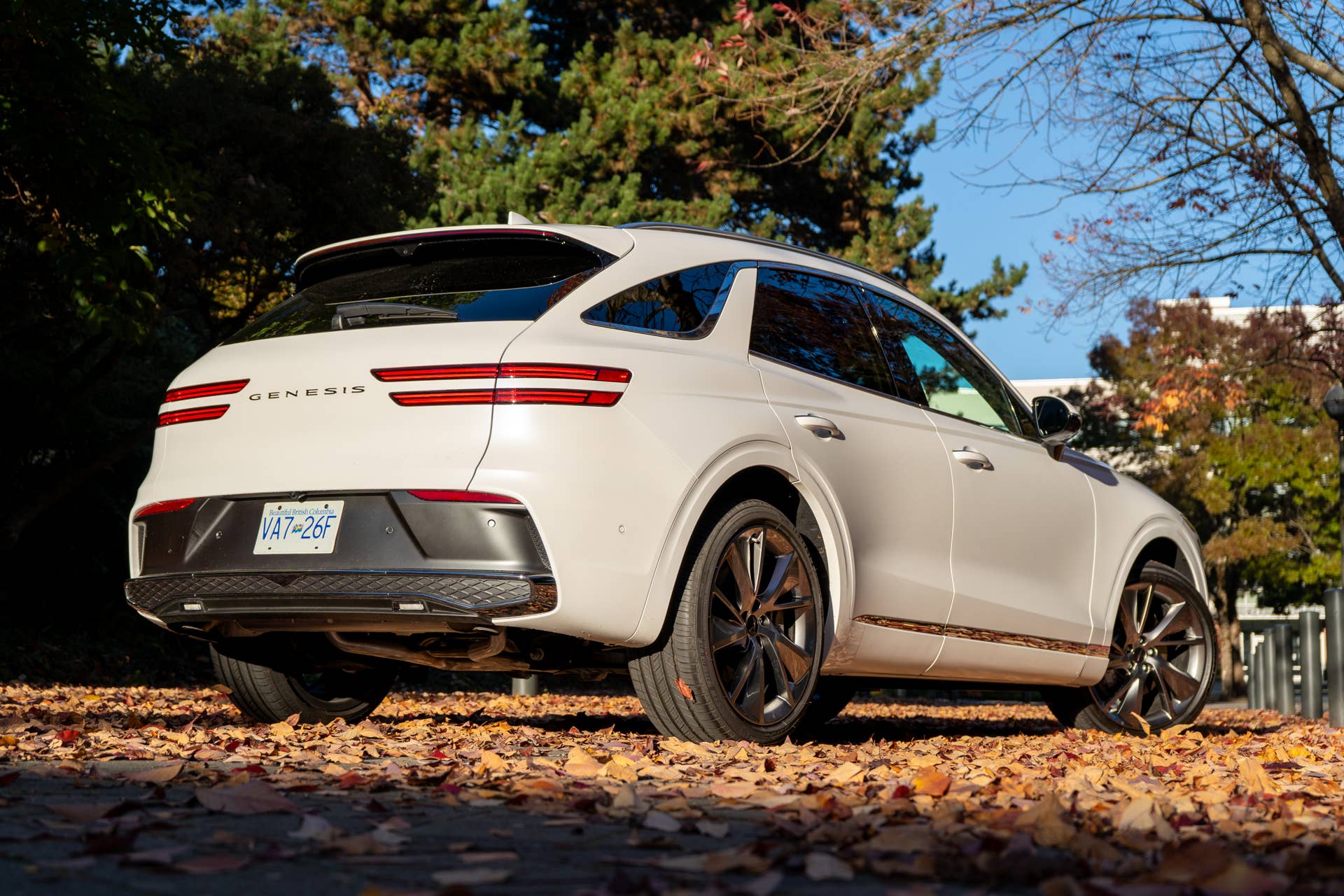
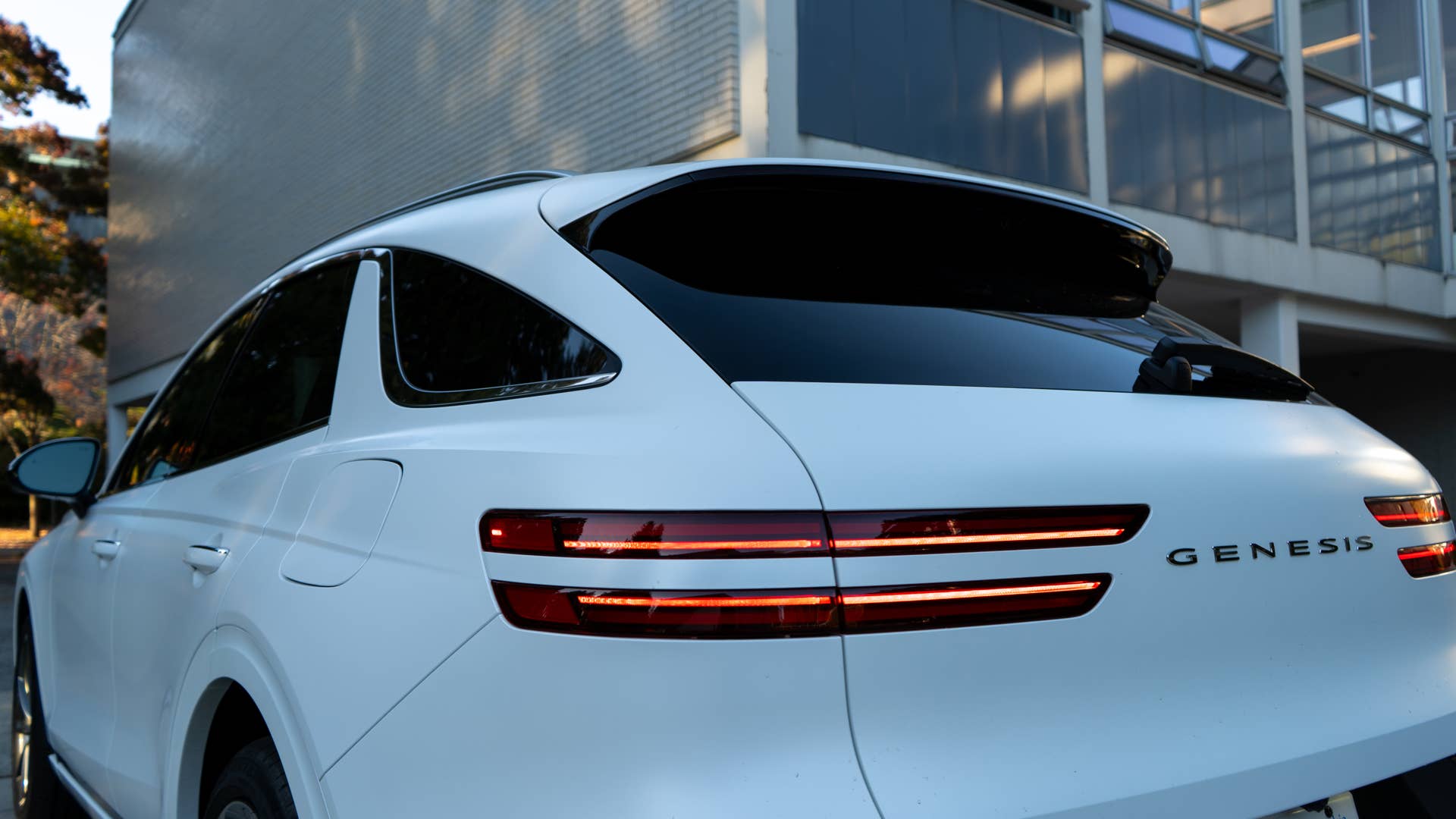
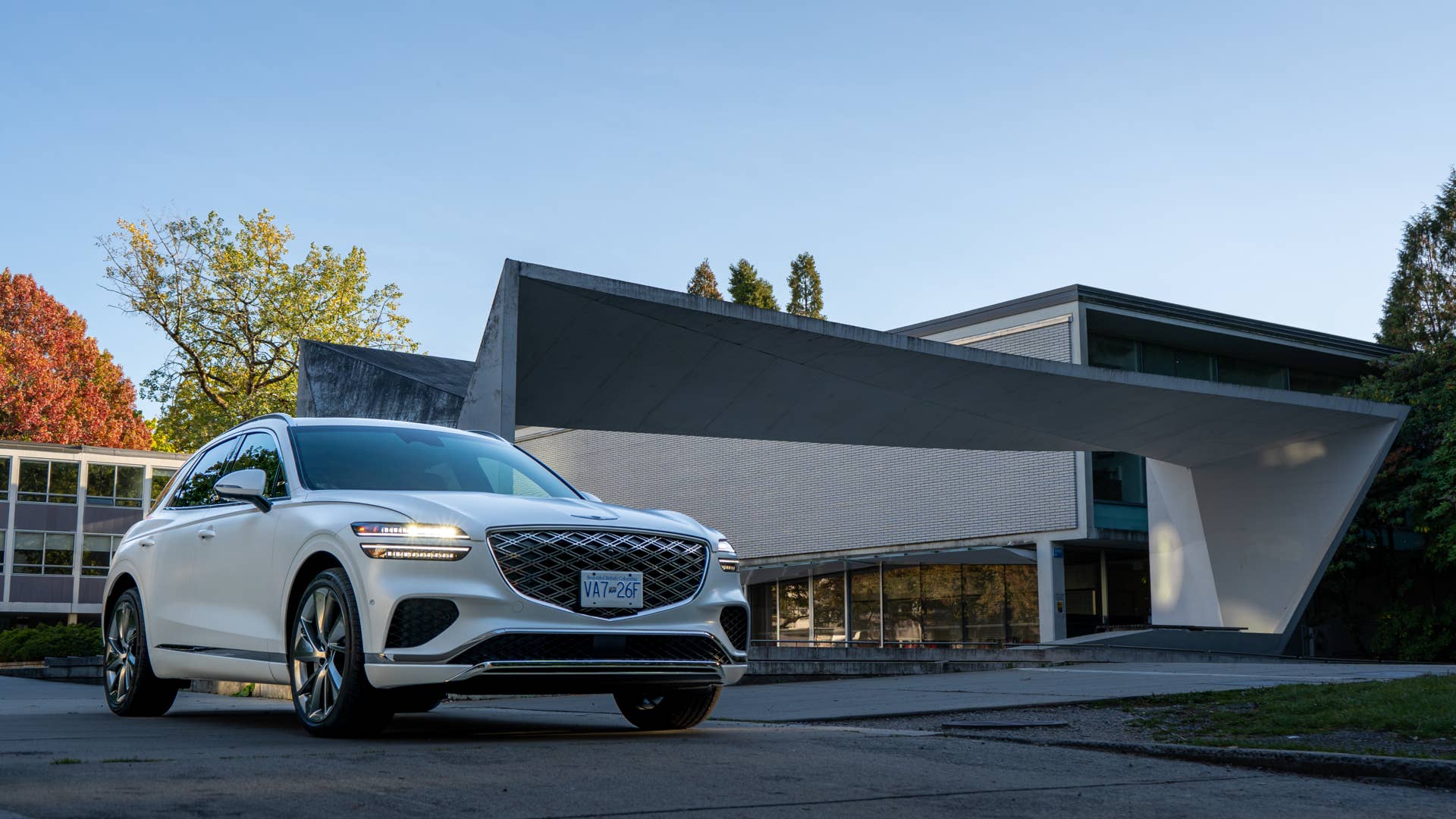
You may need a photo of last year’s GV70 to spot the most visible difference. Genesis has removed the GV70, 2.5T, and AWD lettering from the tailgate, leaving only the Genesis script beneath the rear window. The old badges never really bothered me, and I admittedly only noticed their absence after comparing this test car with my 2026 photos, but once I did, the improvement became difficult to ignore. The rear looks cleaner and more expensive, as though Genesis no longer feels the need to explain itself at every opportunity. It leaves passersby with more to figure out, which makes the design seem more self-assured.

2027 Genesis GV70 2.5T Prestige

Cole Attisha

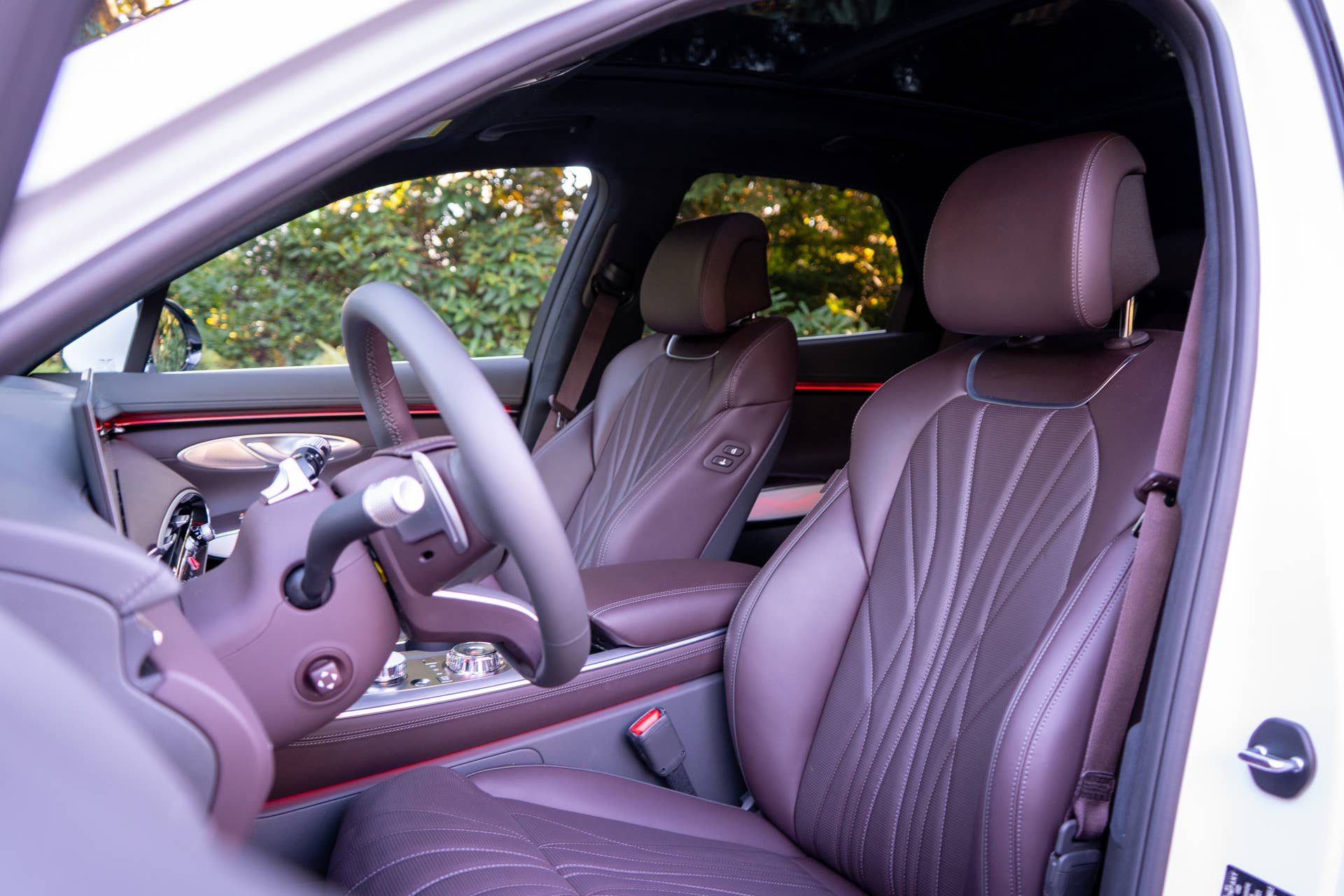
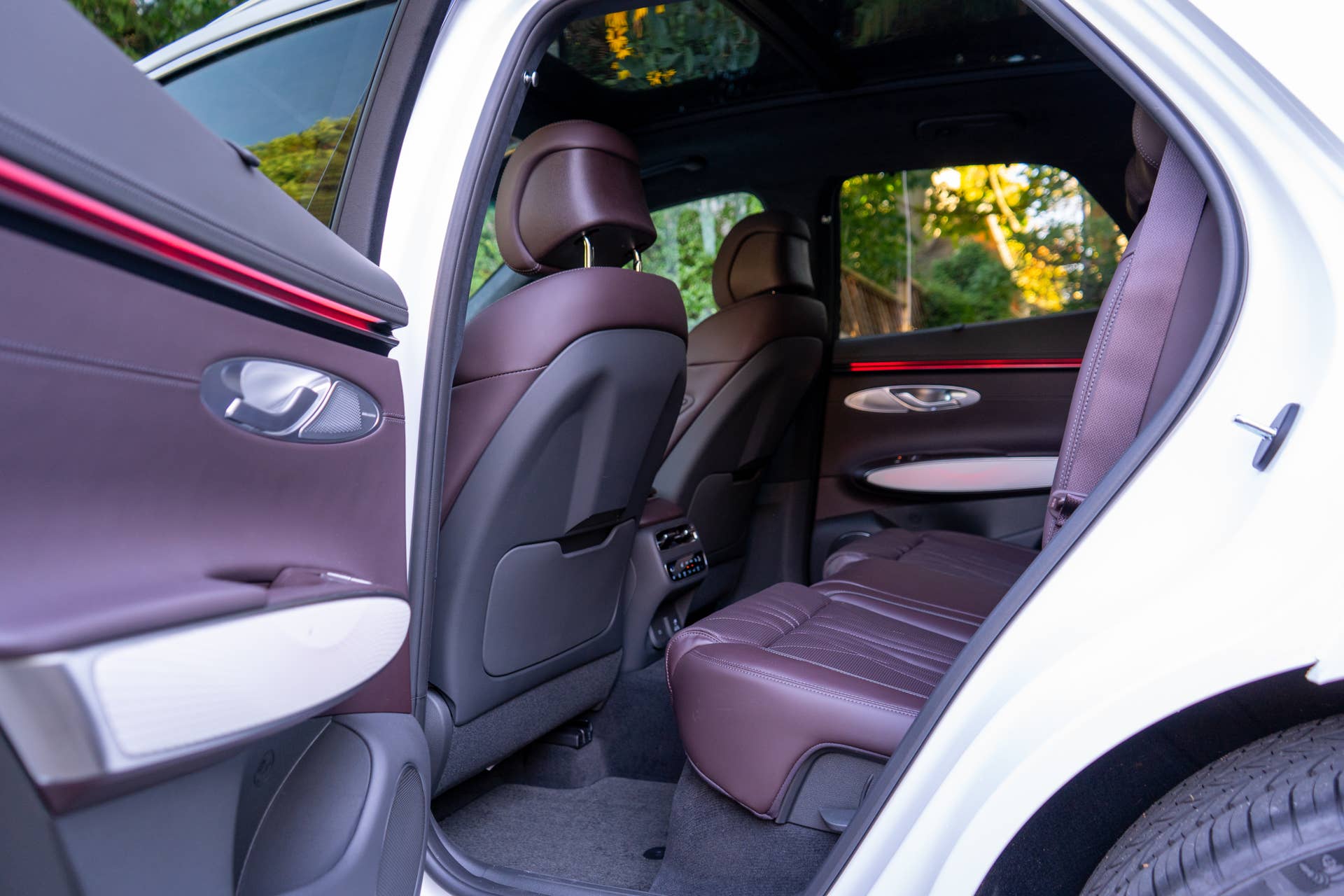
Its Matterhorn White Matte helped flatter its still-striking exterior styling, which I still firmly believe is the best in the business—or at least in this segment. White is usually among the least interesting and most technically difficult colors to photograph, but the satin finish added some much-appreciated depth to the GV70’s curves and two-line lighting. It looked fantastic in changing sun, cloud, and rain. Inside, Slate Grey and Velvet Burgundy Nappa leather created the richer half of the specification. The burgundy is dark enough to appear almost brown in certain light, while the grey upper sections and suede headliner keep it from overwhelming the cabin. Genesis continues to understand that luxury should feel tactile and visually interesting, not just shiny and decadent.

Shopping for a new car? Click here to get a great deal on your next vehicle. Powered by Carvana: no-haggle pricing, 100% online.

2027 Genesis GV70 2.5T Prestige

Cole Attisa

Interior & Comfort — 10/10: Still The Strongest Argument

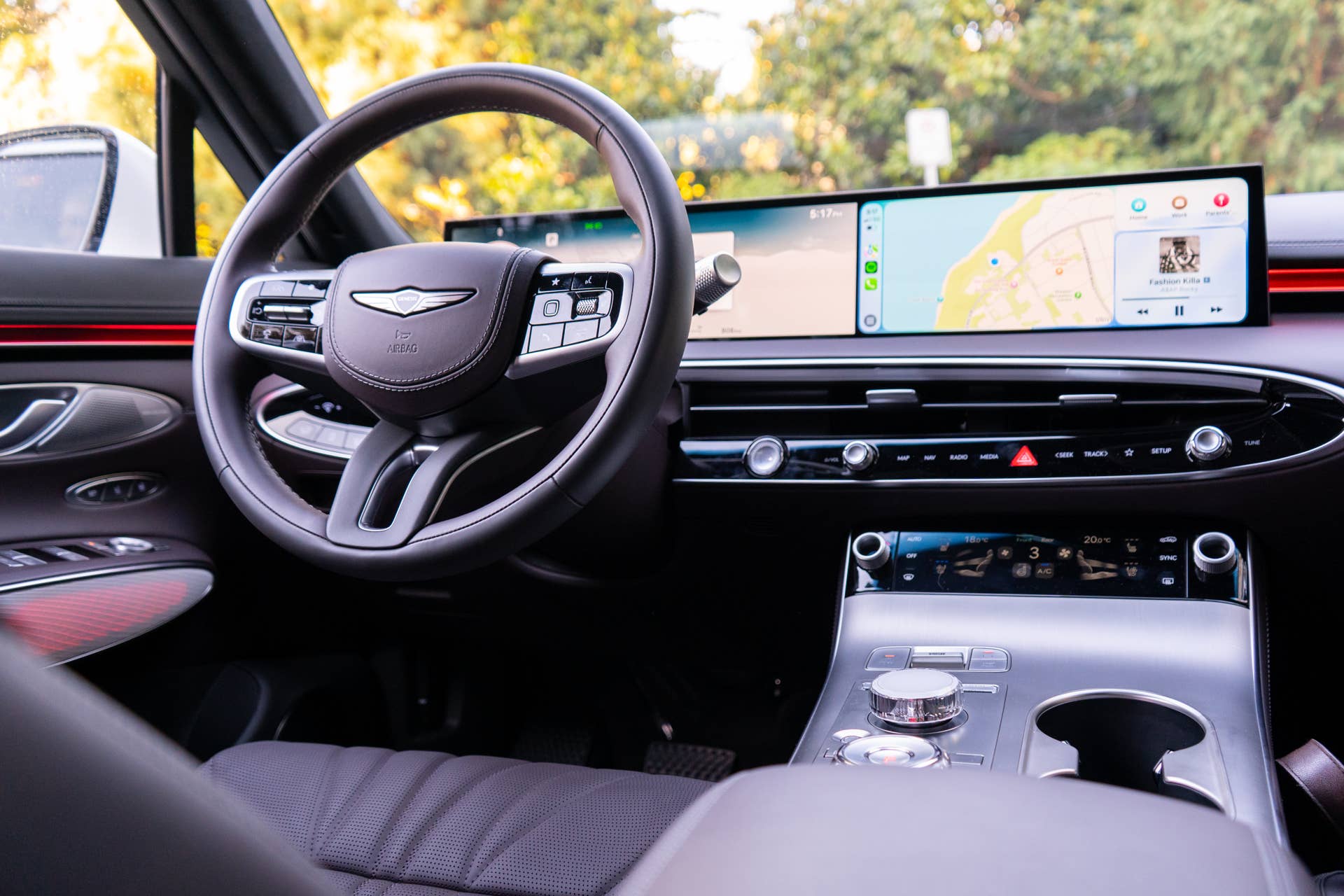
The 2026 update brought a 27-inch OLED display, redesigned steering wheel, and cleaner center fascia, so the 2027 cabin is familiar. Its shapes, materials, and controls still create more warmth than many compact luxury SUVs with better-known badges. The two-tone interior made this test car feel special before it even moved. Real aluminum speaker grilles, quilted Nappa leather, and the jewel-like rotary shifter provide the obvious theater, but the less decorative parts matter just as much. The driving position is natural, frequently used controls are straightforward, and the technology generally disappears once configured.

2027 Genesis GV70 2.5T Prestige

Cole Attisha

My ferry-terminal pickup run also supplied the kind of real-world test that matters more than a spec sheet: could it impress my girlfriend’s father? As he stepped inside, he was met with plenty of room, remained comfortable throughout the drive thanks to the Ergo-Motion seating, and came away talking about the design and quality rather than the screen’s size. His immediate comparison with the considerably more expensive AMG GLC was subjective, but revealing. Genesis no longer needs to be graded on a curve just because it costs less or has less history. The GV70’s interior can make a stronger first impression on its own terms.

2027 Genesis GV70 2.5T Prestige

Cole Attisha

Technology & Infotainment — 9/10: Dolby Atmos Strengthens The Experience

Dolby Atmos is the model-year update owners are most likely to notice from the driver’s seat. The 2.5T Prestige’s 16-speaker Bang & Olufsen system now supports the immersive audio format, and I tested it using Spotify Lossless Audio. Without a 2026 GV70 for an A/B comparison, I can’t assign every minuscule change in depth or placement to Atmos. Source quality and mixing affect the result, but the Bang & Olufsen system remains one of the GV70’s most memorable tech features, producing a broad soundstage without letting heavy bass substitute for rich sound quality.

Genesis has also updated the GV70’s comprehensive safety technology. Most of it faded into the background, which is exactly how driver assistance should behave. Lane-keeping assistance seemed to provide more useful feedback through the steering wheel, subtly helping my hands guide the car rather than vibrating the rim or issuing a stream of beeps, though not every interaction is seamless. The flush door handles sometimes hesitated to recognize my hand with the proximity key, requiring multiple attempts before unlocking. Auto Hold could also release more abruptly than I’d like. Both flaws are minor, but they stand out in a vehicle that otherwise works so hard to make routine actions feel effortless.

2027 Genesis GV70 2.5T Prestige

Cole Attisha

Performance & Driving Experience — 8.5/10: The 2.5T Remains The One To Buy

Mechanically, the 2027 2.5T Prestige preserves the formula I liked last year. Its turbocharged 2.5-liter four-cylinder produces 300 horsepower and 311 pound-feet of torque, routed through an eight-speed automatic transmission and standard all-wheel drive. Those numbers might not seem exceptional, especially beside the 375-hp 3.5T and the much more powerful Electrified GV70, but they are perfectly sufficient for comfortable around-town driving with the occasional more spirited jaunt. The 2.5T accelerates with useful urgency, the transmission generally selects the right gear right away, and the lighter engine helps the front end rotate more naturally than the V6 model does.

The GV70’s sense of balance remains its strongest advantage. It controls its body well enough to enjoy a twisty road, yet absorbs broken pavement without trying to prove its sporting intent on every city block. Steering is accurate, braking feels progressive, and the powertrain has enough reserve for passing without making the car’s personality all about speed. My earlier comparison produced a simple conclusion: the 2.5T is the GV70 to buy, the 3.5T is the one to lust after, and the Electrified GV70 is the fullest expression of the package if budget and charging are not concerns. Another week with the 2.5T didn’t change that. This engine allows the chassis, ride, and cabin to act as the main attractions.

2027 Genesis GV70 2.5T Prestige

Cole Attisha

Value & Ownership — 9/10: Canadian Prestige, U.S. Sport Prestige

Genesis Canada lists the 2.5T Prestige at C$73,650. Matterhorn White Matte brings this specification to approximately C$75,750 before tax, registration, insurance, and licensing, assuming no accessories. American shoppers will not be able to find that exact trim name, as Genesis USA believes American buyers prefer a sporty look to match their classy SUV. The closest U.S. configuration is the 2.5T Sport Prestige AWD at $61,550 before destination and options. Equipment and visual details differ ever so slightly between markets, so the names aren’t directly interchangeable. Neither price tag makes the GV70 an inexpensive alternative in its segment, so its value comes from how completely it delivers the experience expected at that price. The cabin doesn’t feel like a consolation prize for a mainstream badge, the ride doesn’t ask for excuses, and the 2.5T doesn’t feel like a sacrifice.

2027 Genesis GV70 2.5T Prestige

Cole Attisha

Verdict — 9.4/10: The Right Way To Do A Carryover Year

The 2027 Genesis GV70 2.5T Prestige earns the same 9.4/10 overall score I gave the 2026 model. That’s not to say I’m indifferent to its updates—it simply reflects how little needed fixing. Removing badges doesn’t transform the ownership experience, and an owner could create a similar look on an older GV70 in an afternoon. Dolby Atmos doesn’t make the already excellent audio system essential if you were otherwise planning to buy a lower trim, and the revised assistance technology is most successful when you barely notice it. Together, however, these details make the GV70 feel even more closely resolved. The cleaner rear communicates confidence, the audio system deepens one of the cabin’s greatest strengths, and the safety aids assist without constantly announcing their presence. This was the best way Genesis could have executed a carryover year: not a reason for a recent owner to trade in, but evidence that Genesis is still paying attention after the major work is finished. The 2027 GV70 remains incredibly difficult to fault—and the 2.5T Prestige remains the version I would choose.

Autoblog aims to feature only the best products and services. If you buy something via one of our links, we may earn a commission.

I Drove the Toyota BZ Woodland: One Glaring Flaw Is Keeping Me From Falling in Love

Be The Cowboy

If you’ve been paying attention to the auto industry lately or read and watch a lot of automotive media, you’ve probably heard the term “soft-roader” tossed around before. It’s a term used by industry voices and pundits like myself for the kind of top-of-the-line, off-road-inspired trims that have added a little spice to many popular family crossovers out on the road over the past few years. Toyota’s latest RAV4 is offered in what it calls the Woodland Edition. Honda has expanded its popular TrailSport sub-brand branding beyond the Pilot and Passport to the latest CR-V. Subaru, on the other hand, has been offering many of its best-selling crossovers like the Forester and Crosstrek in its top-line Wilderness trims.

Automakers have this down to a formula. Give an unassuming, grocer-getter crossover some personality by snapping on some bare plastic cladding on its fenders and bumpers. Replace the fuel-efficient rubber with some knobbier all-terrain tires, and add an inch or two of lift to the suspension, and you get vehicles that weren’t exactly built for boulders, but sure look the part. Though these SUVs get an attitude adjustment for the jungle, data showed that customers were willing to bite for a crossover that’ll make them look more equipped for the trials and tribulations of the urban jungle. 

James Ochoa

View the 2 images of this gallery on the original article

This formula works. According to WardsAuto, Subaru’s Wilderness trims across the Forester, Outback and Crosstrek now account for roughly one in seven sales of those models, nearly 250,000 units through 2025. As part of a full rebrand for its bZ (short for “beyond Zero”) line of electric vehicles for 2026, Toyota has introduced the bZ Woodland, a soft-roader model that perfectly accompanies the space next to the newly rebranded bZ (formerly known as bZ4X) crossover SUV. 

While the bZ Woodland is seemingly devoid of the many quirks and stand-out features that many associate with the mythos of today’s technologically-advanced electric vehicles from the likes of Tesla, Rivian or Lucid, I found comfort and bliss in something that felt like the complete antithesis of a modern EV: no-nonsense simplicity. However, one glaring flaw stops me completely from instantly recommending this vehicle to those transitioning from gas to electric for the first time; one that can only be remedied with a lifestyle change that can possibly be very expensive.

James Ochoa

View the 6 images of this gallery on the original article

The Almost-Overlander

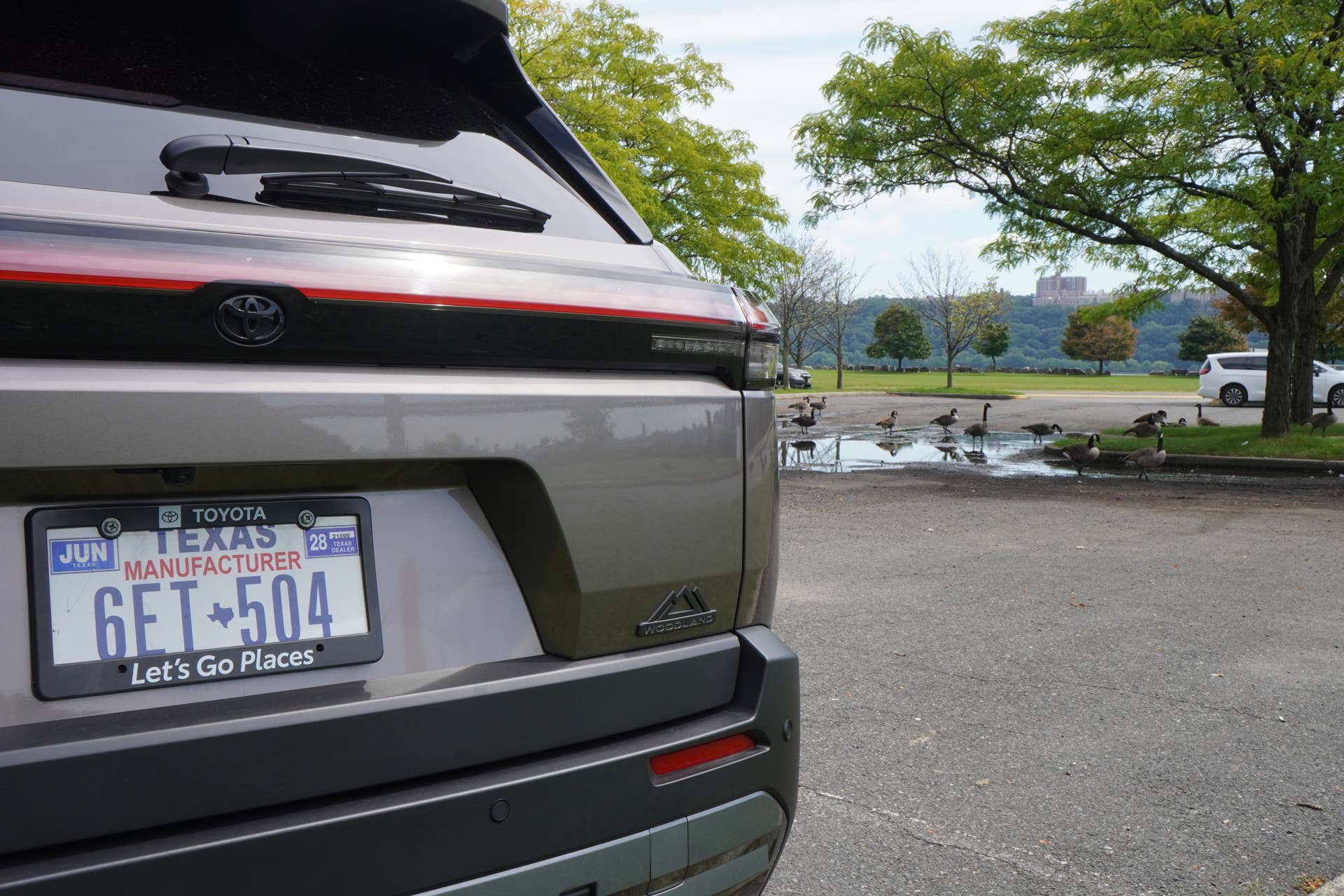
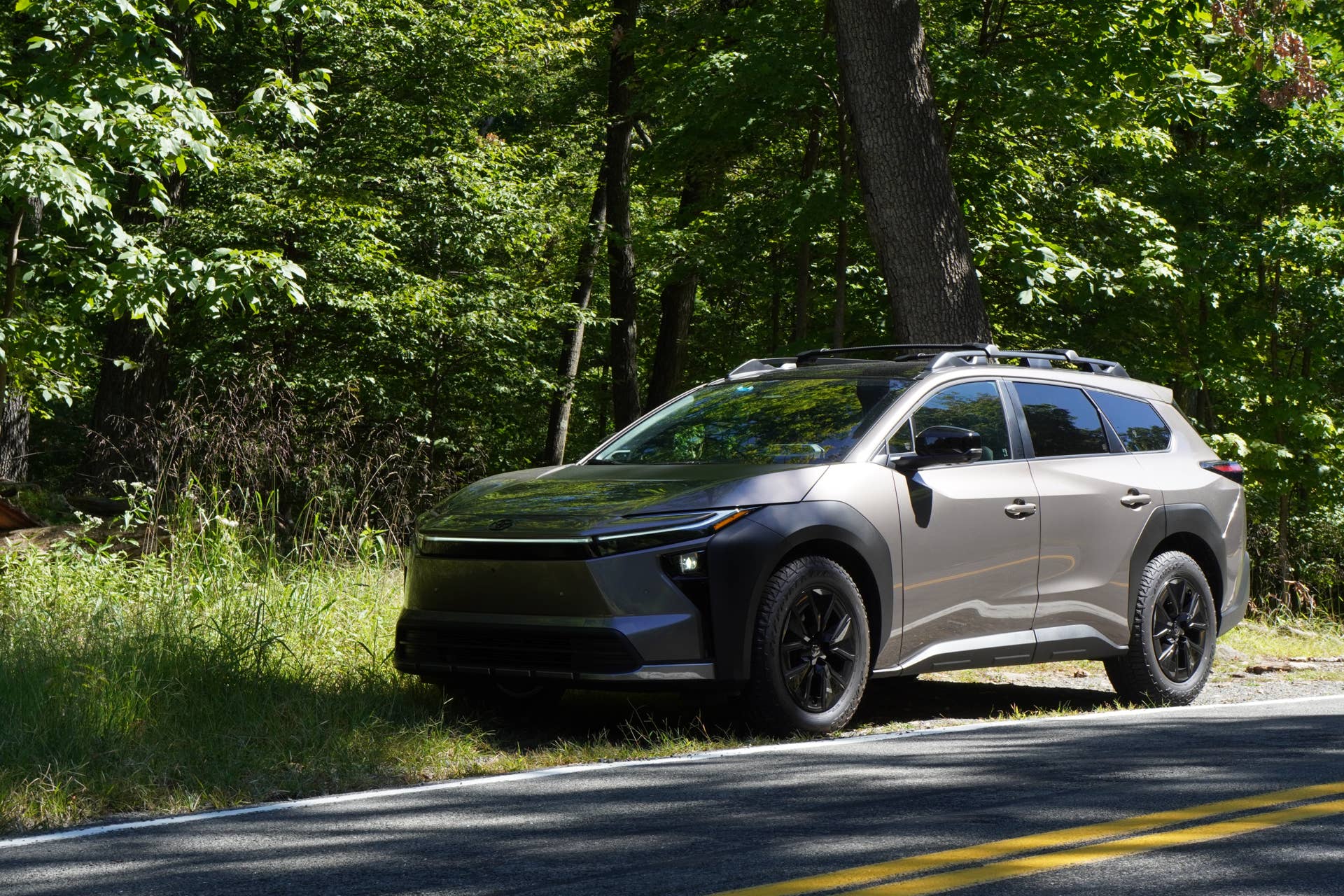
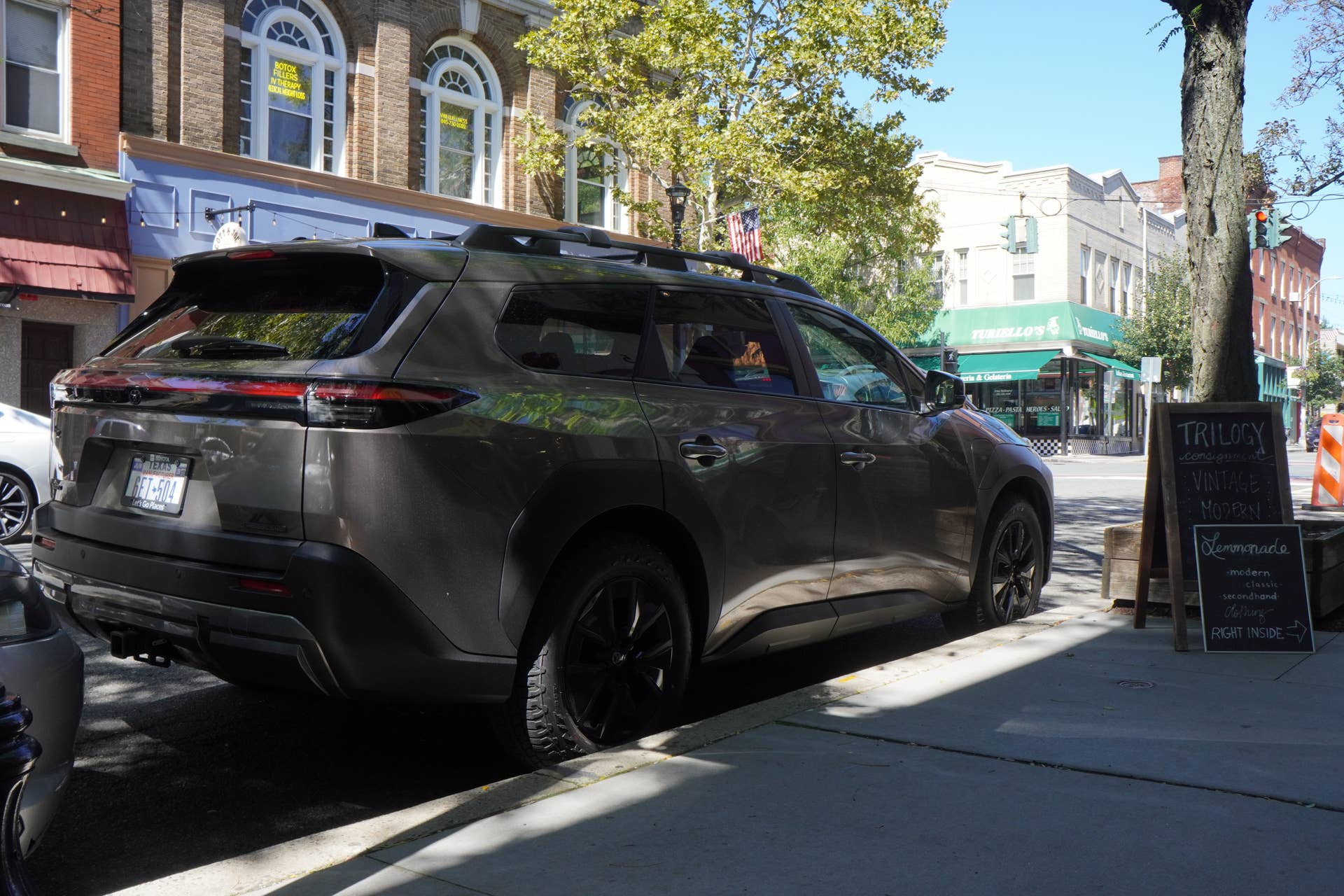
Where the bZ Woodland actually separates itself from the sea of EVs clogging up parking lots around the New York Metro Area is in how it looks. From the jump, the bZ Woodland elongated shape is reminiscent of a station wagon — a shape so rare among new cars these days, that seeing one feels like an even than an occurrence. Its bare-plastic cladding, raised ride height and the all-terrain tires associated with the “soft-roader” aesthetic of contemporary crossovers further adds to its distinction. It gives the bZ Woodland a “tough guy” look that makes it stand out on the street, especially parked next to the Tesla Model Ys and Fisker Oceans out on the streets of Jersey and the City.

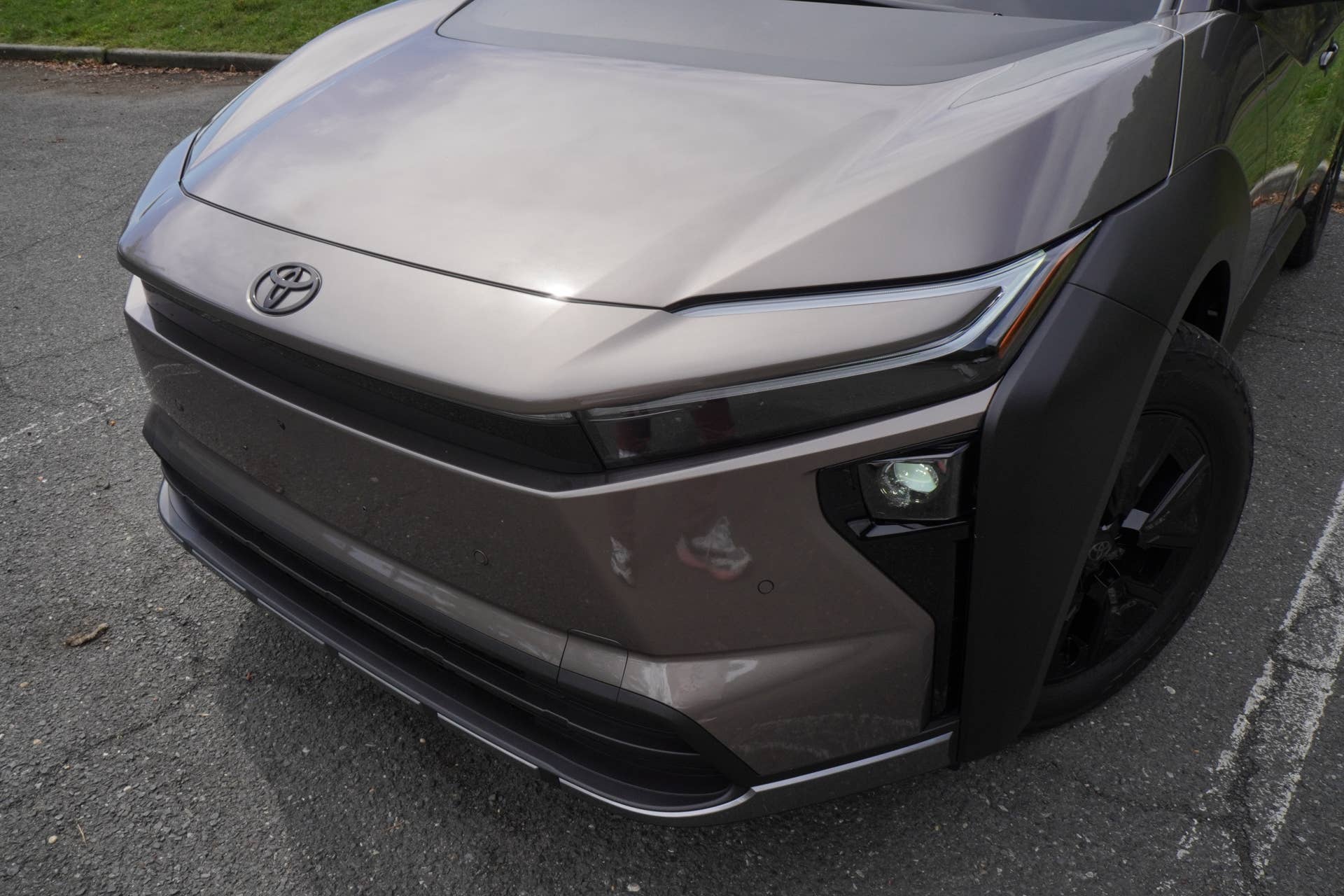
But if you look at it dead-on, straight in the face, you’ll come to an entirely different comparison. The Woodland’s front end wears the same angular LED “hammerhead” daytime running lights as the smaller bZ (and the outgoing bZ4x), and at a glance, that blocky, slatted face is close enough to Tesla’s Cybertruck to make some onlookers do a double take. The comparisons stop there, though. Walk around to the side and the resemblance evaporates — the Woodland’s sculpted, sportier and more aggressive lines read nothing like the Cybertruck’s slab-sided geometry.

Its platform-mate is the Subaru Trailseeker, and it shows. The bZ Woodland’s distinct silhouette gives off the same aura that made rugged wagons like the Subaru Outback part of the uniform for a certain kind of outdoorsy, alternative lifestyle. To be frank, there were times I looked at the Woodland from a distance and thought “it’s a Yakima bike rack away from looking like a proper ‘adventure vehicle’” — the kind of thing the REI and L.L.Bean set likes to imagine itself driving in out in the sticks.

James Ochoa

View the 2 images of this gallery on the original article

Smooth As Butter, Sharp When You Need It

On the road, the bZ Woodland drives like no different from the rest of Toyota’s crossover SUV lineup — and that’s a fair compliment. The suspension is soft enough to soak up the bumps and potholes that line the area’s roadways without breaking your spine or your soul. Its steering is fairly light for getting around parking lots and sharp mountain roads, the ride height sits at a comfortable medium between most small cars and tall full-size SUVs, and the glass around you gives you enough visibility to feel at ease threading through town. 

The bZ Woodland is powered by a dual-motor setup powered by two permanent-magnet synchronous AC motors that make 224 horsepower and 198 lb-ft of torque on their own. In this combined setup, they make a total of 375 horsepower. While it doesn’t sound like a lot of horsepower on paper, it does the job fairly well for a machine that isn’t touted as the next best performance car. To be real and frank, if it did, it’d be wearing a freaking Gazoo Racing badge for pete’s sake — for all intents and purposes, it fares very well as a well-balanced everyday machine. You can feather it around town for maximum quietness and smoothness, and if you take it on the highway, you don’t have to mash the pedal to get it to merging speed. 

James Ochoa

Once you’re already there, cruising at highway speeds feels like absolute butter, with none of the shakes, rattles or general rawness that usually comes bundled with SUV driving. My only complaint is that the bZ Woodland Premium comes with standard roof rails and the one we tested came with optional cross bars, which made a very noticeable buffeting noise that added to the already-annoying road noise from the free-option all-terrain tires at speeds well over 70 miles per hour. No amount of bass or treble from the JBLs can defeat this noise; save some room in your budget for some noise-cancelling AirPods or Beats for your passengers.

But, if you are a spirited driver whose love language is mashing your foot down on the accelerator, you’ll realize the two-face nature of this otherwise-unassuming “family car.” To put it short and sweet: holy sh– is it quick. Push it to overtake a car, or a tractor trailer, and you’re not just clearing that truck — you’re clearing the tractor trailer in front of it, too. We previously reported that instrumented 0-60 times beat Toyota’s own estimates by half a second, going from 0-60 mph in just 3.9 seconds. It feels supercar-quick, no question. 

While it is fast in a straight line, it has some sporting characteristics through the bends. While this is not a car you’re taking to a track day, it stays surprisingly level and composed through tight switchbacks without much body roll. All in all, this tall, station wagon-shaped EV can give you a properly spirited drive in the same way your own family car can, and much, much more.

James Ochoa

View the 3 images of this gallery on the original article

Extremely Tactile With No Frills

If you are familiar with Toyota’s bZ lineup, the inside of the bZ Woodland will feel very familiar. The cabin is headed by a large 14-inch touchscreen, as well as a digital gauge cluster displaying vital driving information in front of the steering wheel — a commonplace standard feature in traditional gas-powered cars that seems like a novel feature among electric vehicles penned by designers chasing the Tesla-led “minimalist” design trend. This feeling is emblematic of what I see as the interior design horseshoe theory: at the extreme ends of minimalism and maximalism, you land in the same place, which is pure, tactile comfort. 

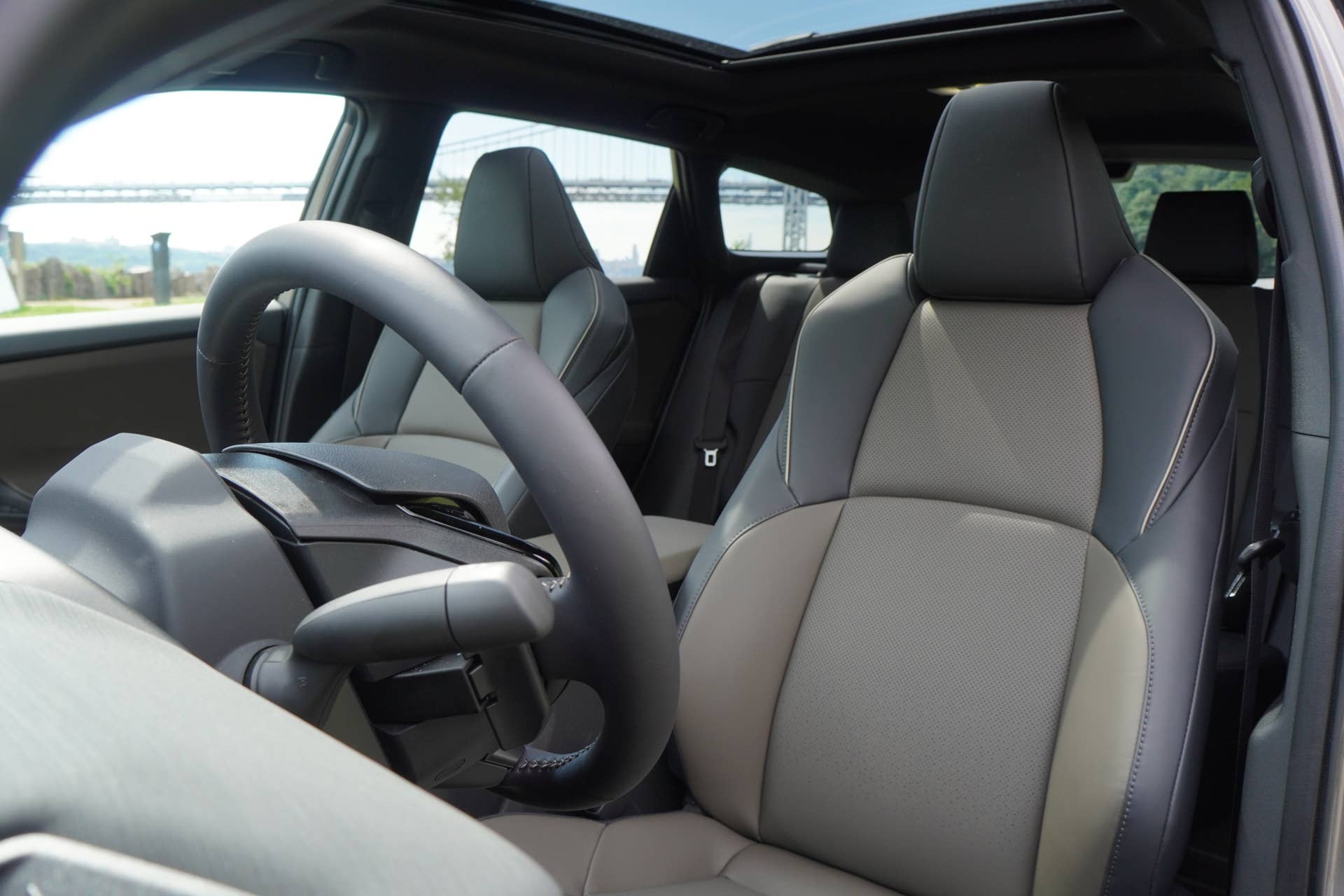
From the moment you plop yourself inside, the Woodland feels like a genuinely luxurious space for the Toyota badge, with soft, supple leather-style SofTex trim throughout. While it comes in just two trims, the Woodland comes well equipped for a “standard” model, with dual wireless charging pads, heated front and rear outboard seats, a heated steering wheel, heated and powered sideview mirrors, dual-zone automatic climate control, and eight-way power-adjustable front seats. Upgrading to the Premium trim adds more toys including ventilated front seats, a digital rearview mirror, a panoramic glass roof, and the aforementioned nine-speaker JBL sound system.

James Ochoa

View the 7 images of this gallery on the original article

The tech follows the same philosophy. The infotainment system and related equipment are feel as if they’re lifted from other Toyota products, and I mean that as praise. Wireless CarPlay connects instantly and integrates cleanly into the main system, with none of the lag or clunkiness you sometimes get from newer EV-specific interfaces. I have zero complaints about the JBL sound system, either; it’s punchy on the bass while staying crisp across genres, which is more than I need given that I mostly have it tuned to podcasts. While I can praise it for keeping physical controls for the temperature and volume, other climate controls like adjusting temperature and vent modes require tapping the screen, which will trigger the car’s un-disable-able hyper-sensitive driver-attention monitor.

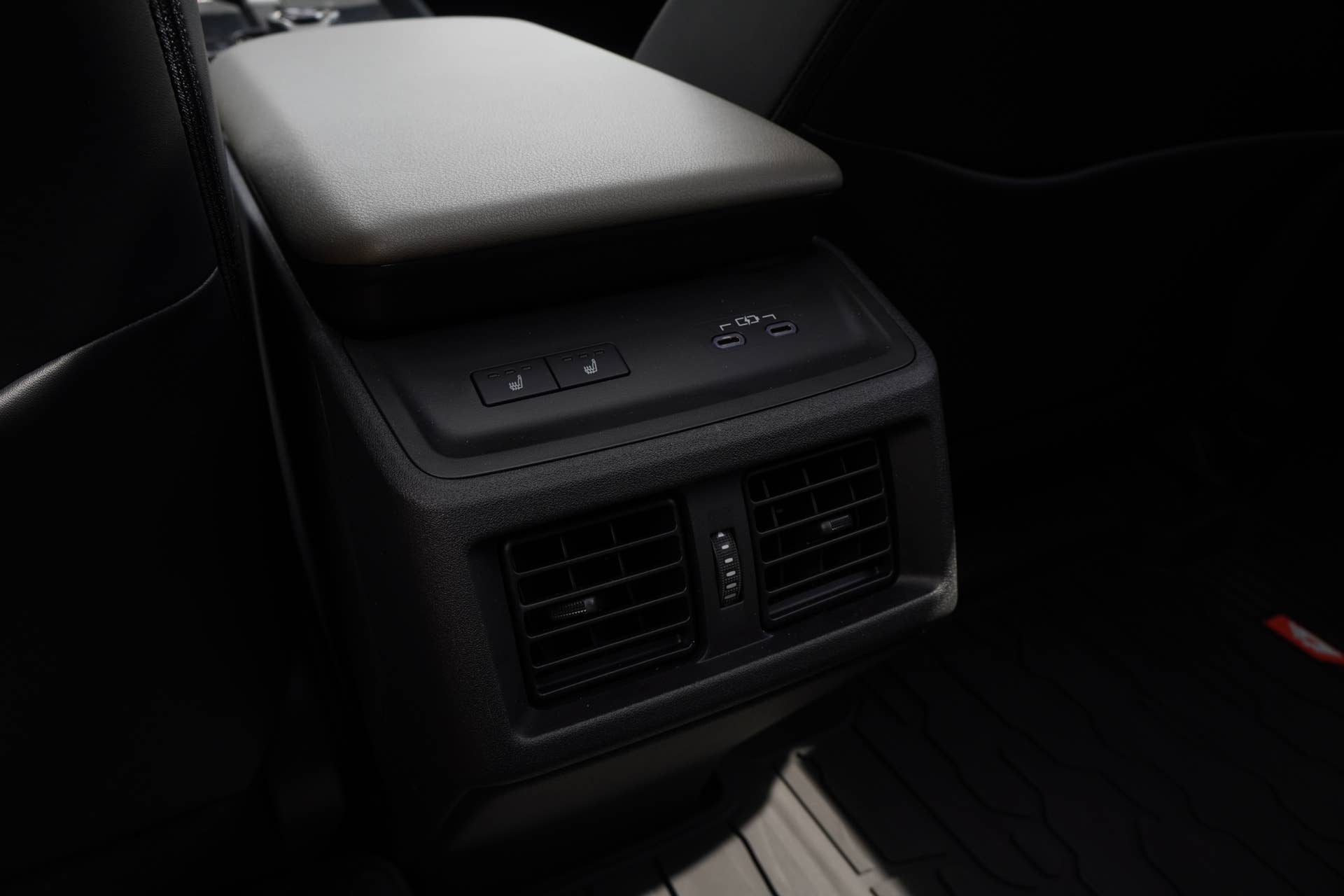
However, practicality is where the bZ Woodland really earns its stripes. Toyota says that it has 33.8 cubic feet of cargo space behind the second row, which is deep and usable enough for a family determined to get every dollar out of their Costco membership. Fold the second row down and you’ve got enough room to haul a stack of flat-pack IKEA boxes home in one trip. In addition to heated seats, rear-seat passengers get their own USB-C charging, dedicated air vents, and enough legroom to dribble a soccer ball. Even sitting behind someone like me, who at 5’7″ still likes to push the driver’s seat back further than I probably need to, I’d bet an adult pushing six feet could comfortably sit back there without complaint.

James Ochoa

The Elephant In The Garage

But for as much as I feel the bZ Woodland gets right, it stumbles hard on the one number that actually matters for EV adoption: range. On a summer day especially, the rate at which this thing consumes electricity can only be described as excessive. In my view, if you are not careful with the electronic gizmos and goodies around the car, including and especially, the air conditioning, the bZ can feel like the EV equivalent of a gas guzzler; which feels antithetical to the idea of switching to electric in the first place. 

The Woodland is powered by a 74.7 kWh battery, and the EPA estimates an effective range of 281 miles from 0-100% on the standard all-season tires, or 260 miles with the all-terrain rubber on my Premium AWD test example — numbers low enough to induce genuine range anxiety. Put those numbers next to the competition and the gap gets harder to ignore. The similarly-priced Tesla Model Y Premium AWD is EPA-estimated at 327 miles, while the top-line Chevrolet Equinox EV RS manages 307 miles in its all-wheel-drive form. For a vehicle intended to be someone’s one and only car, 260 miles simply isn’t enough of a cushion.

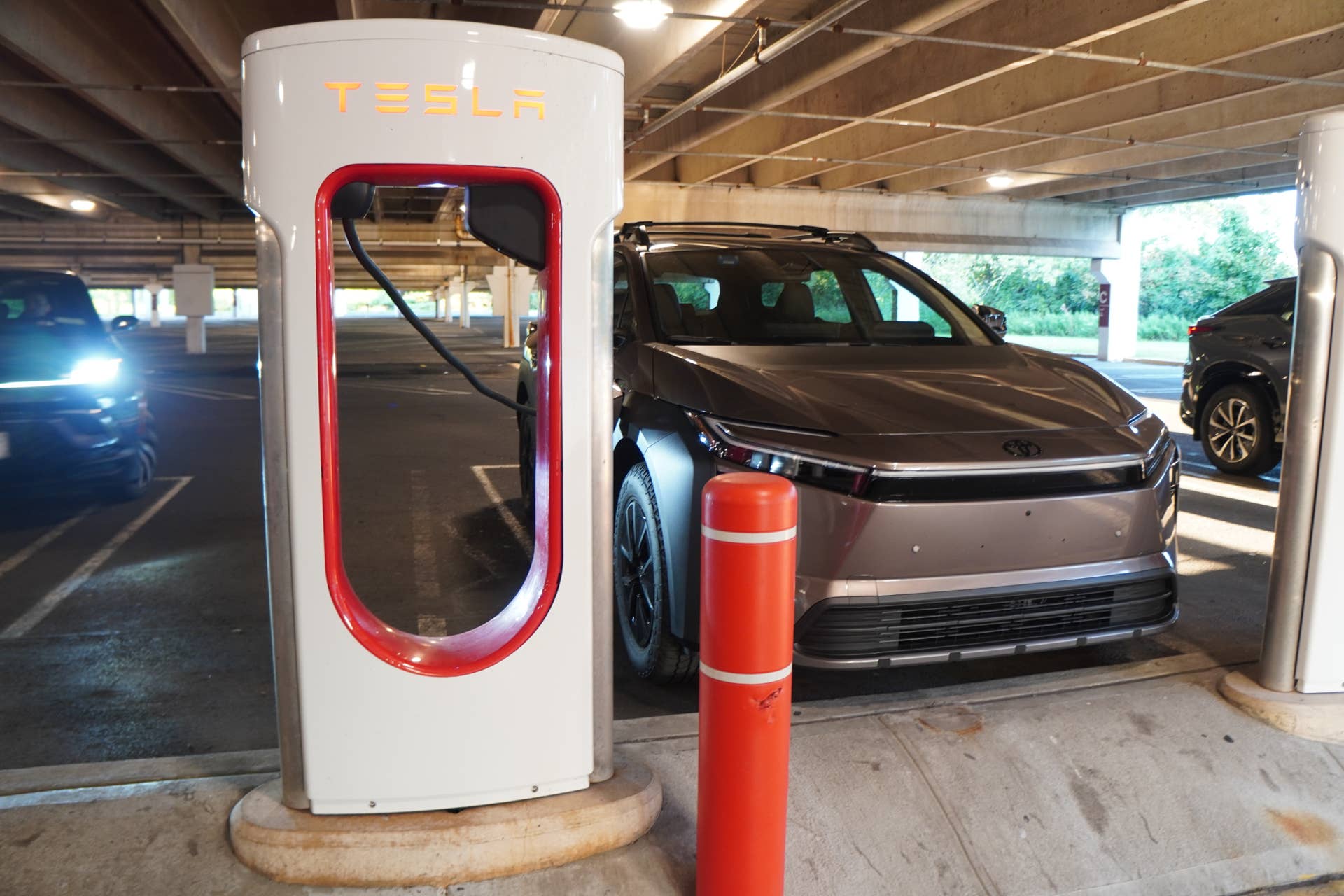
For this reason, I’d strongly recommend having a charger at home if you’re going to live with a bZ Woodland, because otherwise you’ll become a regular at your local Tesla Supercharger or Electrify America station. And that’s the real problem: plenty of households considering the jump from gas to electric don’t have a home charger, and don’t have an easy or affordable path to installing one, especially if it means significant electrical upgrades to an older house, let alone a condo, or a rental. For a vehicle so clearly built to be someone’s comfortable, everyday, do-it-all wagon-shaped crossover, that’s a major setback.

James Ochoa

Final Thoughts

As equipped, the 2026 Toyota bZ Woodland Premium AWD I tested came out to $50,993, which included the $1,595 delivery, processing and handling fee, $350 cross bars, $105 wheel locks, $275 rear hatch cargo lights and a $1,268 adventure tow package. In nearly every way that matters day to day, the Woodland is a great vehicle. It’s extremely user-friendly, spacious, comfortable and a car that is genuinely quick enough to make you feel like you’re driving something more exotic and expensive. 

To make it much better, it’s wrapped in an exterior that stands out against the Model Ys and Fisker Oceans that crowd the streets of New York and New Jersey. It’s the kind of EV that can amke you consider switching from gas feel easy; though the range number can be a real problem for anyone who can’t simply plug in at home overnight. I want to fall in love with the dang thing, but I just couldn’t fathom something so needy.

Still, given all its strengths, failures, quirks and lemmings of personality, I keep landing on the same thought. Vehicles like the bZ Woodland feel like an “aha moment” for electric cars, the kind I haven’t felt since the Tesla Model S arrived: a step toward a “normal electric car.” It’s a giant feat, though it shouldn’t feel like it. Apart from price, what pushes a lot of people away from EVs is the idea that an electric car has to be an all-digital machine that assaults your senses with technology. 

The Woodland doesn’t ask for that. It offers a no-frills EV experience in a familiar form, and it never once feels like operating a rocket ship. It doesn’t need to conquer an actual woodland to be worth considering, since it already handles the daily grind with ease and looks good doing it too.

Disclosure: Toyota loaned James Ochoa a 2026 Toyota bZ Woodland Premium AWD for one week for this review.

Off-Road and Highway Driving in a 2026 Toyota Tacoma TRD Pro i-FORCE MAX Double Cab

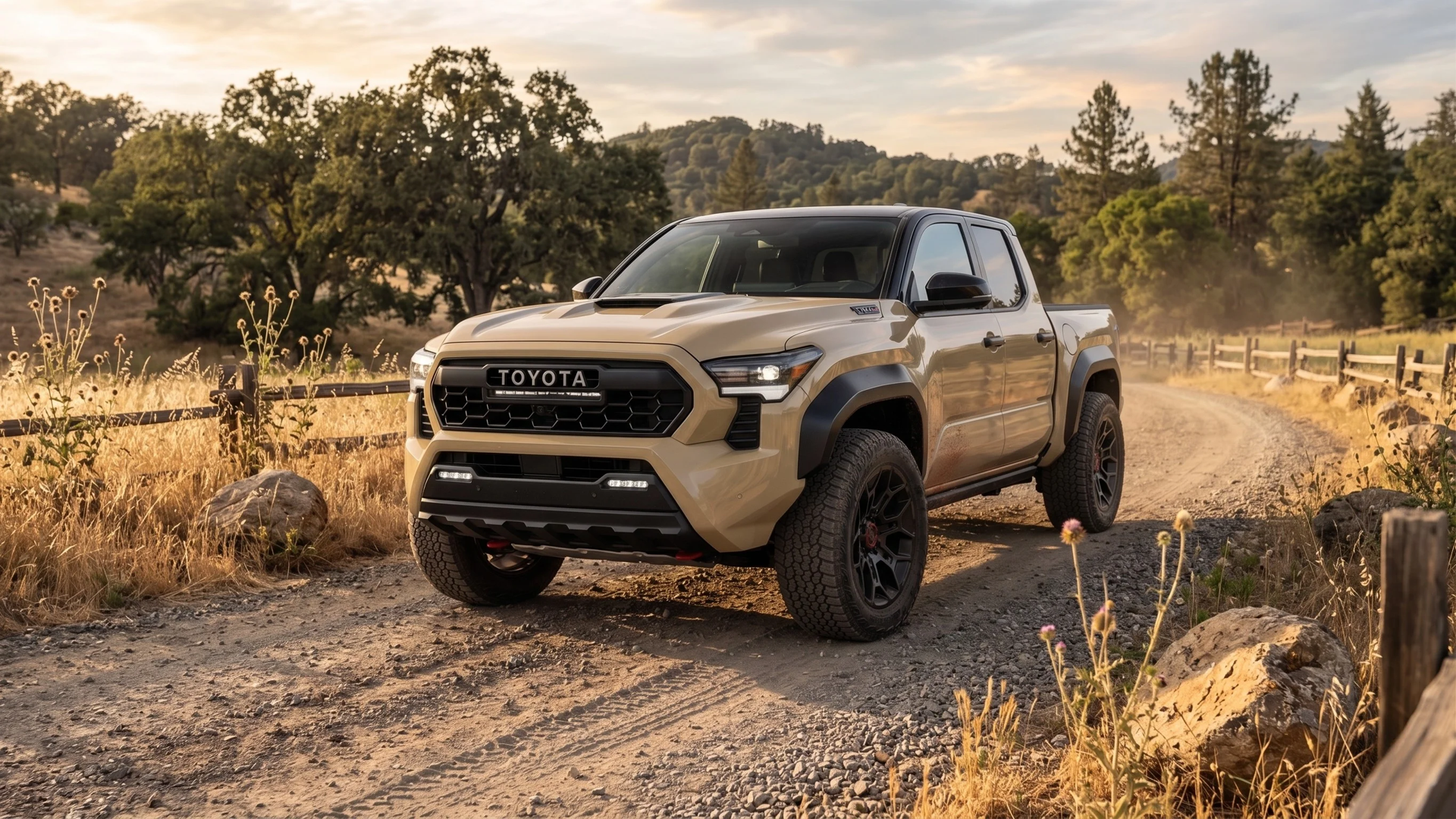
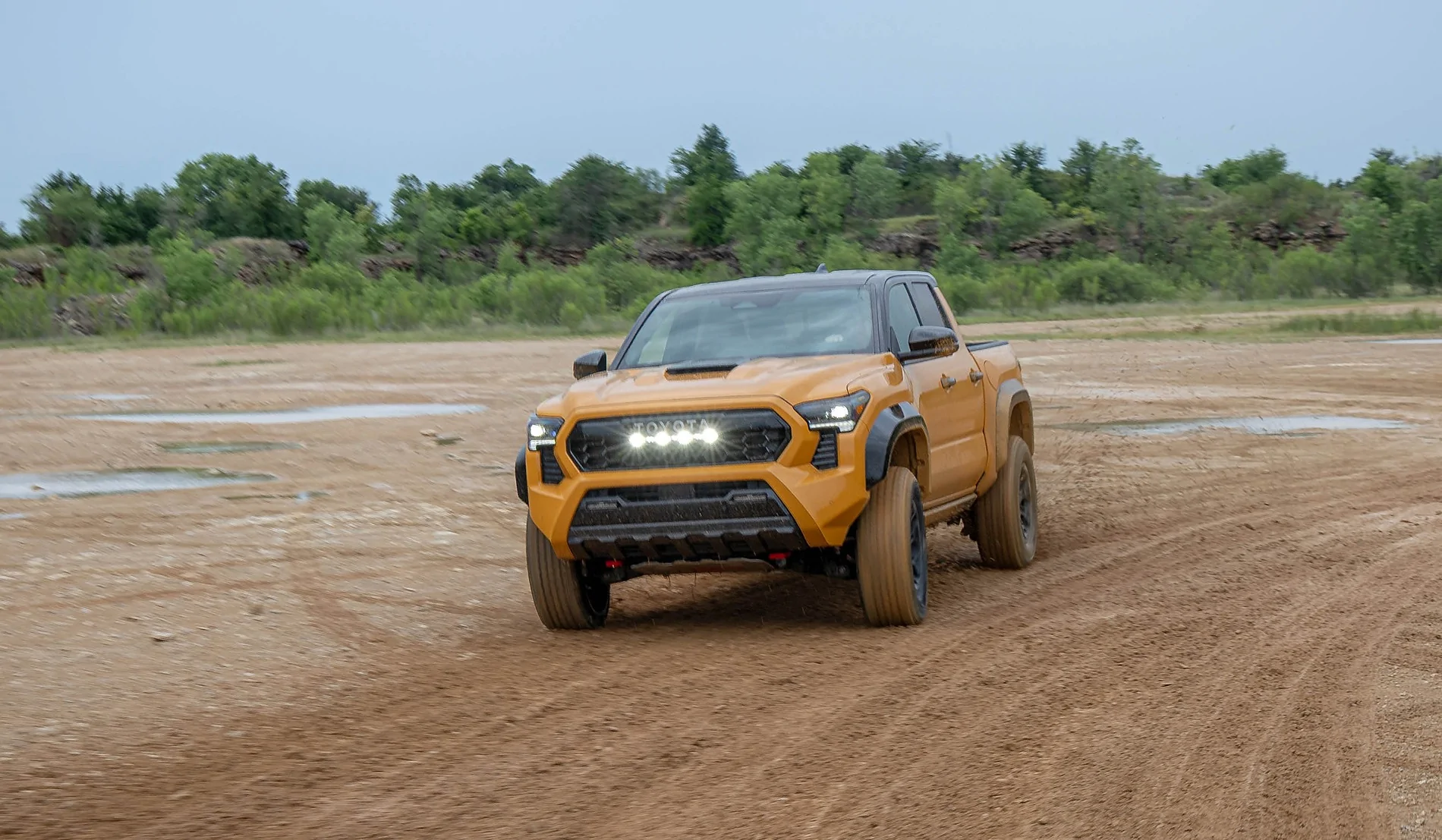
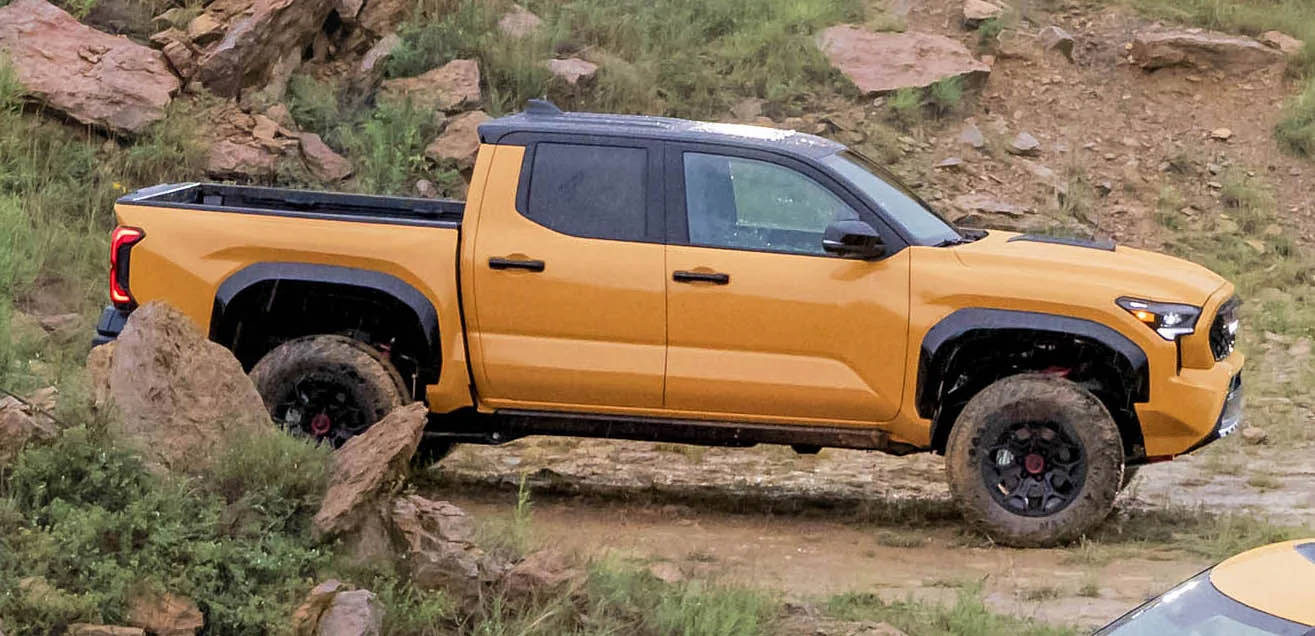
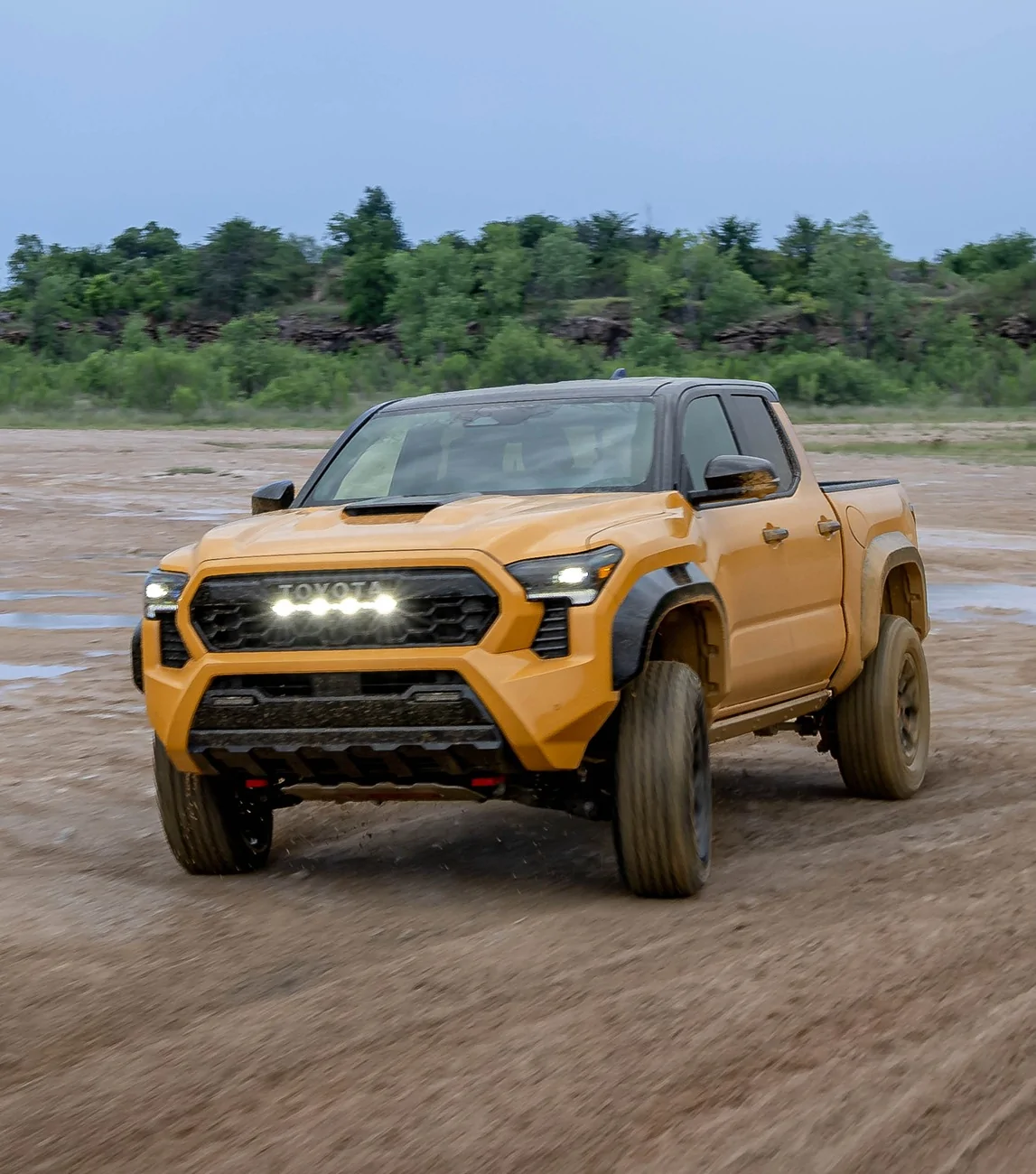
The 2026 Toyota Tacoma TRD Pro has some formidable company. The Ford Ranger Raptor brings more power and is especially well suited to high-speed desert running. The Chevrolet Colorado ZR2 has Multimatic DSSV dampers and front and rear lockers, which make it a serious contender on rocky trails. The GMC Canyon AT4X offers much of the Colorado’s capability with a slightly nicer interior. There’s also the Nissan Frontier Pro-4X, although it isn’t as powerful or as comprehensively equipped as these trucks. This group has turned the midsize pickup class into an off-road arms race. Judging by the prices, nobody remembered to set a spending limit.

The Tacoma TRD Pro comes only with Toyota’s i-FORCE MAX hybrid powertrain. A turbocharged 2.4-liter four-cylinder works with an electric motor and eight-speed automatic to produce 326 horsepower and 465 pound-feet of torque. Those aren’t Ranger Raptor numbers, but the torque is the figure that gets my attention. Strong response at low speeds is useful when you’re easing over an obstacle, climbing a loose grade or trying to keep momentum without launching yourself into the next county. Toyota estimates 22 mpg in the city and 24 on the highway. That’s respectable for a truck like this, but make no mistake: this hybrid is primarily here for muscle.

Toyota

Toyota has given the TRD Pro hardware worthy of its name. It gets 2.5-inch Fox QS3 internal-bypass shocks with rear reservoirs, an electronic locking rear differential and a front stabilizer disconnect. Multi-Terrain Select and Crawl Control can help manage traction and speed when a trail gets tricky, while the high-clearance front bumper improves the approach angle.

Related: Toyota Tacoma vs Ford Ranger 5-Year Depreciation: It’s Not Even Close

Toyota quotes up to 35.7 degrees of approach angle and 11.5 inches of ground clearance. Those figures don’t make every line on a trail a good idea, but they do tell you this truck was designed to leave the pavement. I would still get out and look before putting a nearly $70,000 pickup on top of a pointy rock. Pride heals faster than a rocker panel.

One of the TRD Pro’s strangest features is also one of its most interesting: the IsoDynamic front seats. They have their own damping system intended to reduce the punishment occupants take when the truck is bouncing across rough terrain. It’s the sort of equipment you expect to see in a specialized off-road machine, not something added merely to justify a badge. The trade-off is that the seatbacks are bulky, and rear-seat space in the Double Cab was never generous to begin with. If you regularly carry tall adults in back, invite them to sit there before you buy. Better to hear their complaints in the showroom than three hours into a highway trip.

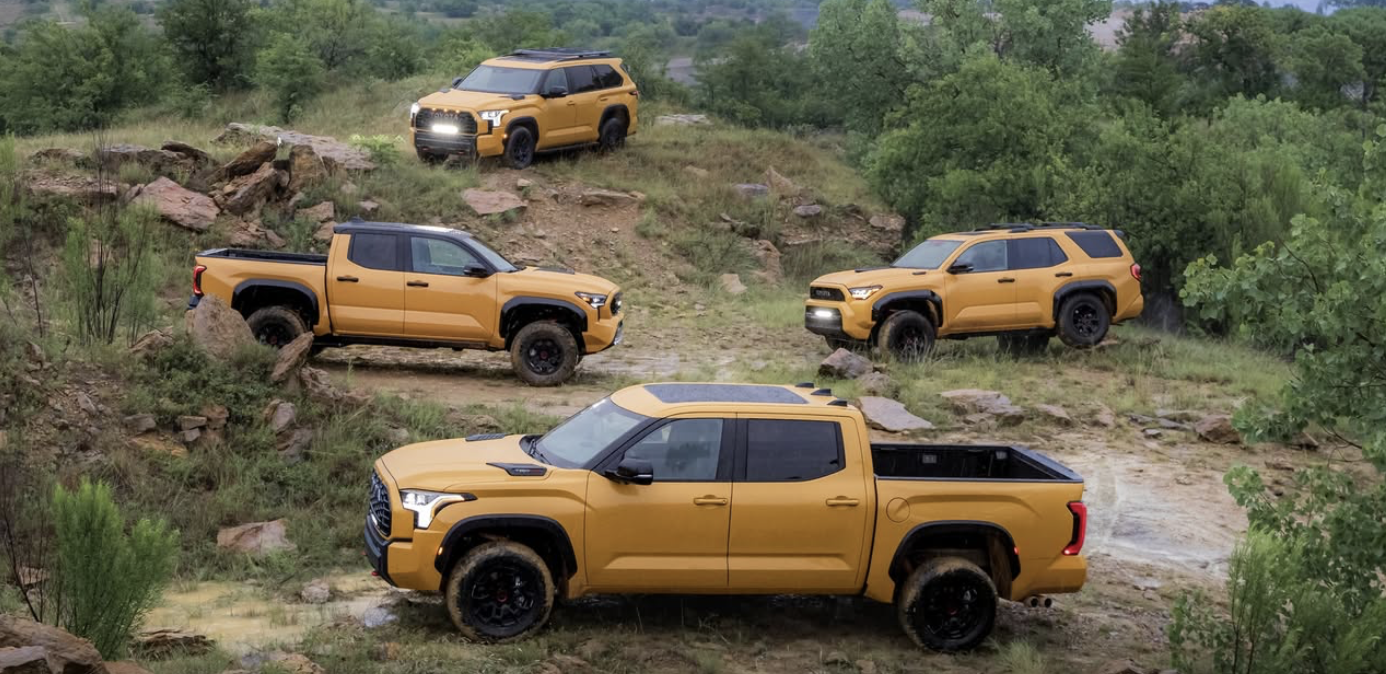
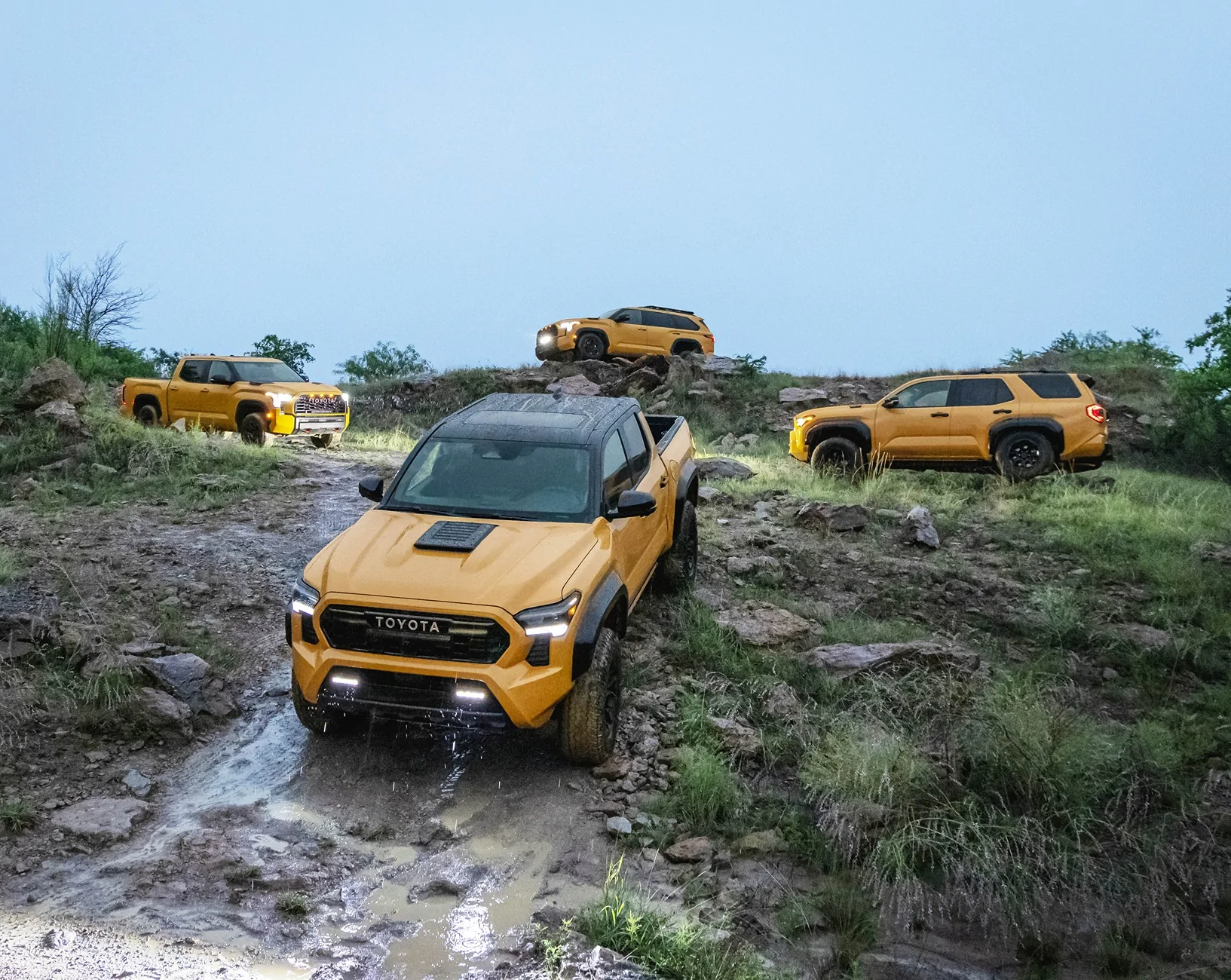
The whole line of TRD Pro Honeycomb editions

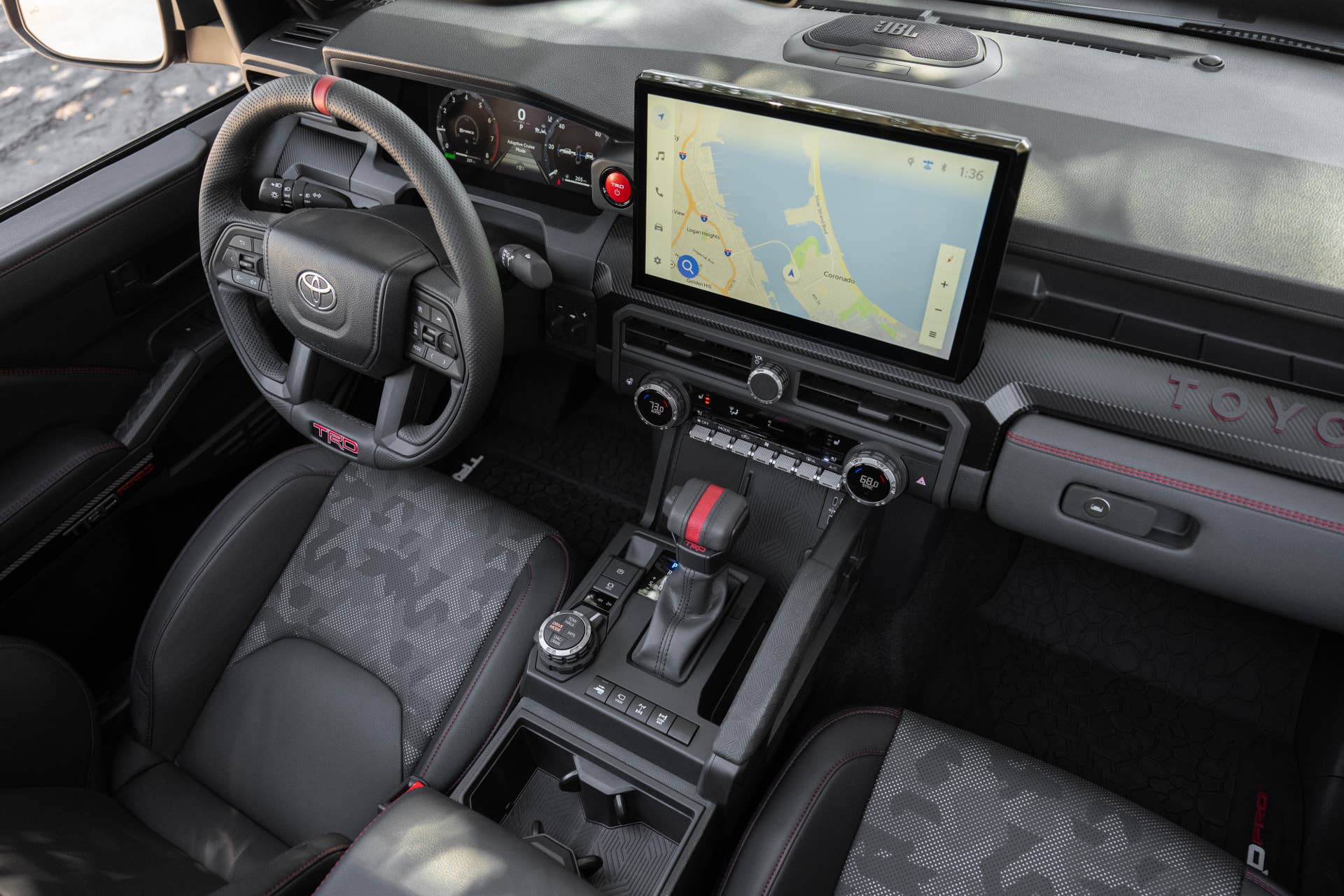
That highway trip matters because even an enthusiastic off-road owner will spend plenty of time getting to the trail. The Tacoma’s hybrid torque gives it useful passing power, and the eight-speed automatic helps it behave like a normal pickup when there isn’t a boulder in sight. Still, the TRD Pro’s tires and suspension are chosen for rough ground, so shoppers seeking a plush, quiet commuter should try one of the less specialized Tacomas. This is a truck whose best equipment becomes most valuable once the road turns ugly. On the way home, the 14-inch touchscreen and 12.3-inch digital instrument display provide modern conveniences, although I appreciate that Toyota also gives the driver actual controls for important off-road functions.

It can do truck work, too. The TRD Pro is rated to tow up to 6,000 pounds when properly equipped, which is enough for a modest trailer or a collection of expensive toys to drag into the wilderness. As always, check the specific truck’s payload and towing labels before loading it with passengers, gear and a trailer. The Double Cab gives you a usable back seat and a pickup bed, even if neither is the most spacious answer in the truck world. The appeal is that you can commute, haul, tow and go exploring without keeping a dedicated trail rig in the driveway.

Final thoughts

Here’s where I become less cheerful. Toyota lists the 2026 Tacoma TRD Pro at $64,750 before options and other charges, and a well-equipped example can pass $68,000. That is an incredible amount of money for what used to be considered an affordable midsize pickup. The Ranger Raptor, Colorado ZR2 and Canyon AT4X also ask buyers to open their wallets wide, so Toyota isn’t alone in this madness. It just happens to have joined in enthusiastically.

I still think the TRD Pro makes a compelling case. The Ford is the more obvious choice for fast desert driving, and the Colorado’s front locker gives serious rock crawlers something Toyota does not. The Tacoma counters with a strong hybrid powertrain, a thoughtful collection of trail equipment and enough everyday usefulness to justify driving it the other six days of the week. I’m not over the moon about the price, but I can see why someone who actually uses its capability would pay it.

That has to mean something.

Related: I Drove the 2027 Kia Telluride X-Pro SX-Prestige: $58,335 Buys a Lot of SUV

I Drove the Range Rover SE. It’s a Like a Mountain Goat Dressed in Loro Piana

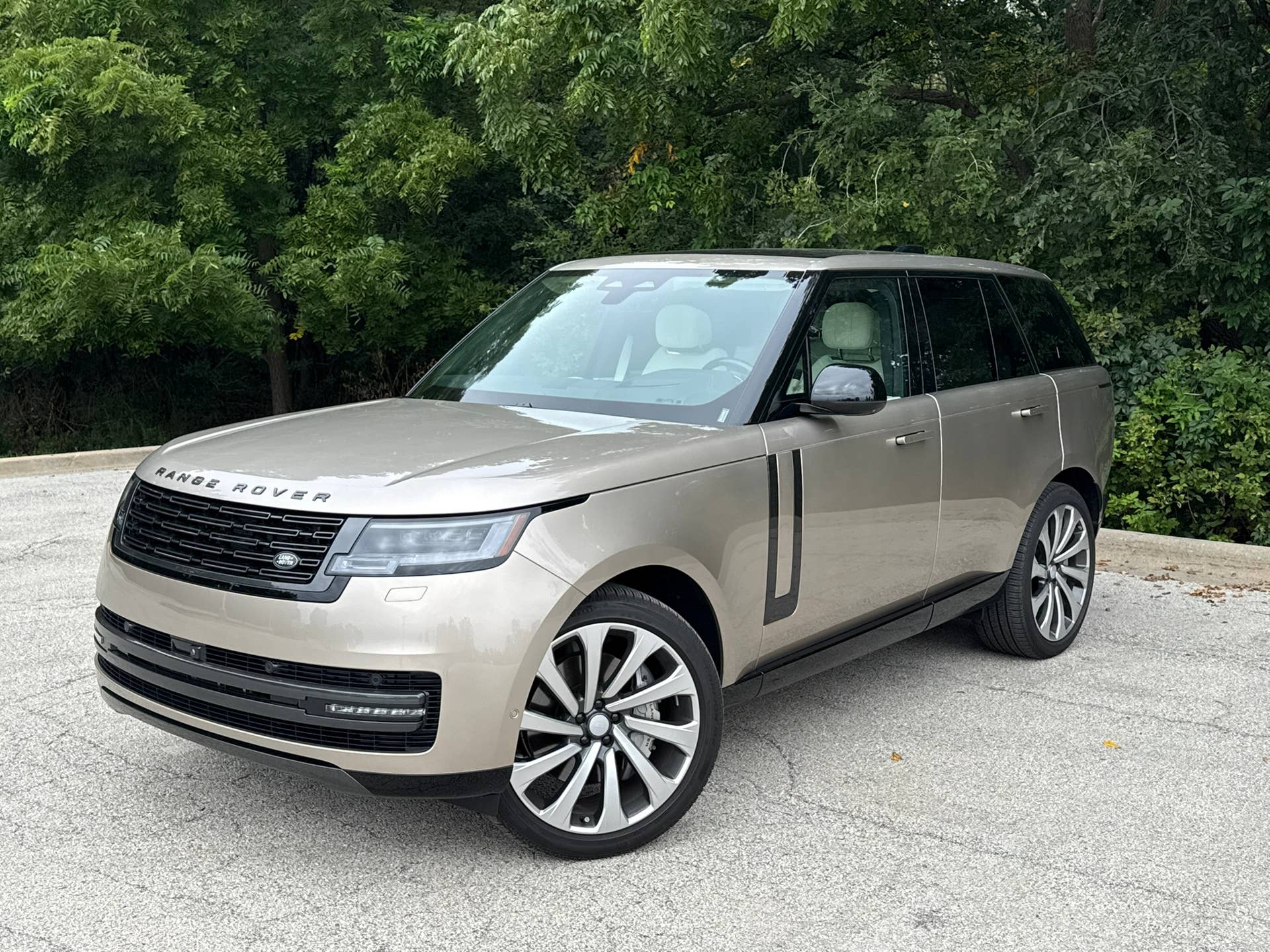
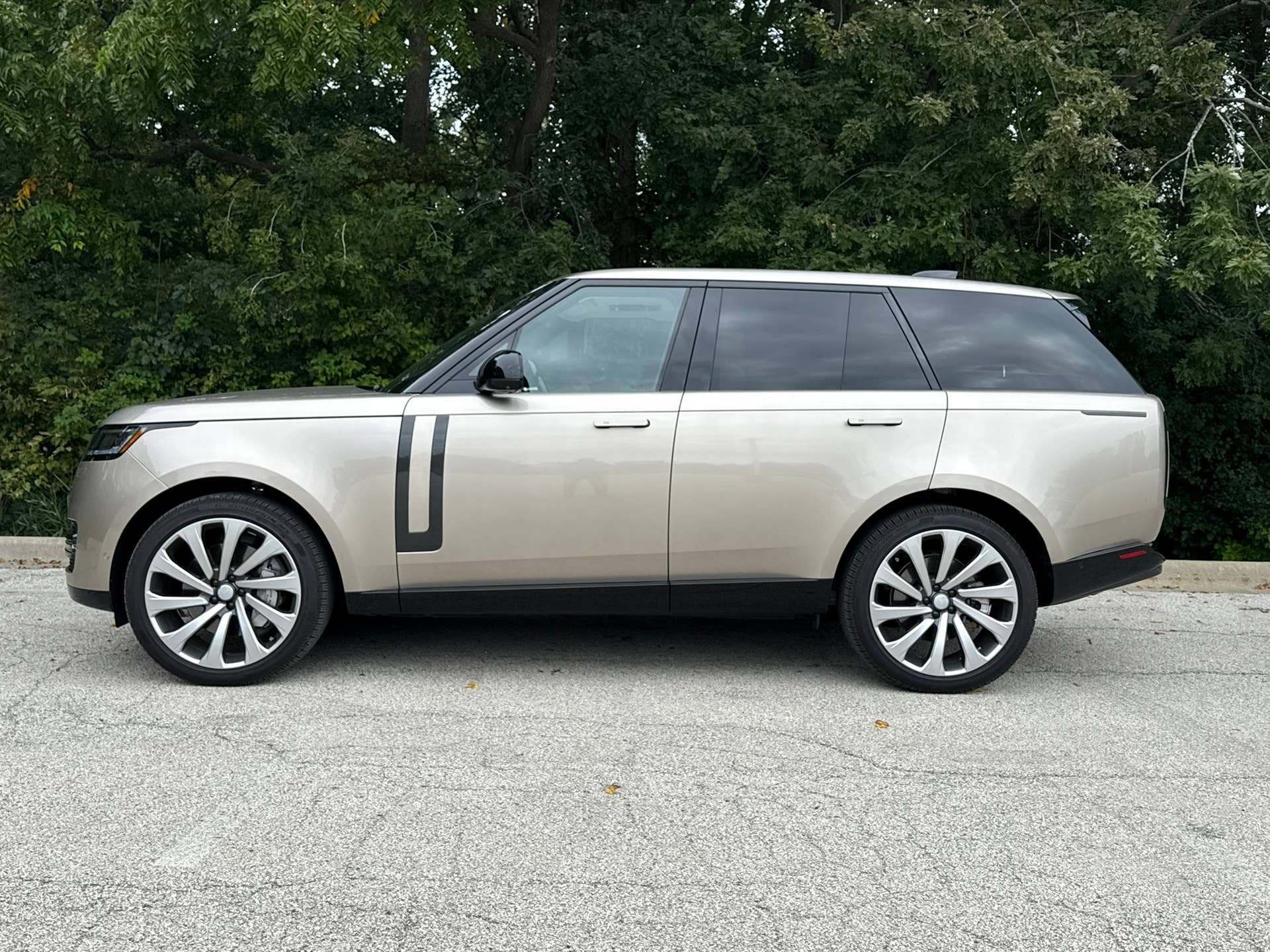
There is no rational way to look at a Range Rover and see anything less than a posh and polished cruiser. It is tall, sleek, expensive, serene, and snobby. The exterior oozes refinement and thumbs its nose at more plebeian fare. Over the past three generations, it has evolved beautifully to become simpler in its design but also somehow more upscale. The Range Rover even manages to upstage BMW X7s without even trying. It also happens to be capable of scrambling over terrain that would make most luxury SUVs scurry for cover. Its only real competitor is the Mercedes G-Wagen.

Amos Kwon

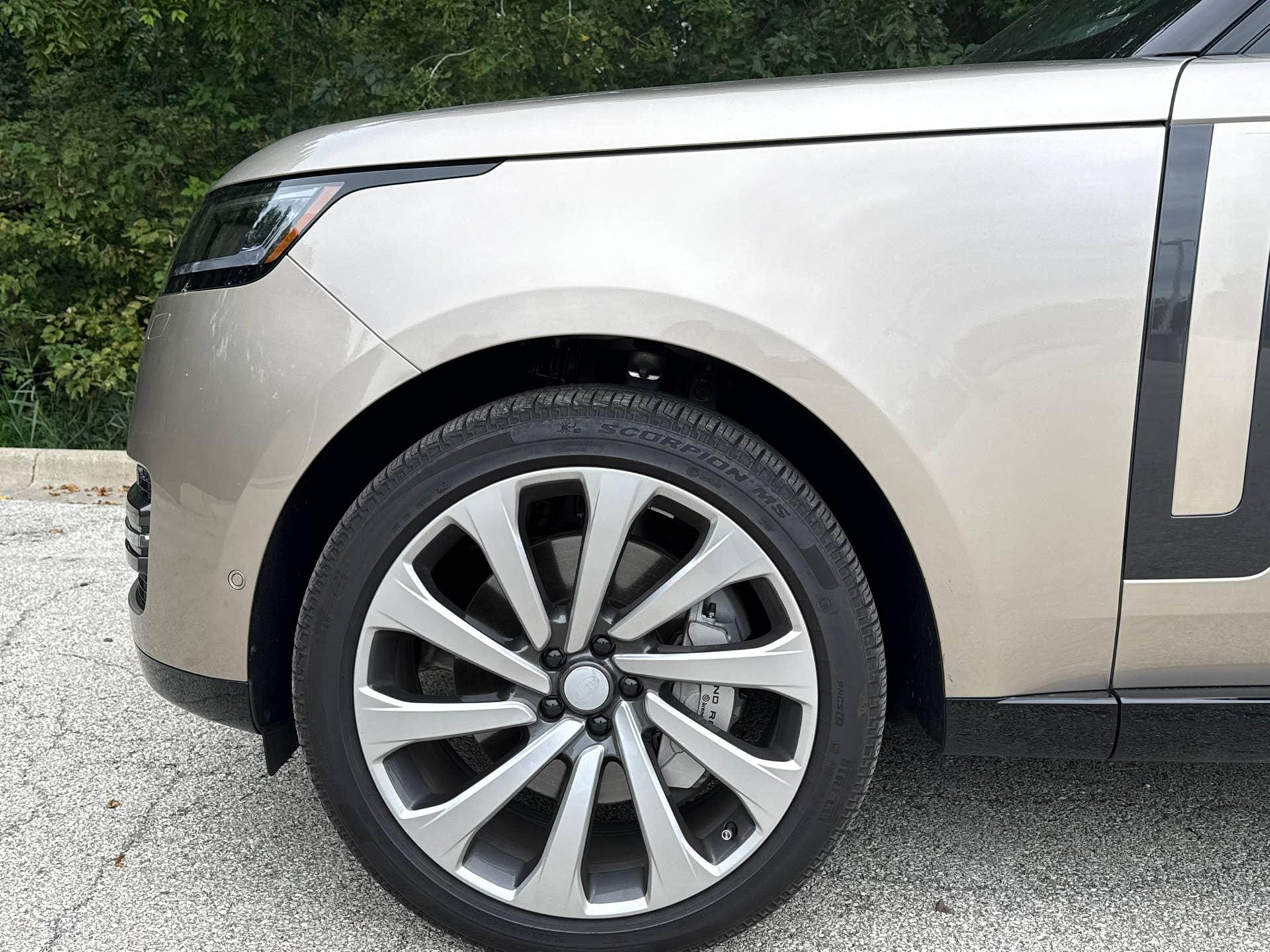
If you knew nothing about the legendary Range Rover’s off-road prowess, you’d be convinced by the affluent suburban moms behind the wheel that this SUV was strictly for cruising and shopping. It wears its capability with the nonchalance of someone arriving at a muddy trailhead in the finest athleisure wear the world has to offer. Clad it in Batumi Gold paint ($1,950) and big 23″ turbine-style wheels, and and the bling-factor levels up. My tester’s base price was $134,100 with the twin-turbo V8 enging choice. With options and the $2,150 destination fee, the total price came to $155,535.

A SIinky Range Rover? Yes and Yes.

Amos Kwon

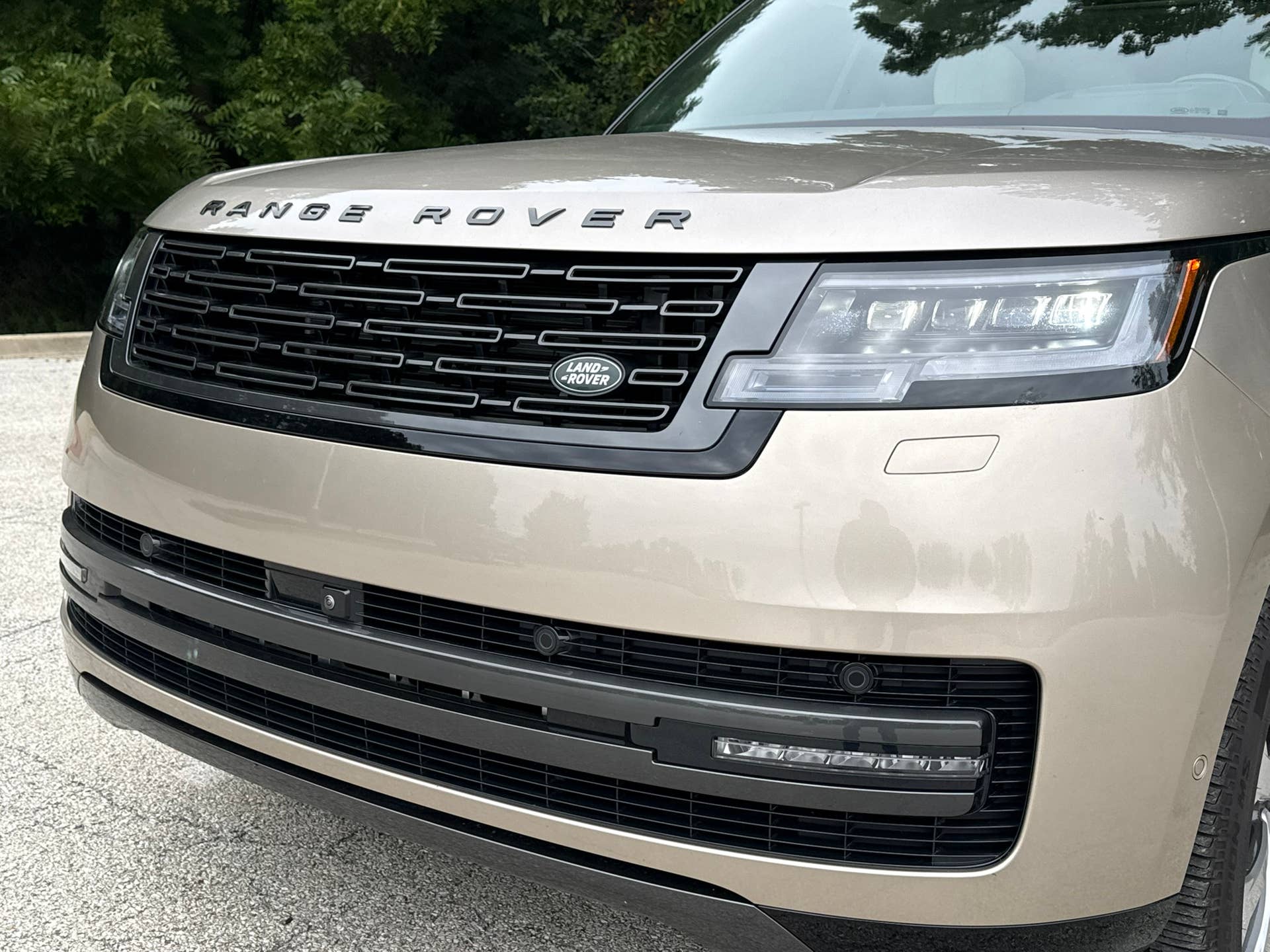
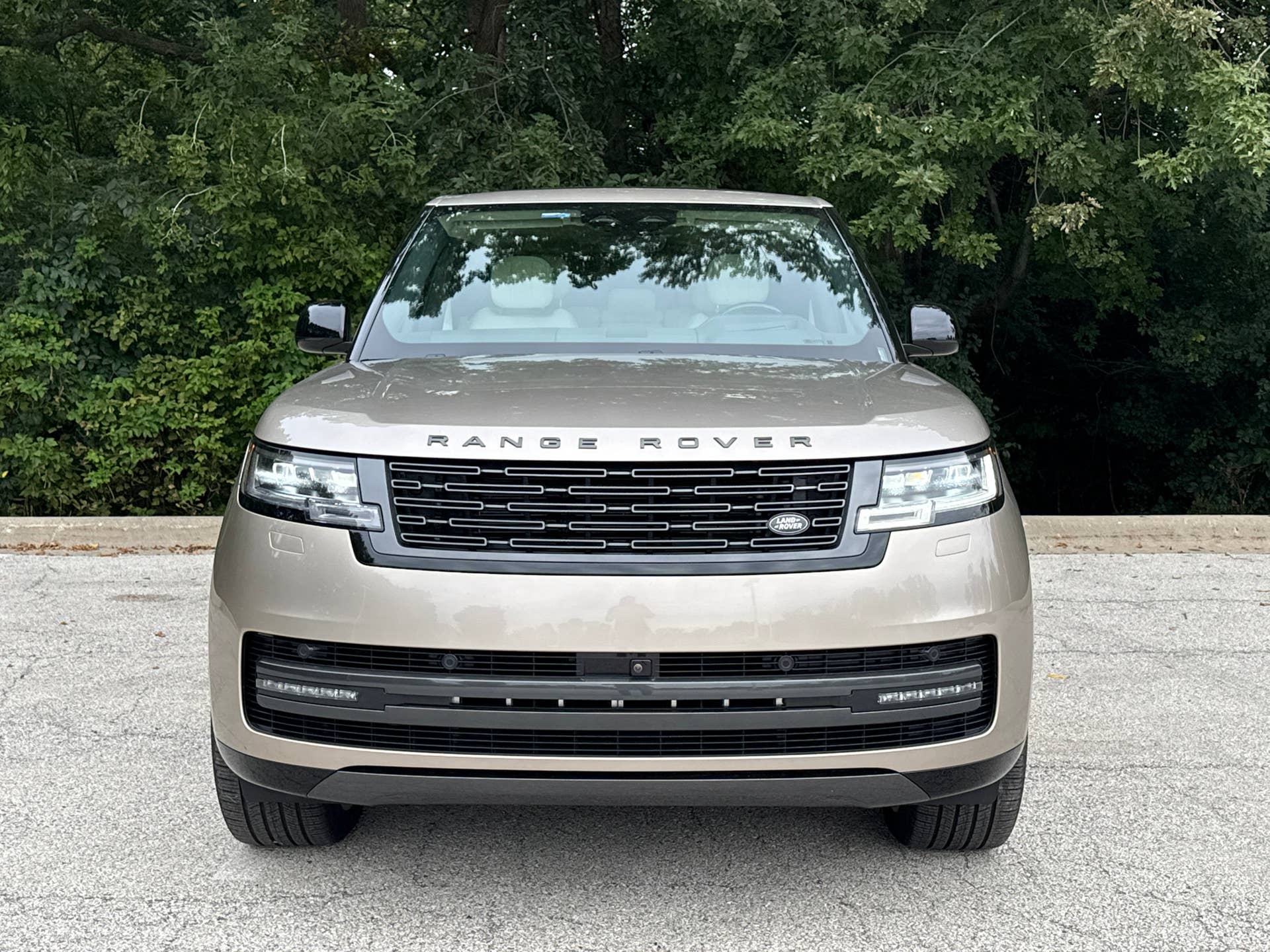
For some, it would be hard to tell the difference between the last Range Rover and the current (5th) generation. While the current Range Rover, which debuted in 2022, retains the model’s iconic shape, it smooths out the doors with flush handles and simplifies the vertical door appliques. The grille is slightly smaller with a new mesh patter, and the headlight clusters have been reshaped. The Range Rover’s lower fascia now has full-width aperture that incorporates vents and LED foglights.

Amos Kwon

View the 4 images of this gallery on the original article

The biggest change between the generations is the rear fascia. The result is a more refined and more cohesive look. The back end has no resemblance to the last Range Rover. It loses the blocky taillights and the unifying metallic silver bar. The 5th-gen’s slim vertical taillights are simple but very attractive, helping frame the liftgate with the two black horizontal bars. Since the tailights no longer wrap around on the rear quarter panel, that section looks more refined and more muscular, at the same time. There isn’t a cleaner, more refined look on any luxury SUV.

Power and Smoothness Behind the Wheel

Amos Kwon

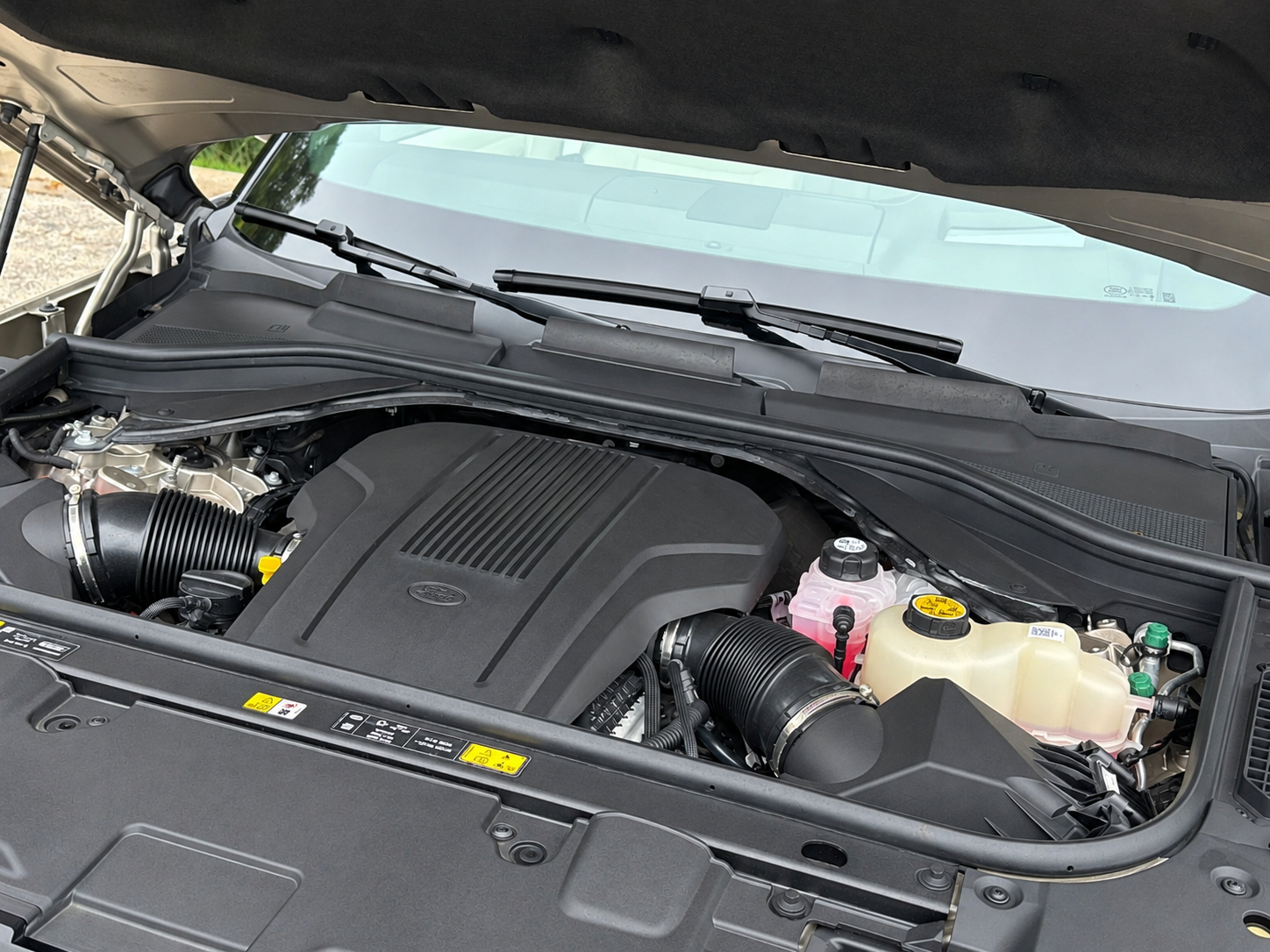
The Range Rover’s road manners are impeccable. No, it’s not a sporty SUV, but it’s seriously potent with the twin-turbo V8. The level of on-demand thrust is significant (0 to 60 mph in the low fours). The 523 horsepower P530 engine is silky but authoritative. What’s even more noticeable is the sublime ride. nd the ride. Its adaptive air suspension has an uncanny ability to take the sharpness out of bad pavement without even trying. Even big bumps are dispatched with ease. The larger 23″ wheels don’t do it a disservice, either, and the Range Rover behaves without feeling isolated and spongy.

Amos Kwon

The steering is light but accurate, and it’s not hard to place the big Range Rover where you want. There’s ample body roll, but the balance and control are predictable. It’s not sharp like a BMW X5, but the Range Rover isn’t meant to be driven like a sporty SUV. Take it off road, and it’ll display its goods better than just about any other luxury SUV. It comes with Electronic Air Suspension with up to 11.6 inches of ground clearance, Terrain Response 2 with selectable drive modes (Mud/Ruts, Sand, Rock Crawl, and Grass/Gravel/Snow), an Electronic Active Rear Locking Differential, and Wade Sensing for water fording up to 35.4 inches.

Amos Kwon

One major plus for the Range Rover is its four-wheel steering, one of the best I’ve used. It significantly reduces its turning radius, and on some streets it makes the three-point turn obsolete. Getting into tight parking spots is made similarly easy, and the system provides remarkable nimbleness for such a big vehicle.

Fuel economy is less enchanting. The EPA fuel economy rating for the Range Rover P530 with the 4.4-liter twin-turbo V8 engine is 16 MPG city, 21–22 MPG highway, and 18 MPG combined. During my week behind the wheel, the Range Rover V8 did just over 13 mpg, and I hardly used Dynamic mode.

Luxury Digs With Some Odd Decisions

Amos Kwon

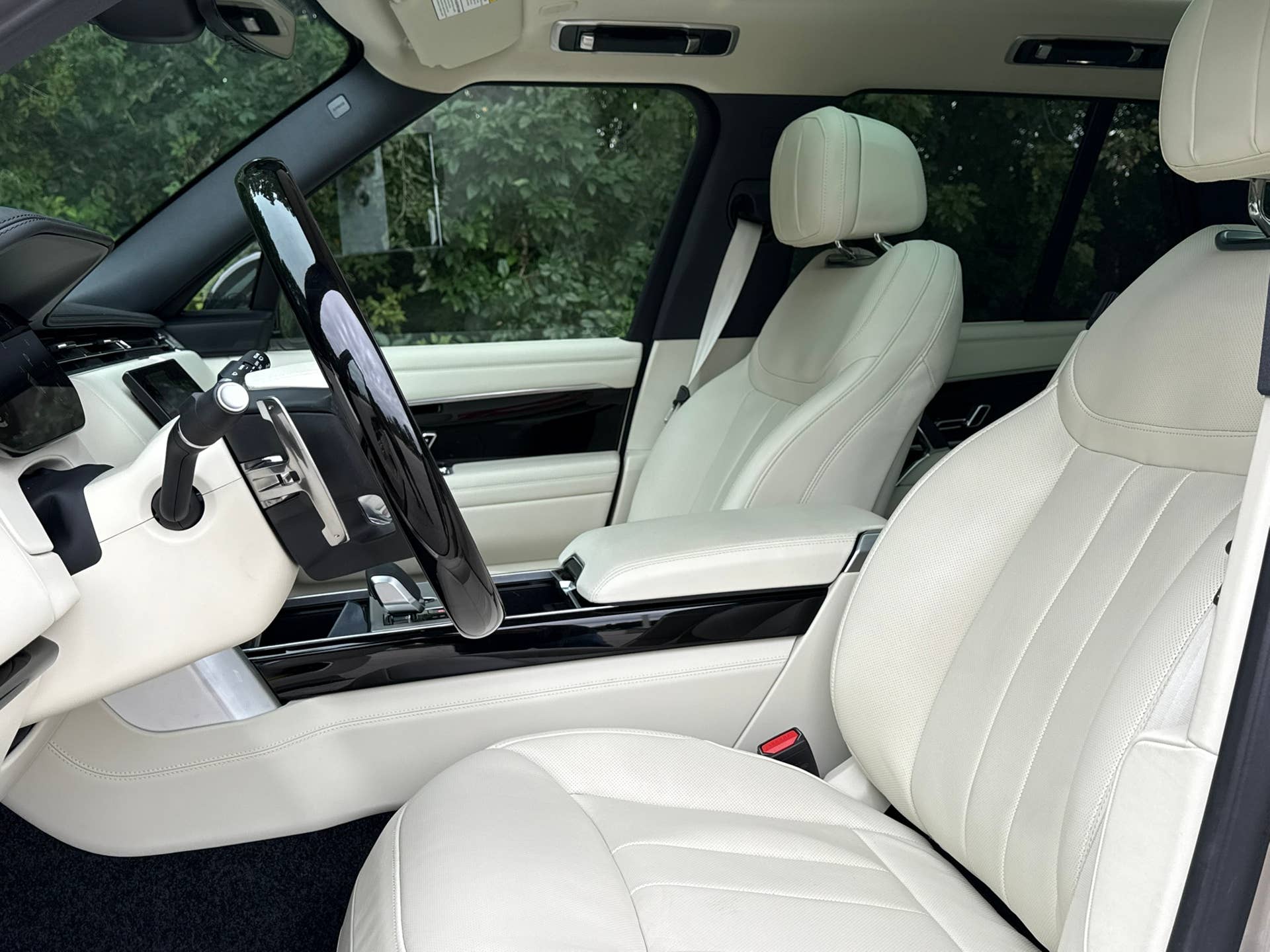
The cabin is a mixed bag. While beautiful and rich, it’s not especially accommodating. Despite the high-end leather upholstery, the front and rear seats make you feel like you’re sitting on them rather than in them. The lumbar feels uncomfortable even in the tamest of settings. The middle position in row two is especially punishing with overly dramatic bulges in the cushion and backrest. My tester did not have the optional third row.

Amos Kwon

View the 2 images of this gallery on the original article

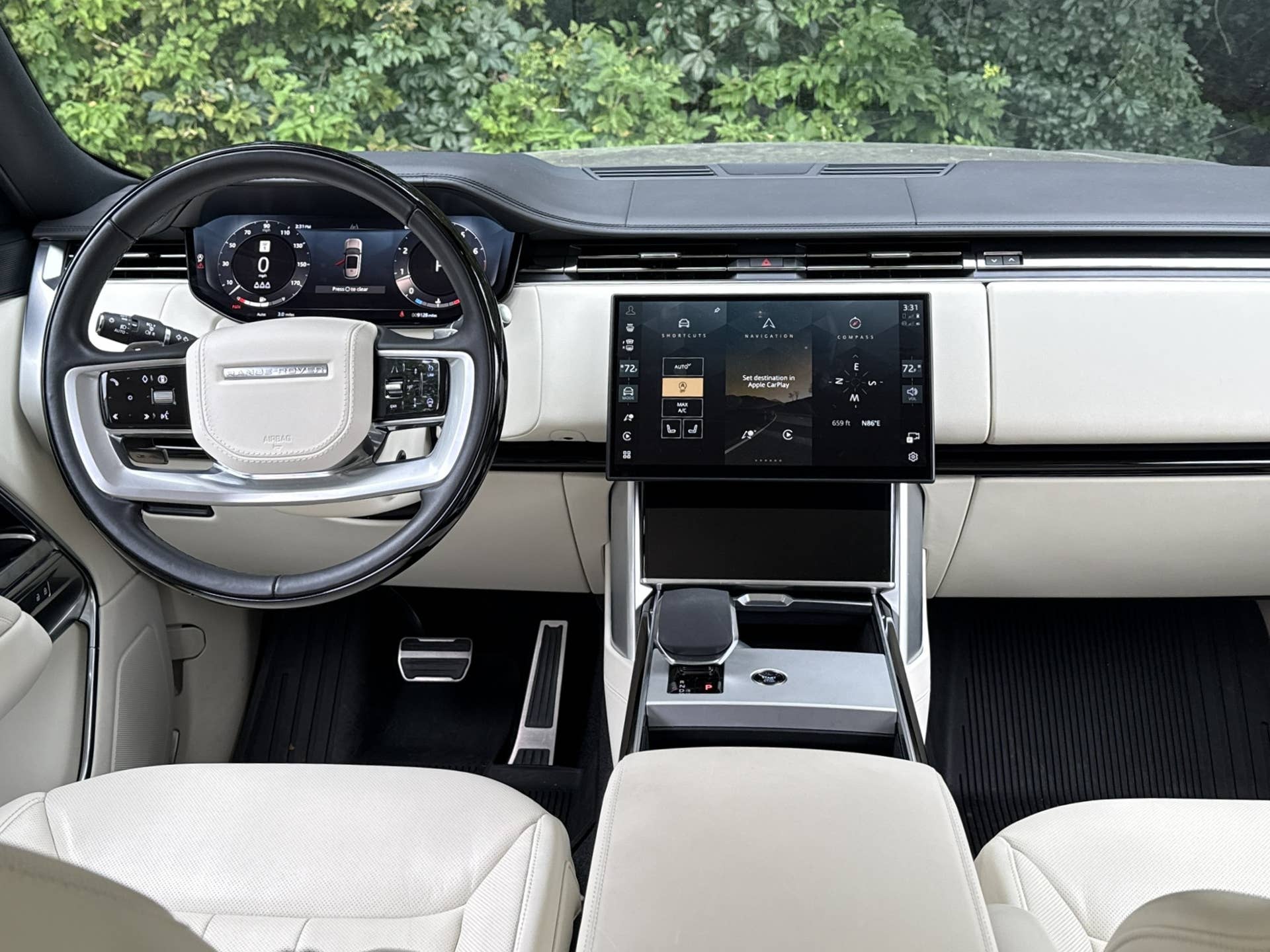
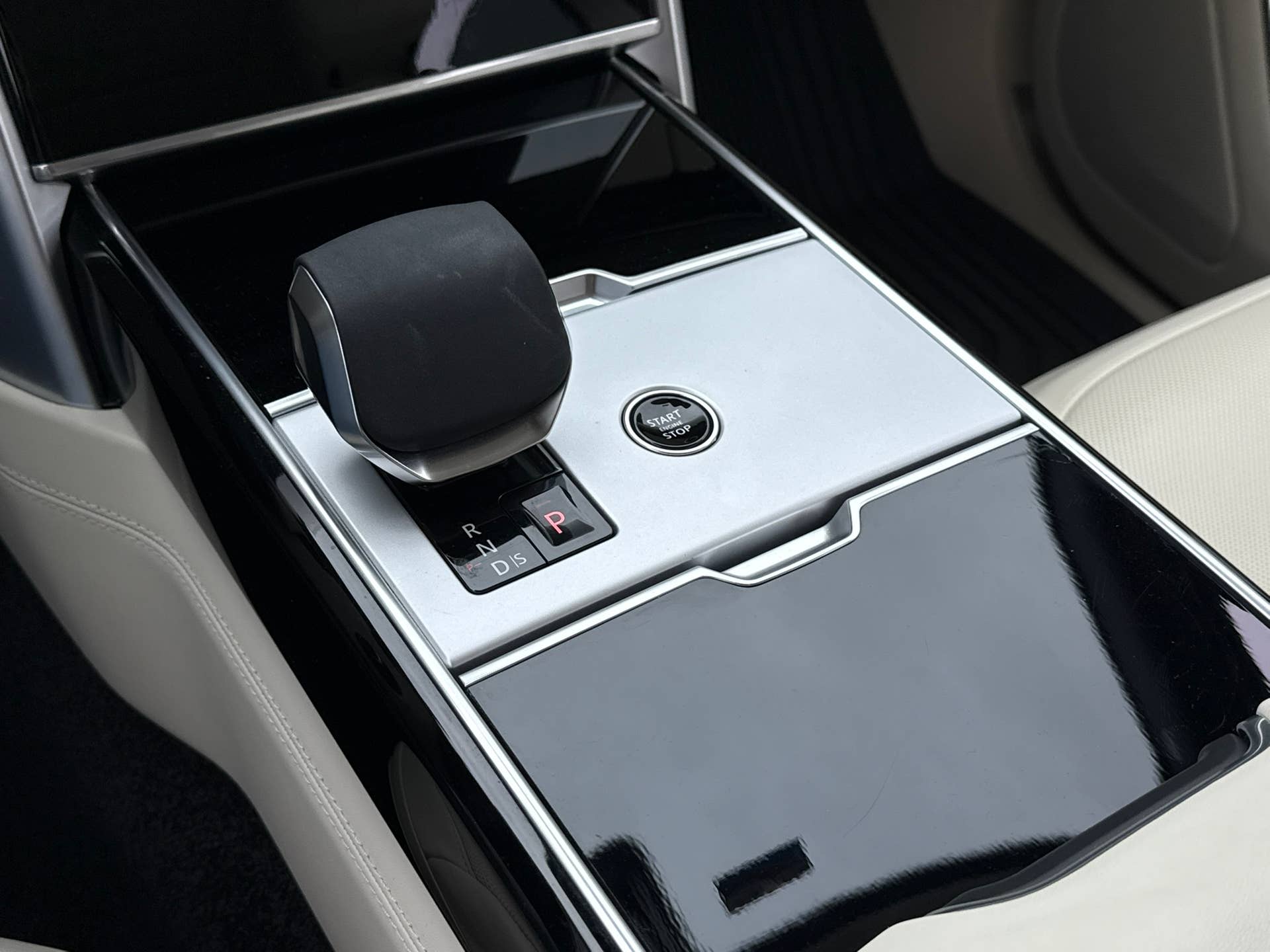
The interior design is restrained rather than in-your-face like the current BMW or Mercedes ethos, with broad two-tone horizontal surfaces, thick and soft leather, and a lack of visual clutter. Even the modestly sized infotainment screen, as well as its placement, contribute to the simplified look. It’s lounge-like with some compromises like the optional piano black plastic on the center console and on the doors (way too much on the doors).

Amos Kwon

View the 3 images of this gallery on the original article

The curved central touchscreen is crisp and dramatic, but Land Rover’s pursuit of minimalism occasionally goes too far. Aside from the painful absence of switchgear, the Pivi Pro screen is obfuscating, and the inconsistently responsive haptic feedback is annoying. You have to menu dive to make seat support adjustments, get heated/cooled seats, adjust vent aperture, etc. Speaking of menus, they’re not intuitive, and I found myself constantly scanning to find the function I needed.

Amos Kwon

View the 4 images of this gallery on the original article

It’s difficult to full capture how bad the climate controls are. There’s a haptic temperature slider, but sliding it or tapping it doesn’t bring up the climate menu. That’s a separate icon, and then you can start making changes on the screen. To make things worse, you can move the HVAC vents on the dash by moving the adjustment tab, but you have to adjust the aperture on the touchscreen, which makes no sense. Changing ambient lighting is also an exercise in frustration. At least the angled instrument cluster is crisp and data is easy to configure in the center display.

Final Thoughts

The Range Rover SE is powerful, rugged, sexy, and occasionally impractical in ways that become more conspicuous at this price. As it was meant to be, however, the Range Rover is hard to ignore even with the sketchy reliability. Few vehicles combine this level of comfort, visual appeal, off-road credibility, and on-road power. It is a mountain goat with a personal tailor—and, somehow, it still makes the combination work. You have to get past some usability and comfort issues to do so, but what a show it is.

I Drove The V8 Land Rover Defender OCTA: It’s Ridiculous In Every Way

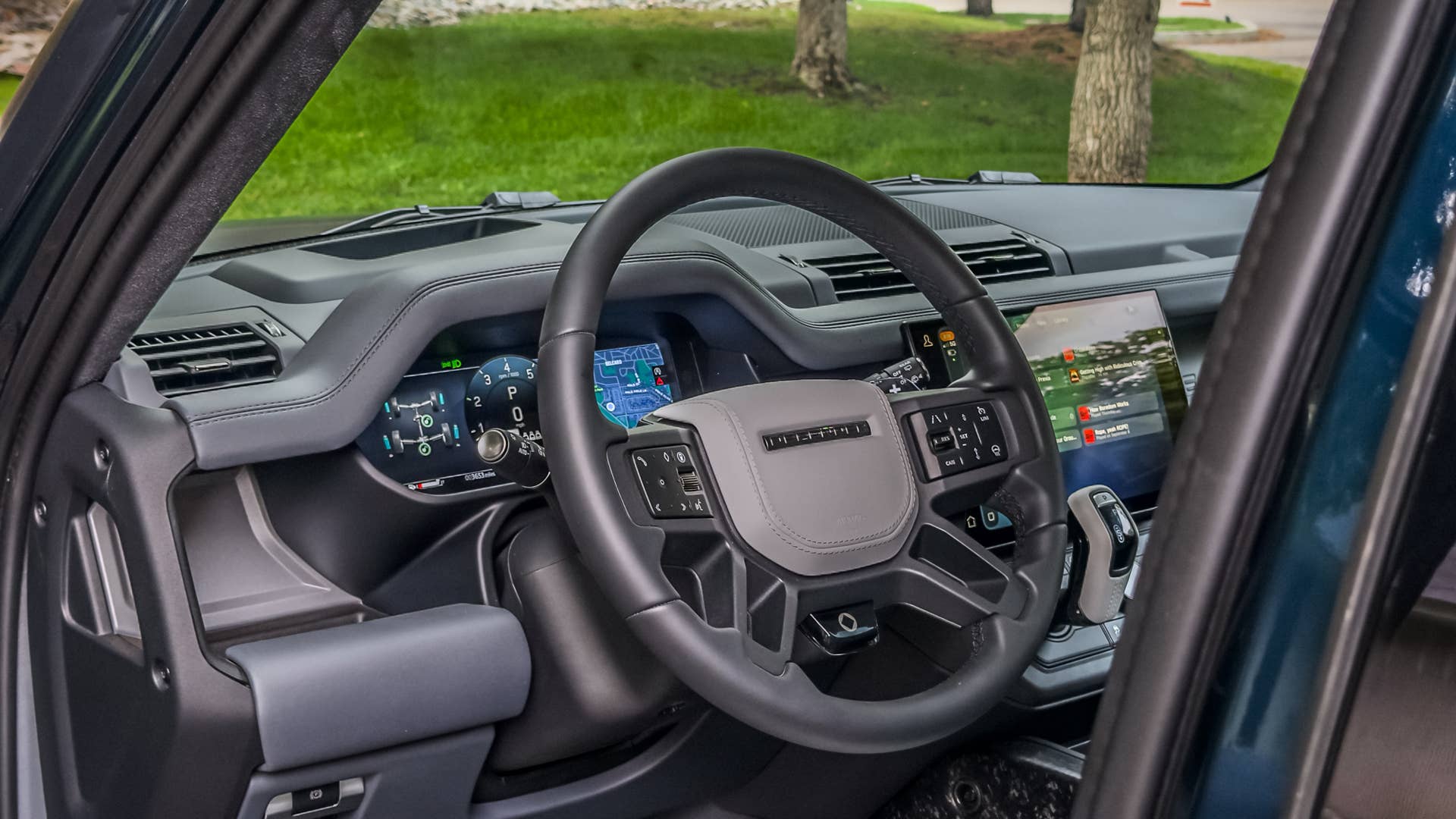
Climb up into the cab of the 2026 Land Rover Defender OCTA, and you’d be forgiven for missing the memo, at least up front. The OCTA is supposed to be the brand’s most extravagant, ridiculous, over-the-top off-roader, but it isn’t immediately apparent from the driver’s seat. Push the start button, which is the same as you get in the standard Defender, and all that changes.

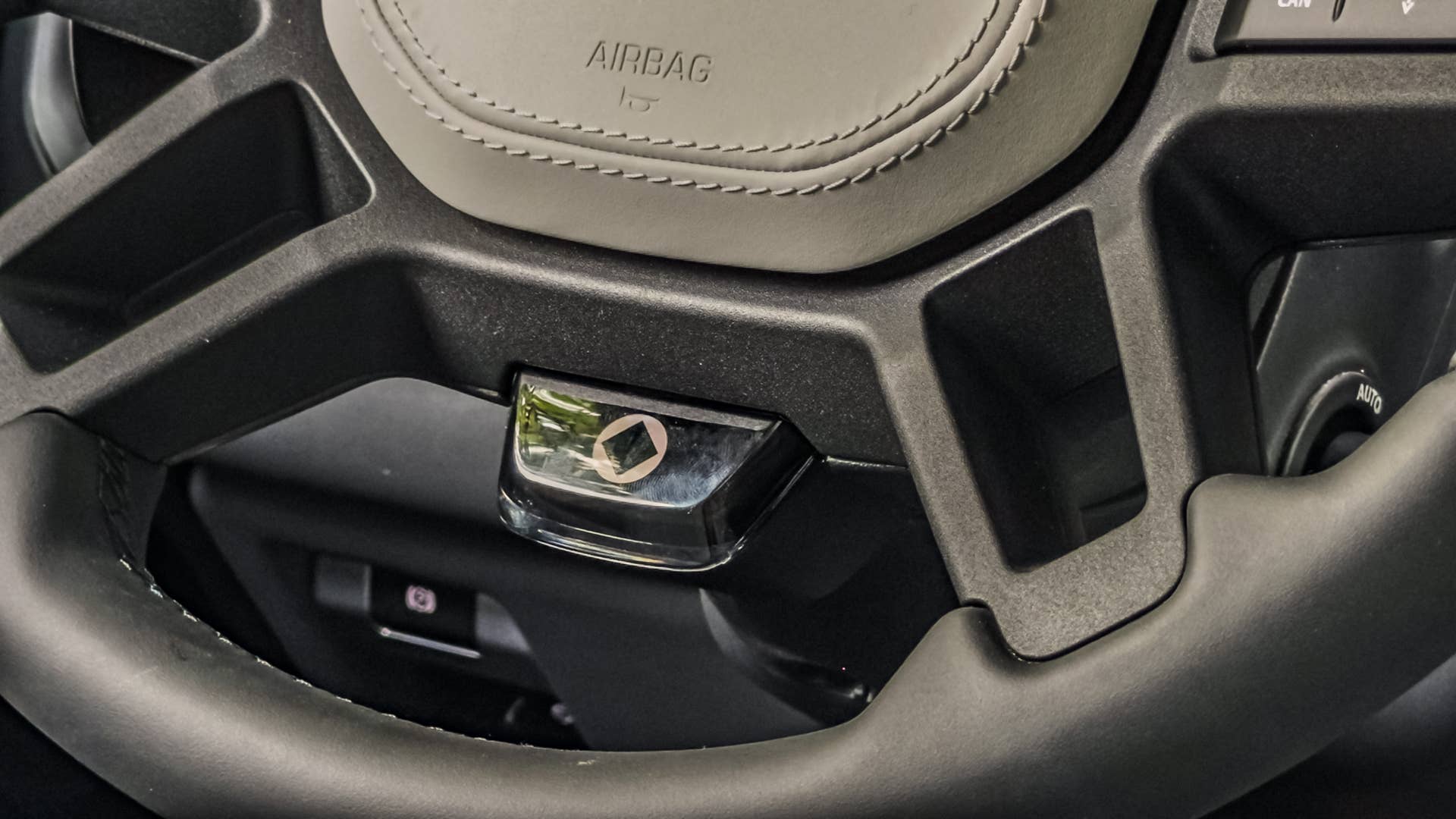
The car idles differently. It sits differently. The details, those start to emerge too. That little button on the steering wheel isn’t there in the standard ones. The bolsters feel tighter on the seat, and the idea snaps into focus. This is supposed to be the ultimate Defender, and after a closer look around the cabin, it starts to feel it.

Thinking about selling your car? Get an instant cash offer online now. Click here to get started.

Powertrain And Driving Experience: 10/10

Chase Bierenkoven

View the 3 images of this gallery on the original article

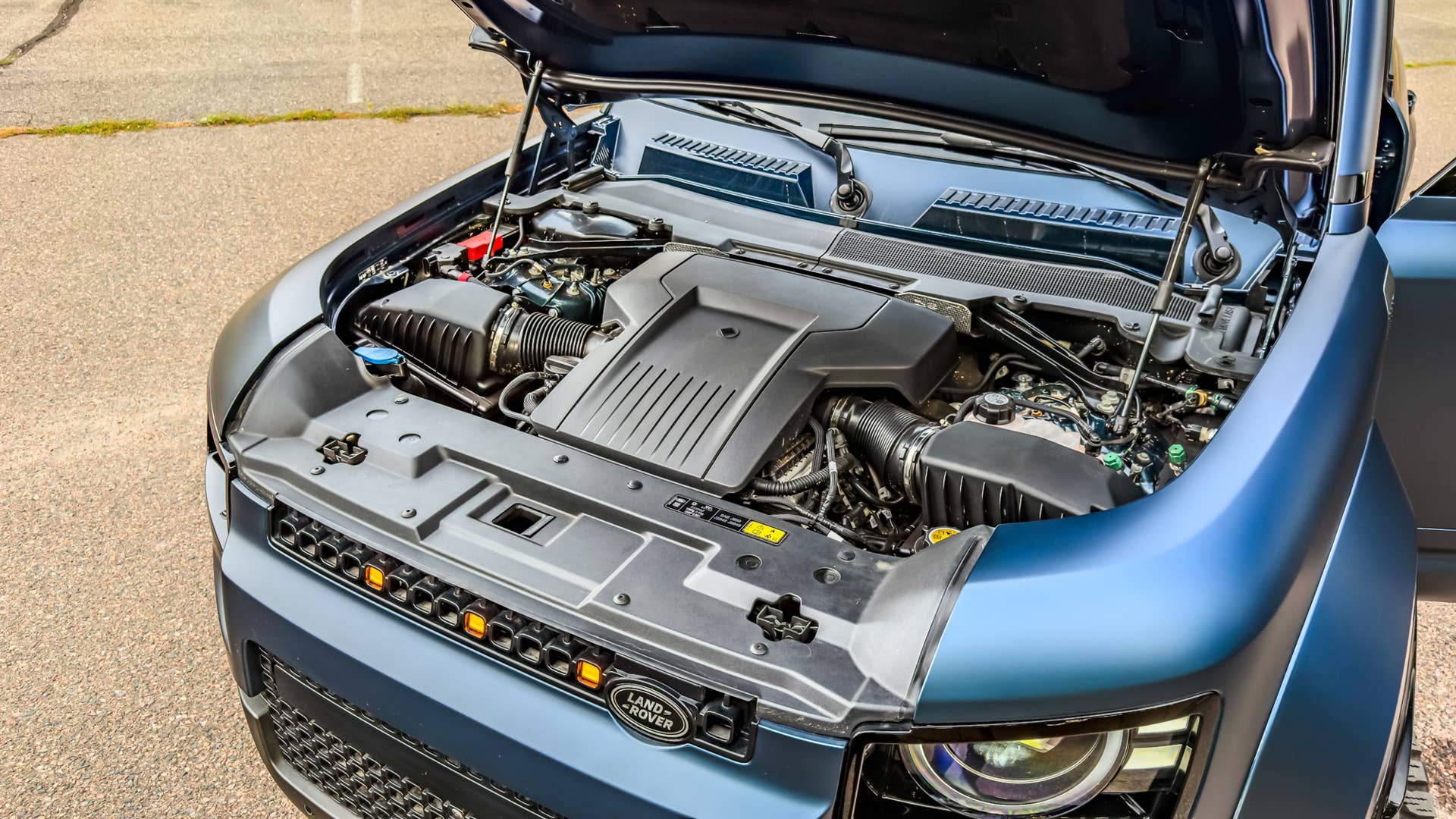
The Defender OCTA, as the name implies, is all about that V8. It’s a twin-turbo unit, mated to a four-wheel drive system with two locking differentials (one center and one rear). It makes an astonishing 626 horsepower and 553 lb-ft of torque, and you feel every bit of it. A special OCTA drive mode, accessed through that wheel-mounted button, transforms the experience.

The V8 goes from quiet background noise to obnoxiously loud in an instant; the shifts tighten, and the traction control backs off. Pick up the throttle early on a corner exit (both on and off-road), and the OCTA will ease into a slide. It’s hilarious, but I wish the V8 were a bit more aural in the cabin. Those cheesy pops and bangs sound like distant fireworks, not the tiny explosions they do from the exterior.

Of course, all the off-road capability you’d expect is there. The standard Defender’s software-driven approach to off-roading is still in full effect, with custom drive modes and all the sensors and cameras you could ever want. With huge all-terrain tires backing it up, it’s really just a matter of how long you’ll need to get over an obstacle or up a trail, not whether the OCTA can or not.

Shopping for a new car? Click here to get a great deal on your next vehicle. Powered by Carvana, no haggle pricing, 100% online.

Interior And Technology: 9/10

Chase Bierenkoven

View the 4 images of this gallery on the original article

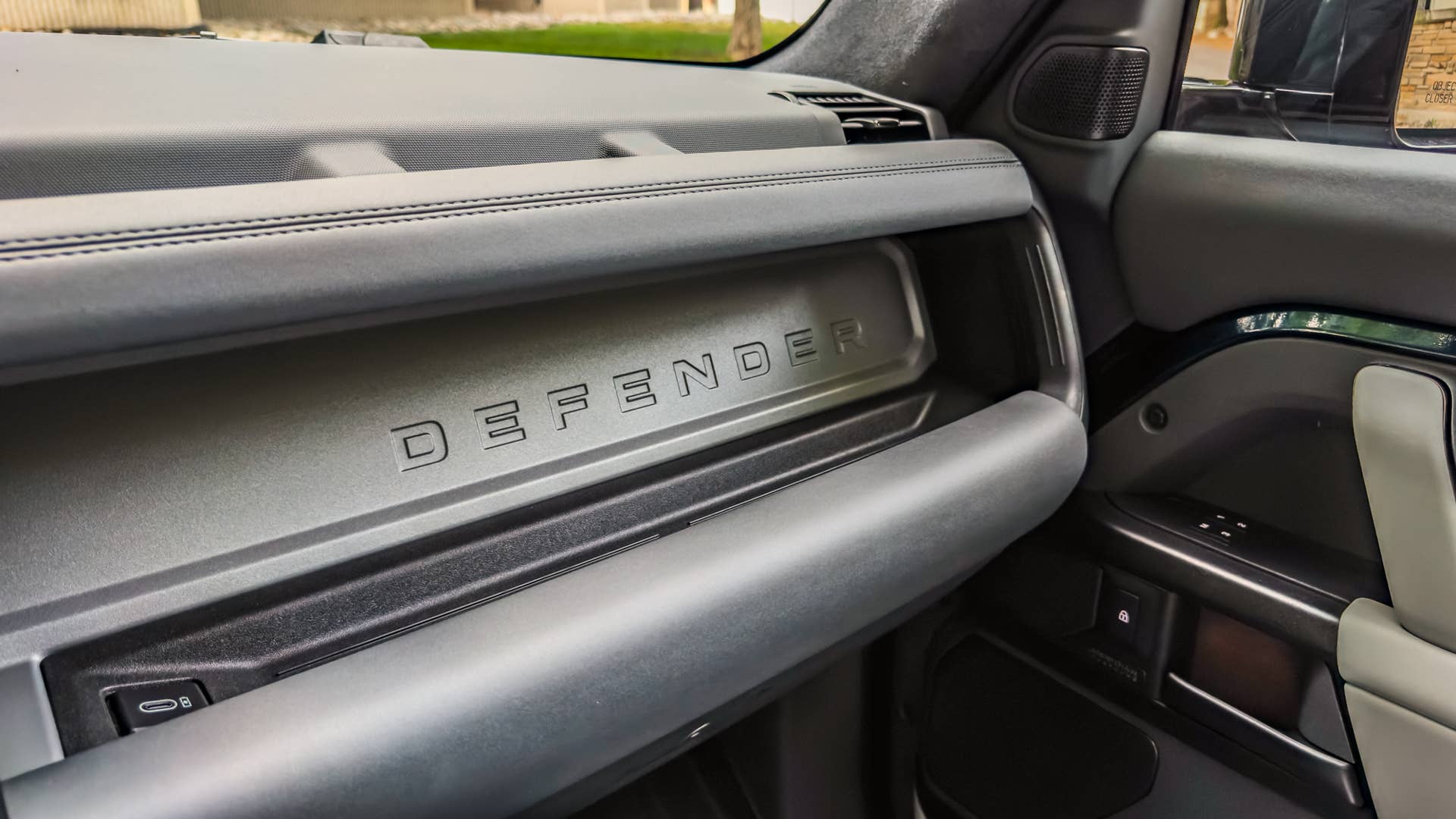
There’s a lot of carryover from the standard Defenders inside, but a few things do stand out, first and foremost, that OCTA button on the wheel. The seats, too, are different. These should be in every Defender, and the lateral support they provide is something the rest of the lineup sorely lacks. The suede headliner is a nice touch, too.

The OCTA button is the only one you need.

Chase Bierenkoven

The rest of this stuff is standard Defender, which is to say, solid. I love the variation in materials, and the Meridian sound system is pretty strong for what is billed as an off-roader. There’s a lot of features buried in the new 13.1-inch screen, and I’d like Land Rover to further lean into the physical switchgear. That aside, the Defender’s interior is seriously good, and doubly so with those great OCTA-specific buckets.

Exterior Design: 10/10

Chase Bierenkoven

View the 5 images of this gallery on the original article

I’m an unabashed Defender apologist, at least from an aesthetics point of view. Very, very few cars get the whole “modern-retro-callback” look right, and I think only the Z does a better job of it than the Defender.

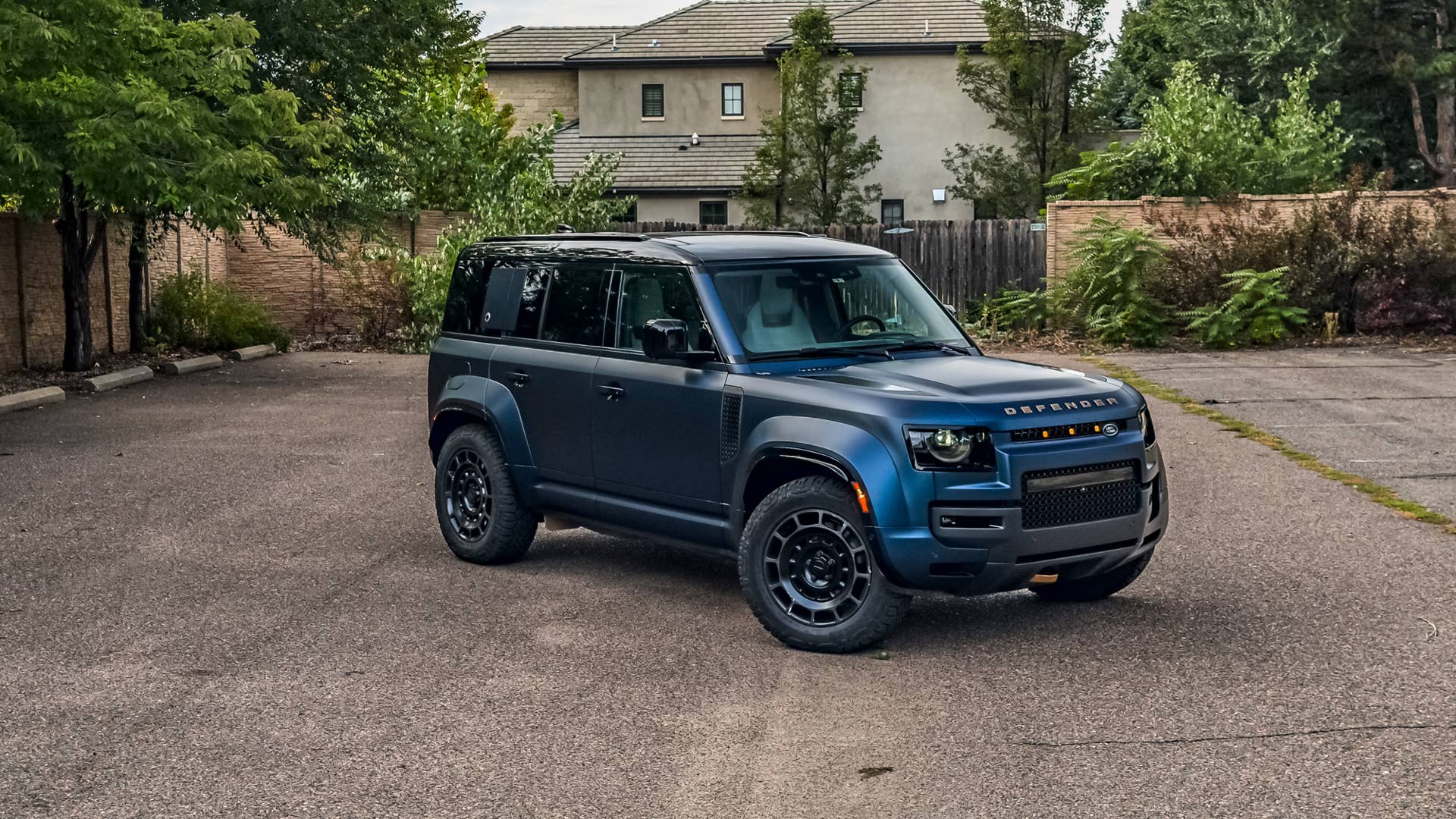
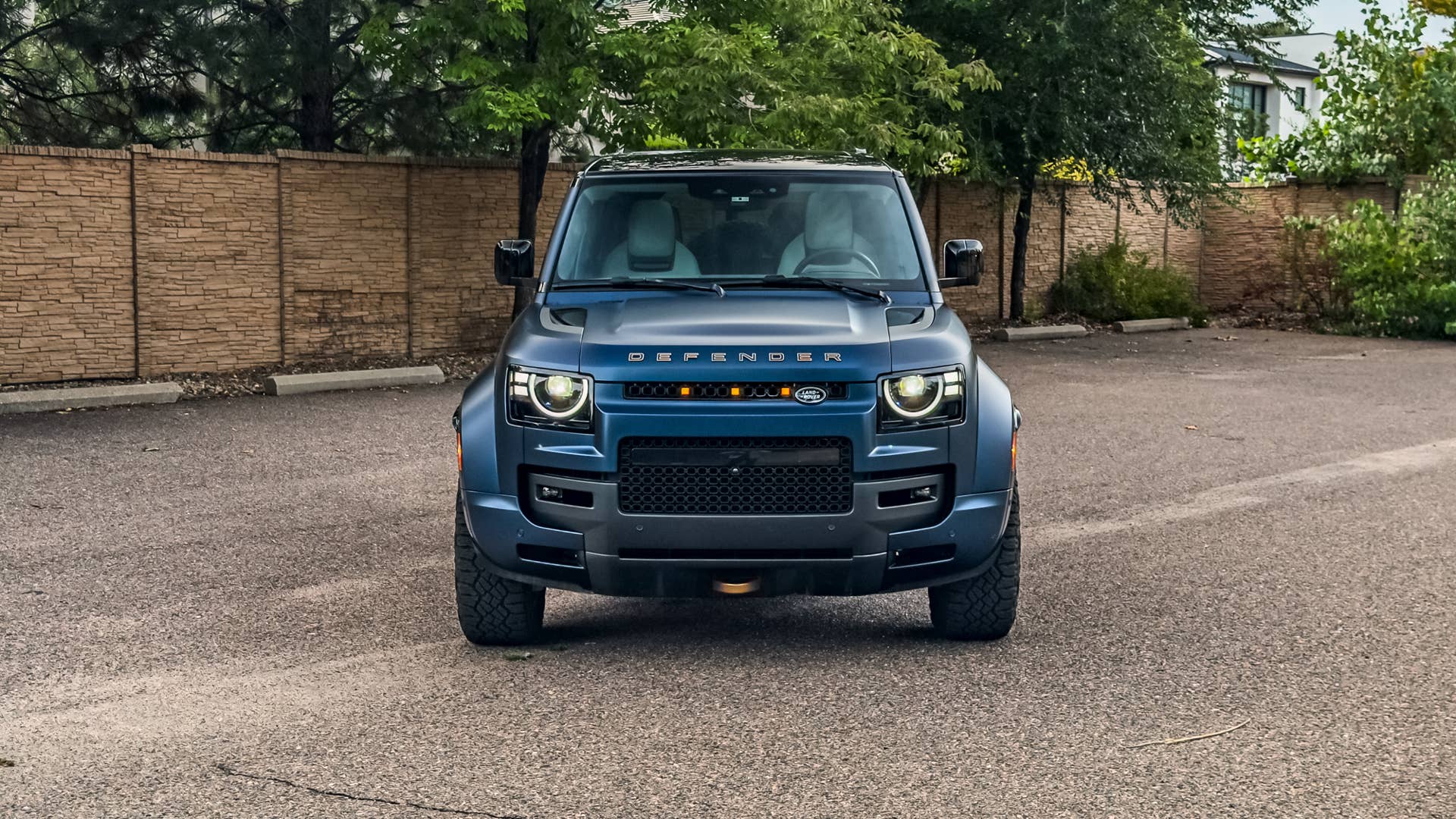
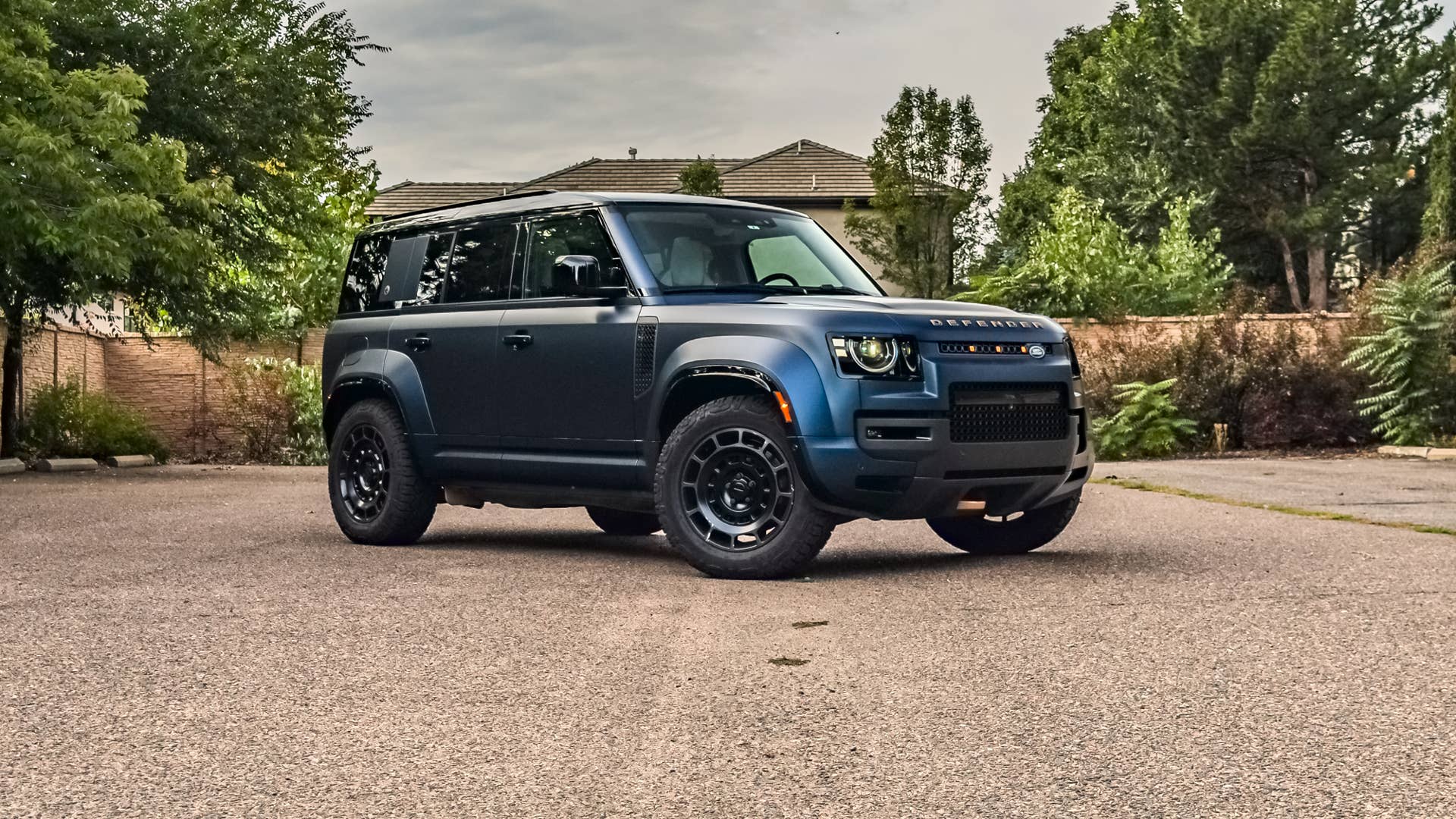
Of course, OCTA models get all their own special touches on top. That OCTA badge seen on the steering wheel drive mode button is scattered throughout, as are the bronze accents. I think they go great with this matte blue paint. OCTAs also get their own unique front and rear fascias with amber accents up front. It’s a meaner look than the standard Defenders, and one that lends itself to the more purposeful nature of the SUV.

Cargo, Towing And Hauling: 9/10

Chase Bierenkoven

View the 3 images of this gallery on the original article

For an SUV of its size, the 110 delivers impressive performance in towing and hauling. The SUV can pull up to 8,200 pounds, and its huge trunk makes it ideal for long trips off-road. I particularly enjoy the fold-flat seats, which greatly enhance the usability of the cargo area. There are also some more thoughtful touches in the back, like a dedicated independently controlled air vent and a strap on the C pillar that can be used to hold smaller items like water bottles or tethers.

Pricing And Value: 6/10

Chase Bierenkoven

There’s no way around this: the OCTA is absurdly expensive. The lineup starts at $160,250, while the Black starts at $170k. The only true alternative in this segment is the inline-six-powered Mercedes G-Class, which starts at $155,250. While both can easily skyrocket in price, we do have to concede that the Defender at least offers more power and a V8, though the Mercedes’ luxurious interior is still impossible to beat.

Verdict: 9/10

Chase Bierenkoven

If you’ve got the cash, the Defender OCTA is maybe the most extreme SUV you can buy outside true exotics like the Urus or Bentley Bentayga. The giant BMW-sourced V8 is relentless, and hitting a sub-4 0-60 time in a car that is coming up on 6,000 pounds is truly impressive. The off-road capability is matched by the SUV’s outstanding performance. Put simply, there may not be a cooler, more lavish way to climb rocks.

2026 Mazda CX-30 2.5 S Aire Edition Review: A Little Crossover With a Lot of Personality

2026 Mazda CX-30 2.5 S Aire Edition Review: A Little Crossover With a Lot of Personality

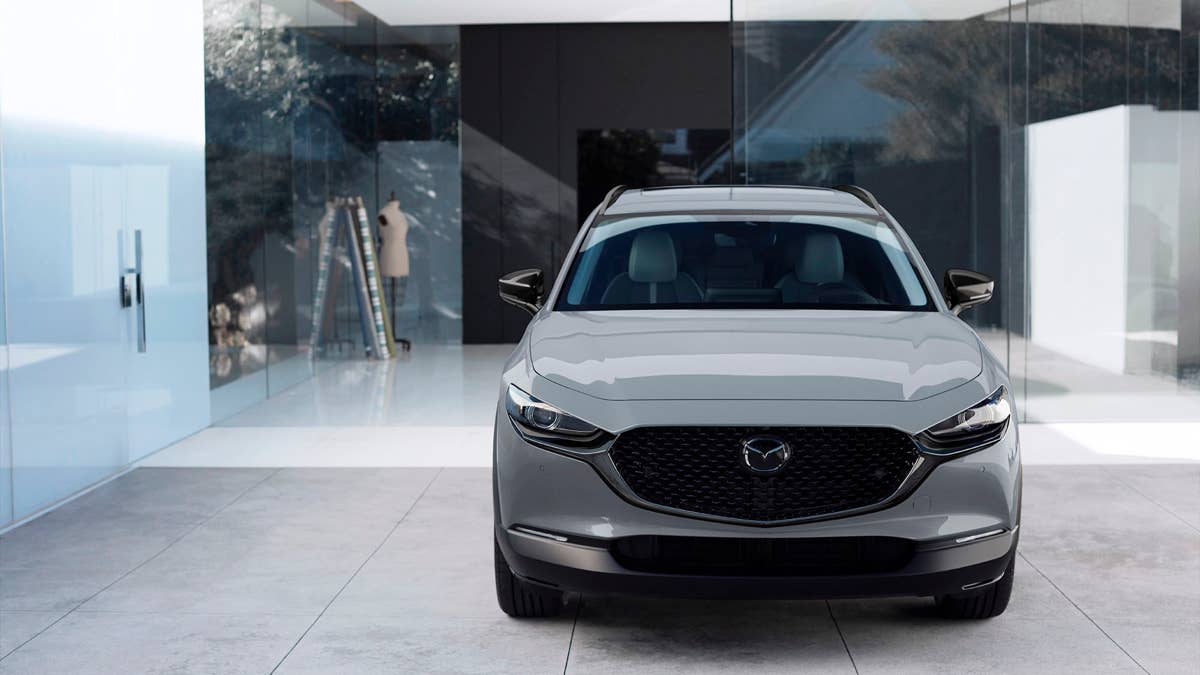
Full transparency: I like Mazda. The company has spent years building vehicles that are enjoyable to drive, even when you choose an ordinary engine and stay away from the expensive end of the options list. There have been exceptions, of course, but the 2026 CX-30 2.5 S Aire Edition isn’t one of them. My tester had the naturally aspirated engine, standard all-wheel drive, and a starting price of $30,250 before destination. It’s a sensible little crossover that still remembers the driver is supposed to have some fun. That combination is becoming surprisingly difficult to find.

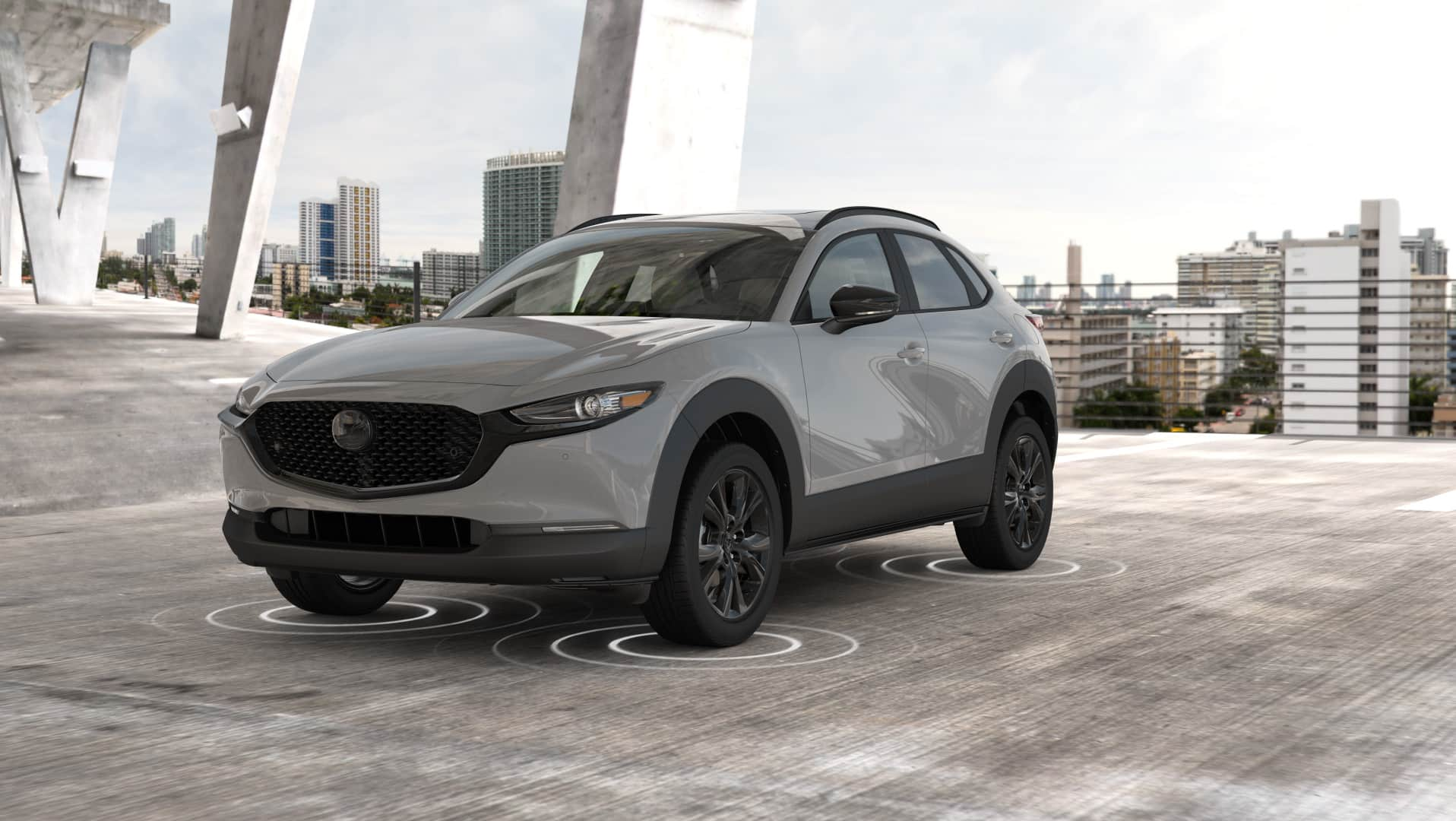
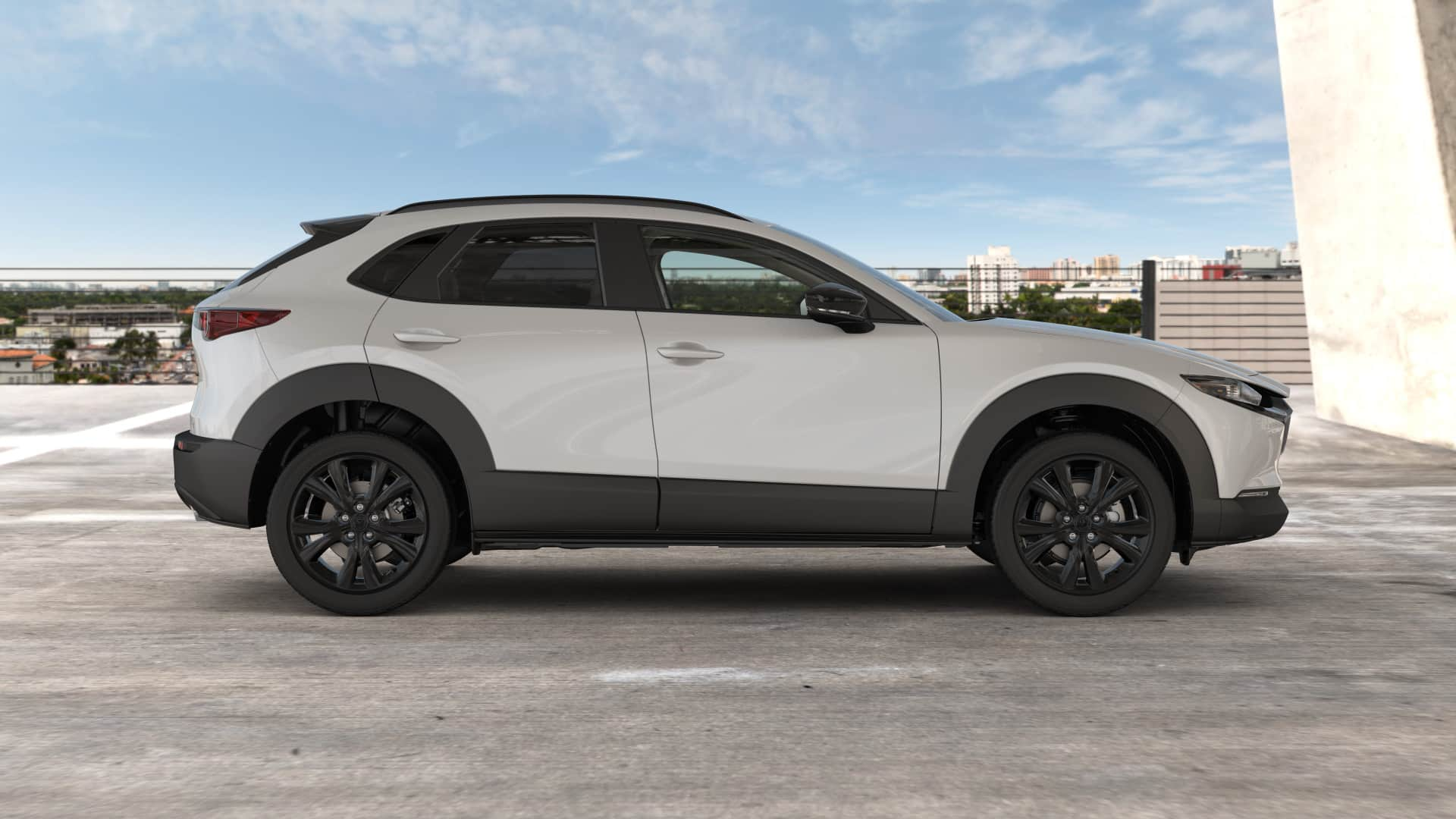
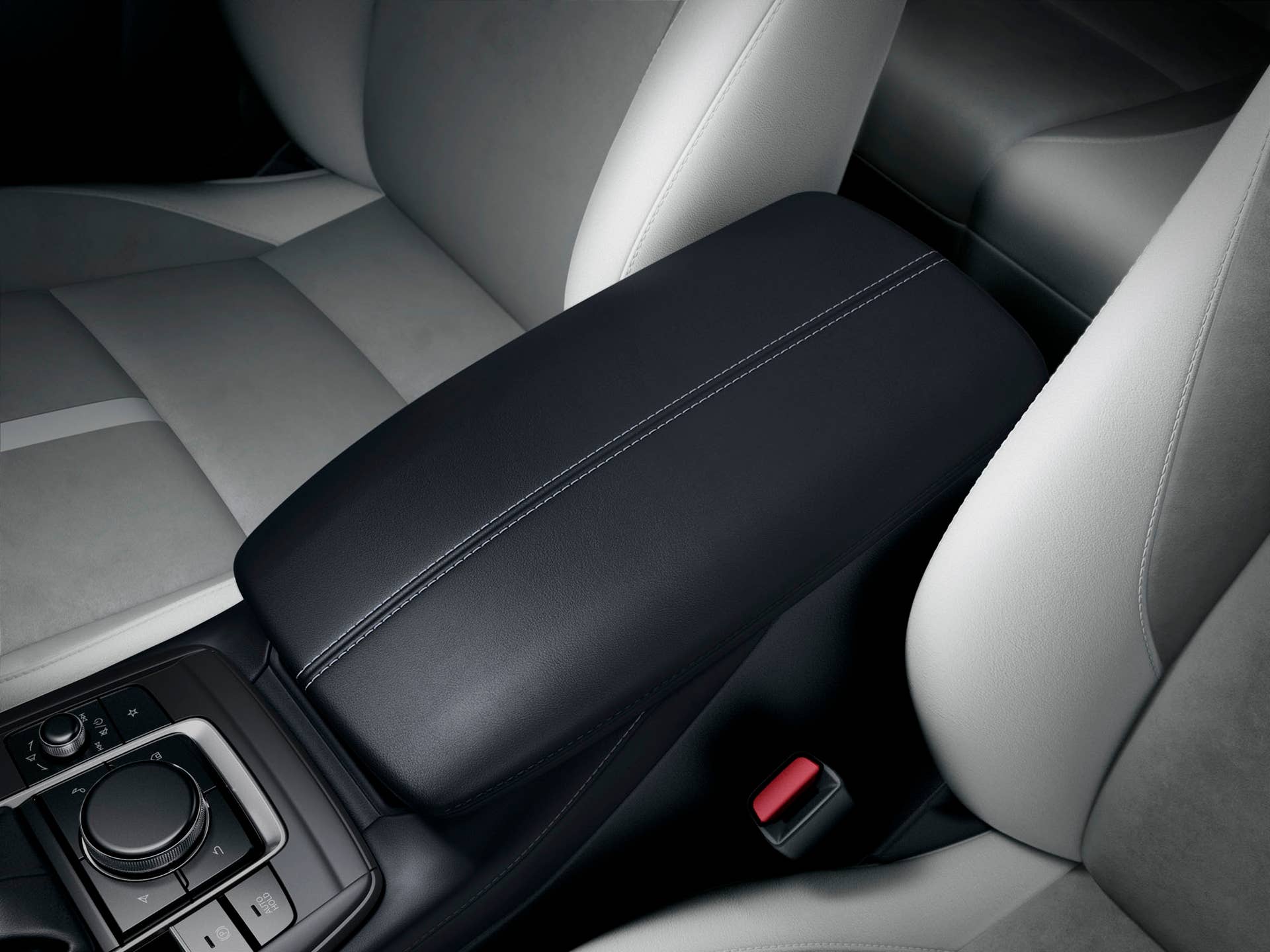
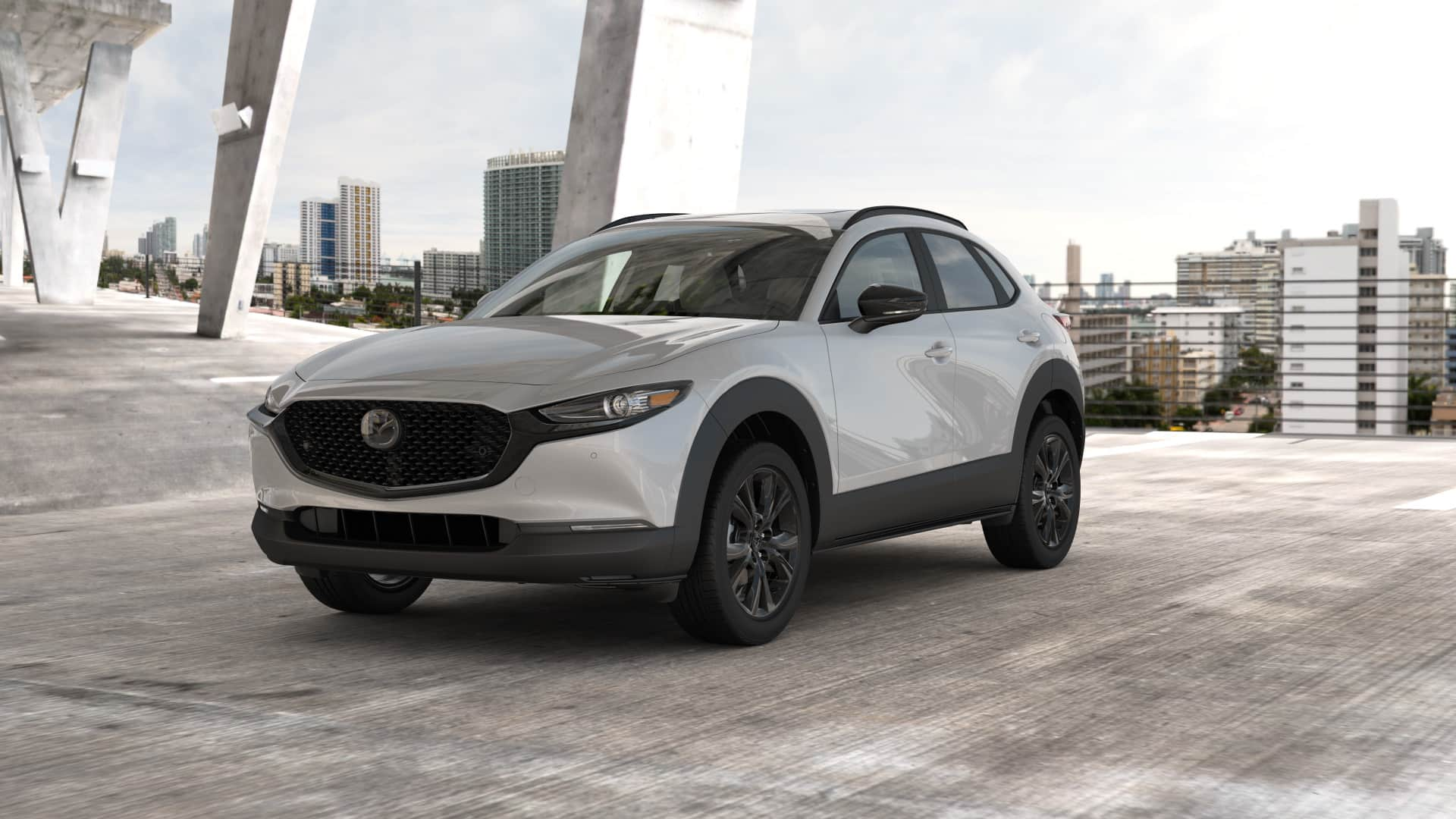
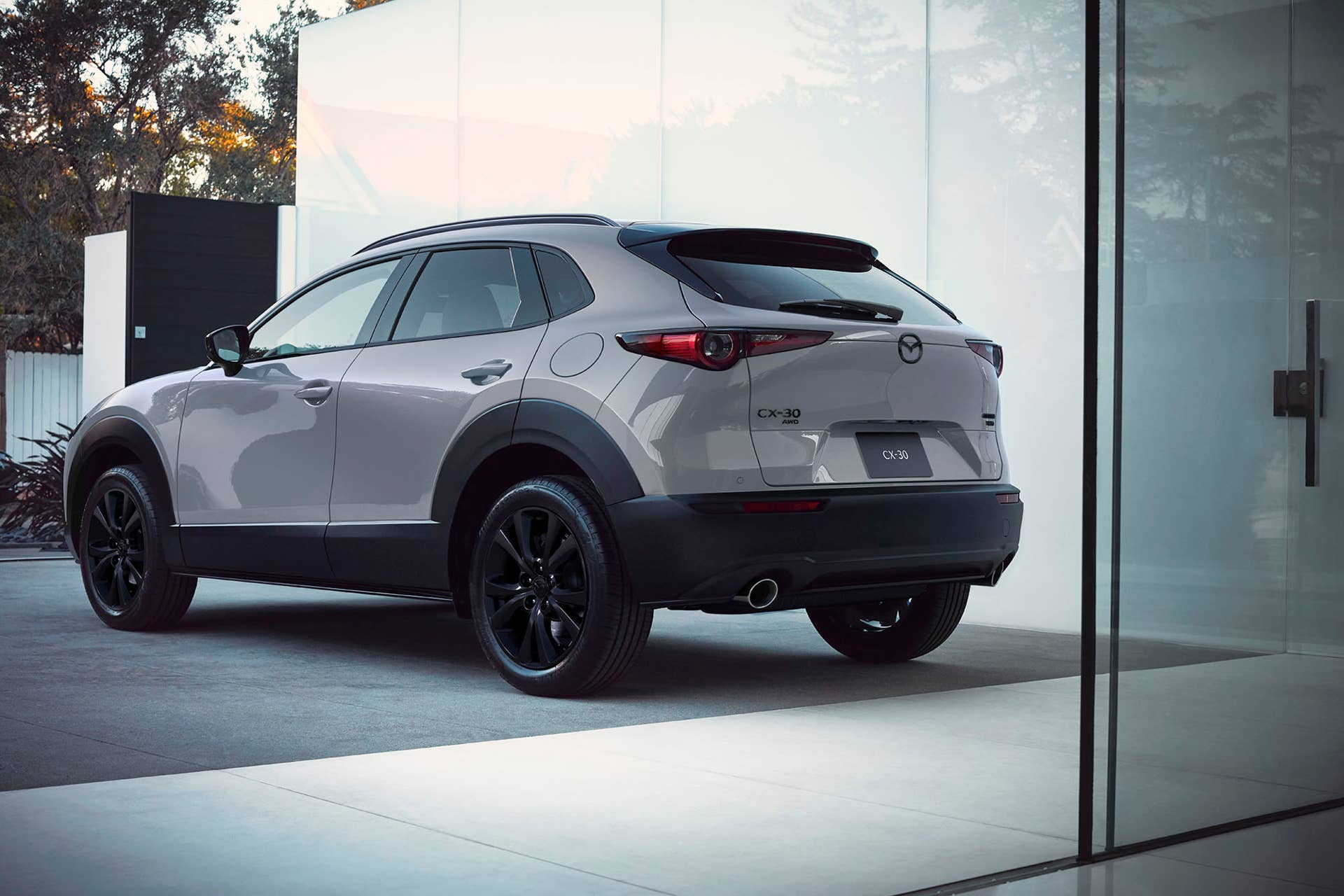
The Aire Edition is essentially a styling and equipment upgrade built on the CX-30 Preferred trim. Mazda adds black badges, black roof rails and mirrors, and 18-inch black metallic wheels. Inside, it gets white leatherette seats with gray cloth inserts, gray suede-like trim and light stitching. You can also buy a Turbo Aire Edition, but its $34,410 starting price is $4,160 higher. That’s a meaningful jump in a vehicle whose value is a big part of its appeal. The turbo is tempting, as turbocharged Mazdas generally are, but I’m glad I spent time with the less powerful version. It answers a more useful question: Is this CX-30 still worth buying without paying extra for the fun engine?

Powertrain and performance

The standard 2.5-liter four-cylinder makes 186 horsepower and 186 pound-feet of torque. It’s paired with a six-speed automatic and Mazda’s i-Activ all-wheel-drive system, both standard on the Aire Edition. The EPA estimates 24 mpg city, 31 highway and 27 combined. Those are respectable figures for a small crossover that sends power to all four wheels. For 2026, Mazda also added a brake-based limited-slip function, revised the dampers for ride comfort and kept G-Vectoring Control Plus and Off-Road Traction Assist as standard equipment. There’s quite a bit going on beneath this tidy little body, even if the badges don’t make a speech about it.

No, the non-turbo CX-30 isn’t a rocket. It does, however, respond willingly when you ask it to move, and the conventional six-speed automatic gives it a character I prefer to the continuously variable transmission in the Honda HR-V. The Honda makes 158 horsepower, so the Mazda has a noticeable advantage on paper, too. Around town, I found the CX-30 lively enough to make gaps in traffic without drama. On a faster road, passing sometimes means pressing the accelerator firmly and listening to the four-cylinder climb through the revs. That’s normal for this class, and the engine doesn’t sound as though it’s filing a complaint with management. If you want effortless passing power, the Turbo Aire Edition makes 227 horsepower and 310 pound-feet on regular gas, rising to 250 horsepower and 320 pound-feet on premium. It’s a substantial upgrade, though you’ll pay for it up front and at the pump.

Handling is the reason I’d keep coming back to the Mazda. The CX-30 feels alert and composed through corners in a way many small crossovers simply don’t. Steering response is satisfying, the body doesn’t flop over when you turn, and the whole vehicle feels closer in spirit to a small hatchback than a tall utility box. I can think of roomier ways to spend $30,000, but very few of them make an ordinary drive this rewarding. The CX-30 has about eight inches of ground clearance, which is useful for rough driveways, light snow and slightly rough dirt roads. Its all-season street tires are a reminder of its limits, though. Black wheel-arch cladding and an all-wheel-drive badge do not turn it into a tiny rock crawler, no matter how boldly you point it at a trail.

Exterior and interior design

I still think the CX-30 is a handsome little thing. Some people say its design is beginning to age; I disagree. The proportions work, the surfaces have Mazda’s usual attention to light and shadow, and the Aire Edition’s dark trim provides just enough contrast. I even like it in white, which isn’t something I say about every car. The generous black plastic around the wheel arches and lower body will divide opinions. I understand why Mazda used it: it protects the vulnerable areas and gives the CX-30 a more rugged look. I’d prefer a little less of it, but it hasn’t kept me from looking back at the car after parking it. That’s a fairly good test of a vehicle’s styling.

Related: Chevy May Have Just Given Us an Early Look at the Next Trailblazer

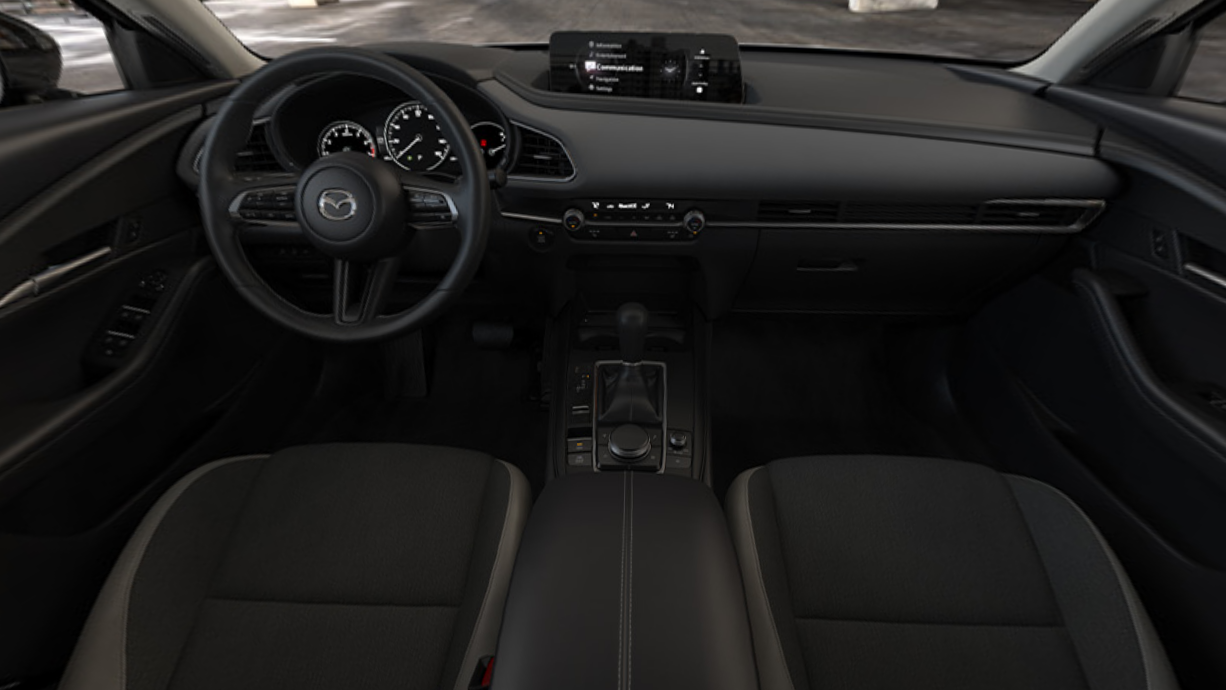
The interior makes an even stronger case. The white leatherette and gray cloth combination brightens a small cabin, while the soft-looking gray trim carries the theme onto the dash. The front seats are comfortable and supportive, and the layout has the clean, slightly old-school Mazda quality I appreciate. It doesn’t try to impress you with a wall of glowing rectangles. The Aire Edition does get the 10.25-inch center display inherited from the Preferred trim, along with wireless Apple CarPlay and Android Auto and a wireless charging pad. I’m still not completely sold on the screen’s shape and placement, but I appreciate Mazda’s rotary controller and its decision to retain useful physical controls. I can operate much of the car without turning a simple adjustment into a scavenger hunt. The moonroof, heated front seats and dual-zone climate control also help this trim feel more substantial than its price suggests.

View the 2 images of this gallery on the original article

There are practical limits. The rear seat is tight for taller passengers, and the CX-30’s cargo area is smaller than those of some competitors. Mazda lists 20.2 cubic feet behind the second row and up to 45.2 cubic feet with the rear seats folded. That’s usable for groceries, luggage and the occasional awkward purchase, but a small family should bring its child seats and usual gear to a test drive. A bicycle may fit with a rear seat folded and its front wheel removed, depending on the bike. If maximizing interior space is your top priority, the CX-30 is going to make you negotiate with your belongings.

Final thoughts

The CX-30 2.5 S Aire Edition occupies a sweet spot in Mazda’s lineup. Its $30,250 MSRP excludes the $1,595 destination charge, so the starting figure is $31,845 before taxes, options and any premium paint. That’s still appealing for standard all-wheel drive, a well-dressed interior and a vehicle that feels genuinely good to steer. The $34,410 Turbo Aire Edition would undoubtedly be more entertaining in a straight line, but I don’t think buyers need to stretch for it to get the point of this car. The regular engine has enough power, the automatic behaves properly, and the chassis supplies the part that too many crossovers forget.

Related: Infiniti QX60 vs Infiniti QX65: Style vs Substance?

I’d recommend the Aire Edition to someone who wants the security of all-wheel drive and the slightly higher seating position of a crossover, but still misses the size and personality of a hatchback. It isn’t the roomiest choice, and its tires set firmer limits off-road than its appearance might imply. Yet it’s attractive, efficient enough, nicely equipped, and unusually enjoyable at this price. Mazda managed to make a practical purchase feel like a personal choice.

It’s almost adorable. I don’t say that lightly.

Related: 2026 Hyundai Venue vs. 2026 Chevrolet Trax: I Drove Both Affordable SUVs—Here’s My Honest Comparison Review

I Drove the 2026 Aston Martin Vantage S, and It Proves the 911 Isn’t the Only Answer

Look at the spec sheets side by side and the S badge appears to be a swindle. A standard Vantage makes 656 horsepower. The S makes 671. Fifteen horsepower, on a car with this much of it already, is a rounding error you will never detect from the driver’s seat, and Aston Martin charges $5,000 for the privilege.

Drive them back to back and the math inverts. The power is the least significant thing the S trim changes, and the things it does change are the ones that determine how a sports car feels on a road you actually enjoy. This is the version to buy, and the reasons have almost nothing to do with the engine.

2026 Aston Martin Vantage S

Gabi Wabi

What the S Badge Actually Buys

Start with the structure. The rear subframe is now solid-mounted rather than isolated in bushings, which raises torsional stiffness by 5% and, more to the point, sharpens turn-in and gives the front end a confidence it did not previously have at lower speeds. You feel it immediately, on the first corner, before you have touched the throttle in anger.

2026 Aston Martin Vantage S

Gabi Wabi

The final drive ratio drops to 3.083:1, which makes in-gear acceleration noticeably more urgent without changing a single figure in the performance specifications. Stability control has been retuned. A new throttle calibration delivers power more linearly than the standard car manages, which matters enormously in something making 590 pound-feet from 2,000 rpm.

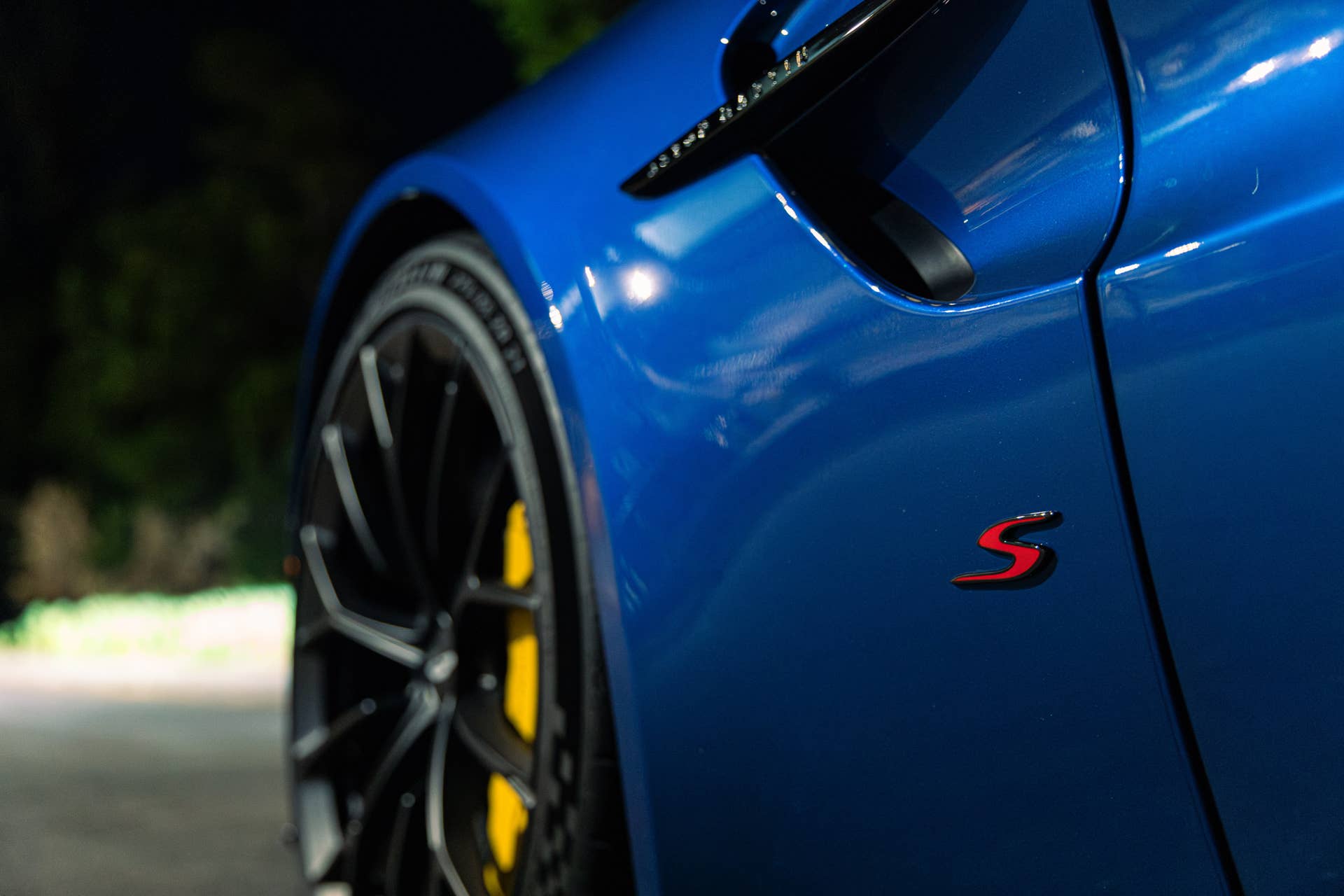
Outside, hood blades vent hot air from the engine bay, a full-width decklid spoiler spans the tail, and quad tailpipes replace the standard exhaust exits. The S badges on each front fender are forged brass filled with red glass enamel. On a car where the base price is $194,500, spending $5,000 on all of that is the easiest decision in the configurator.

The Engine Is Mercedes-Derived and Aston-Finished

Output lands at 671 horsepower at 6,000 rpm and 590 pound-feet held from 2,000 to 5,000 rpm, from a hand-built version of the Mercedes-AMG-derived 4.0-liter twin-turbocharged V8. Power reaches the rear wheels alone through a ZF eight-speed torque converter automatic mounted as a rear transaxle, which is where a good deal of this car’s balance comes from. Aston quotes 3.3 sec, est. to 60 mph and 202 mph.

2026 Aston Martin Vantage S

Gabi Wabi

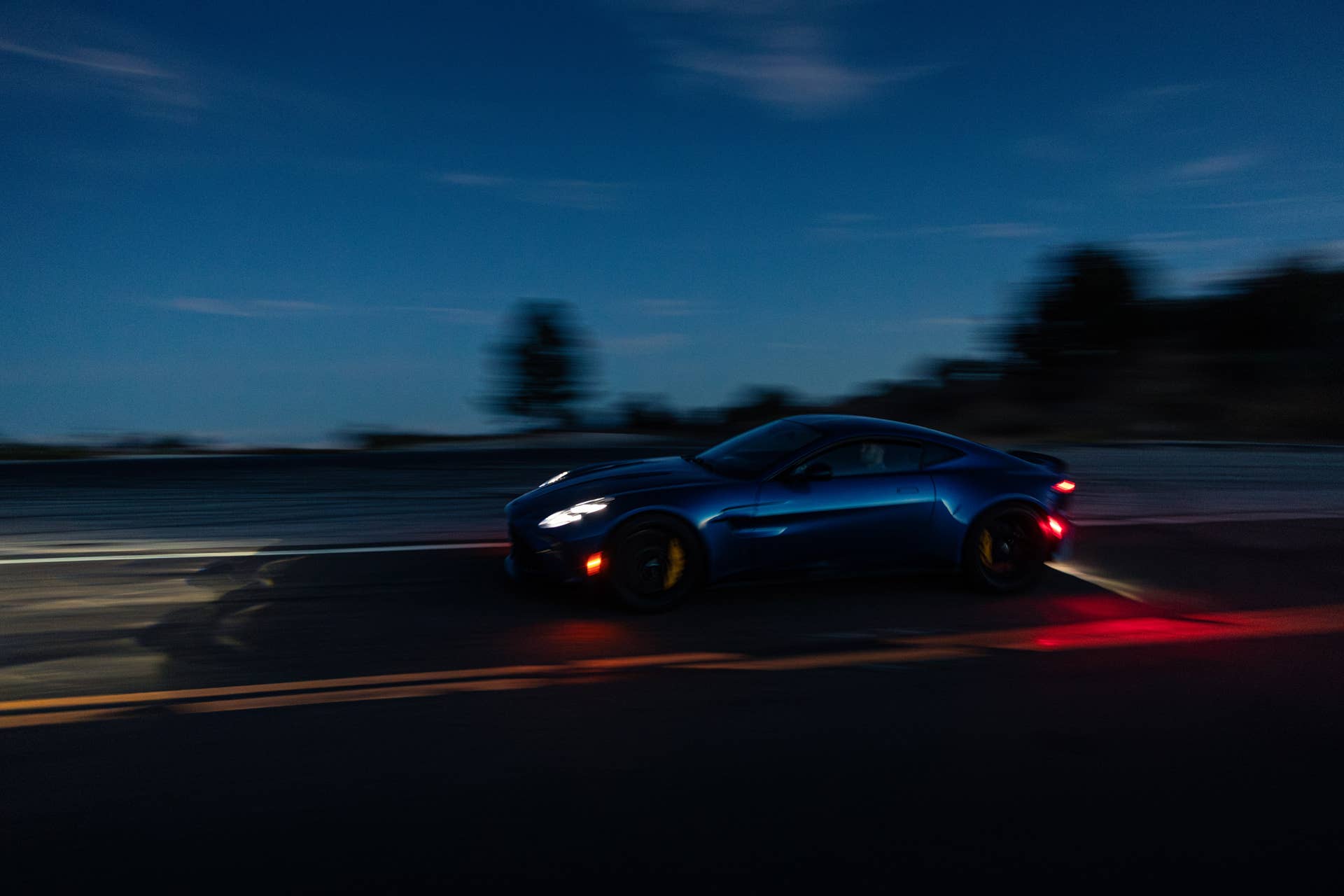
At 3,847 pounds the Vantage is light by modern standards, and specifying the available carbon fiber components lifts the power-to-weight ratio to 394 horsepower per metric ton. What the numbers do not convey is the noise, which is excellent, or the throttle response, which is now genuinely linear rather than turbocharged in the old sense. On a canyon road this thing simply hauls.

Nobody Else Builds an Interior Like This

Aston Martin finally made the cabin its own. Across the Vantage, the DB12 and the Vanquish, the company developed an interior identity that stands on its own rather than borrowing its way to competence, and Q by Aston Martin means effectively nothing is off the table where materials are concerned.

2026 Aston Martin Vantage S

Gabi Wabi

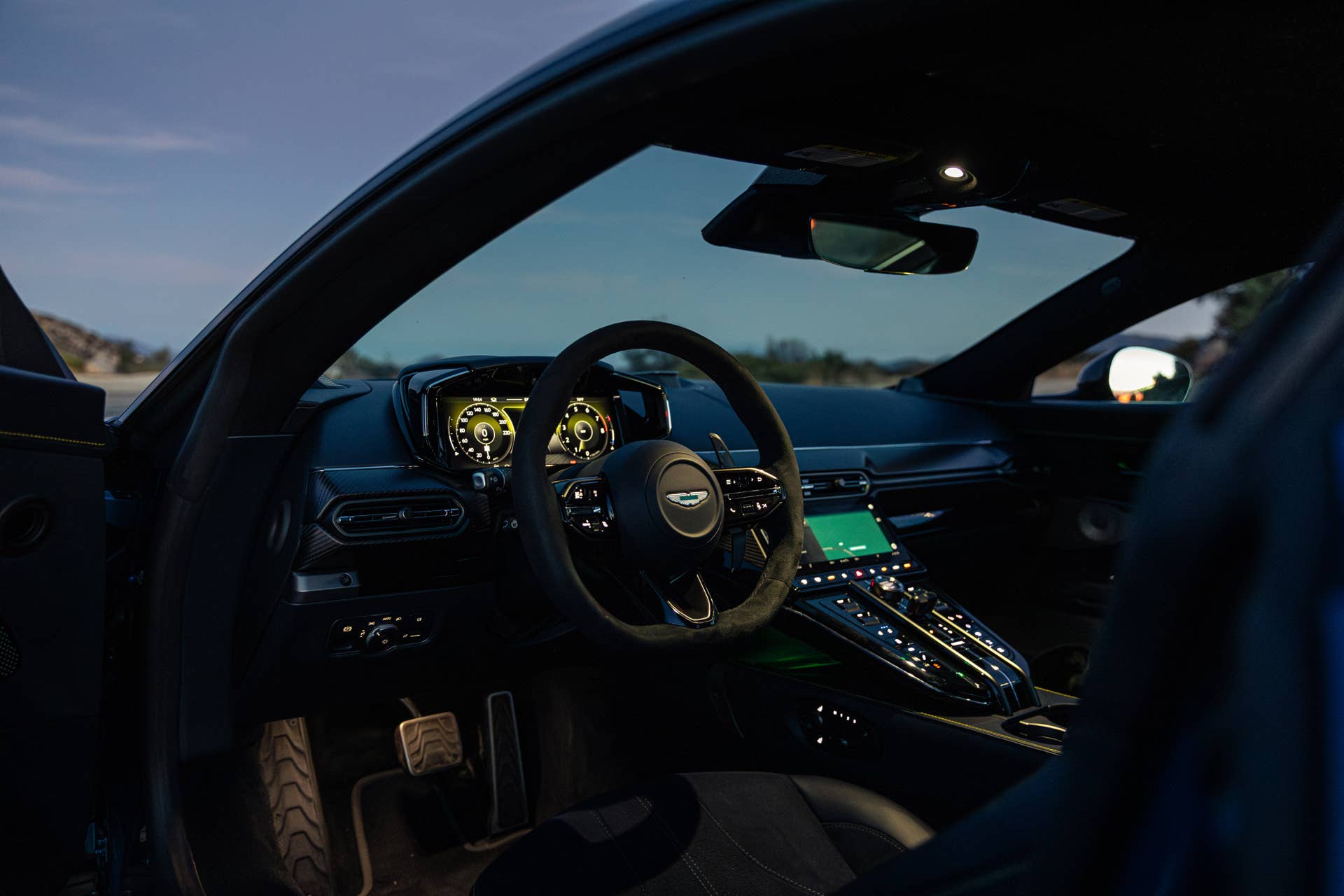
What separates it is the tactile experience. Physical metal knobs, buttons with real weight and a positive action, switchgear that feels engineered rather than sourced. Sitting in this car and operating it is a pleasure before you have moved a foot. Nobody else is doing this anymore. Lamborghini, Porsche and McLaren have all migrated the bulk of their controls onto screens, and in the process they surrendered the connected, personal feeling that proper hardware provides. The S trim adds heated carbon sports seats with embroidered S logos, and the optional interior highlight package brings anodized red billet aluminum controls, contrast stitching and herringbone quilting.

The Shape Has Not Been Improved On

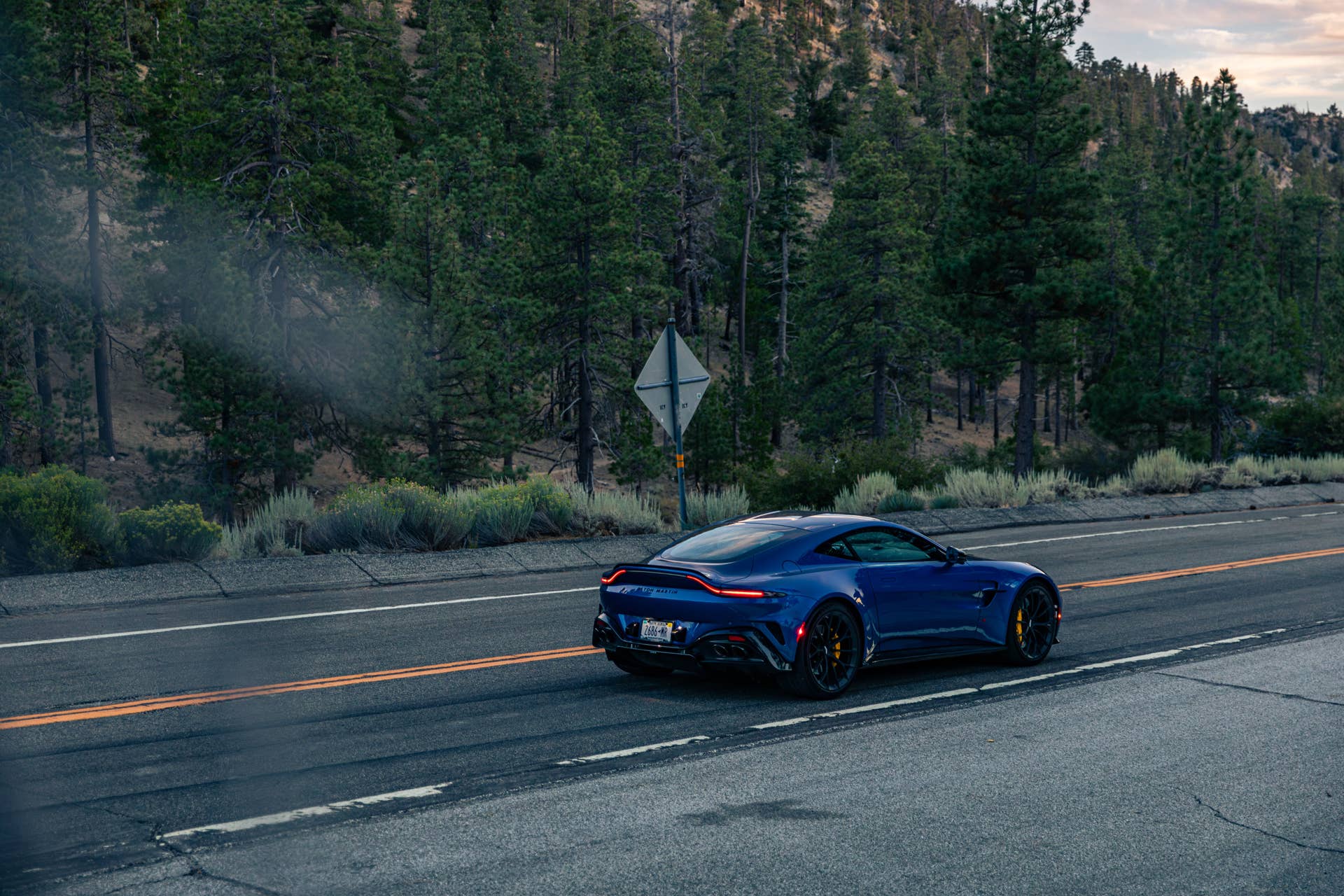
Simply stunning. Proportions carry it: a long hood, a cabin pushed back toward the rear axle, an aggressive tail that closes the design properly. Plenty of sports cars manage two of those three. This one is a class act from any angle.

2026 Aston Martin Vantage S

Gabi Wabi

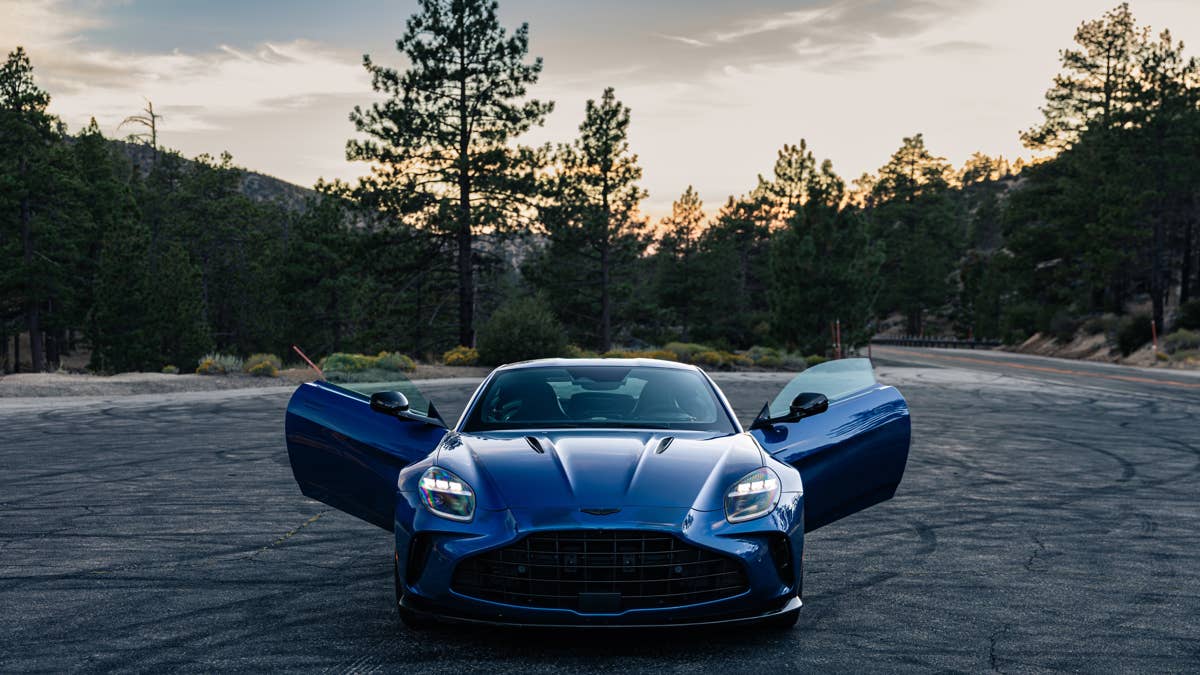
The details hold up to inspection. The lines, the headlamps, the way the S hardware integrates without disrupting anything. Twenty-one-inch forged wheels wear Michelin Pilot Sport S 5 tires at 275/35 front and 325/30 rear, and the frameless swan-wing doors remain one of the great theatrical gestures in this business. Aesthetics are not a small part of why anyone spends this money, and the Vantage delivers on them completely.

Technology Does Its Job

Aston brought infotainment development in-house with the 2025 redesign, and the result is a 10.25-inch touchscreen that responds promptly instead of making you wait. Apple CarPlay Ultra is here, and the Vantage was among the first cars anywhere to get it, with Android Auto supported as well.

2026 Aston Martin Vantage S

Gabi Wabi

The optional Bowers and Wilkins system is best-in-class and worth ordering if sound matters to you. Equally worth crediting is the control layout, which balances physical buttons against on-screen functions properly. None of this is groundbreaking measured against the wider industry, which keeps the score at an 8, but none of it is frustrating either, and several rivals at this price cannot claim as much.

Pricing, Running Costs and Coverage

Pricing starts at $199,500 for the S trim against $194,500 for the standard Vantage. Optioned examples climb fast, and a well-specified test car reached $248,400. Aston Martin does not publish a United States destination charge on its configurator, so the delivered figure runs above the base number.

Environmental Protection Agency (EPA) figures come in at 15 mpg city, 22 mpg highway and 18 mpg combined from a 19.3-gallon tank. Those are competitive within the segment, where rivals of similar output return the same or worse, and the highway number means the drive to a good road will not punish you. Warranty coverage runs three years with unlimited mileage on basic and powertrain alike, with corrosion protection extending 10 years. Complimentary scheduled maintenance is not included, so you pay for every service from the first one, and on a hand-built V8 those are not inexpensive.

Category

Figure

Pricing and Value

7/10

Efficiency

7/10

Warranty Information

7/10

EPA city / highway / combined

15 / 22 / 18 mpg

Basic and powertrain warranty

3 years / unlimited miles

Corrosion warranty

10 years / unlimited miles

Scheduled maintenance

Not included

Safety Ratings

No crash data exists. Neither the National Highway Traffic Safety Administration (NHTSA) nor the Insurance Institute for Highway Safety (IIHS) has tested the Vantage, which is normal for a two-seat sports car at this volume and price, since neither agency can justify destroying examples. Buyers who rely on independent testing have nothing to consult.

Standard equipment covers blind-spot alert, collision warning, a driver attention monitor, stability and traction control, front and rear parking sensors and a rear camera. That list is adequate rather than comprehensive and trails what a comparable Porsche or Mercedes-AMG provides on driver assistance. The score reflects sound fundamentals with no verification behind them.

Competition

The Porsche 911 is the benchmark and the comparison has genuinely shifted. A 911 Turbo S now opens above $270,000, roughly $70,000 clear of the Vantage S. Porsche still builds the more clinically capable car and backs it with a far deeper dealer network, but it does not build the more engaging one. On a canyon road the Aston is more fun, more exotic and the better drive, and it costs substantially less. Nobody could have written that sentence about a Vantage five years ago.

Elsewhere, the Mercedes-AMG GT shares this engine’s origins while offering all-wheel drive and a more technology-forward cabin, and the Chevrolet Corvette Z06 delivers comparable performance for far less money behind a naturally aspirated V8 that sounds extraordinary. Neither answers the interior. Nothing in this segment matches the Vantage for material quality, switchgear feel or depth of personalization. Depreciation is the Aston’s structural disadvantage against all of them, and it is the strongest argument for buying one a few years old rather than new.

Final Thoughts: 9/10

This is a totally fantastic car, and the S trim is the one to have. The price gap over the standard Vantage is small, and what it buys, the stiffer structure, the shorter final drive and the sharper throttle, transforms an already excellent sports car into a better one. Aston Martin now competes with the Italians and the Germans on merit rather than on charm, which is a genuine change in what buying one of these means. Go in knowing depreciation is steep, the warranty is short and you pay for every service. None of it will matter the first time you find a good road.