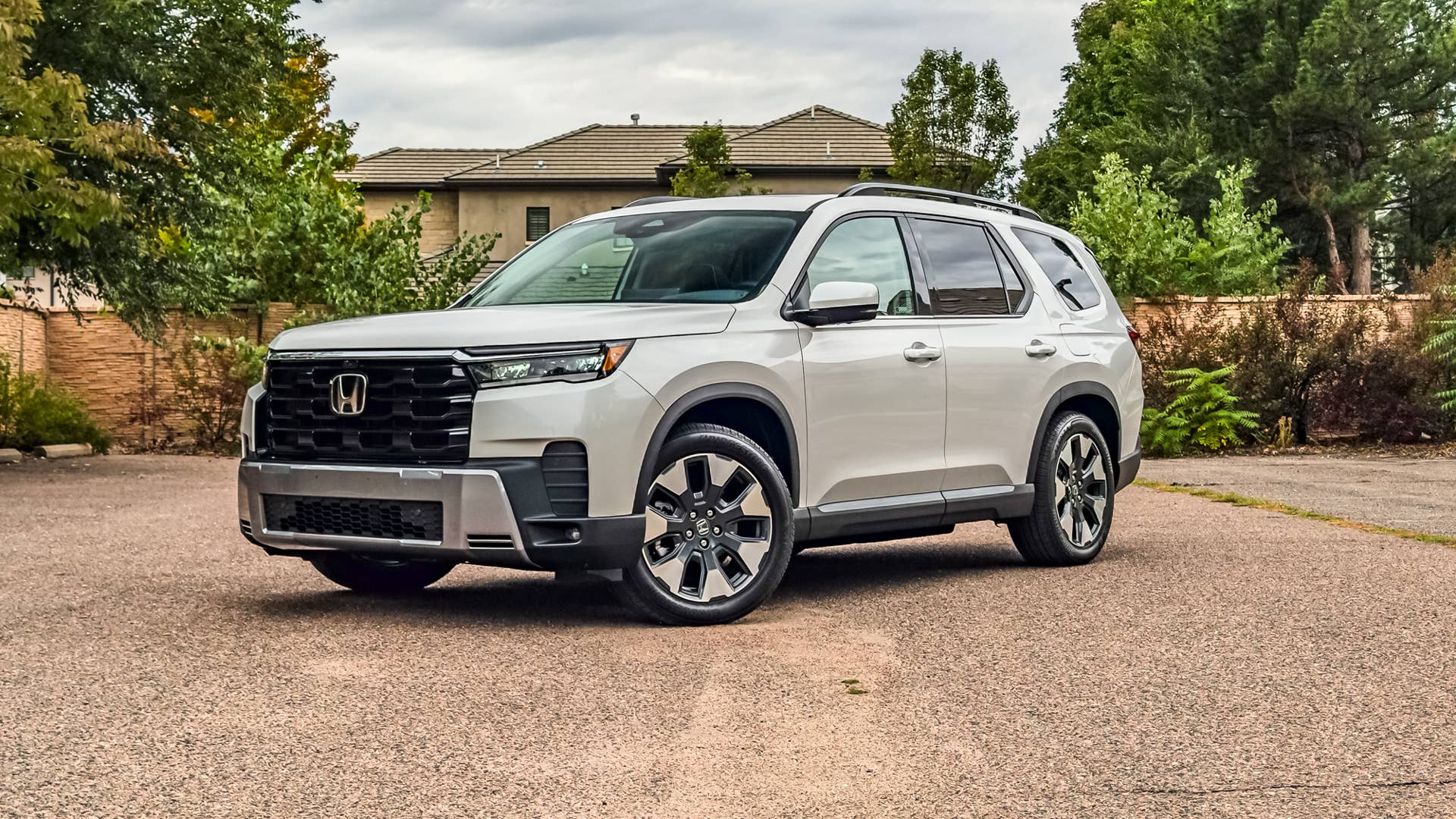
The Honda Pilot is the archetypal SUV. It’s got lots of seats (eight), a big trunk, and a sensible, comfy cabin. There’s nothing too fancy here (the SUV tops out in the upper $50k range), and the segment certainly has more inspired options. But the Pilot’s the obvious choice, and has been forever. It turns out, it’s still the default choice, even for those with pets, so long as you can put up with a few drawbacks your dog probably won’t care about, like the poor fuel economy and the lazy transmission.
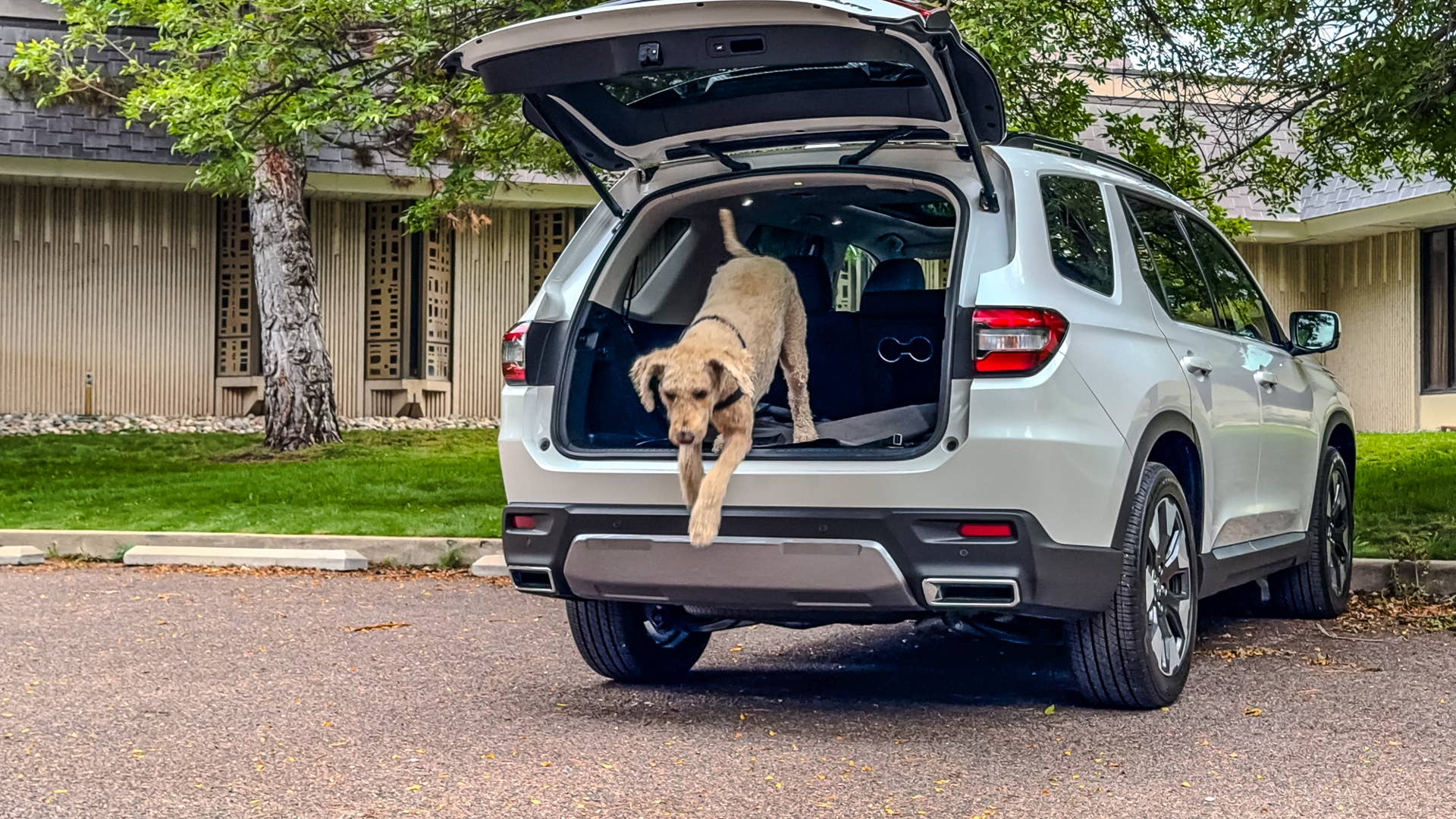
As ever, our tester is my 85-pound dog, Beorn. He’s happy to do it, and he works for cheap.
For an SUV, access into the Pilot isn’t so bad. It’s tall, which does mean dogs will have to take a run up and a jump to get in, but it’s not so terribly tall that smaller dogs would struggle to get up into the rear passenger space. The story is much the same in the back, aided somewhat by the fact that without a seat, the floor is a little bit lower. Perhaps just as critical as height, the door opens nice and wide. Beorn didn’t struggle at all to get out, and was able to hop straight down without twisting through a narrow opening.
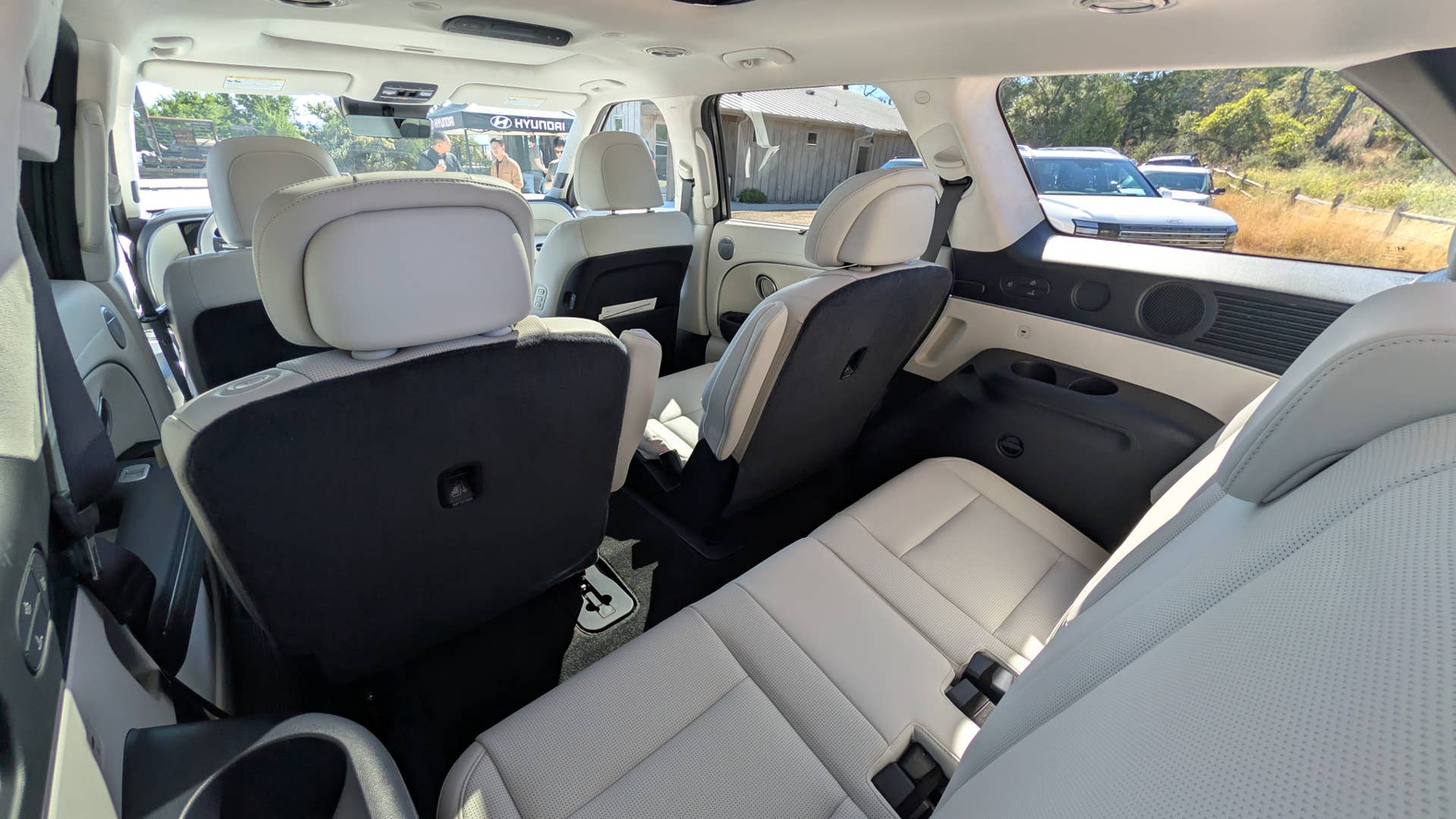
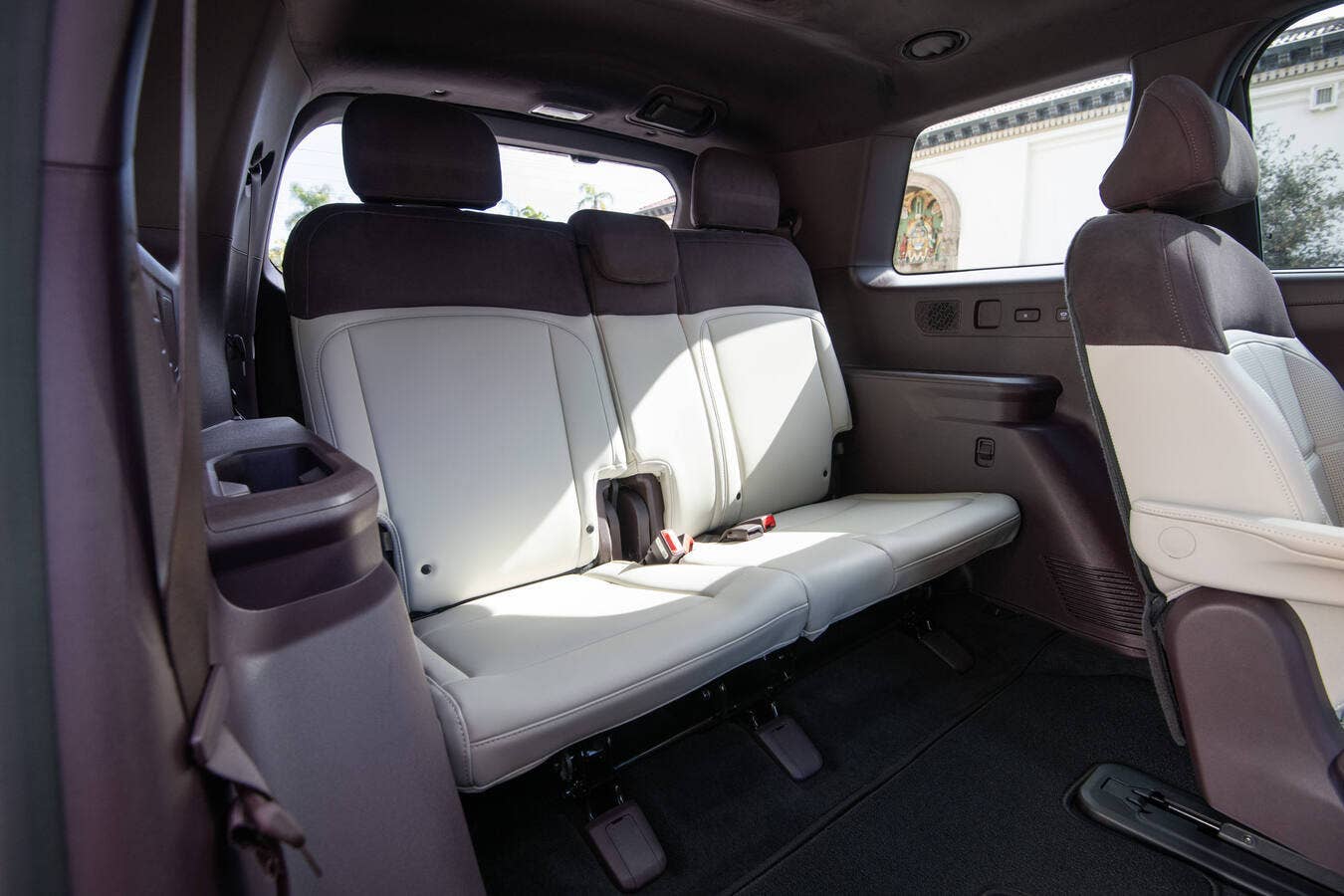
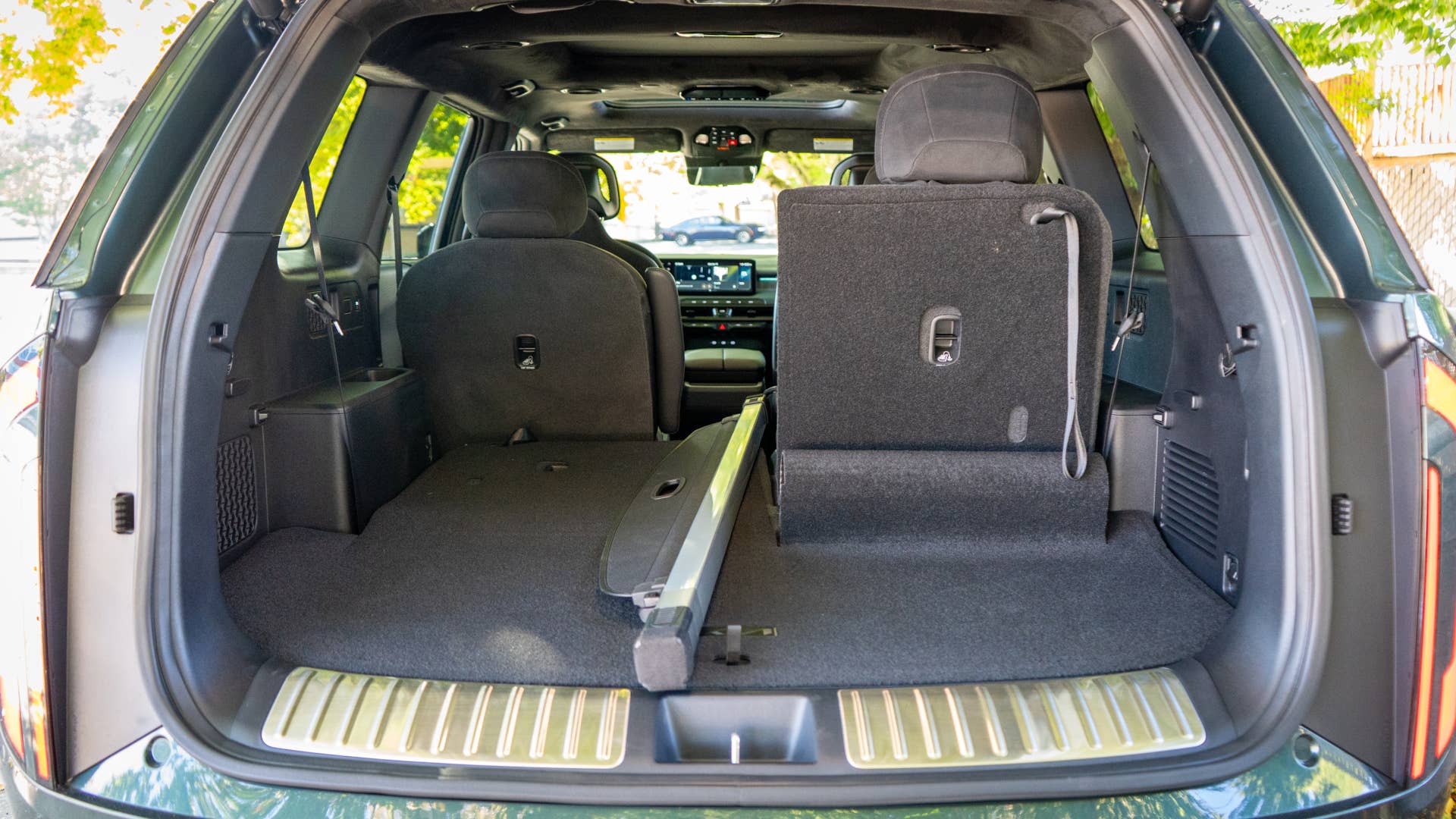
Unsurprisingly, the huge SUV has plenty of room for pets inside. Maybe even more importantly, there are lots of ways to fit your dog and other stuff. For example, the Pilot’s center seat in the second row actually folds away, which lets your dog ride on the third-row bench seat while two passengers sit in the second row. Of course, the seats also fold in a litany of ways, which makes carrying cargo and keeping it separate from your pet similarly easy. The seat bottoms in both rows are also flat, which means there’s lots of room to lie flat on the seats, too.
Materials: Mostly Pet-Proof
Chase Bierenkoven
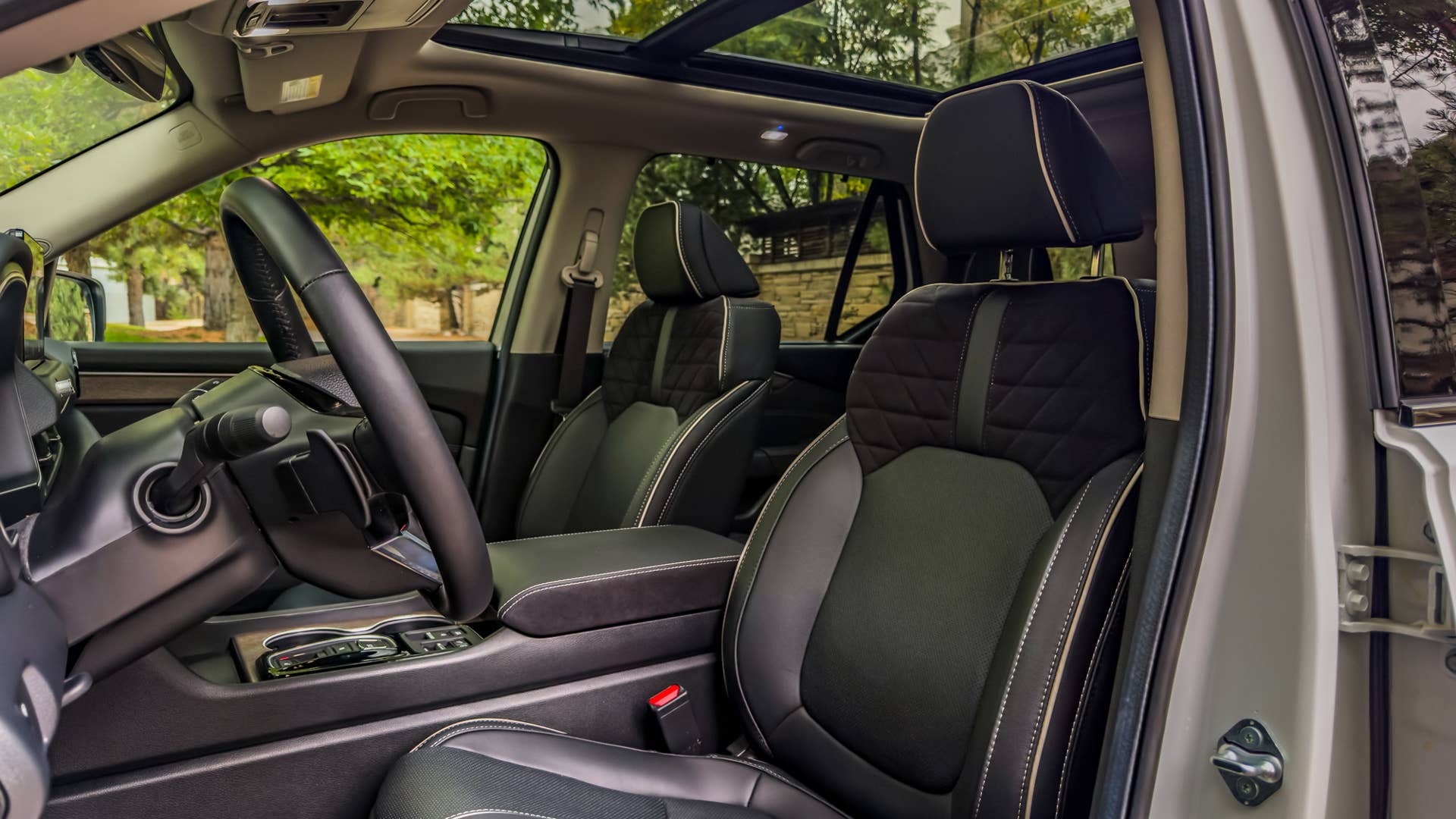
Materials in the Pilot vary a lot by trim, from basic cloth seats to these suede-trimmed leather ones found in upper trims like the Touring, Elite, and Black Edition. Regardless, they’re all pretty scratch-, dirt-, and vomit-proof. The Pilot, after all, is built for families, and Honda very reasonably suspects something is going to throw up, spill, or drop something in the back seats. The door cards are plastic, which might scratch easily but is better off than more delicate materials. All in all, I wouldn’t worry too much about the interior on the Pilot if you have pets.
Verdict: As Good As SUVs Get For Pet Owners
Chase Bierenkoven
To no one’s surprise, the giant box-shaped object on wheels is pretty great at hauling around pets. The Pilot isn’t very inspired, but a few clever features do help make life easier for pet owners. The SUV’s fold-down center seat is a great way to carry pets, people, and cargo with ease, for example. It’s hard to go wrong with the Pilot.
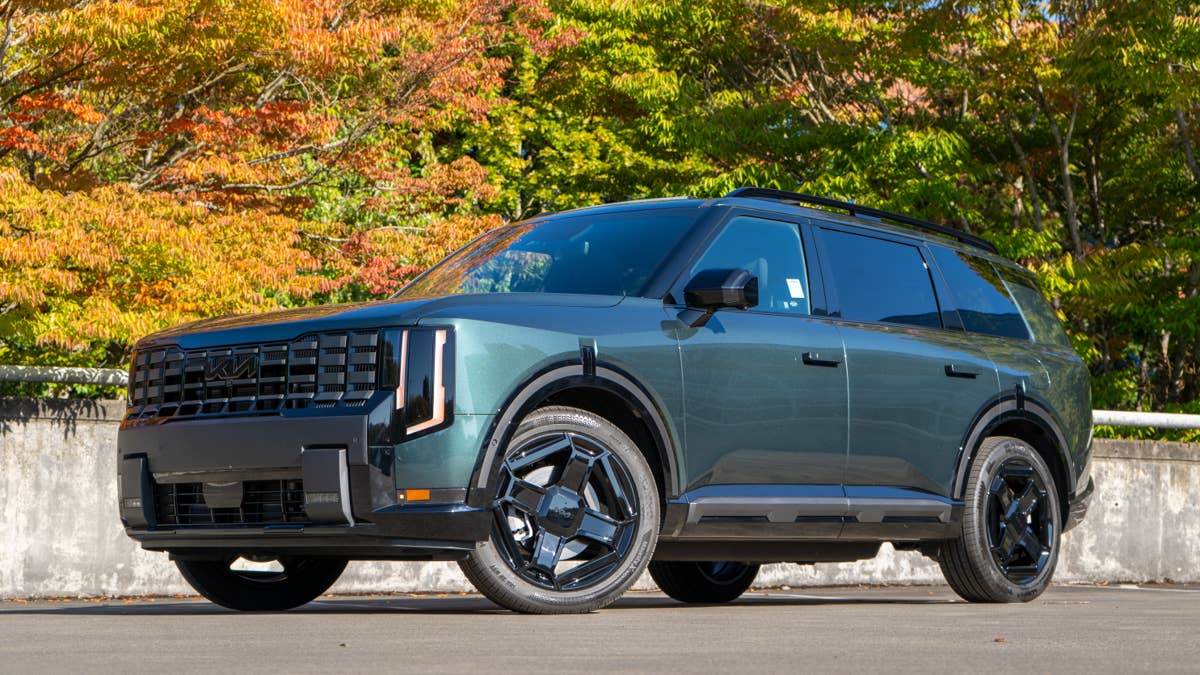
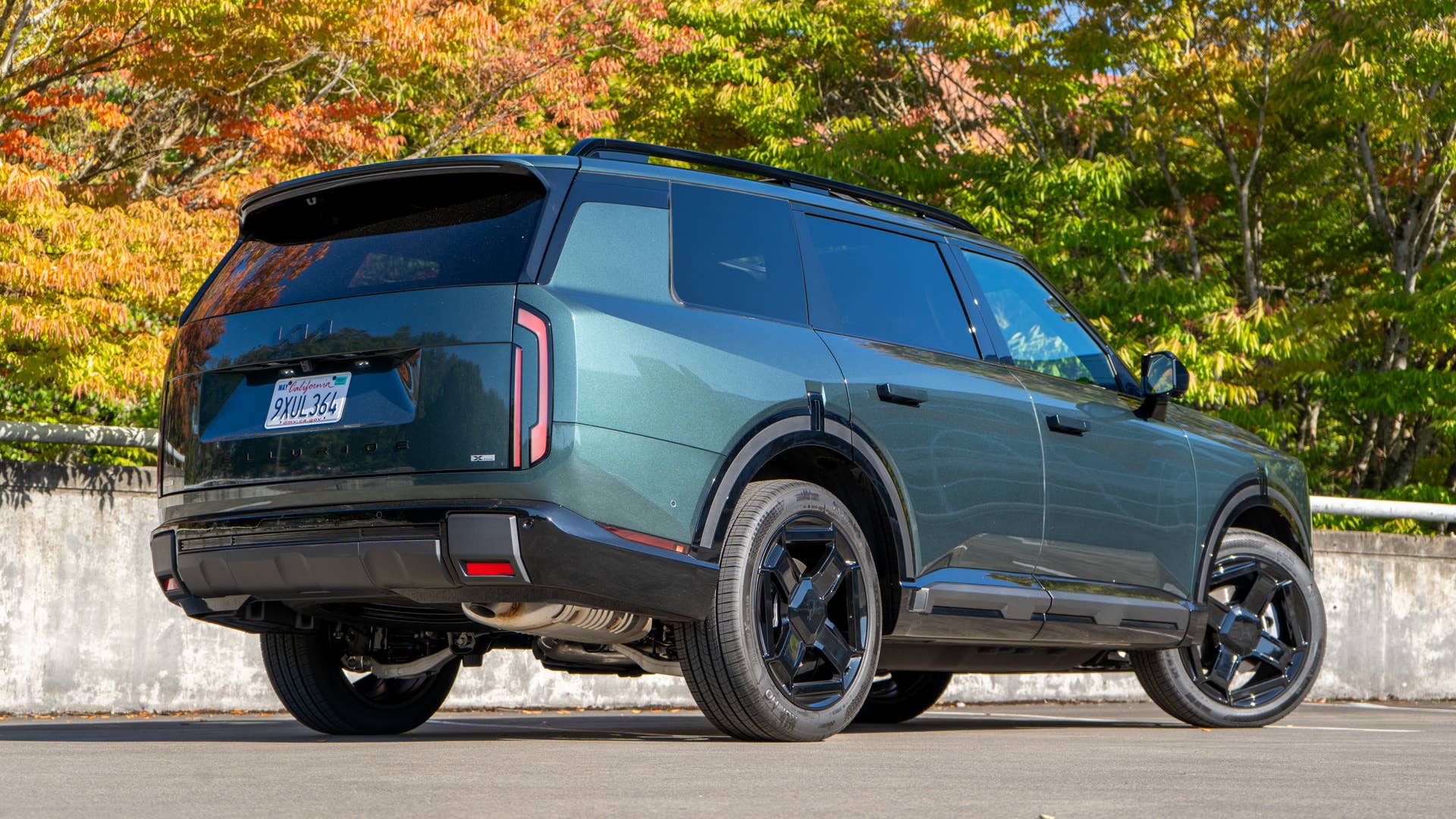
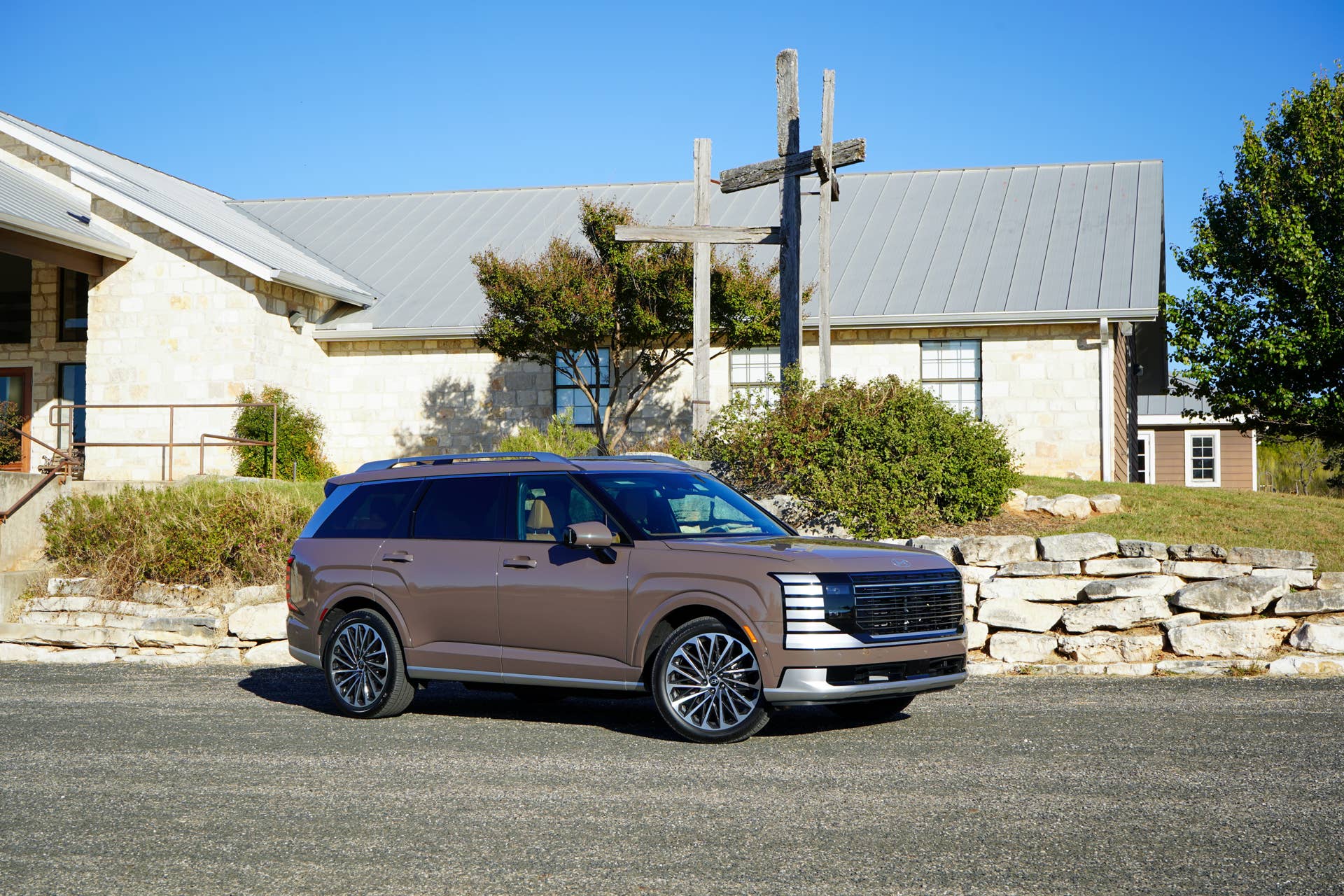
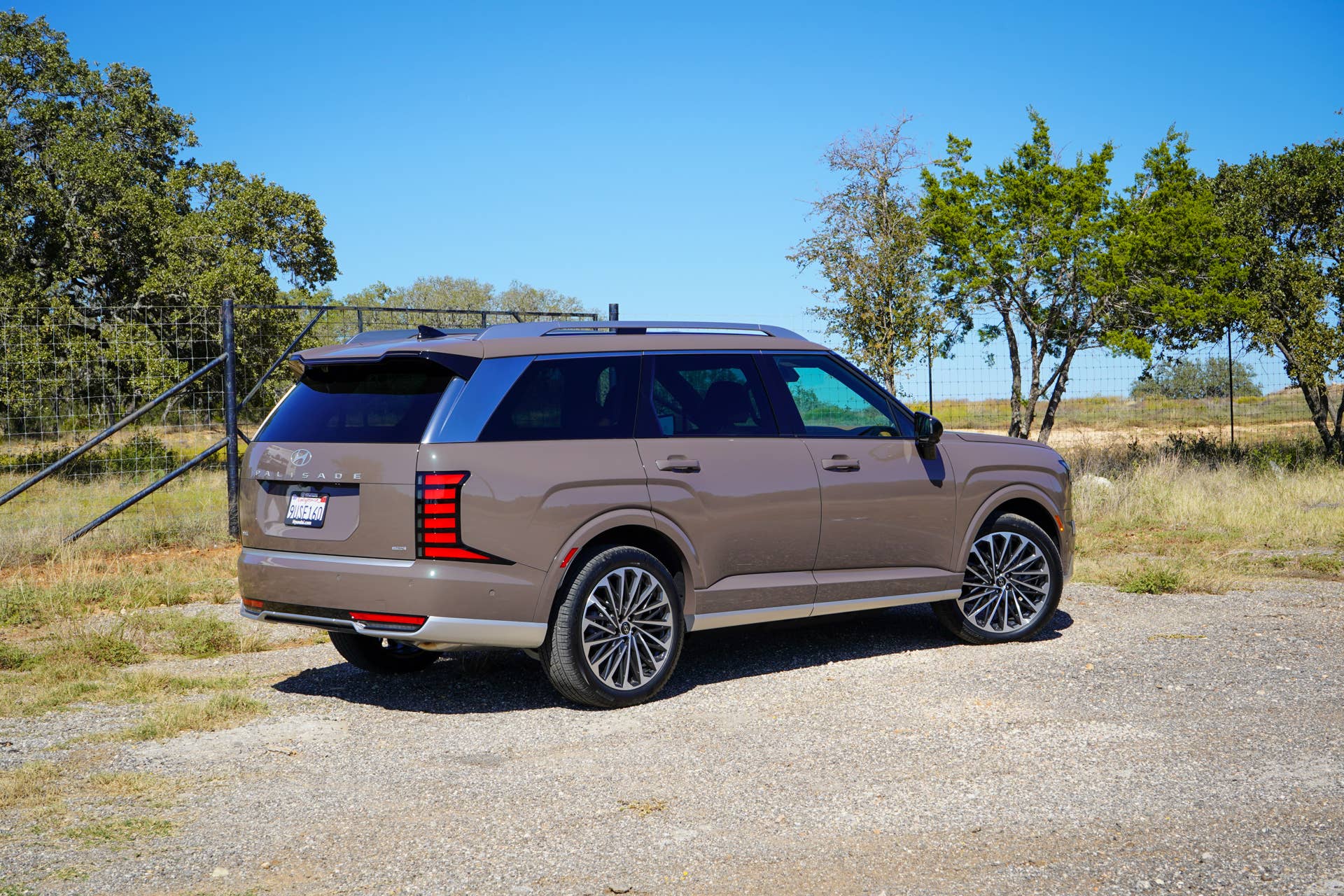
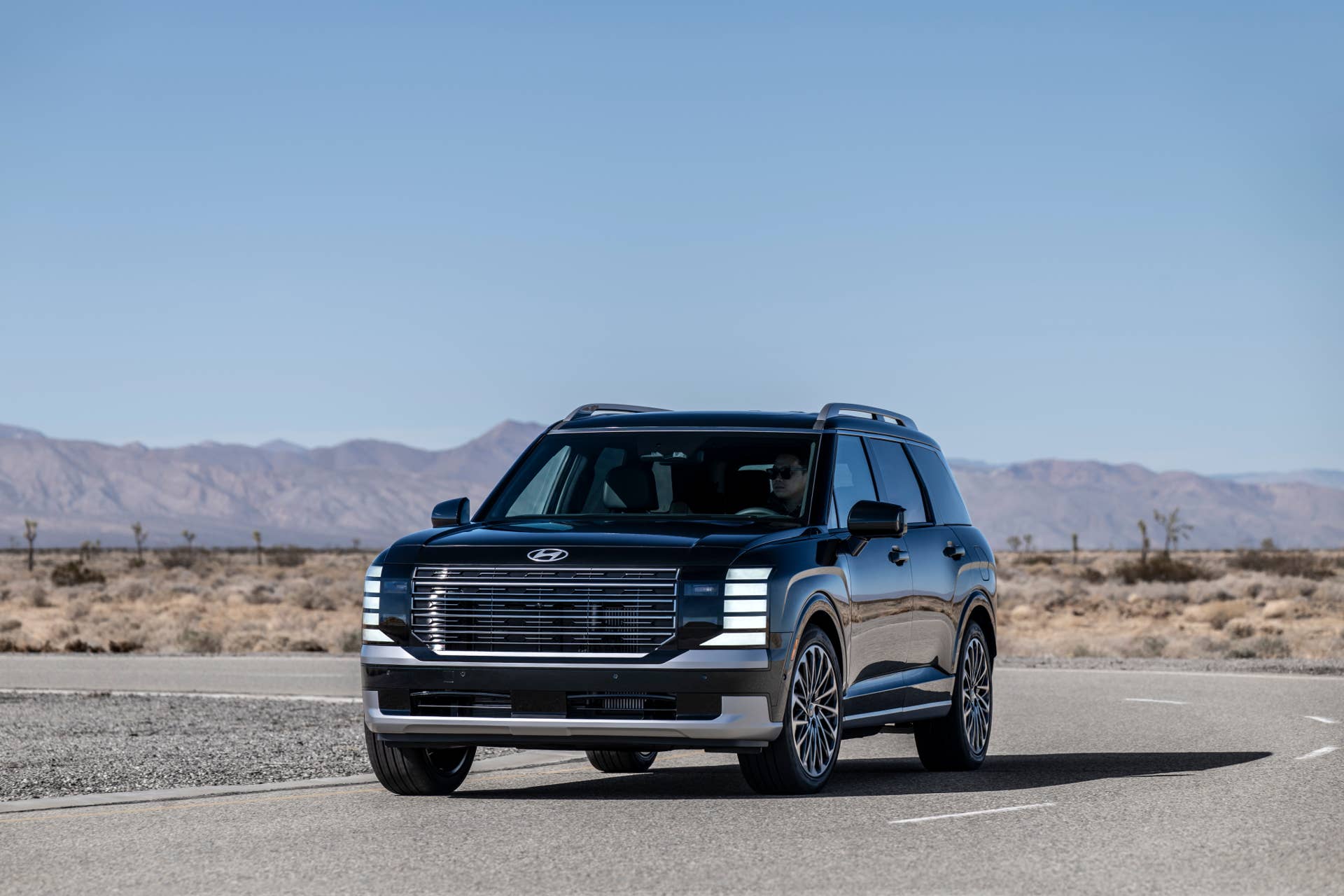
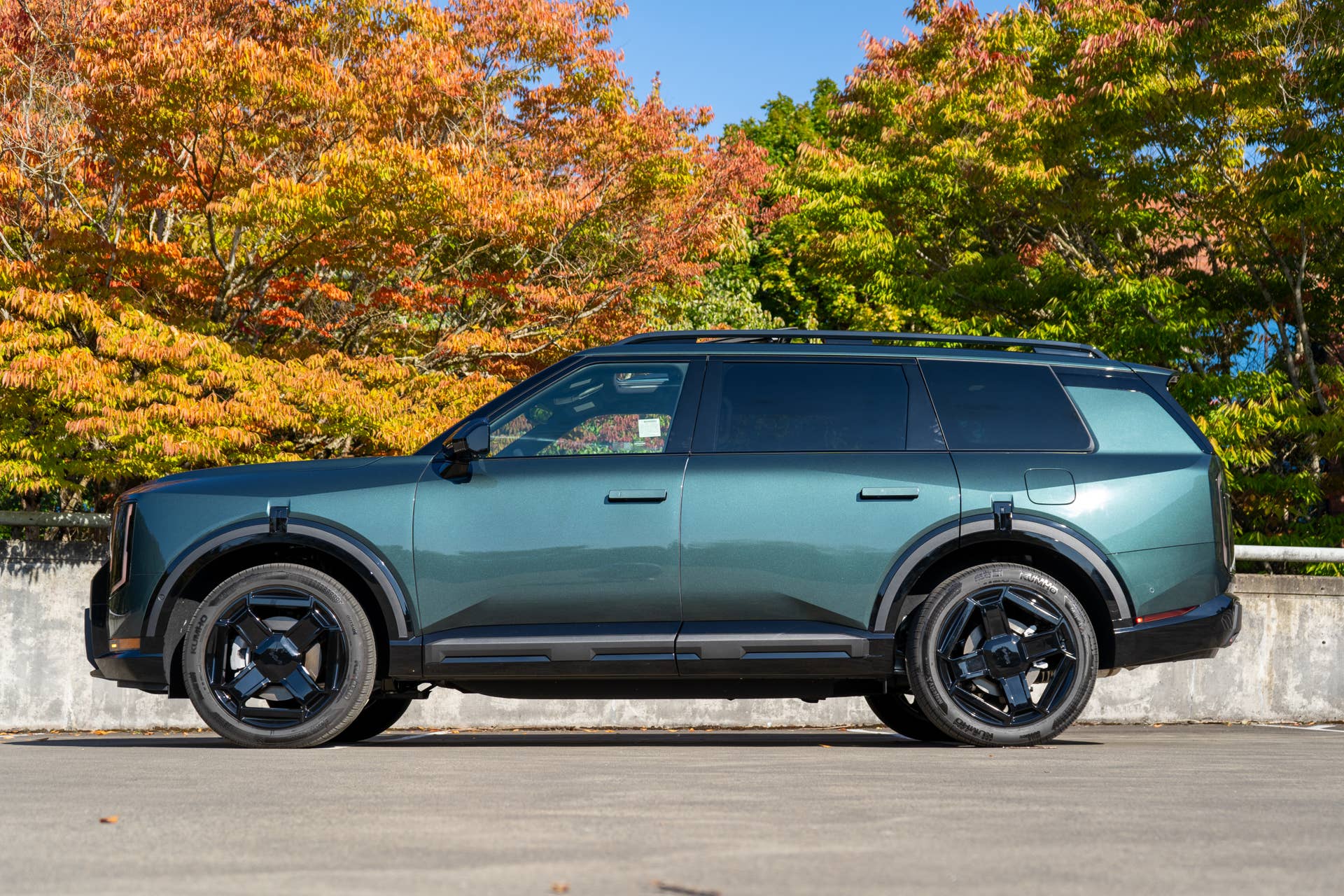
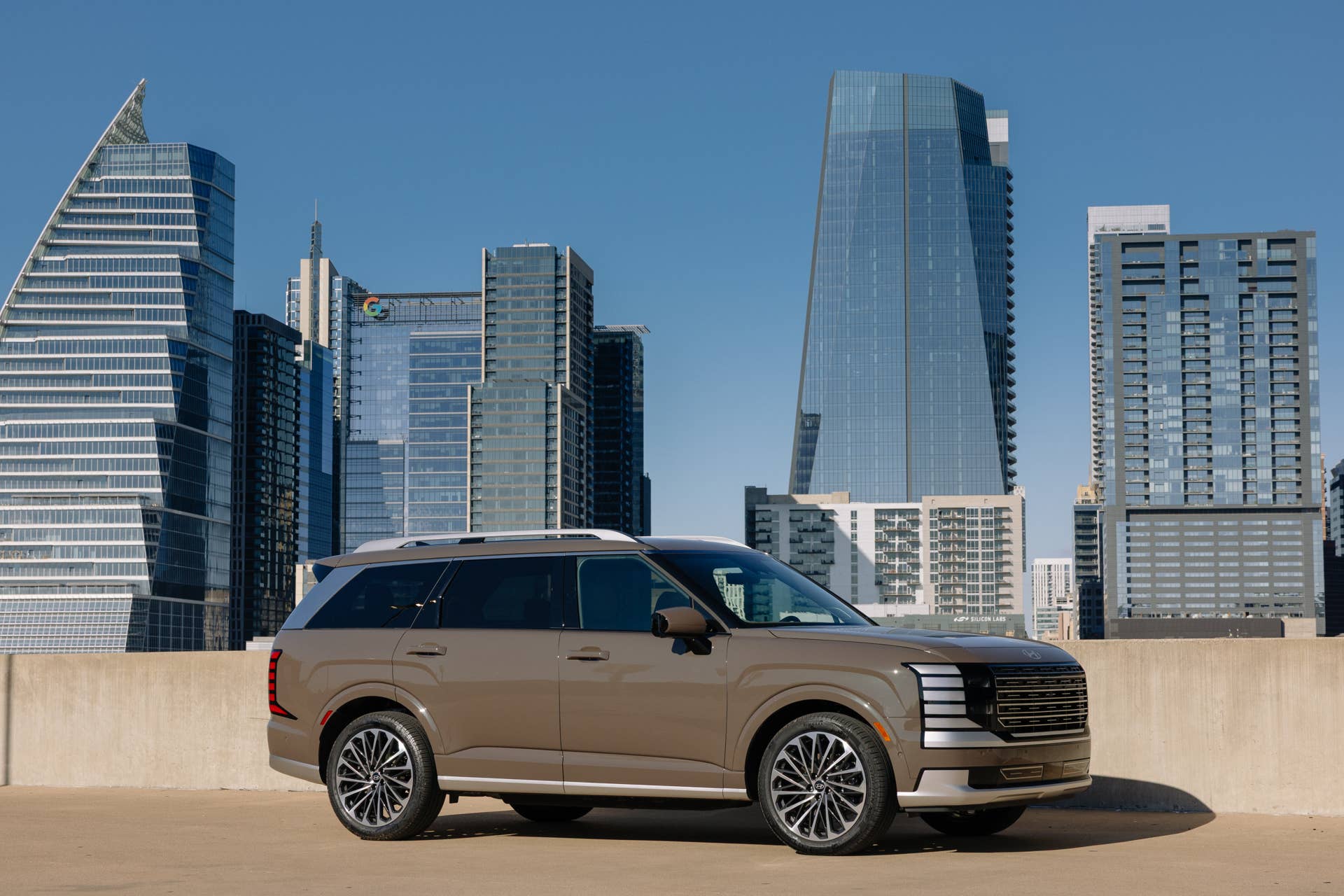
Any family SUV can make a convincing first impression with flashy lighting signatures and large, handsome wheels. The hardest part comes after everyone climbs aboard, the luggage goes in, and your whole family hits the open road. The 2027 Kia Telluride Hybrid and 2026 Hyundai Palisade Hybrid share nearly identical mechanical ingredients, both sitting on the same underpinnings. Beyond their distinct styling, their differences become most apparent when you open the doors and look at what each manufacturer includes for the money. I spent a day with the Palisade Hybrid Calligraphy around Austin and Texas Hill Country, followed by approximately 30 minutes in the Telluride Hybrid X-Line SX-Prestige AWD at Drive Revolution in Vancouver, Washington. This comparison draws on those separate drives and U.S. specifications.
Specification
2027 Kia Telluride Hybrid
2026 Hyundai Palisade Hybrid
Hybrid starting MSRP, FWD
$46,490 — EX
$44,160 — Blue SEL
Least-expensive hybrid AWD
$48,490 — EX AWD
$46,160 — SEL AWD
Upper trims compared
X-Line SX-Prestige AWD: $57,590
Calligraphy AWD: $58,780
Powertrain
2.5-liter turbocharged four-cylinder hybrid
2.5-liter turbocharged four-cylinder hybrid
Combined output
329 hp / 339 lb-ft
329 hp / 339 lb-ft
Transmission
Six-speed automatic
Six-speed automatic
Seating
Seven
Seven or eight, depending on trim; Calligraphy seats seven
Third-row legroom
32.1 inches
32.1 inches
Best EPA combined economy
35 mpg — EX FWD
34 mpg — Blue SEL / SEL Premium FWD
EPA combined economy, upper AWD trims above
31 mpg
29 mpg
Maximum towing, properly equipped
4,500 pounds
4,000 pounds
Cargo behind third / second / first row
21.3 / 47.7 / 88.3 cu. ft.
19.1 / 46.3 / 86.7 cu. ft.
Wheelbase
116.9 inches
116.9 inches
Ground clearance
7.4 inches
7.4 inches
Prices are U.S. MSRP before destination, options, taxes, and dealer charges. Economy figures apply to the configurations identified; towing requires appropriate equipment and compliance with vehicle and trailer limits.
Starting Outside: Similar Footprints, Different Personalities
Both SUVs have stout, upright proportions that announce serious family duty. The Telluride measures 199.2 inches long; the Palisade is essentially the same size, with Calligraphy stretching to 199.4 inches. Neither offers an escape from the big parking space. Kia gives the X-Line a darker, outdoorsy presentation, and my Black Jade Green example wore that treatment particularly well. Hyundai’s Cast Iron Brown Pearl and brown upholstery reminded me more of the grand American family wagons I discussed in the original review, and despite its modern look, it takes on a more traditional, old-school sense of coziness.
2026 Hyundai Palisade Calligraphy HEV
Cole Attisha
2026 Hyundai Palisade Calligraphy HEV
Cole Attisha
Approach the doors, and Kia adds some theater with handles that extend automatically. Hyundai uses conventional pulls. The distinction changes the welcome as much as the appearance. The badges need decoding, too. Kia offers a hybrid X-Line, but the more specialized X-Pro is gasoline-only. Hyundai’s XRT Pro belongs exclusively to the V6 lineup. Both hybrids have 7.4 inches of clearance, so the Kia’s adventurous styling doesn’t offer a clearance advantage; it’s just a bit more provocative to look at.
Hop Inside: Hyundai Feels More Traditionally Luxurious, Kia Feels Sporty And Modern
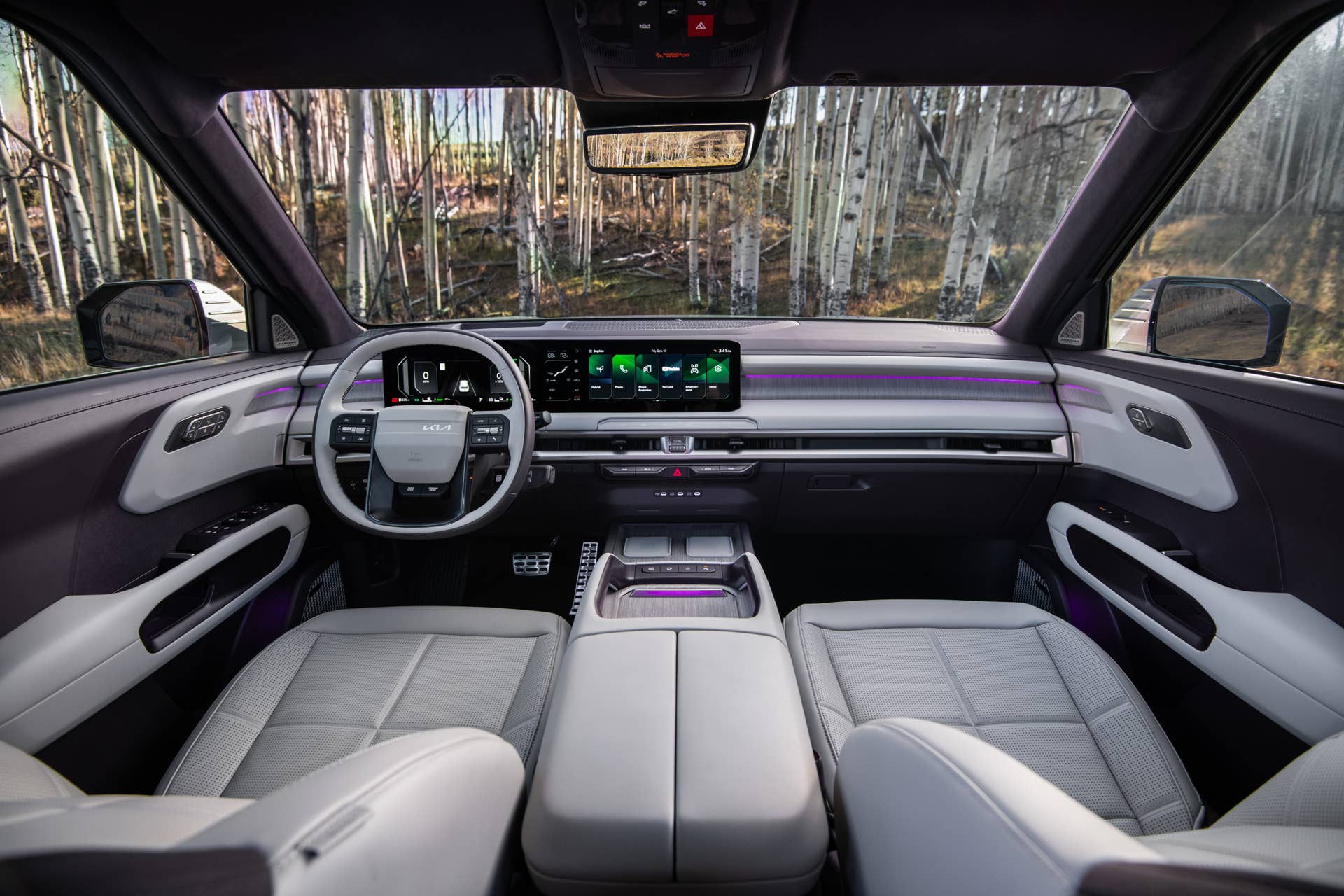
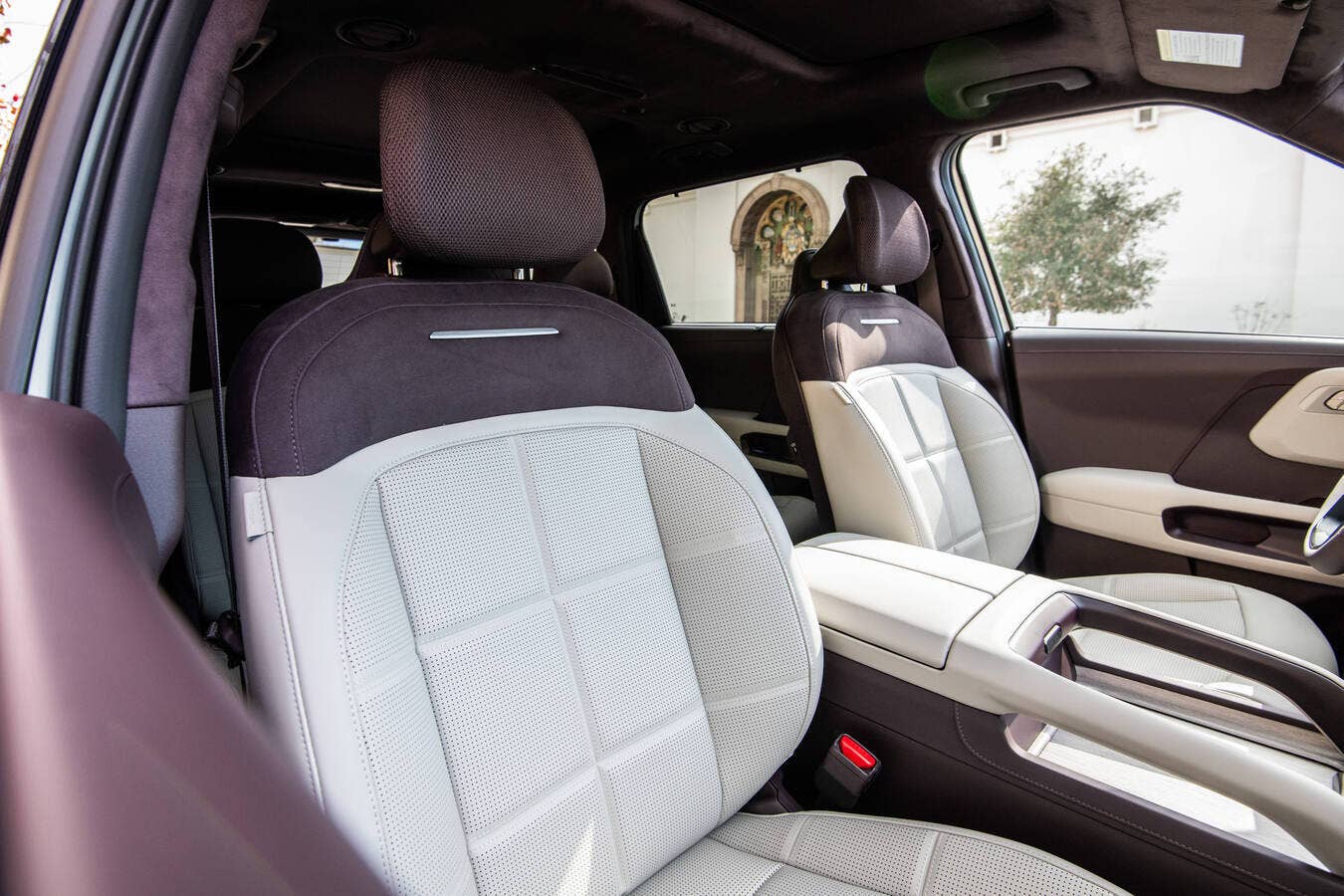
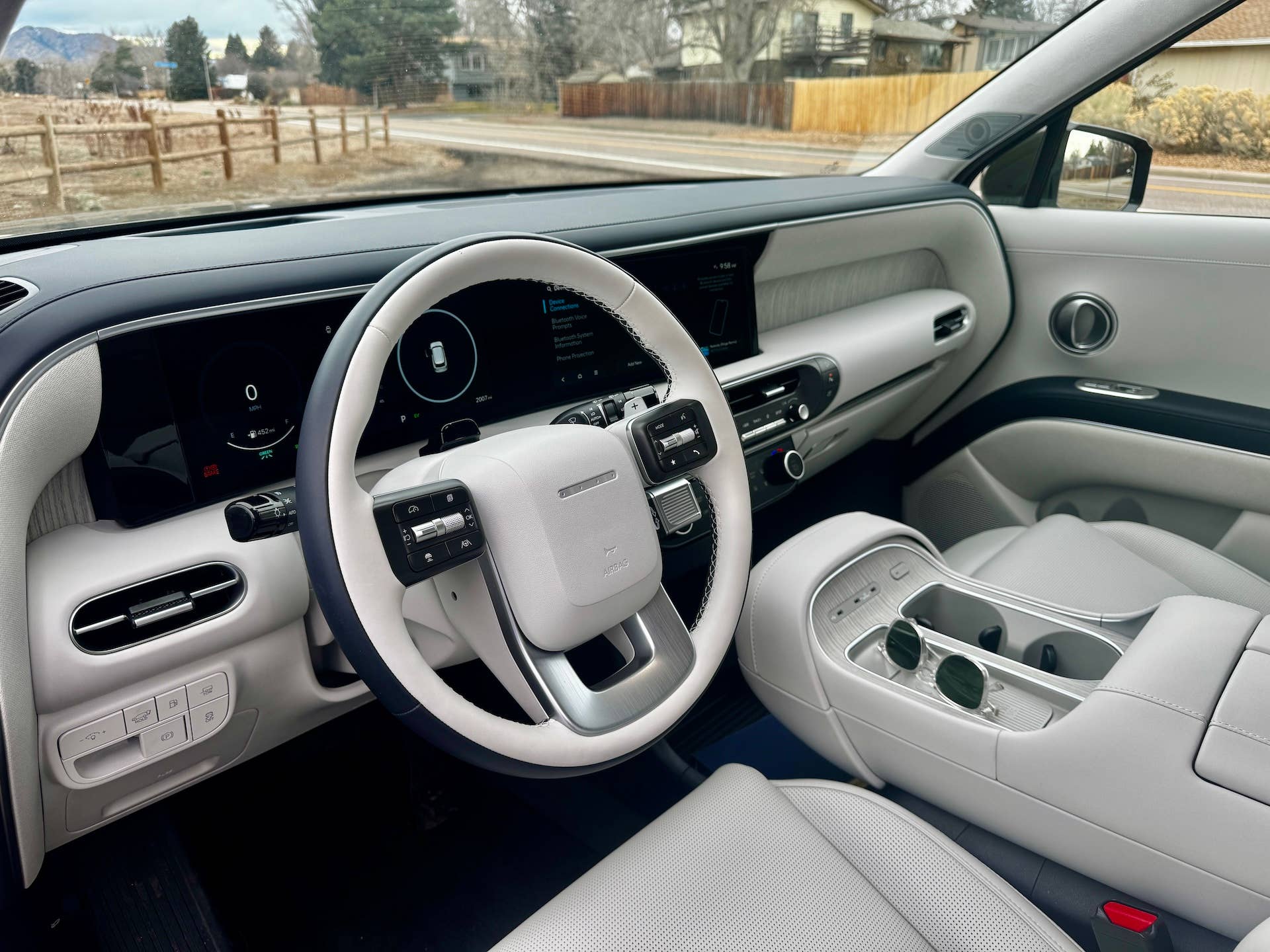
The Telluride organizes its displays and physical controls into a cohesive dashboard. Prestige trim adds engineered-wood accents and a suede-look headliner, giving the cabin visual warmth and enough detail to reward a closer inspection.
2026 Hyundai Palisade Hybrid interior
Joe Santos
2026 Hyundai Palisade
Jared Levenson/Autoblog
The Palisade uses a broad horizontal dashboard and a substantial center console, with open storage beneath. Follow that console forward, and physical switchgear remains within reach. Its layout feels like a well-furnished room, complete with useful places for the belongings its occupants inevitably bring aboard. An important difference between the two SUVs is their use of materials: Palisade Calligraphy offers Nappa leather seating surfaces, while Telluride Prestige uses synthetic SynTex and SynTex suede trim. Buying the Kia’s upper trim doesn’t get you genuine leather. Personally, I preferred the Hyundai’s more traditional luxury, but the upholstery distinction gives buyers something concrete to consider alongside my own subjective impression.
2027 Kia Telluride X-Pro SX-Prestige
Kyle Edward - Autoblog
Try The Features: Two Charging Pads Or A Built-In Dashcam?
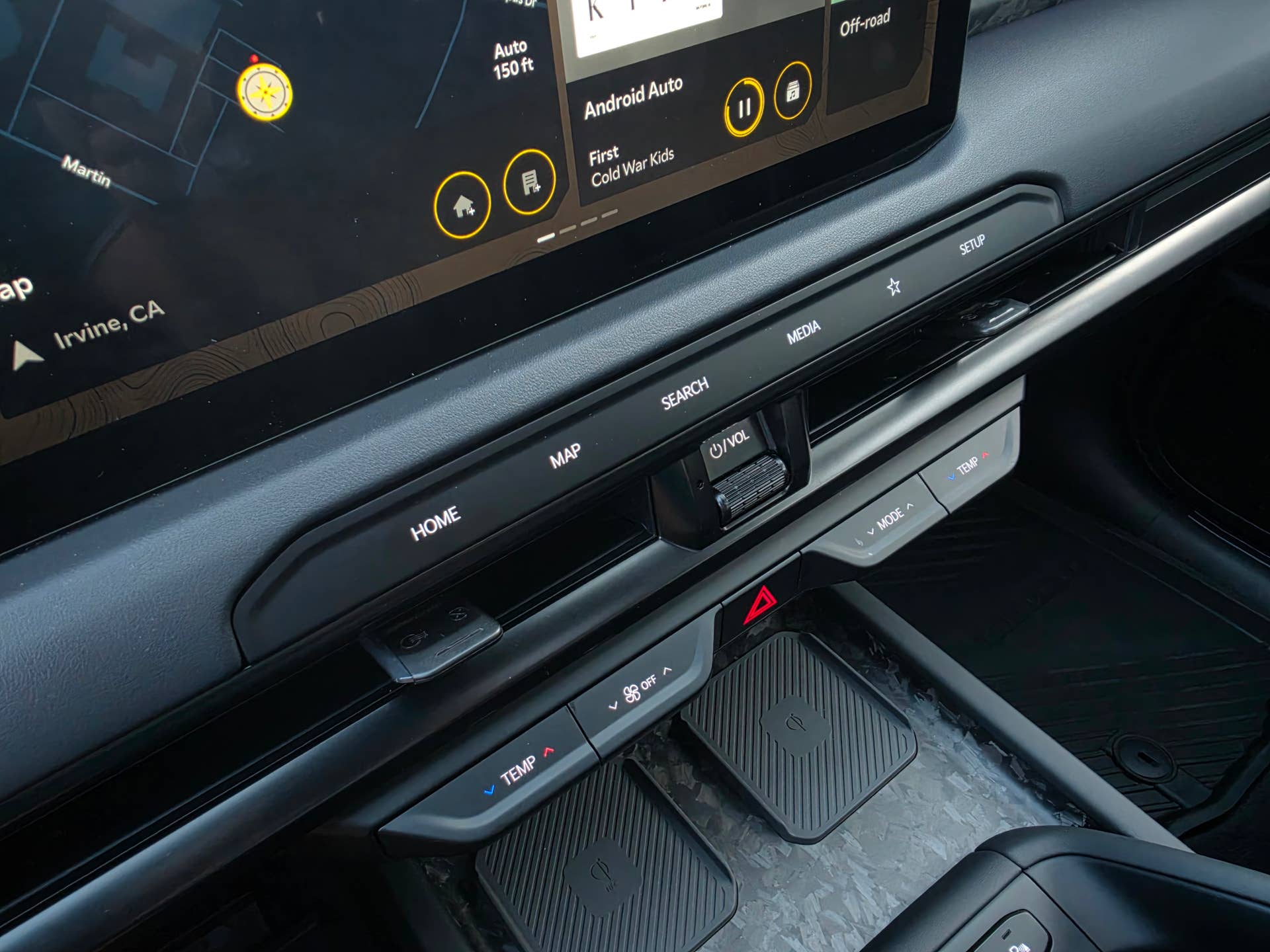
Both SUVs supply a 12.3-inch infotainment touchscreen and wireless Apple CarPlay and Android Auto. Kia uses Meridian for premium audio, while Hyundai uses Bose, each with 14 speakers. Kia supplies two wireless charging pads, while Hyundai provides one with a cooling fan. Two people can charge compatible phones wirelessly in the Telluride without arguing over whose battery is lowest.
2026 Hyundai Palisade Hybrid
Chase Bierenkoven
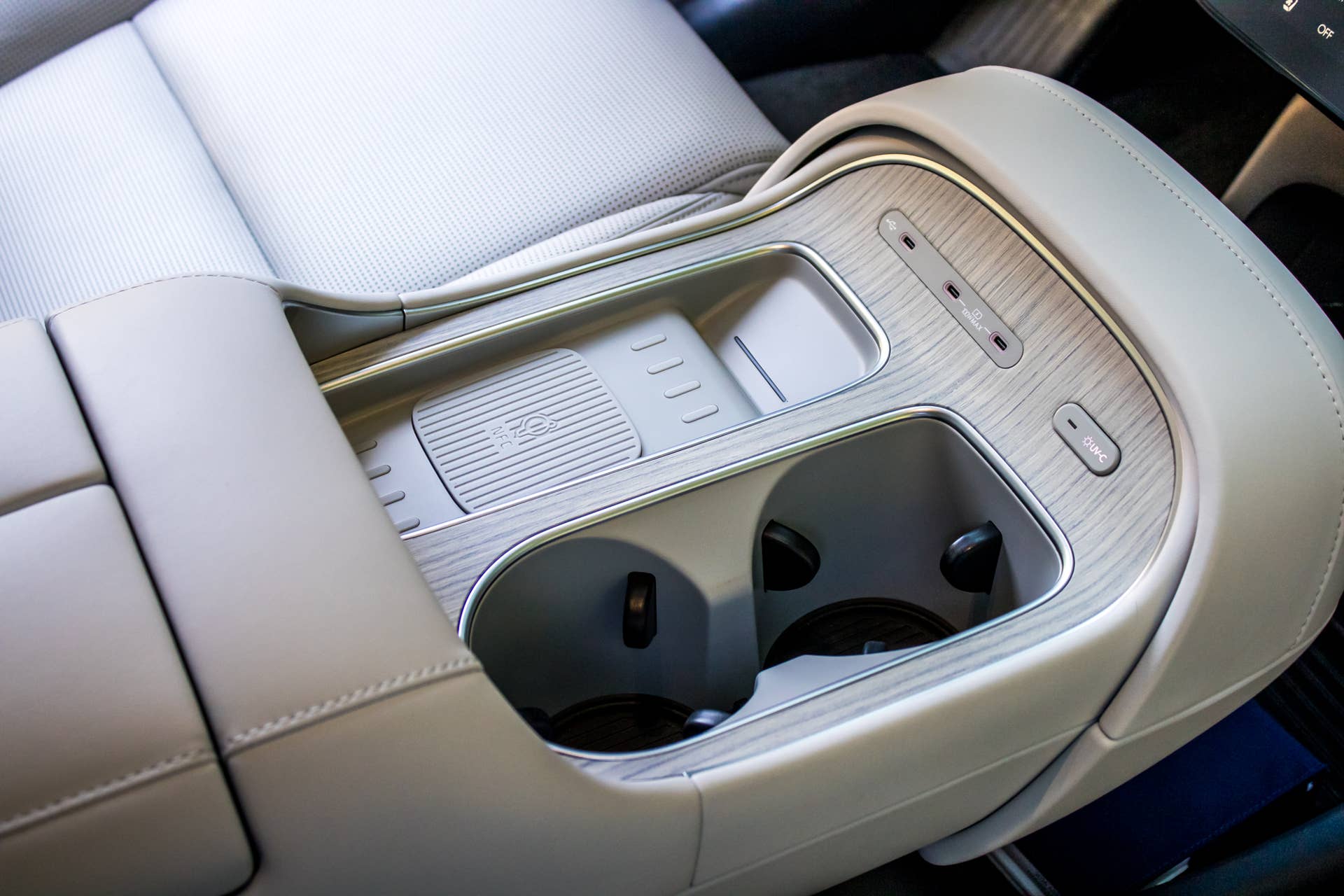
Hyundai counters with an available factory dual-camera dashcam and a UV-C compartment in the console, features absent from Kia’s published U.S. equipment list. The integrated camera interests me more than the sanitizing compartment, especially if it saves me from installing another device. Both hybrids also offer Stay Mode, which lets you use cabin systems while parked.
The Hyundai Palisade’s third row
Kristen Brown
Move Into The Rear: Count Seats, Then Try Them
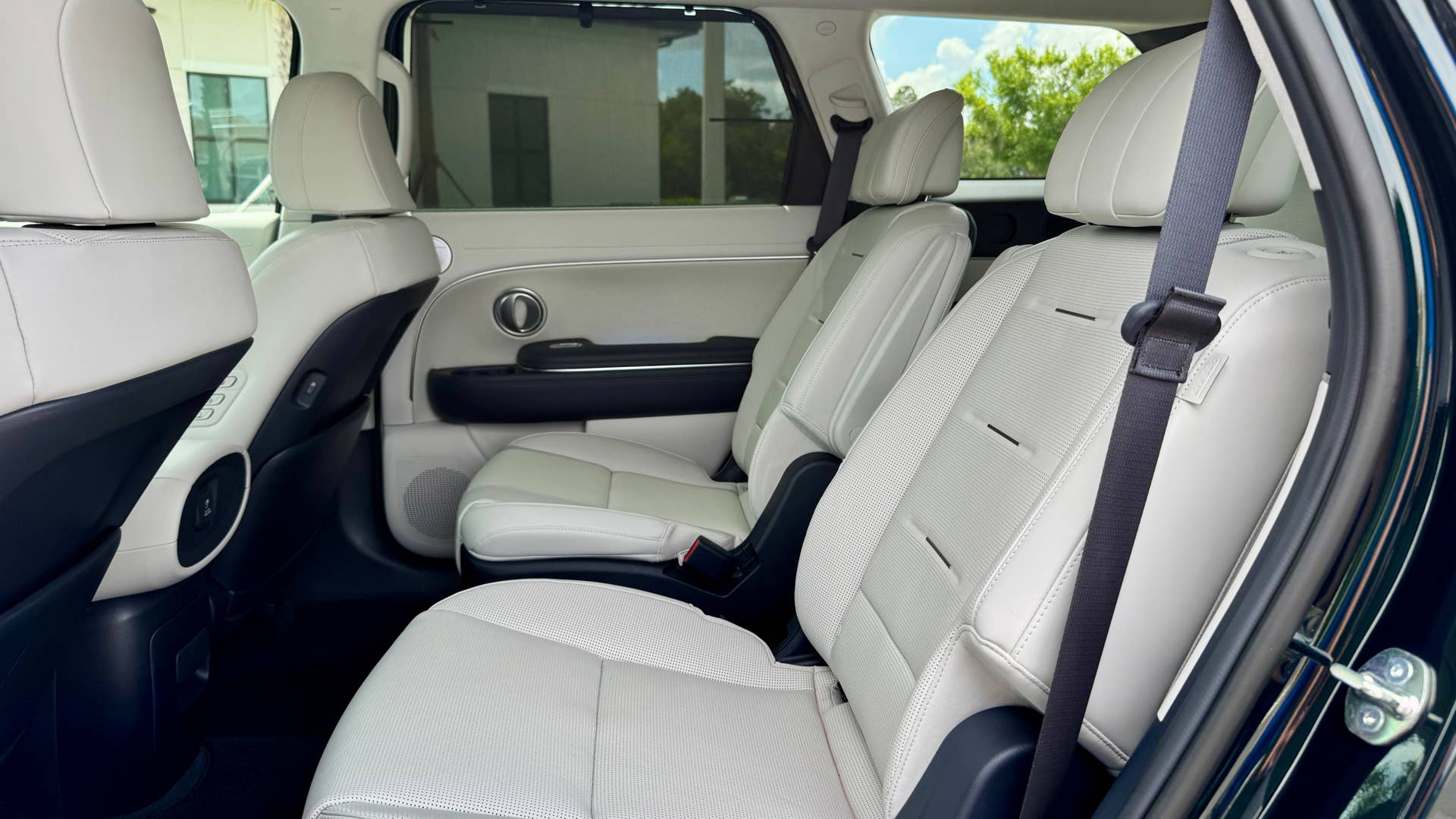
If you need eight seats, the choice is obvious: Hyundai offers that configuration on lower hybrid trims. The U.S. Telluride Hybrid lineup seats up to seven, with second-row captain’s chairs. Palisade Calligraphy also seats up to seven. Both offer heated and ventilated second-row seating, but the finer amenities require attention. Kia puts second-row Relaxation seats and heated outboard third-row seats in the optional Executive Package on Prestige trims. Hyundai includes second-row Relaxation seating and third-row heating on Calligraphy. The right seat demonstration can therefore mean different things for the final bill.
2027 Kia Telluride HEV
Kia
However, climb into the third row, and the luxury-car facade becomes a bit less convincing. The space is cramped for adults, but adequate for small children. Heating can make a small seat warmer, but it can’t make it bigger. I would reserve these seats primarily for tiny tots or very occasional adult use. Both SUVs claim up to 32.1 inches of third-row legroom. The directly competing 2026 Toyota Grand Highlander lists 33.5 inches, while the larger 2026 Ford Expedition offers 36.5 inches in its standard seating position, meaning some rivals in this segment offer better third-row legroom without needing to jump to a full-size SUV. Seat height, foot space, and second-row position also affect comfort, but families regularly carrying adults in every row should spend meaningful time back here before buying.
2027 Kia Telluride HEV X-Line SX-Prestige AWD
Cole Attisha
Open The Liftgates: Kia Carries More
The Telluride provides 21.3 cubic feet behind its third row, versus the Palisade’s 19.1. Its advantage continues as seats fold: 47.7 cubic feet behind the second row and 88.3 overall, compared with Hyundai’s 46.3 and 86.7. The space available with everyone aboard is the most consequential difference. Families can’t always fold another seat to accommodate more luggage. Kia also adds a folding luggage table with cupholders, giving you a useful surface at the tailgate.
2026 Hyundai Palisade Hybrid
Chase Bierenkoven
Towing gives the Telluride another advantage: 4,500 pounds against the Palisade Hybrid’s 4,000, properly equipped. Buyers whose loaded trailer falls between those limits have a concrete reason to favor the Kia. Payload, passengers, luggage, and the required towing equipment still factor into that calculation.
These SUVs’ matching horsepower and torque figures make this an unusually close mechanical comparison. Both use a conventional six-speed automatic, with hybrid assistance that requires no plug. The Telluride delivered agreeable responses, comfortable handling, and natural-feeling braking, although hard acceleration could expose some coarseness. The Palisade has a slight edge, at least to my own senses, for its more intuitive driving feel and the comfort it delivered across my Texan outing. The Kia, however, boasts marginally stronger EPA-estimated efficiency figures: 35 mpg combined for EX FWD versus Hyundai’s best 34, and 31 versus 29 for the upper-class AWD versions discussed here.
2027 Kia Telluride HEV X-Line SX-Prestige AWD
Cole Attisha
Compare The Prices: The Cheaper SUV Depends On The Trim
The Palisade’s hybrid entry price is $2,330 lower, with the same gap remaining between the cheapest AWD versions. However, Kia’s EX includes ventilated front seats, while Hyundai requires SEL Premium for that feature. Move up to the better-equipped versions I tested, and the ordering reverses. Telluride X-Line SX-Prestige AWD starts $1,190 below Palisade Hybrid Calligraphy AWD, before destination and options. The non-X-Line Telluride SX-Prestige AWD is another $1,000 less.
2026 Hyundai Palisade Calligraphy HEV
Hyundai
How I’d Spec It
If I were cross-shopping these two SUVs, I’d personally opt for a Palisade Hybrid Calligraphy in Cast Iron Brown Pearl with brown Nappa leather upholstery, just like the one I drove. That warm, coordinated palette suits its traditional luxury character and reinforces the family-wagon connection that made it so appealing. Plus, its competitive leasing programs mean the monthly payment gap between the Calligraphy and lesser-equipped models isn’t overly chasmic.
Its cabin and driving feel justify considering the Calligraphy’s premium, although the cramped third row remains an important qualification for both SUVs. The Telluride counters with more cargo room, a higher towing limit, stronger EPA economy, and two wireless charging pads. The Kia makes several family tasks easier on paper, but the Hyundai’s particular combination of comfort, design, and road manners would bring me back for the keys.
Autoblog aims to feature only the best products and services. If you buy something via one of our links, we may earn a commission.
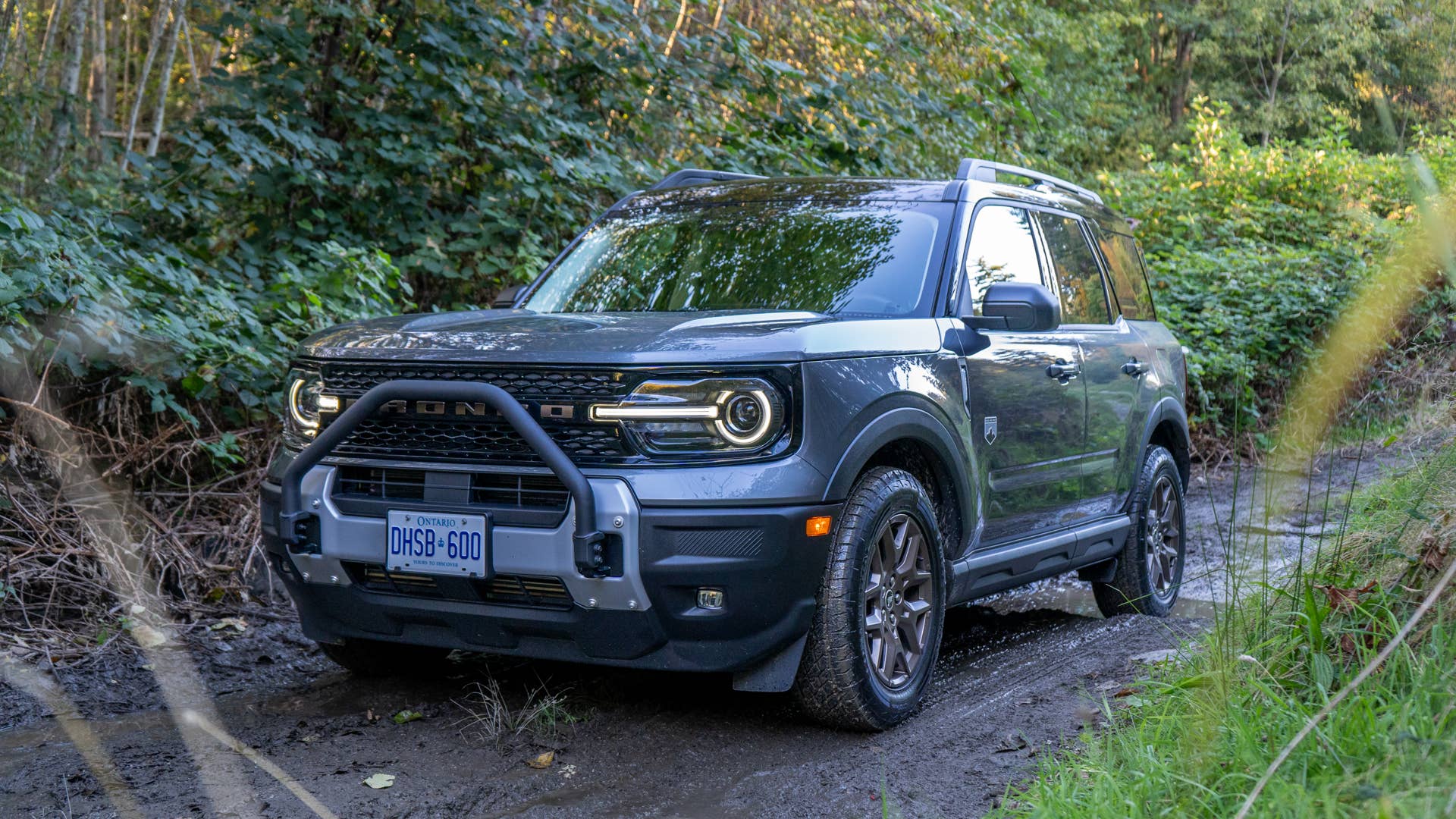
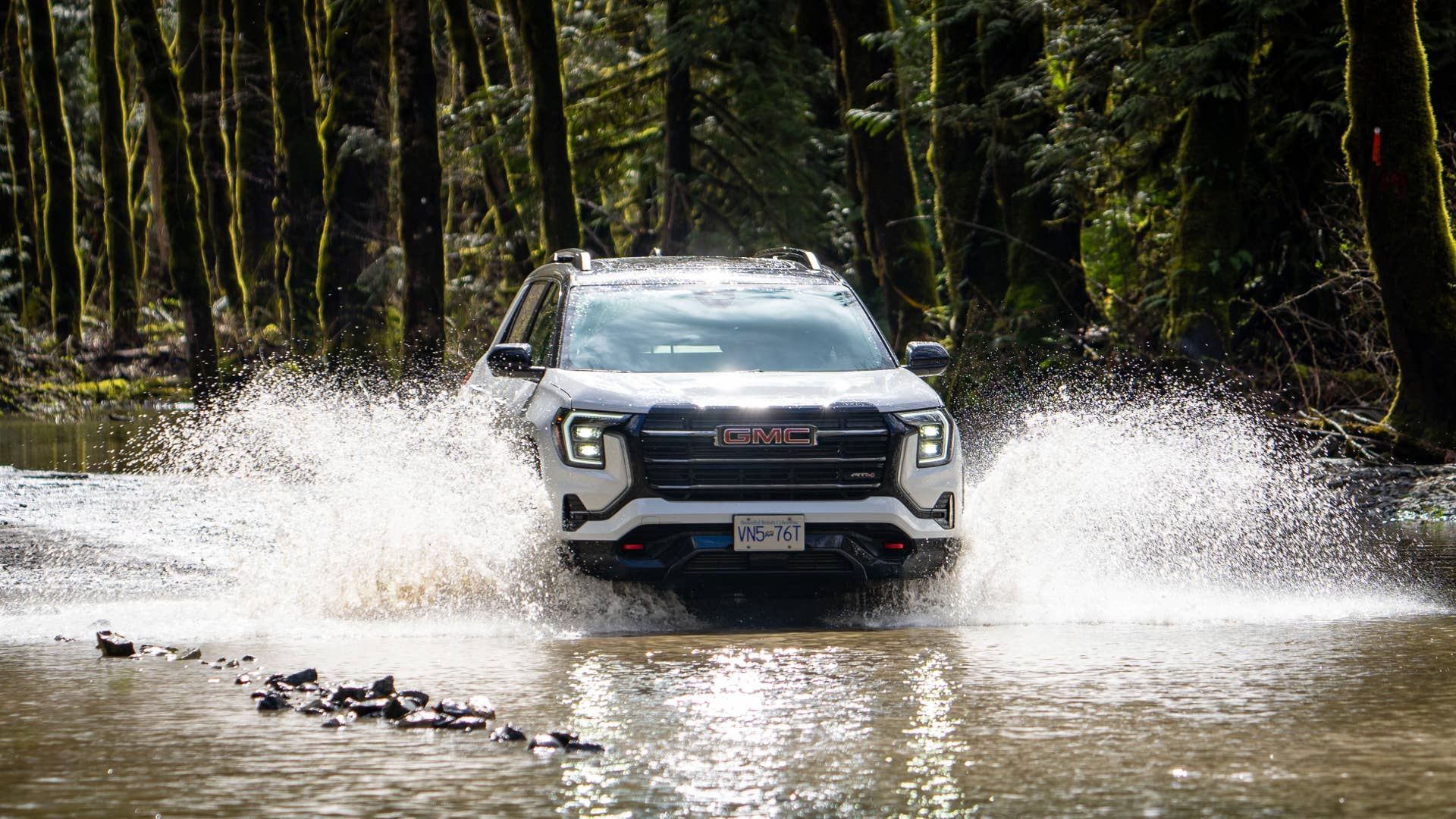
Realistically, every adventure SUV spends an awful lot of time doing things that would look painfully dull in commercials. Popping out for groceries, transporting friends and family, and crawling through city traffic rarely require recovery hooks. They do, however, reveal whether those rugged accessories belong to a vehicle you actually enjoy living with. After separate week-long tests of the 2026 Ford Bronco Sport Big Bend and GMC Terrain AT4 around Vancouver and British Columbia’s backroads, I came away appreciating both more than I expected. Their differences became most apparent when I considered what each asks buyers to prioritize. Ford sells more personality for less money; GMC charges more for a calmer daily experience. The question is whether that extra polish justifies the premium.
2026 Ford Bronco Sport Big Bend
Cole Attisha
Specification
Bronco Sport Big Bend
Terrain AT4
U.S. starting MSRP, before destination
$31,845
$39,400
Model-range starting MSRP
$31,845 — Big Bend 4×4
$30,200 — Elevation FWD
Engine
1.5-liter turbocharged three-cylinder
1.5-liter turbocharged four-cylinder
Horsepower / torque
180 hp / 200 lb-ft
175 hp / 203 lb-ft
Transmission
Eight-speed automatic
Eight-speed automatic
Drivetrain
Standard 4×4
Standard AWD
EPA combined fuel economy
27 mpg
25 mpg
Cargo, rear seats upright / folded
32.5 / 65.2 cu. ft.
29.8 / 63.5 cu. ft.
Maximum towing
2,200 pounds with optional tow package
1,500 pounds
Prices exclude options, taxes, and destination. My Ford tester had the Bronze + Black Diamond Off-Road equipment; a standard Big Bend does not include all that hardware.
Powertrain And Driving: Ford Makes The Ordinary More Enjoyable, GMC Makes It More Comfortable
On paper, the numbers suggest something a draw. Just five horsepower separates these engines’ outputs, and GMC counters with only three extra pound-feet of torque. Both also use conventional eight-speed automatics, an appealing distinction for buyers who dislike a CVT’s rubber-band delivery. When it came down to actual driving character out on the road, I personally favored the Ford, at least from the driver’s seat. Its three-cylinder has a raspy voice and an audible turbocharger whoosh, while its drive modes make a noticeable difference. Sport suits winding coastal roads; Eco feels far more relaxed around town.
The GMC felt responsive enough when accelerating from a standstill, but less enthusiastic on the highway. Occasional abrupt shifts also interrupted its otherwise agreeable manners. Its strength was settling into the journey smoothly, rather than encouraging me to make more of it. So simply matching engine displacement and similar output figures doesn’t guarantee a similar driving experience here. Anyone expecting the GMC’s higher price to buy stronger performance should think twice.
Comfort And Practicality: Passengers And Cargo Want Different Things
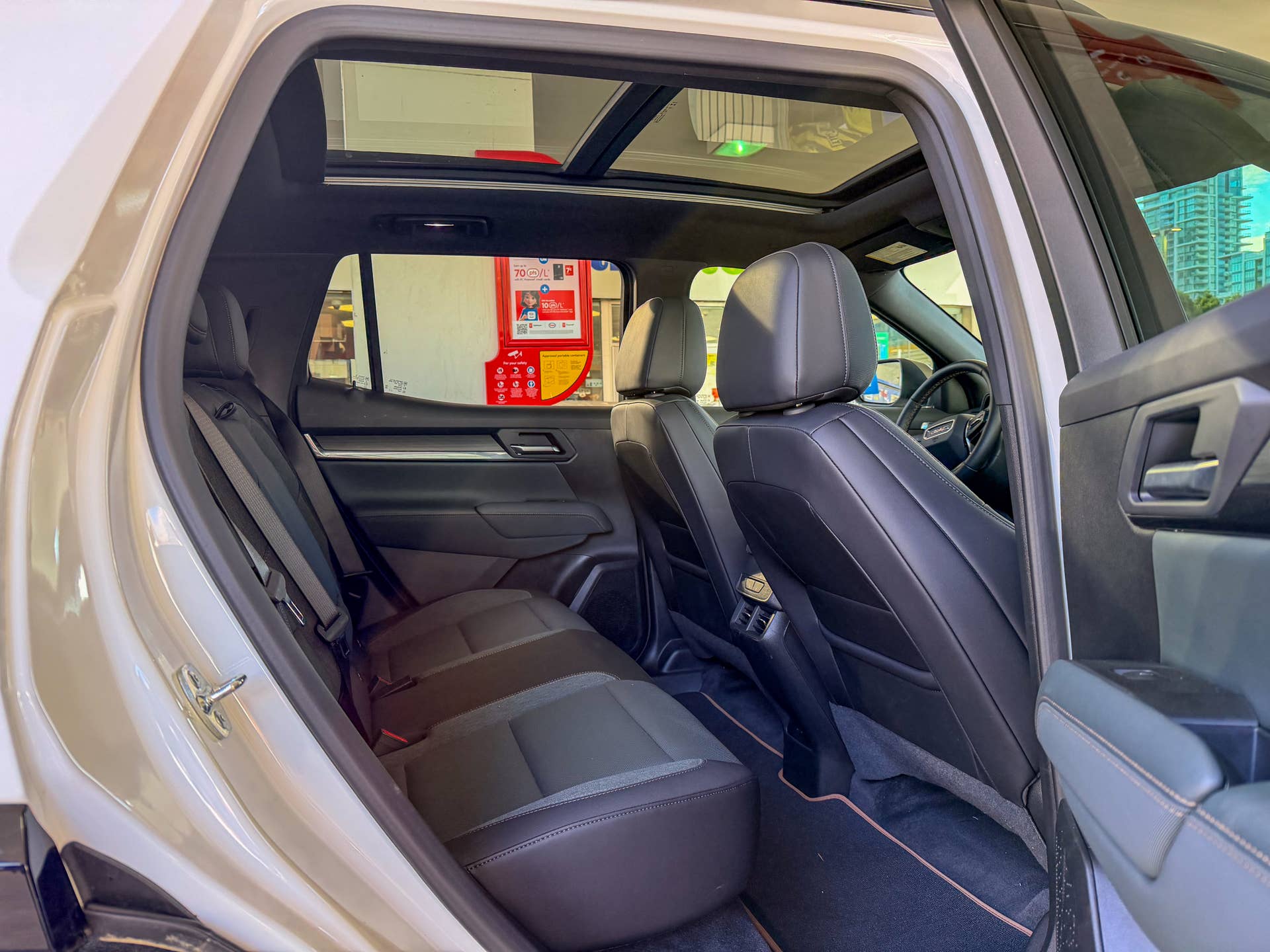
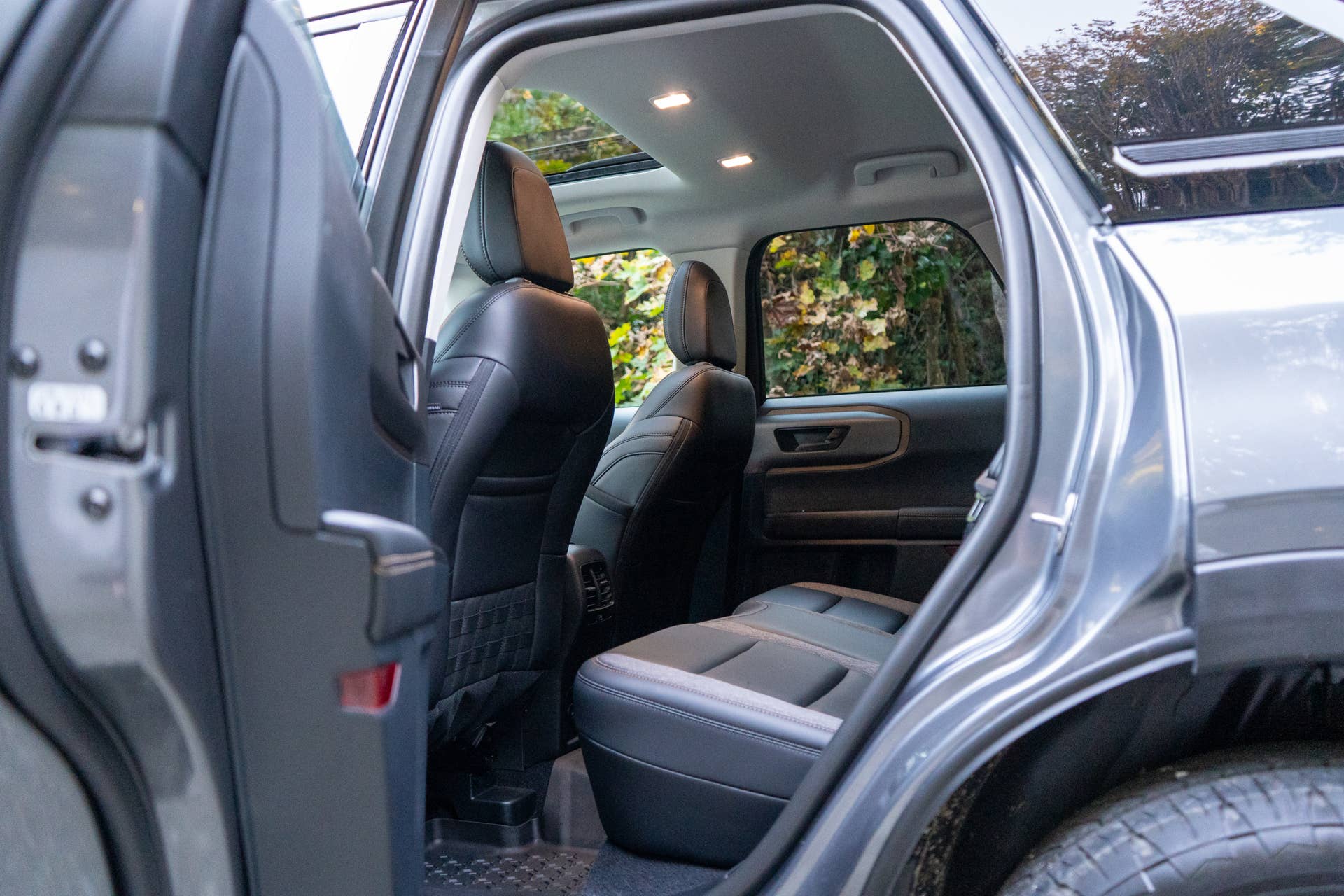
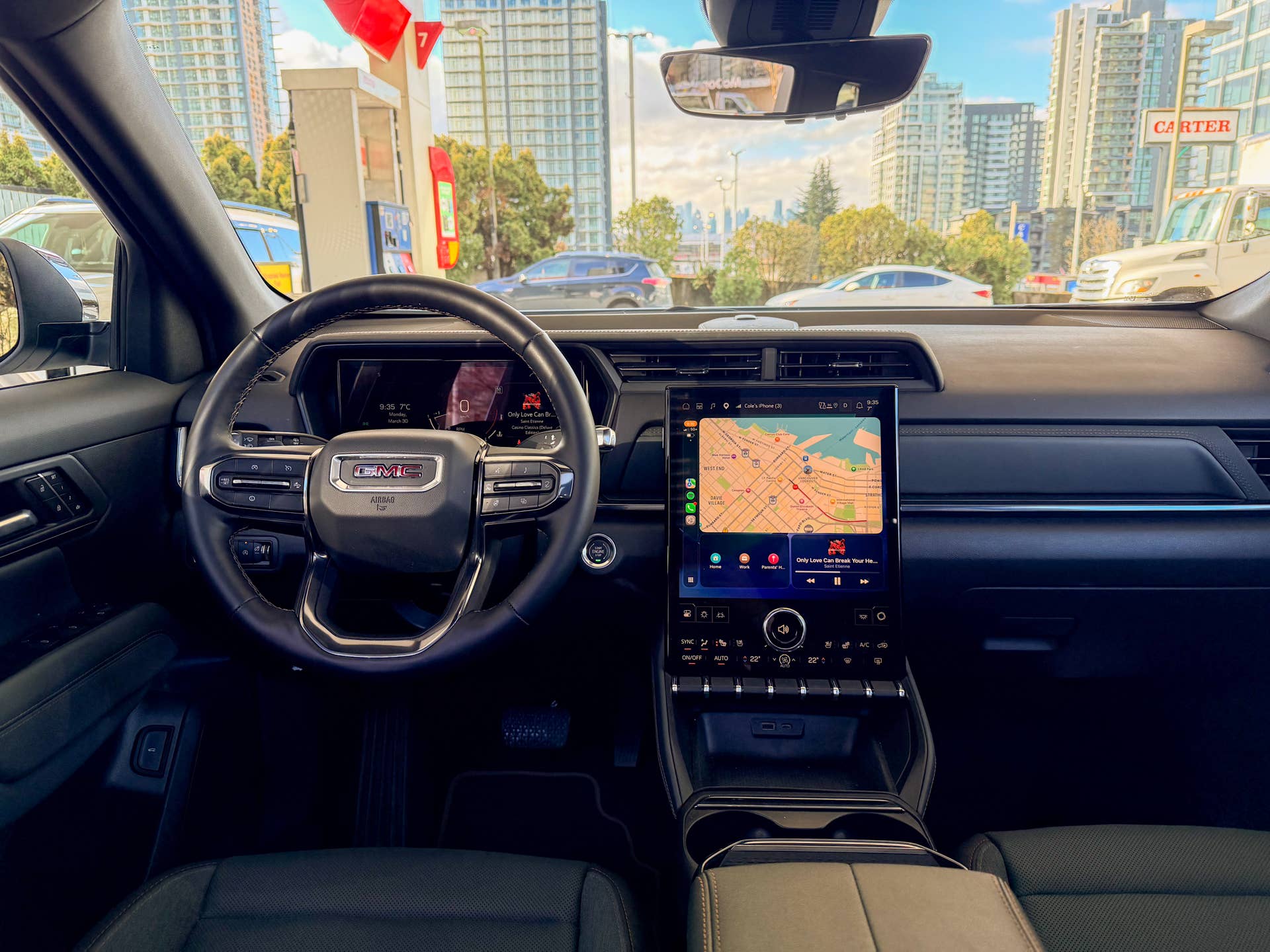
The Terrain’s smoother ride and quieter cabin make for a stronger overall experience than these two SUVs. Its cabin also impressed me with its assembly quality in ways the Bronco Sport didn’t quite match. The Ford’s firmer ride and tighter rear seating are also more obvious compromises. For someone regularly transporting adults, that matters far more in a vehicle like this than how entertaining the turbo sounds. A vehicle can justify its added cost through the experience it gives passengers, even when it offers little advantage to the driver.
2026 GMC Terrain AT4 trunk
Cole Attisha
2026 Ford Bronco Sport Big Bend
Cole Attisha
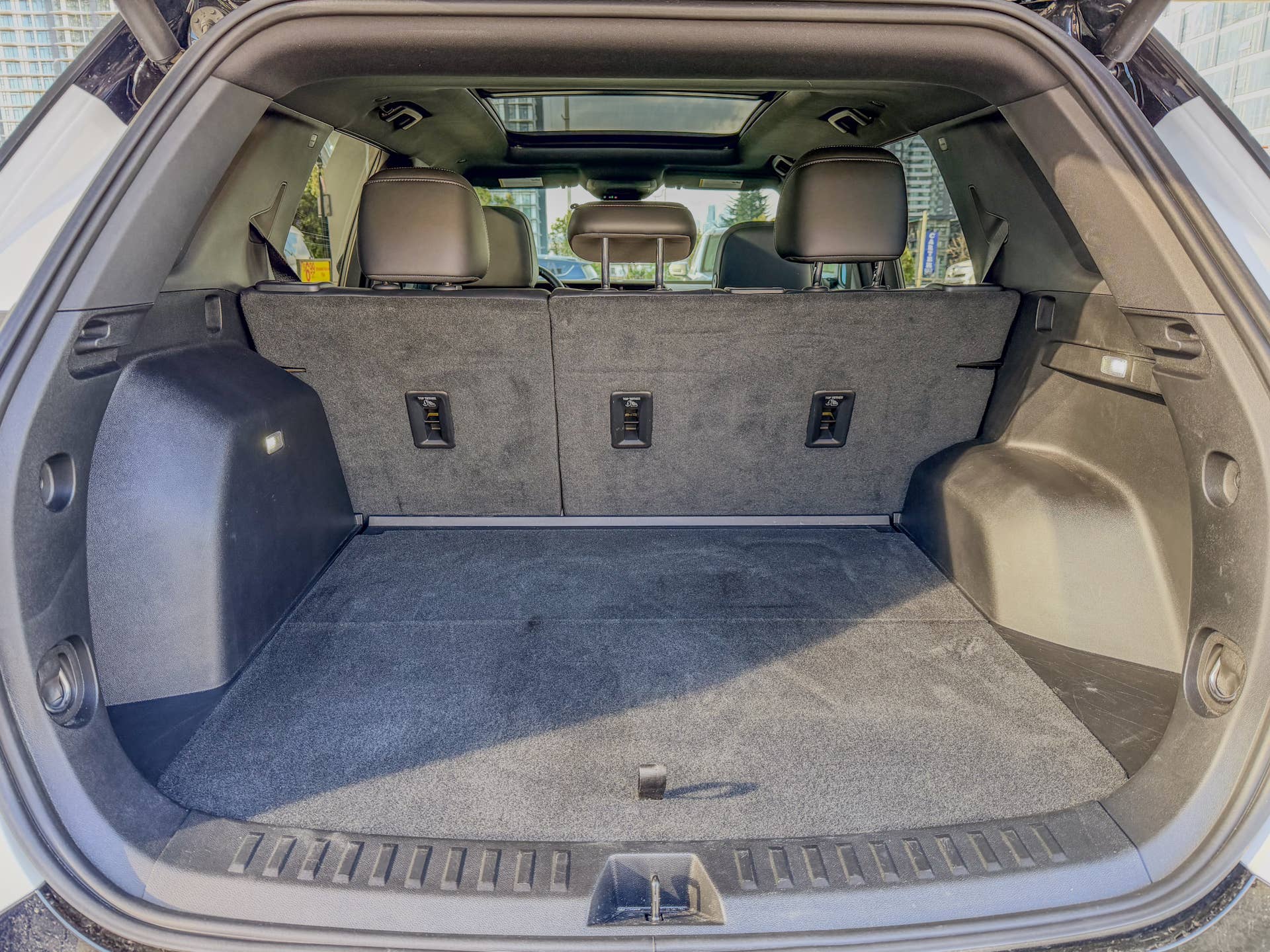
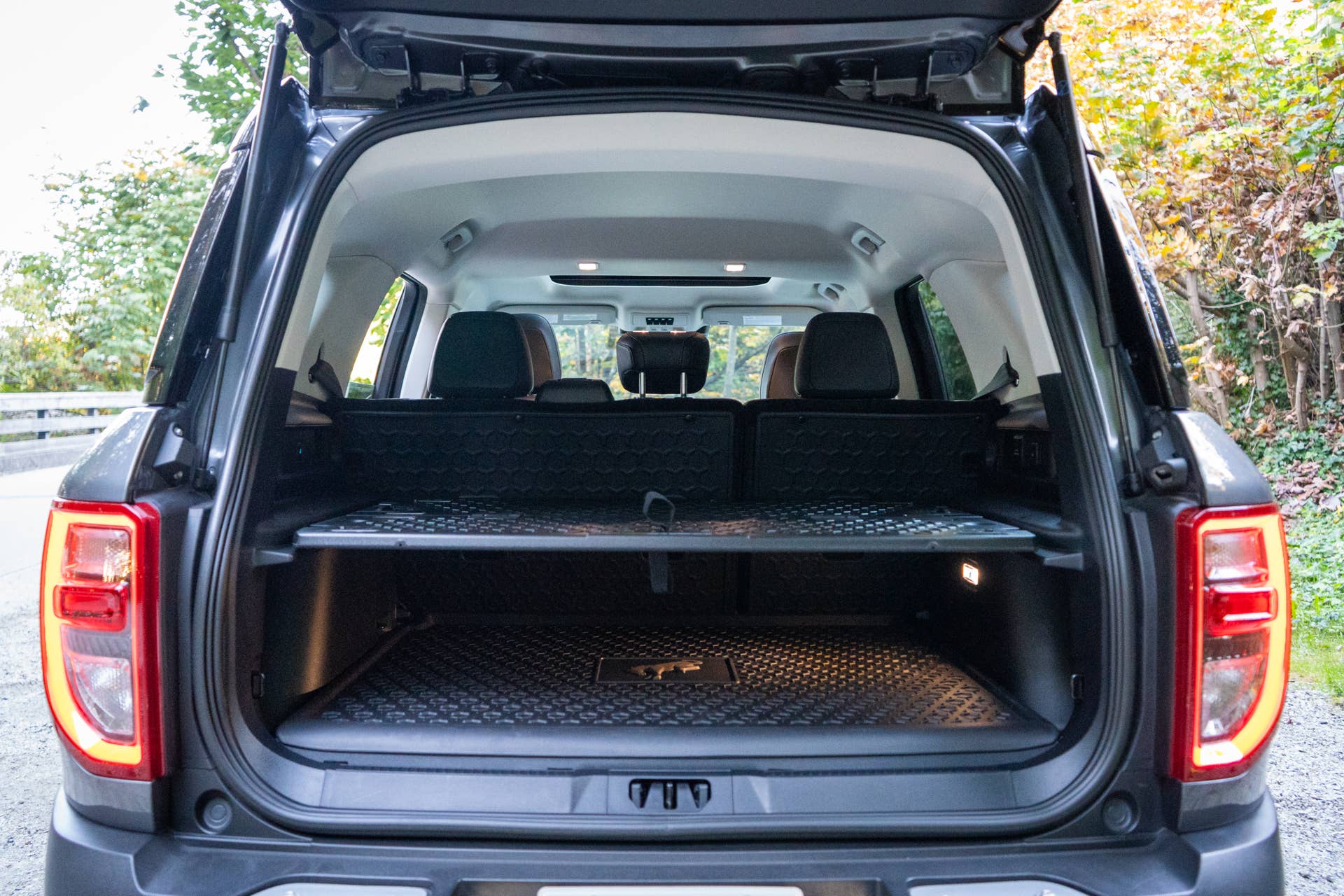
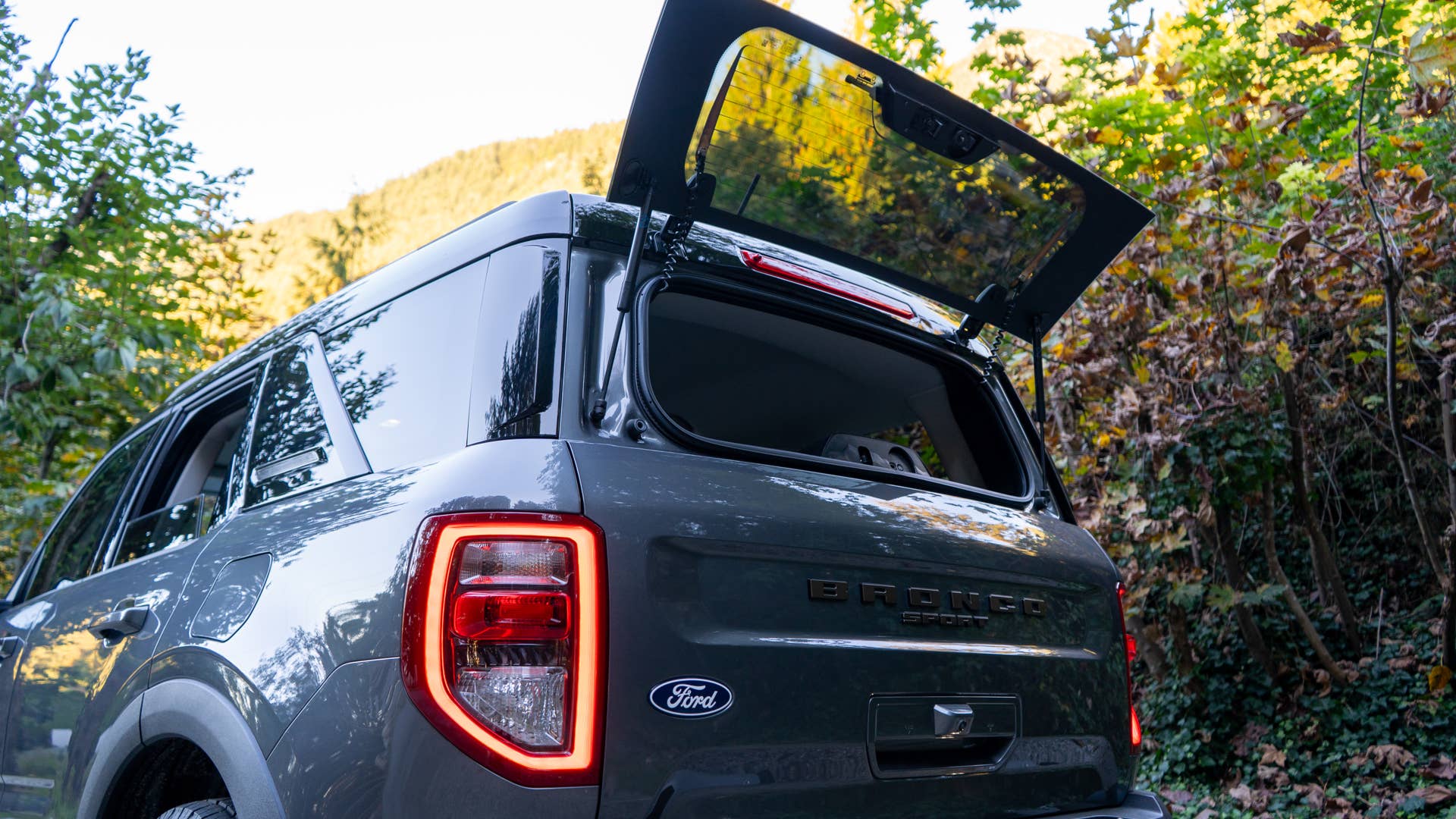
Cargo space tells a different story. The Bronco Sport provides 2.7 cubic feet more behind its rear seats and 1.7 more with them folded. Its upright body uses vertical space well, though volume alone can’t tell you whether a particular stroller or suitcase will fit. Ford’s rear glass can also be opened separately from the rest of the tailgate, adding another useful dimension. You can reach smaller items without opening the entire liftgate, and the available cargo-management shelf provides another way to organize the space. The GMC counters with underfloor storage and a console pass-through. Your choice should depend on what you carry most often: comfortable passenger space and cargo volume are separate advantages, and these SUVs prioritize them differently.
2026 Ford Bronco Sport Big Bend
Cole Attisha
2026 Ford Bronco Sport Big Bend
Cole Attisha
Adventure Hardware: Compare The Equipment You’re Actually Buying
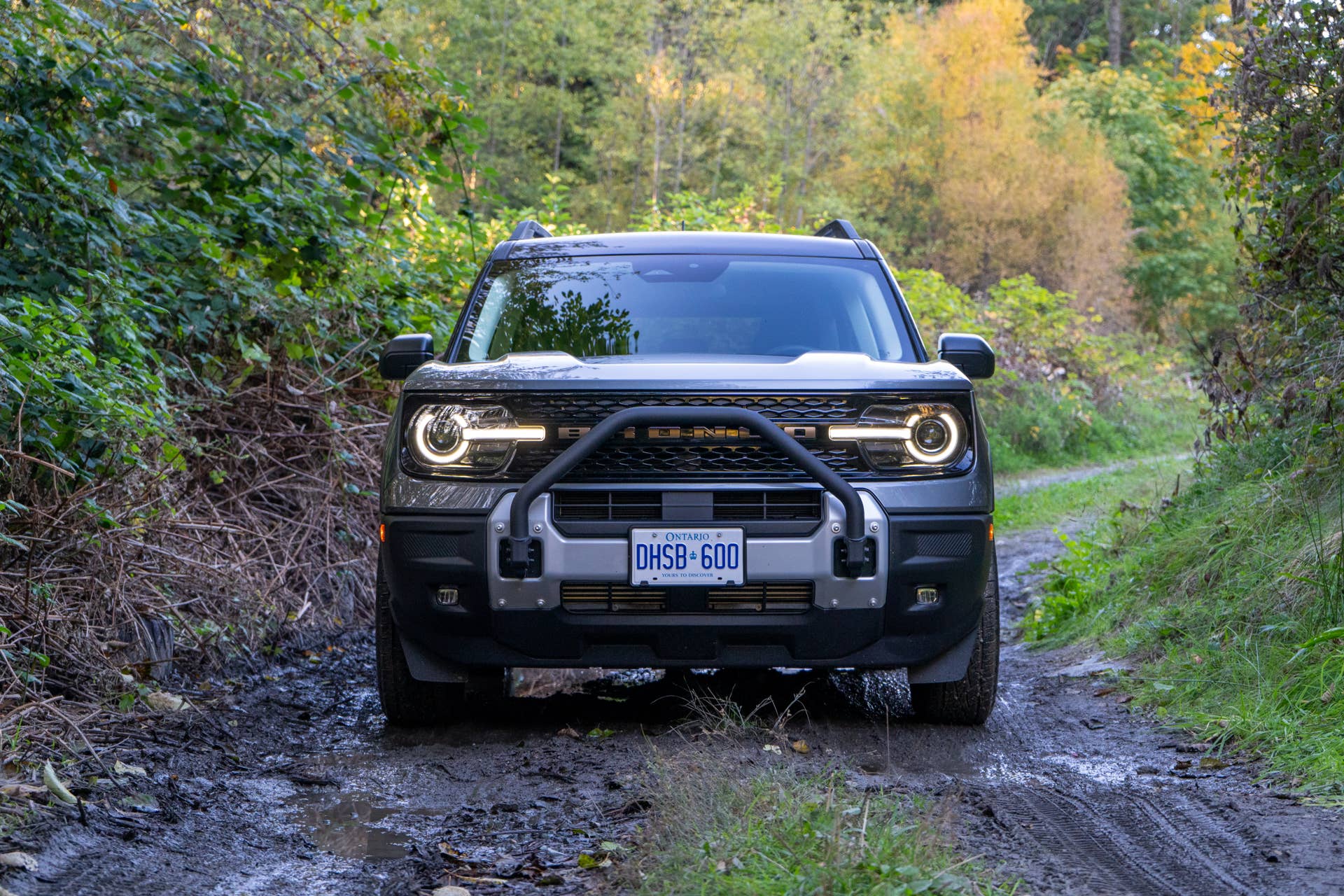
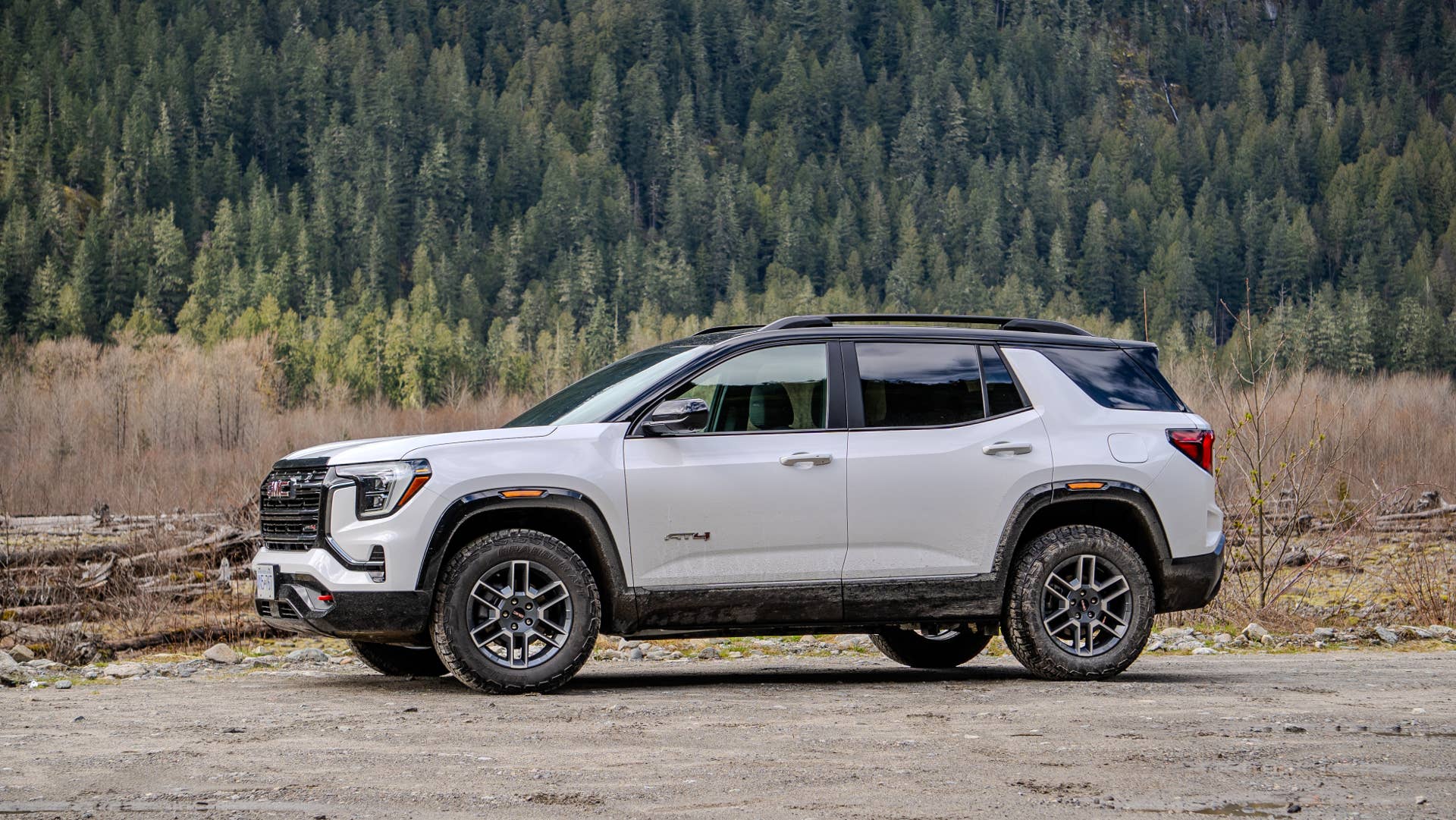
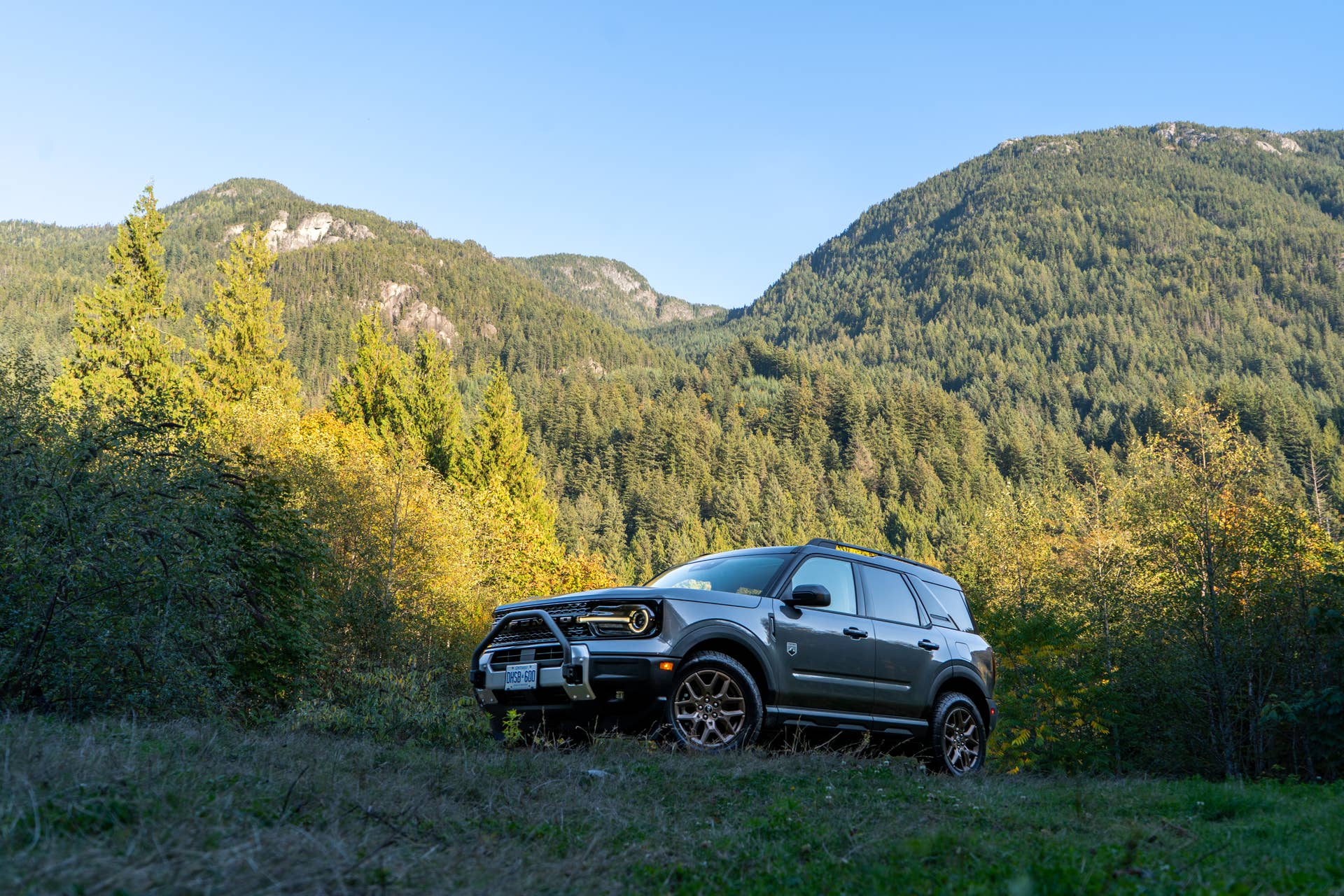
The AT4 includes all-terrain tires, off-road-tuned suspension, a front skid plate, underbody protection, and recovery hooks. Its Terrain mode assists with low-speed crawling, while the factory hitch supports a 1,500-pound towing rating. Whereas GMC loads the AT4 up with off-road goodies right off the bat, Ford makes the equipment decision more configurable with the Big Bend. A standard Big Bend wears all-season tires; the available Black Diamond Off-Road package adds all-terrain rubber and steel skid plates. My tester’s additional Bronze treatment supplied visual character, but buyers should distinguish appearance spending from equipment they will use. Neither test established a winner on an identical obstacle course. My drives support their suitability for ordinary backroad outings, rather than a claim that either can follow a full-size Bronco anywhere. The Ford’s superior 2,200-pound maximum towing rating is useful, provided you order the required package.
2026 Ford Bronco Sport Big Bend
Cole Attisha
2026 GMC Terrain AT4 with Forest Storm interior
Technology: Both Work Well And Stay Out Of Your Way, GMC Has A Larger Touchscreen
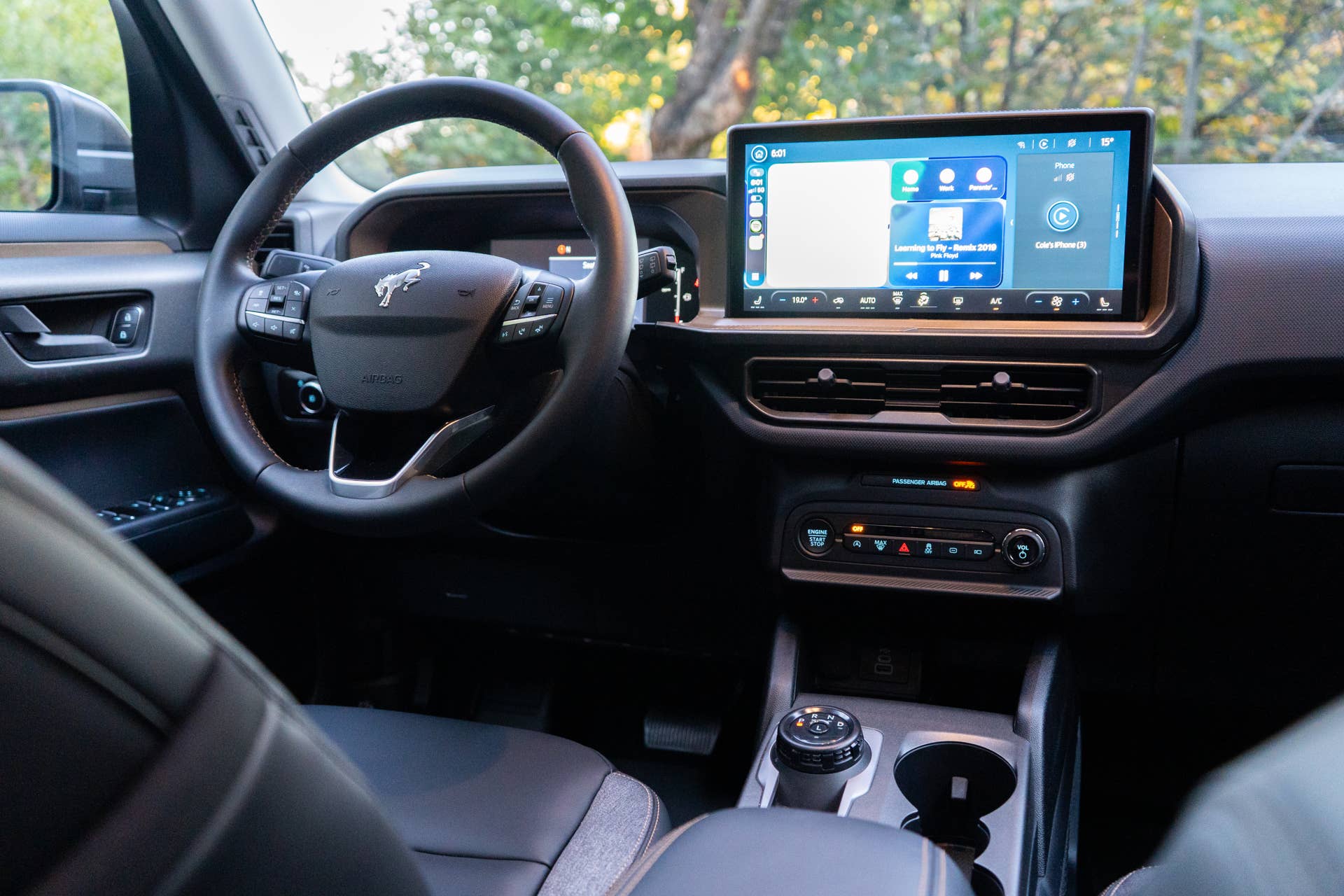
Ford supplies a 13.2-inch SYNC 4 touchscreen. GMC uses a 15-inch display, an 11-inch instrument screen, and Google built-in compatibility, with additional camera views available. Both handled wireless Apple CarPlay well during my tests. Ford’s system mostly stayed out of my way; GMC’s camera presentation was particularly welcome. Check which cameras and convenience features come with the specific vehicle, especially when comparing an optioned Big Bend against a standard AT4.
2026 GMC Terrain AT4
Cole Attisha
Value: The Price Gap Needs A Purpose
Before destination, the Terrain AT4 costs $7,555 more than the Big Bend. That is substantial money in this segment, although comparing the cheapest Ford with an equipped adventure trim overstates how closely those configurations match. My Canadian-market Bronco Sport reached C$50,665, including delivery, after it had been equipped with packages that bring its overall feature list much closer to the GMC’s. A U.S.-market Big Bend with a similar configuration costs roughly $39,000, including destination charges and acquisition fees, quickly narrowing the value proposition.
Fuel economy offers Ford another modest advantage: 27 mpg combined against 25. At 15,000 miles annually and an assumed $4 per gallon, those ratings imply roughly $180 in yearly savings. My average with the Ford was only 21.4 mpg, however, so real-world fuel economy will ultimately depend more on your driving habits. GMC’s premium therefore needs to earn its keep through comfort, equipment, and cabin appeal; it doesn’t buy stronger performance or extra cargo volume.
2026 Ford Bronco Sport Big Bend
Cole Attisha
Overall Verdict: The Bronco Sport Earns My Vote
Out of these two SUVs, I’d personally opt for a carefully configured Bronco Sport Big Bend. Its character makes routine driving more enjoyable, its boxy retro-modern design is far more enticing, and its cargo flexibility and lower entry price give that preference practical substance. The Terrain AT4 remains a more persuasive choice for someone who values a more comfortable commute and regularly carries adult passengers in the rear seats. Its appeal becomes strongest when you decide that refinement deserves more of your budget than quicker acceleration or nostalgic styling.
The Ford leaves me wanting hybrid power and a gentler ride, while the GMC leaves me wanting a more competitive price. Of those wishes, the latter is harder to overlook when the less expensive competitor is also the one I enjoyed driving more. An adventure SUV still has to make the grocery run worthwhile. For me, the Bronco Sport does just that.
Autoblog aims to feature only the best products and services. If you buy something via one of our links, we may earn a commission.
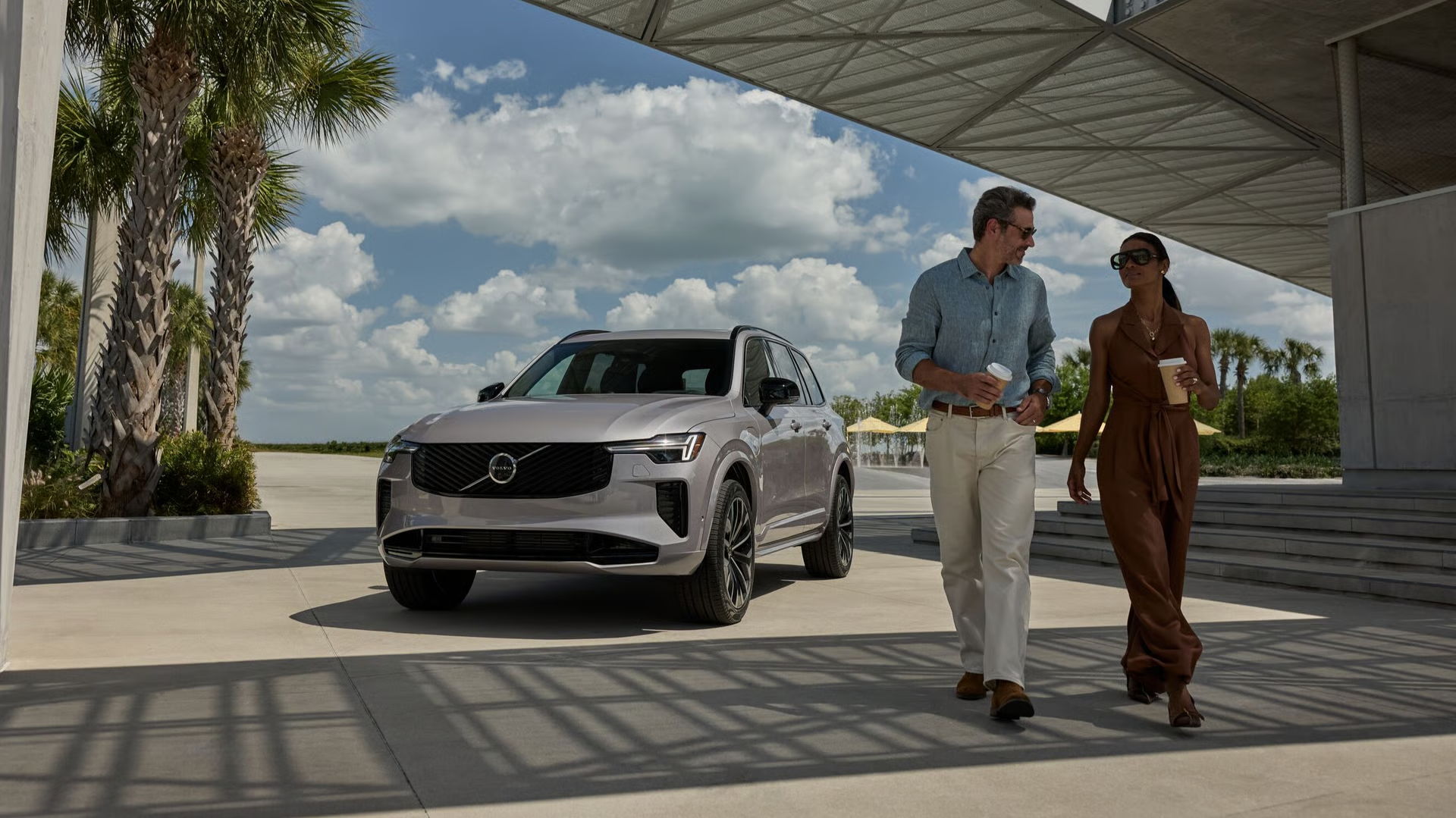
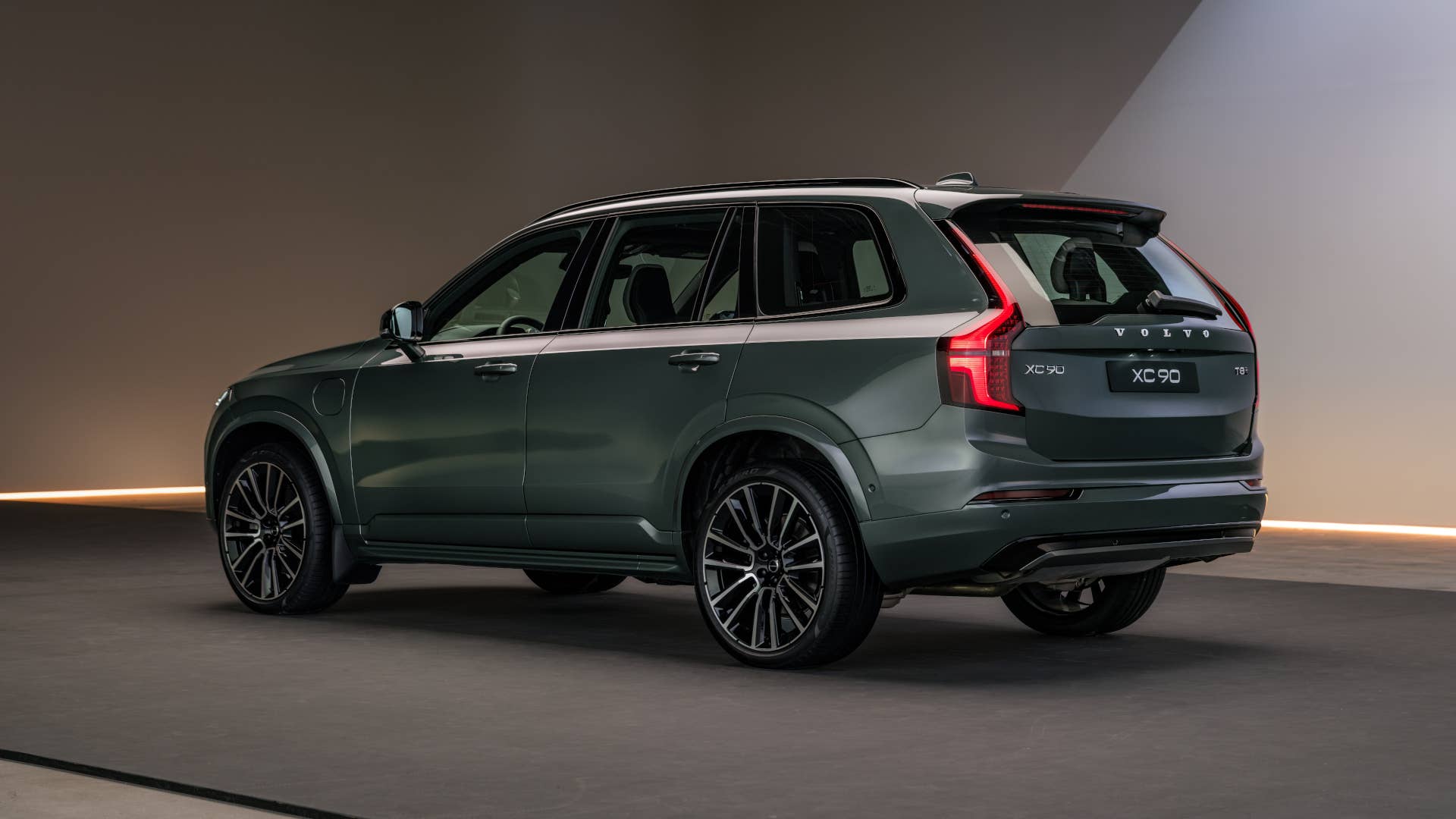
There’s some understandable confusion surrounding Volvo’s big three-row SUVs. The XC90 offers mild-hybrid and plug-in hybrid powertrains, while the similarly named EX90 is a separate, fully electric vehicle. They share a family resemblance and an apparent commitment to making parents look responsible, but they aren’t interchangeable. The vehicle I drove is the 2027 Volvo XC90 Ultra T8 AWD plug-in hybrid. That’s a considerable amount of name. By the time you finish saying it, the children have graduated and no longer need the third row.
The T8 sits at the powerful, expensive end of the XC90 family, combining a turbocharged gasoline engine with electric propulsion and seating for six or seven. It occupies an interesting position among luxury SUVs, competing for attention with vehicles like the Acura MDX, Infiniti QX60 and Genesis GV80. Volvo’s appeal has always been a little different, though. It offers handsome design and comfortable surroundings without making you feel obligated to explain your watch collection.
ND Adlen
Powertrain and Performance
Under the hood is a turbocharged 2.0-liter four-cylinder engine connected to an eight-speed automatic transmission. The gasoline engine drives the front wheels, while a separate electric motor powers the rear axle. Together, they provide all-wheel drive and a listed combined output of 401 horsepower and approximately 494 pound-feet of torque. That’s plenty of motivation for something primarily tasked with moving families and their increasingly elaborate luggage.
Importantly, the engine doesn’t send its power through the transmission to the rear electric motor. These are separate propulsion sources working together electronically. The arrangement allows the Volvo to operate electrically under suitable conditions, blend gasoline and electric power, or lean on the engine for longer journeys. All XC90s have standard all-wheel drive, but the T8’s method of delivering it differs from the mild-hybrid versions.
The battery has an advertised capacity of 18.8 kWh, and the fuel tank holds 18.8 gallons. A rather Swedish numerical coincidence, though I strongly recommend keeping track of which one gets gasoline. Electric range is roughly 32 to 33 miles, depending on the applicable specification, making regular charging worthwhile for shorter commutes. This is the sort of PHEV that makes considerably more sense when you actually use the “plug-in” part of its name.
Charging is an AC affair rather than a quick stop at a highway DC fast charger. Allow approximately five hours on an appropriate 240-volt connection, with timing dependent on the charging equipment and conditions. The frequently quoted 58 MPGe figure is an energy-equivalence rating, not a promise of 58 miles per gallon after the battery’s usable charge is depleted. Plug-in hybrid efficiency requires a little context and, ideally, a nearby outlet.
Exterior and Interior Design
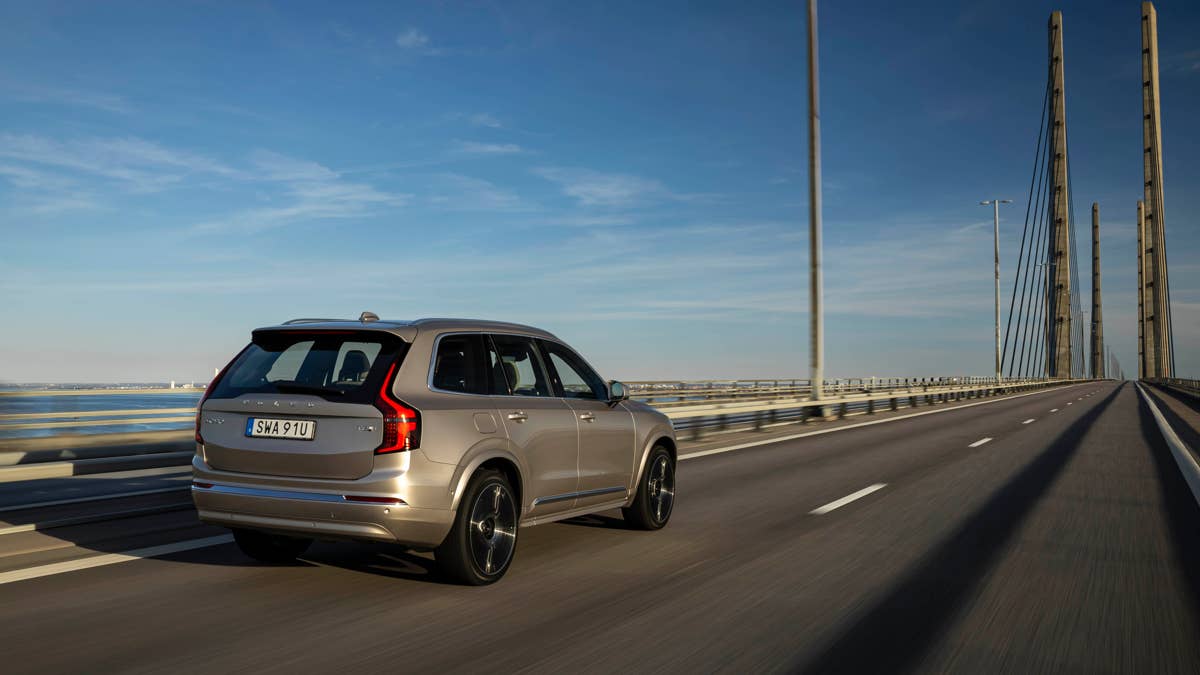
The XC90’s basic silhouette has been around for years, but it continues to wear its age remarkably well. Recent front-end revisions freshened the grille and lighting treatment without turning the vehicle into something that looks offended by its own reflection. The available Dark theme adds black exterior detailing for buyers who prefer less brightwork. I like the stance and the overall restraint. Volvo understands that a luxury SUV can look expensive without wearing a grille large enough to redirect migratory birds.
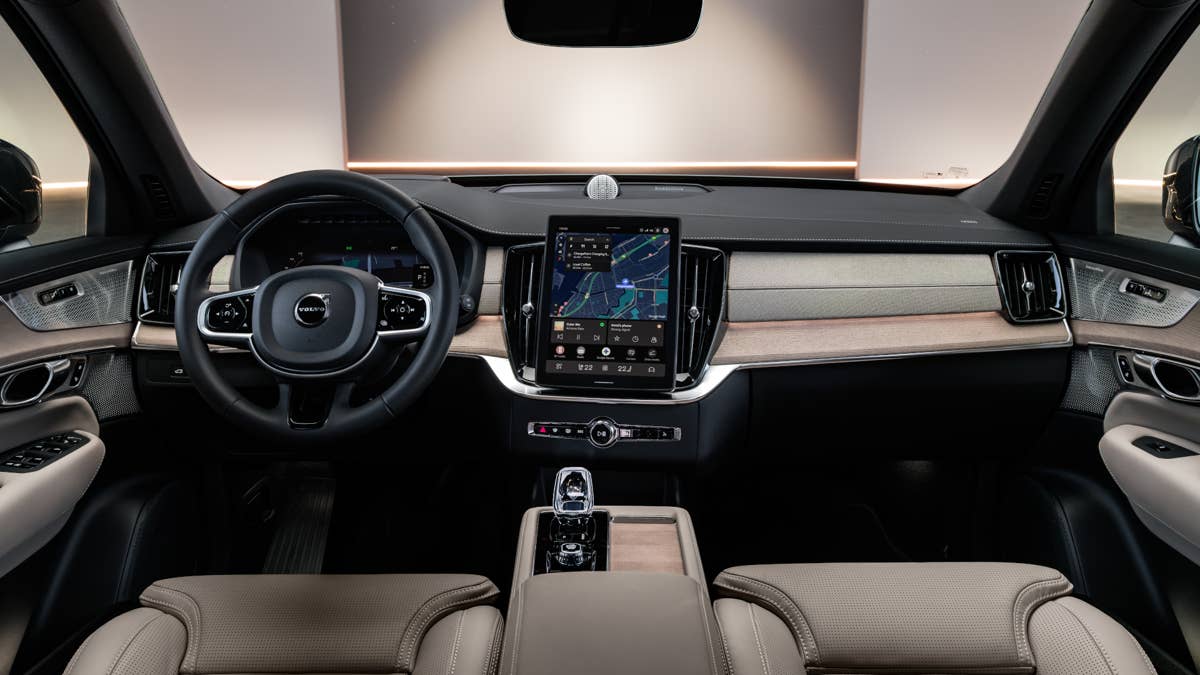
Inside, the Scandinavian approach remains appealing. The dashboard is clean, the materials are attractive, and the cabin feels thoughtfully arranged. Unfortunately, my large American tush repeatedly detected a firm spot near the center of the front seat. The rest of the seat was comfortable, but that particular patch made its presence known, especially when getting in and out. Your backside may have a different opinion. Mine insists on participating in every review.
Buyers can choose a seven-seat layout with a second-row bench or a six-seat arrangement with individual second-row seats. The latter provides a useful passage toward the third row, although the rearmost accommodations remain better suited to smaller passengers. Folding and arranging the seats took more effort than I wanted, but the resulting space is useful. Maximum advertised cargo capacity reaches approximately 85.7 cubic feet with the rear rows folded, and properly equipped versions can tow up to 5,000 pounds.
The central display measures 11.2 inches and runs Volvo’s Google-based infotainment system. A separate 12.3-inch digital instrument cluster handles the information directly ahead of the driver. I found that display clear and effective. My relationship with the touchscreen was considerably less affectionate.
Google integration provides useful navigation and voice functions, with Gemini bringing additional conversational capability where enabled. Personally, I’d prefer fewer conversations with my dashboard and more direct access to basic controls. The screen looks good, but finding what I wanted wasn’t always intuitive. A vehicle this calming shouldn’t occasionally make me want to negotiate with it.
Audio was a much happier subject. The available 14-speaker Harman Kardon system is respectable, but my vehicle had the upgraded Bowers & Wilkins setup. It sounded excellent. That’s the kind of technology I can appreciate immediately, preferably with Rush playing and nobody asking me to change the destination.
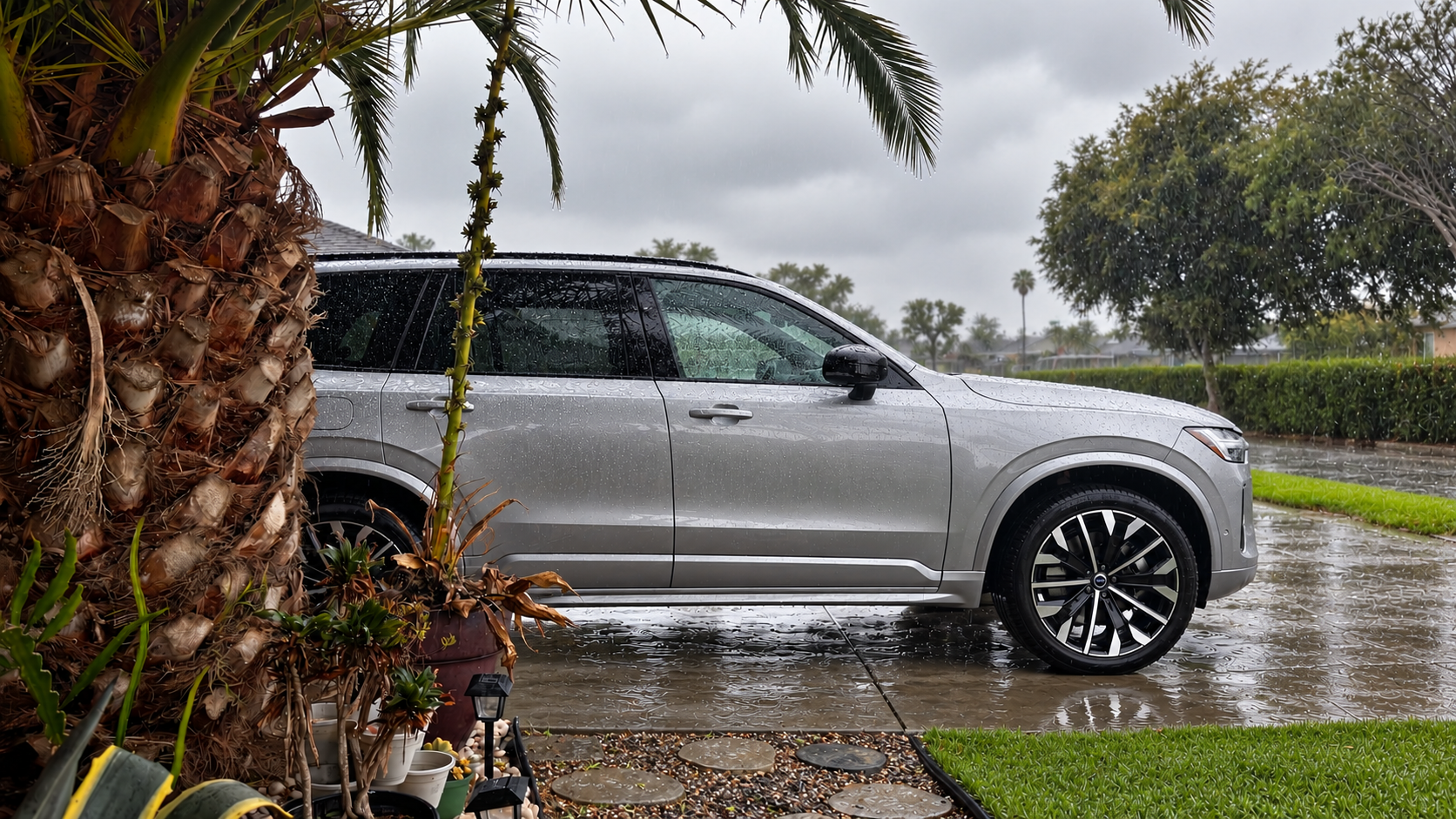
A modest rainstorm provided a useful opportunity to experience the XC90 beyond the usual sunny commute. Despite its roughly 5,100-pound weight, the Volvo felt responsive and composed through Malibu’s wet roads. It doesn’t deliver the engagement of a sporting BMW, but it handles confidently enough to keep an interested driver entertained.
In a brief, low-speed check in an empty parking lot, the front tires began to push before stability control intervened. The useful takeaway is that electronic assistance can help manage a developing slide; it doesn’t manufacture additional grip. On the road, the XC90’s predictable responses and reassuring demeanor were more relevant than any attempts at hooliganism.
Some passengers found the ride firmer than expected, and the large wheels likely contributed. Nevertheless, the cabin remained well isolated, and the overall experience was comfortable. This is a particularly agreeable place to spend a commute, touchscreen disagreements notwithstanding.
Expect roughly $80,000 for a T8 Plus and the low-to-mid-$80,000 range for an Ultra before options and applicable charges. That puts it firmly among serious luxury competitors. The Acura MDX Type S and Genesis GV80 deserve consideration, but neither offers this particular combination of three-row accommodations and plug-in capability.
The XC90 T8’s strongest argument is everyday flexibility. Charge regularly, use electric power for local travel, and retain gasoline convenience for longer trips. Add handsome styling, useful space and a composed driving experience, and the appeal is easy to understand.
I’d happily take fewer touchscreen chores and a little more forgiveness in the seat cushion. Still, this Volvo won me over with its calm, capable personality.
It has enough power to hurry. Better yet, it rarely makes you feel that you need to
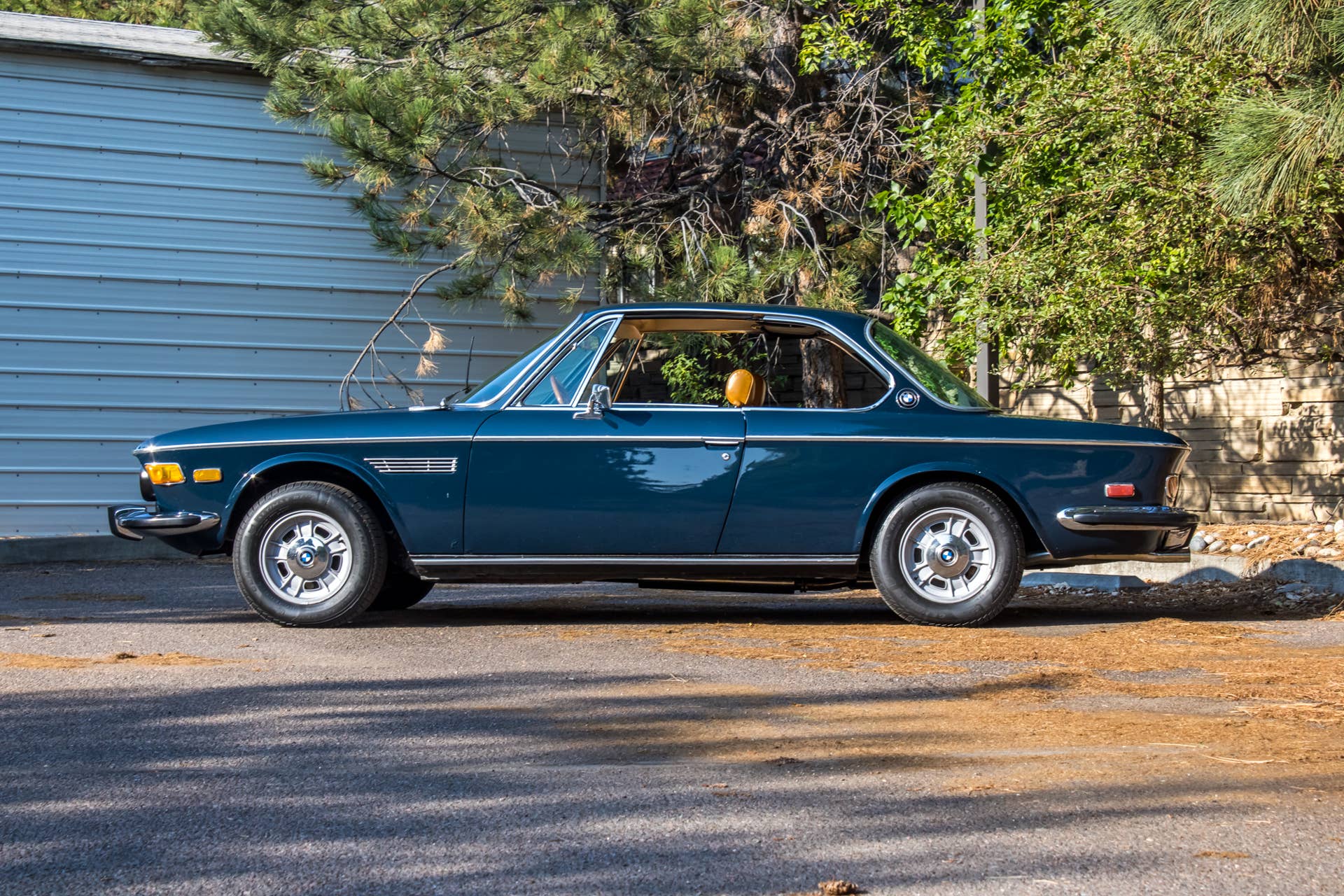
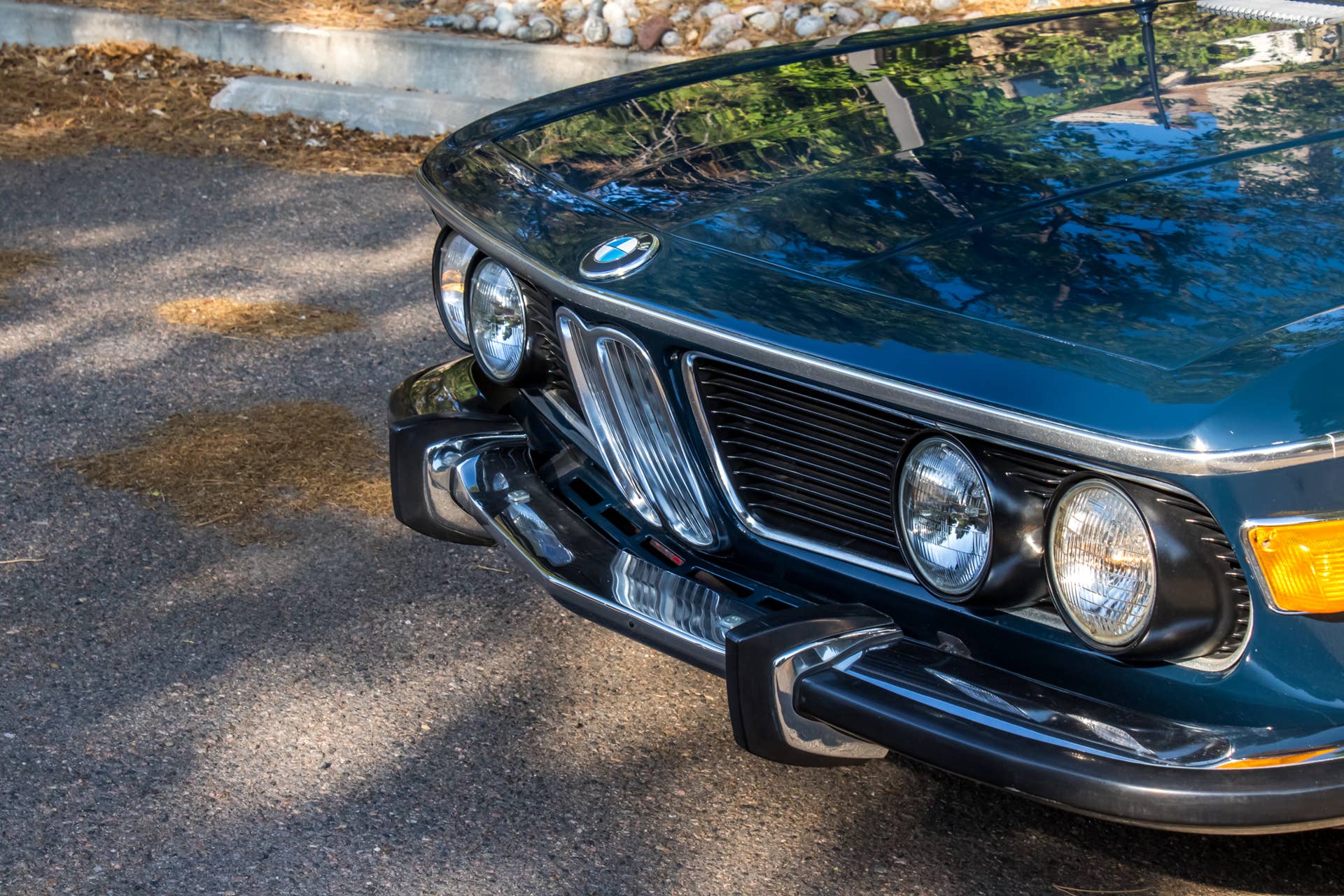
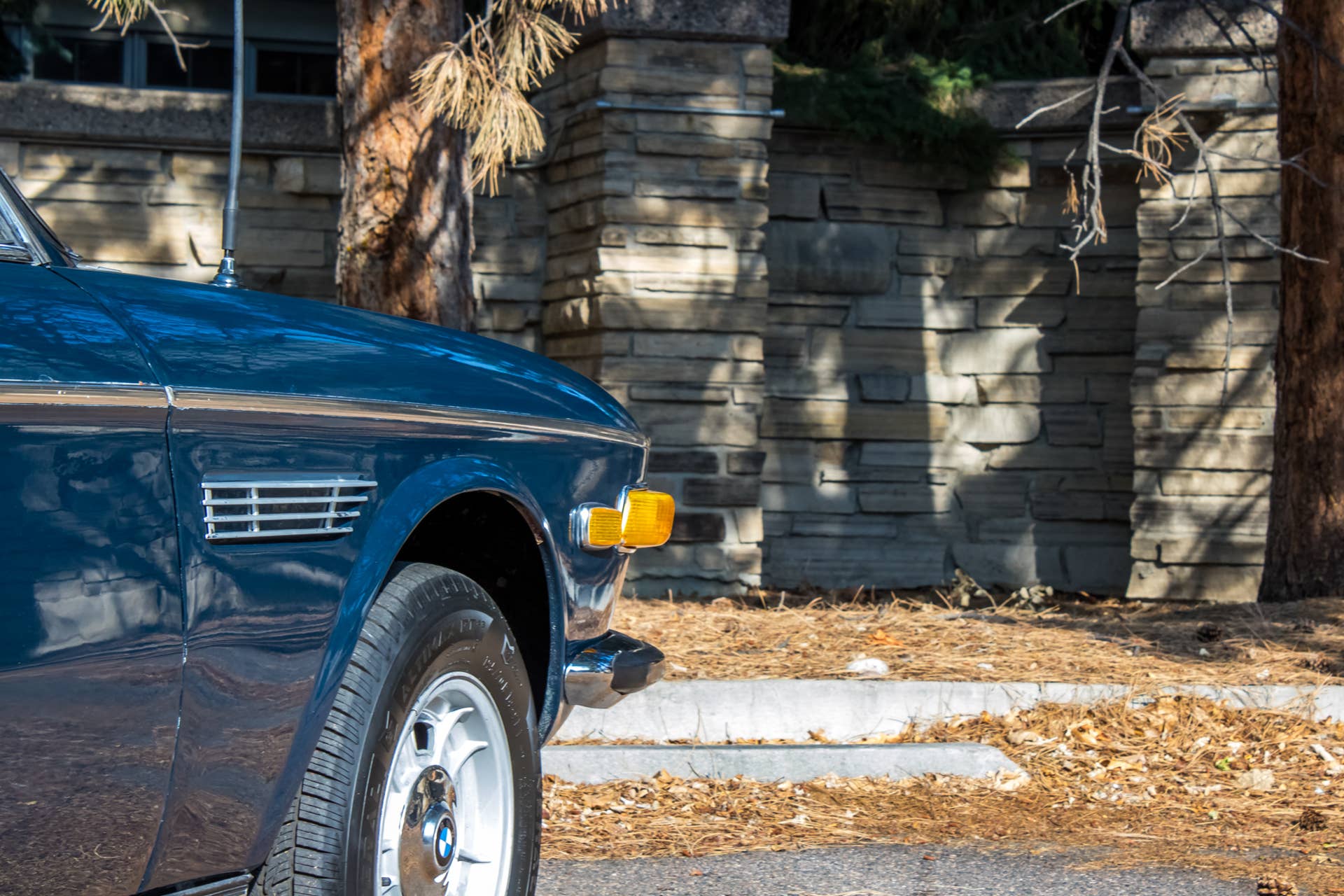
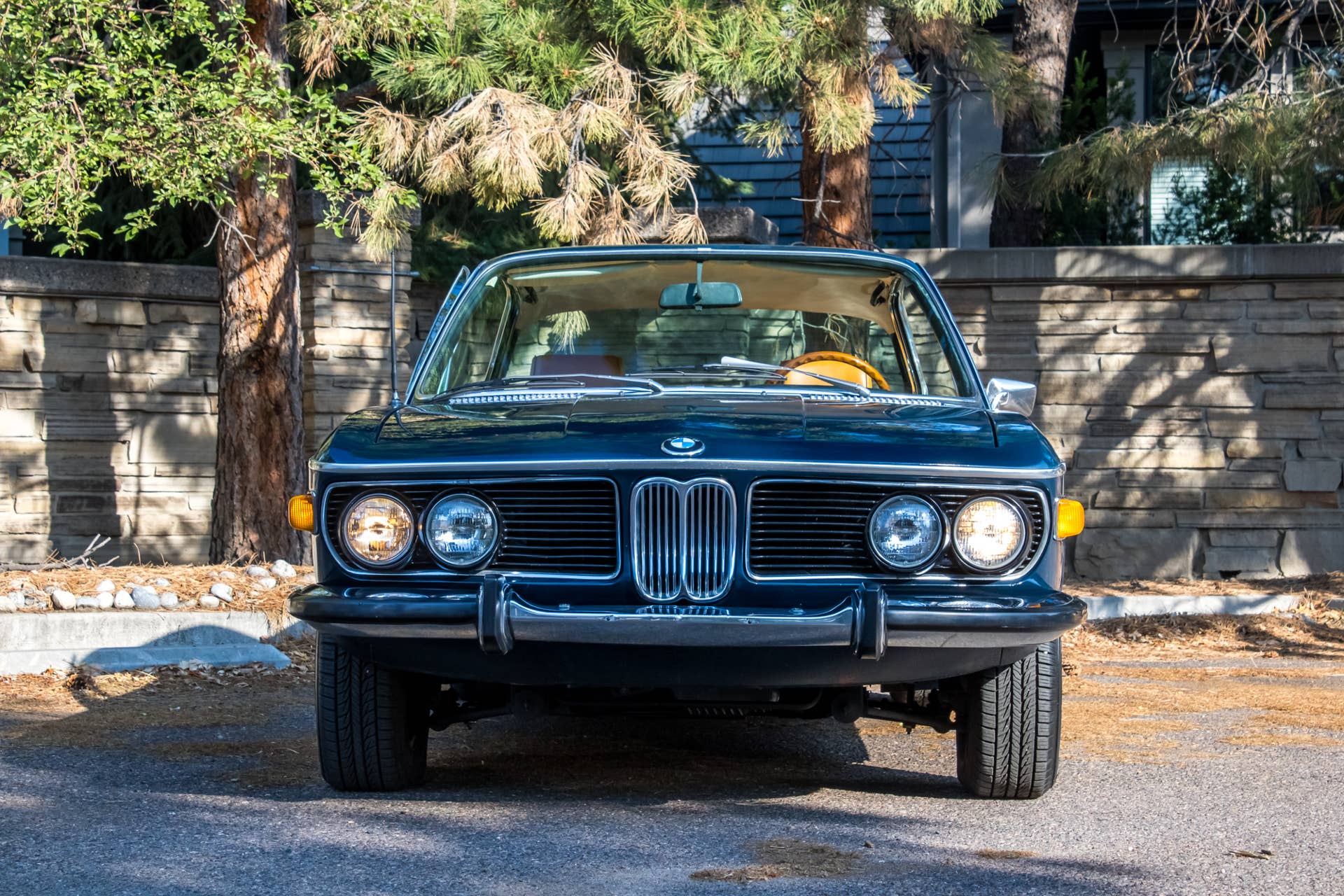
The sum total of my “old car” experience is pretty narrow. I’ve driven some Japanese stuff from the 1990s, and I’ve even driven a few old Audis from the ’70s. An R32 Nissan GT-R stands tall among these, but that feels pretty modern compared to a lot of stuff from the ’70s. Or so I thought, before climbing behind the wheel of this 1971 BMW 3.0 CS.
A friend loaned us this beautiful blue example with less than 30,000 miles on the clock.
Chase Bierenkoven
The shape, the look, the feel of this thing screams classic. I’ve always had a soft spot for BMWs for some reason, and this represents a high watermark from one of the brand’s most formative eras. A luxury sports car with a big inline-six at the front, driven wheels at the back, and four seats between, the CS is emblematic of a formula the Bavarian automaker has been trying to hone for generations.
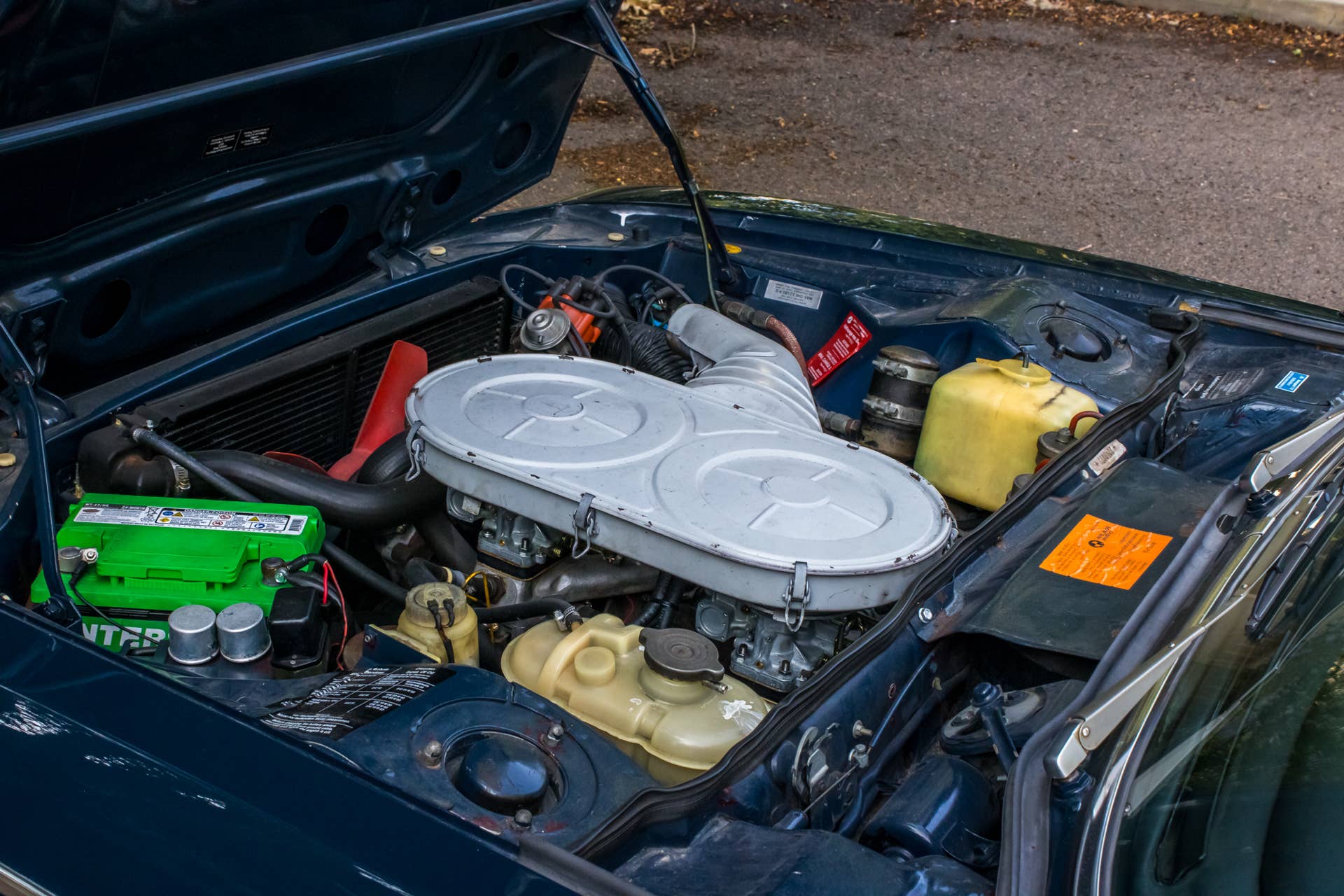
Inarguably, the most critical aspect of that formula is one of the brand’s many straight-six engines. The real ball-knowers call this one the M30, an evolution of an earlier version with less displacement. This one, as the name implies, comes with a full three liters of it. No replacement, and so on. Power, as a result, is a surprisingly modern figure: 200 horsepower and 199 lb-ft if yours is fuel-injected, or 178 hp and 188 lb-ft if it’s carbed. You also got your choice of three-speed auto or four-speed manual. Thank Christ this is the latter.
Depending on the vintage, these cars weighed somewhere between 3,050 pounds and 3,200 pounds. That means even by today’s standards, the old BMW has some get-up to it. There’s a surprising rush of torque, especially given this is just a four-speed. The clutch is twitchier than newer cars, but get out of it and onto the gas, and the reason for owning one of these becomes increasingly clear as the revs rise.
The strong, easy pull of the M30 is something a fella could become partial to, and that’s omitting the noise. That BMW sound is in full force here, and suffice it to say, words don’t do justice.
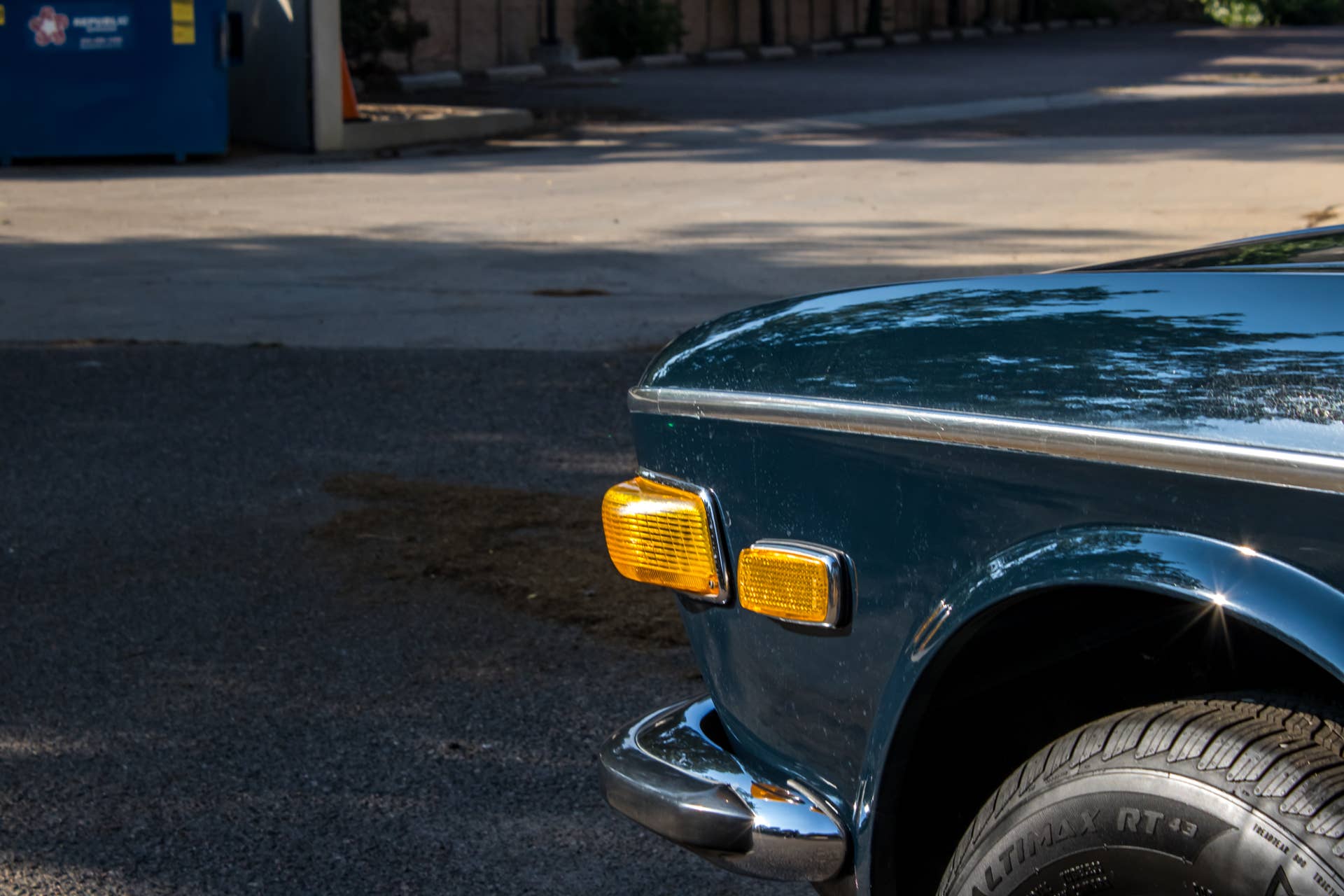
Even with the big bumpers, the CS is hard to hate.
Chase Bierenkoven
Tipping the car into a corner, I was surprised at how easily it set to the task, with the four-wheel independent suspension feeling shockingly modern given I’d just climbed out of a new Miata the day before. Sure, you feel like the whole thing is going to tip, but it doesn’t, and the steering is communicative despite how much play there is in a car this old.
Similarly, the brakes feel surprisingly modern. They’re damn heavy, but one ought to expect a little more work given the age of the car. With discs at all four corners, I couldn’t imagine how impressive this thing felt 50-some years ago. Hopping off the brakes and back to the gas, the 3.0 exits corners gracefully, and while it’s definitely not in a rush, you could have plenty of fun in one of these on a nice back road without feeling like you’re holding up traffic.
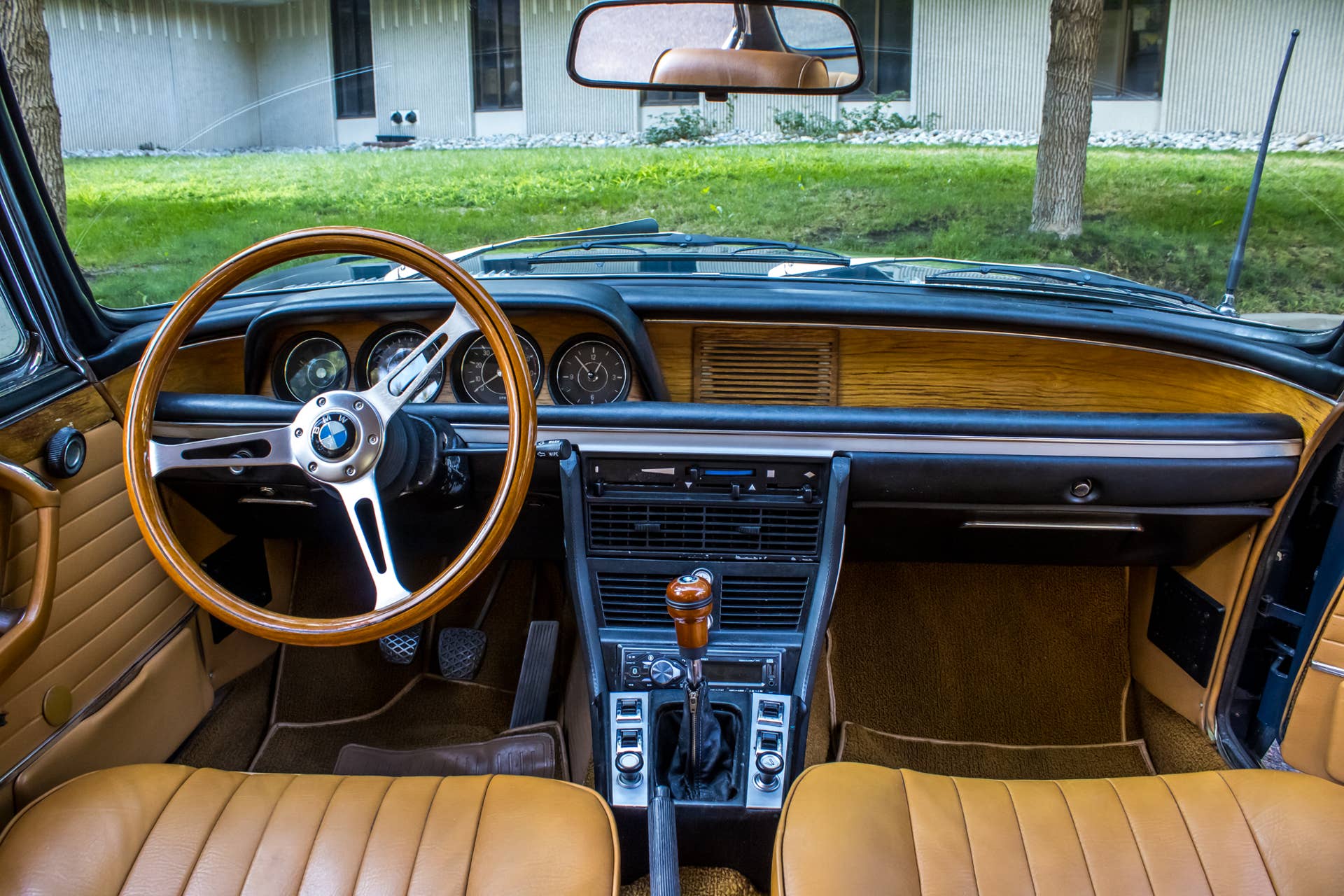
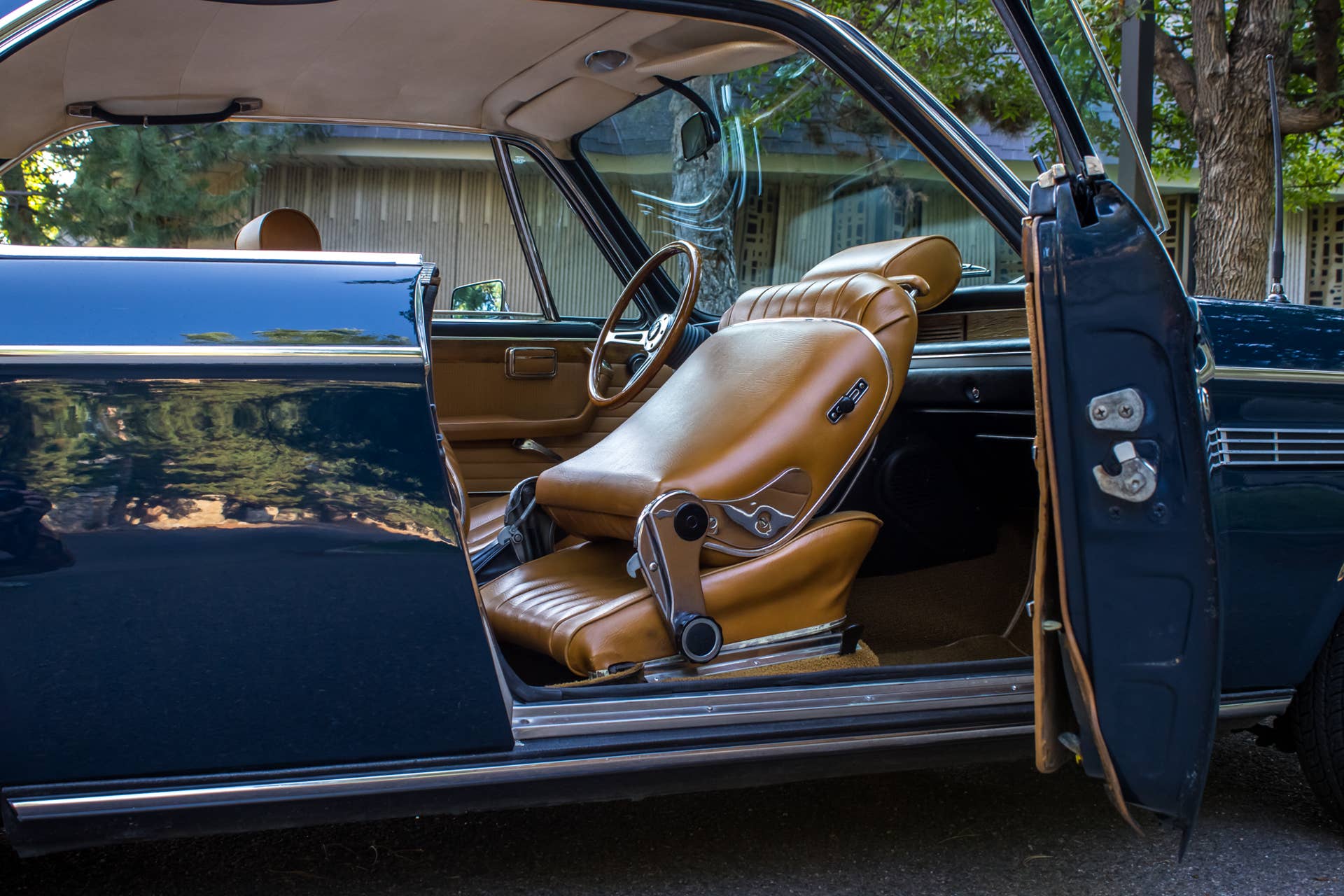
It’s worth pointing out that this is the cruiser of the BMW lineup at the time. The little 2002 was more of a sports car, but the 3.0 is still plenty fun. Chill out and start cruising around, and it’s a lovely experience. The interior is nice, even given the ’70s plastics. The seats are beautifully upholstered, plenty comfy, and while there’s basically zero bolstering, you’ll be too busy catching a big ol’ vibe with the windows down to care.
There’s a shocking amount of visibility, as in all cars from the 20th century and prior, and I’d imagine this would be an immensely fun car to take a road trip in thanks to the cushy ride, big trunk, and plush seating.
Given its 1971 vintage, it’s evident this car is more of a midcentury vibe than cars that would succeed it. The gentle curves, even the one in the windscreen, chrome accents, and thin pillars (with obligatory Hofmeister kink at the rear quarter window) all attribute themselves to the swinging ’60s. I’ll be the first to put up my hand and claim a BMW bias, but it’s hard to argue with what’s going on here even if I weren’t inclined.
Chase Bierenkoven
The story inside is the same. The low dash and ample glass mean it feels like you’re sitting atop a car rather than in it, and the shifter feels sort of low in the car, either as a result of this or the high seats. The center console sets the precedent for BMW interiors all the way up to the E46 generation 3 Series, with window switches flanking the shifter and a litany of physical controls.
Final Thoughts: BMW’s 3.0 CS Is A Well-Loved Classic For A Reason
The face of the CS and cars like it have informed BMW design for decades.
Chase Bierenkoven
There’s very little to complain about here. Time does this thing to old cars, where they seem to get better the further removed they are from the constraints of their day. I have no doubt someone’s period test drive of this has some nitpicks to it, but it’s tough to point out objective flaws in something that’s become more than just transportation. I guess the shifter is pretty ropey? Truly, that’s about it. The bones are here, and you can see why BMW is still making sports cars within this format more than five decades later.
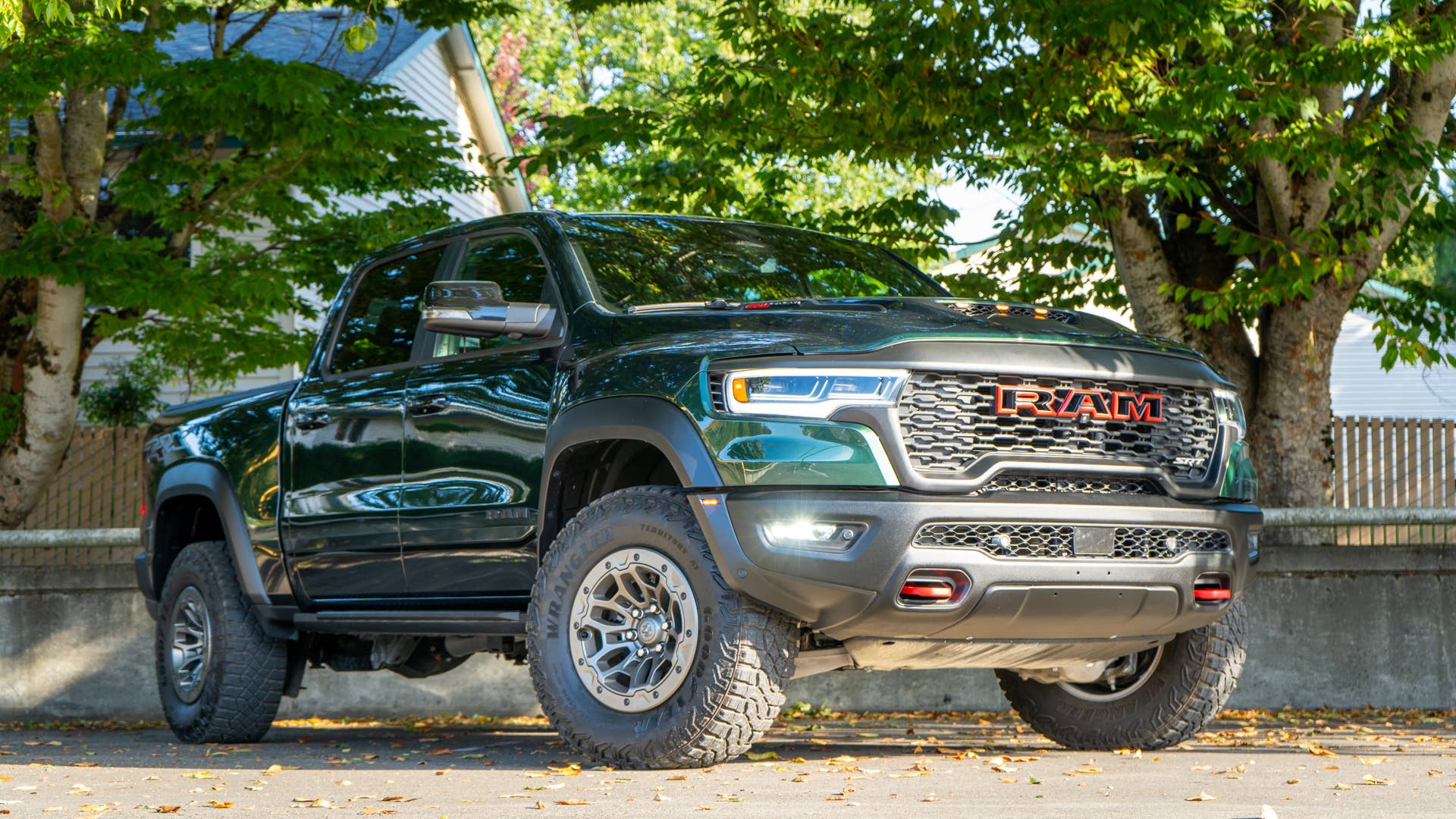
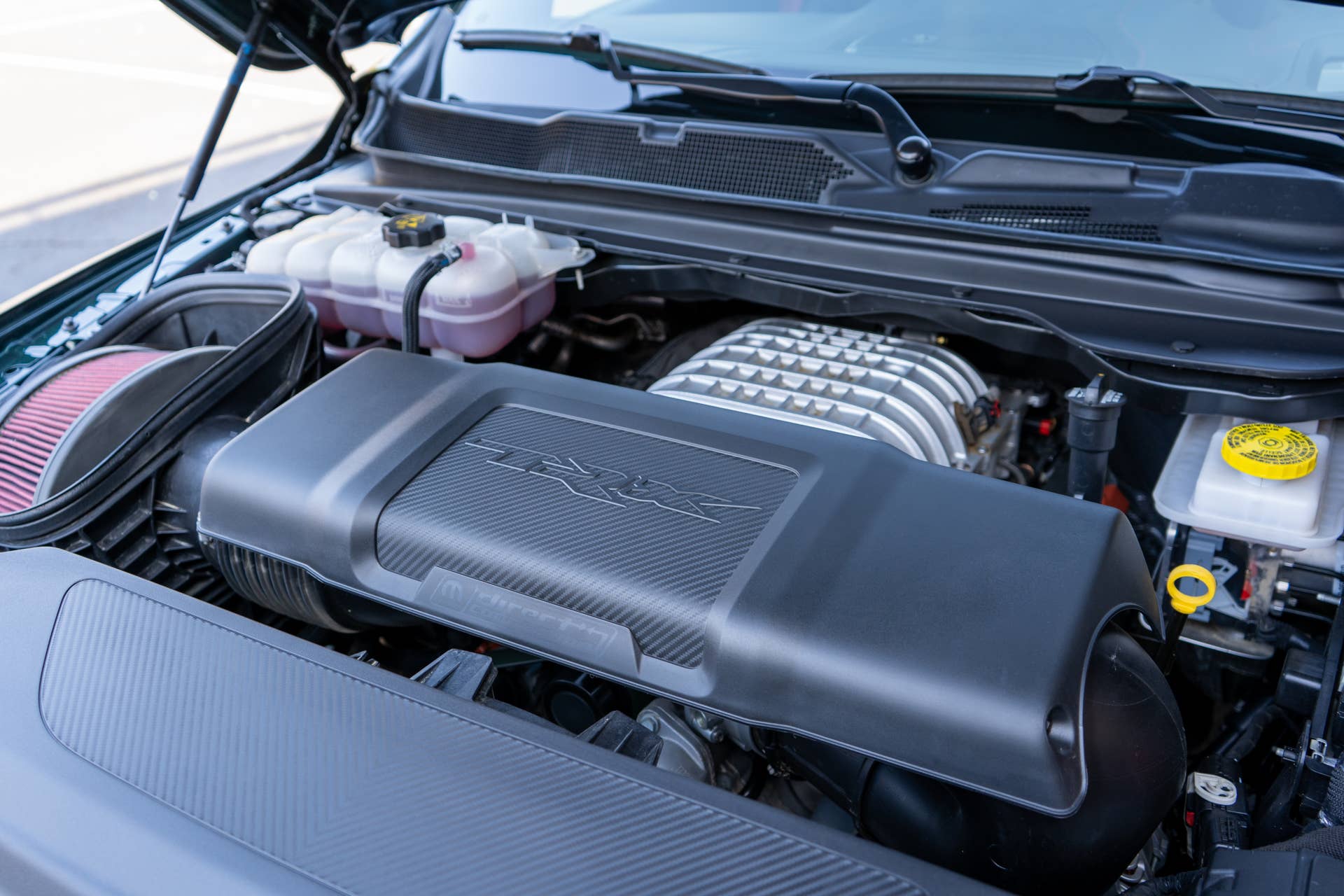
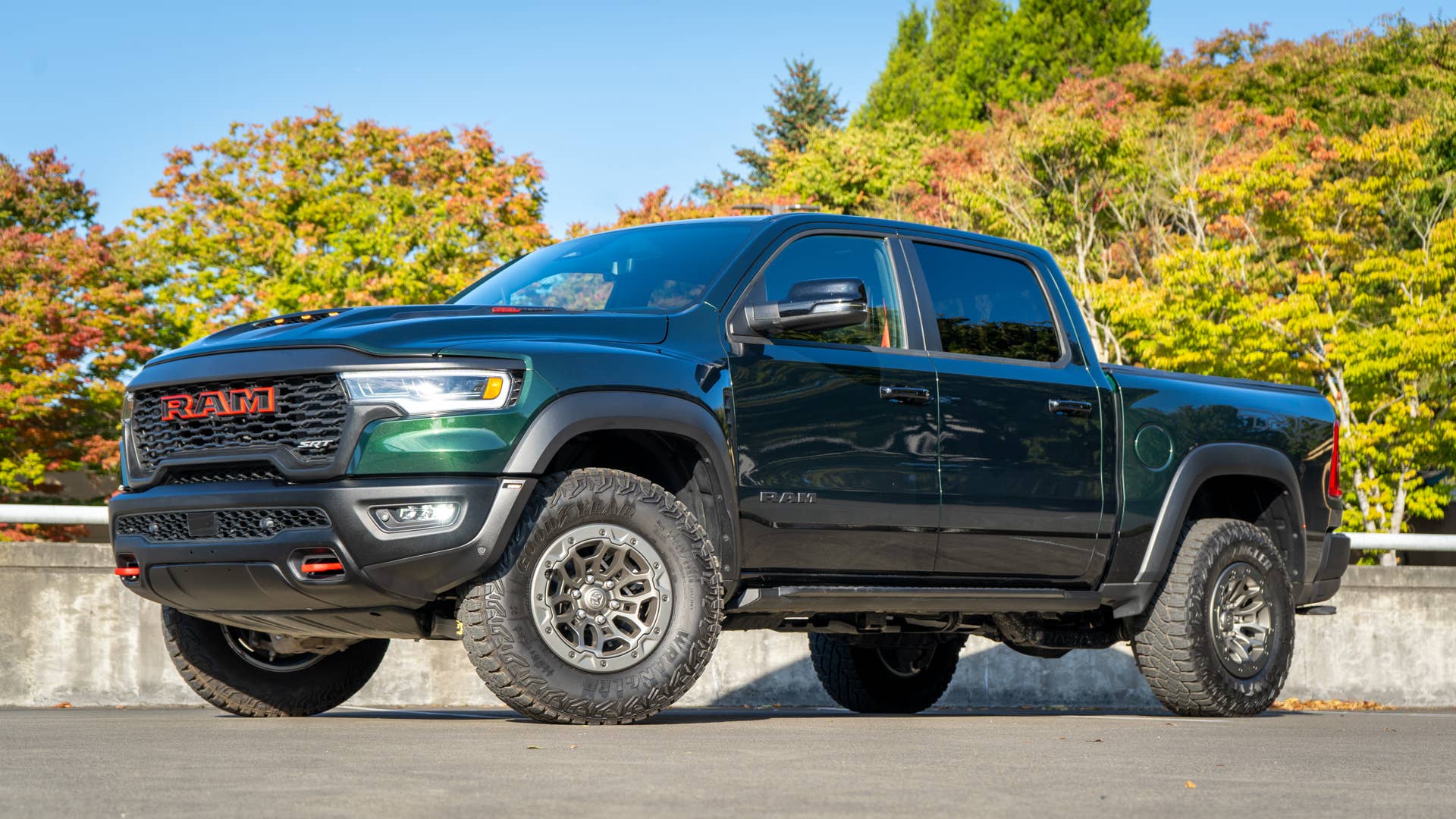
Catch some air, and the 2027 Ram 1500 SRT TRX knows it. Its Jump Detection system adjusts the powertrain and suspension to protect the driveline and prepare for landing—a revealing clue to what sort of truck its engineers set out to build. Its supercharged 6.2-liter Hemi V8 now produces 777 horsepower, 75 more than before, and Ram claims 0–60 mph in just 3.5 seconds. Ram has clearly done more than extract fossilized dinosaur blood from prehistoric mosquitoes trapped in amber here—the Jurassic beast isn’t just back; it’s angrier than ever.
At NWAPA’s Drive Revolution event in Vancouver, Washington, I spent about 30 minutes behind the wheel to see how that outrageous engineering translates into normal, everyday driving on ordinary roads. For all its airborne ambitions and sports-car acceleration, the TRX still needs to offer something worth enjoying between the opportunities to unleash it. With my tester wearing a $108,215 price tag, I wanted to understand how much of its appeal remains when your right foot exercises a little restraint—and all four tires stay on the ground.
Powertrain And Driving: What 777 Horsepower Feels Like On Normal Roads
After sitting out the 2025 and 2026 model years, the TRX returns with a reworked supercharged 6.2-liter Hemi V8. A smaller pulley spins its 2.4-liter supercharger harder, while a revised intake, higher fuel pressure, and updated calibration help raise output from 702 to 777 hp. The redline climbs to 6,500 rpm, and torque reaches 680 lb-ft. The TRX stamps out its power less abruptly than other Hellcat-powered models, perhaps owing to the truck’s weight. Instead, it gathers pace progressively, then suddenly you look down, and the speedometer reads a considerably higher speed than what your senses believe to be true. The supercharger gives the powertrain a sharp, immediate sense of elasticity you can play with—via the positioning of your right heel—to either waft you around town or snap the three-tonne truck to speeds you’d be swiftly arrested for doing in some states.
The TRX’s chassis adopts second-generation Bilstein Black Hawk e2 adaptive dampers from the RHO. Electronically controlled valves regulate compression and rebound independently, while Ram Active Terrain Dynamics coordinates suspension behavior with traction and stability control. Front spring rates, jounce bumpers, and damping calibration are matched specifically to the V8 application. Hydraulic jounce control cushions extreme suspension compression, while the long-travel layout retains 13 inches of front travel and 14 at the rear. Those clever underpinnings deliver a cushy ride with surprisingly refined body control, capable of conquering a road trip as comfortably as it can hop over sand dunes.
Interior And Technology: Luxury To Match The Muscle
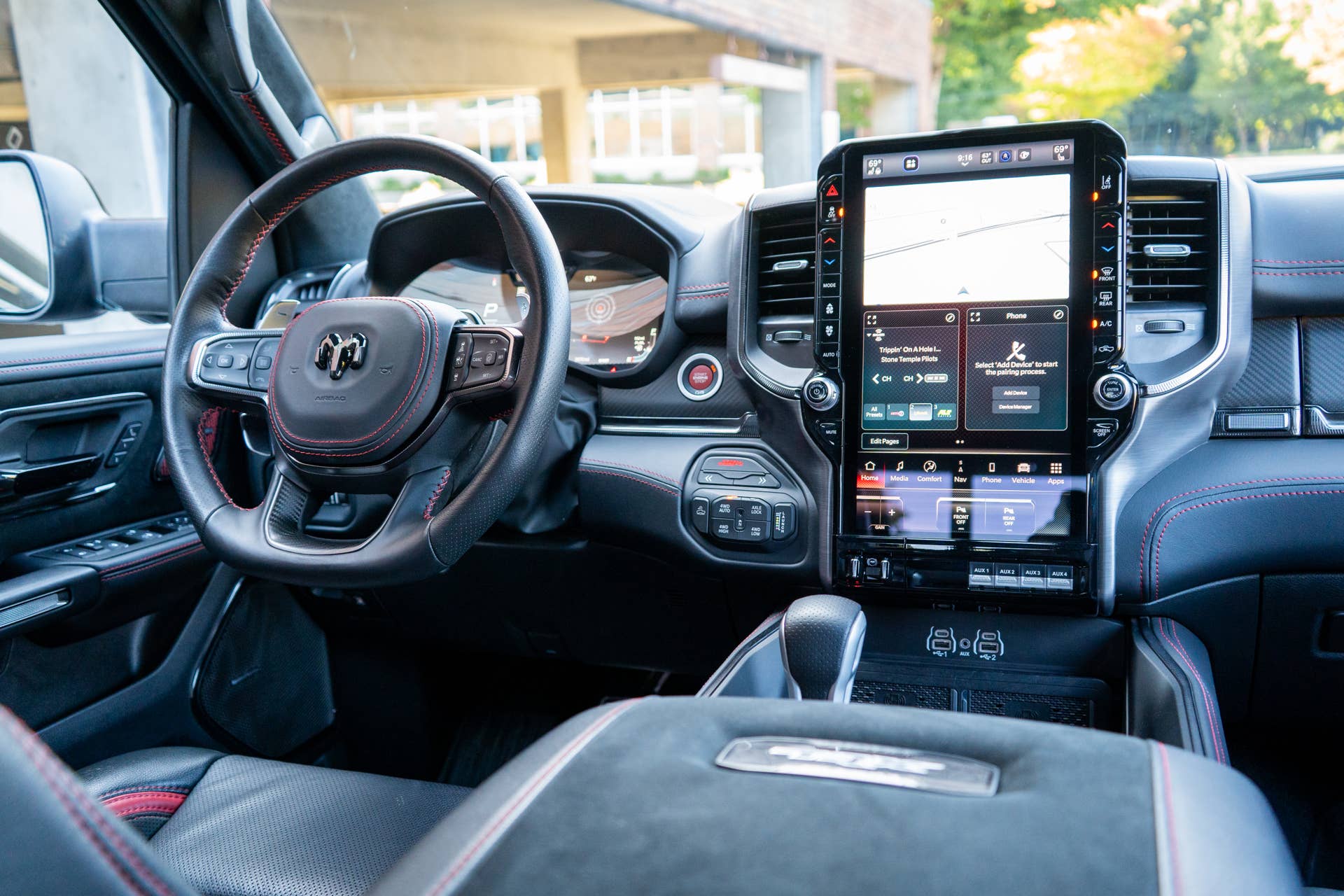
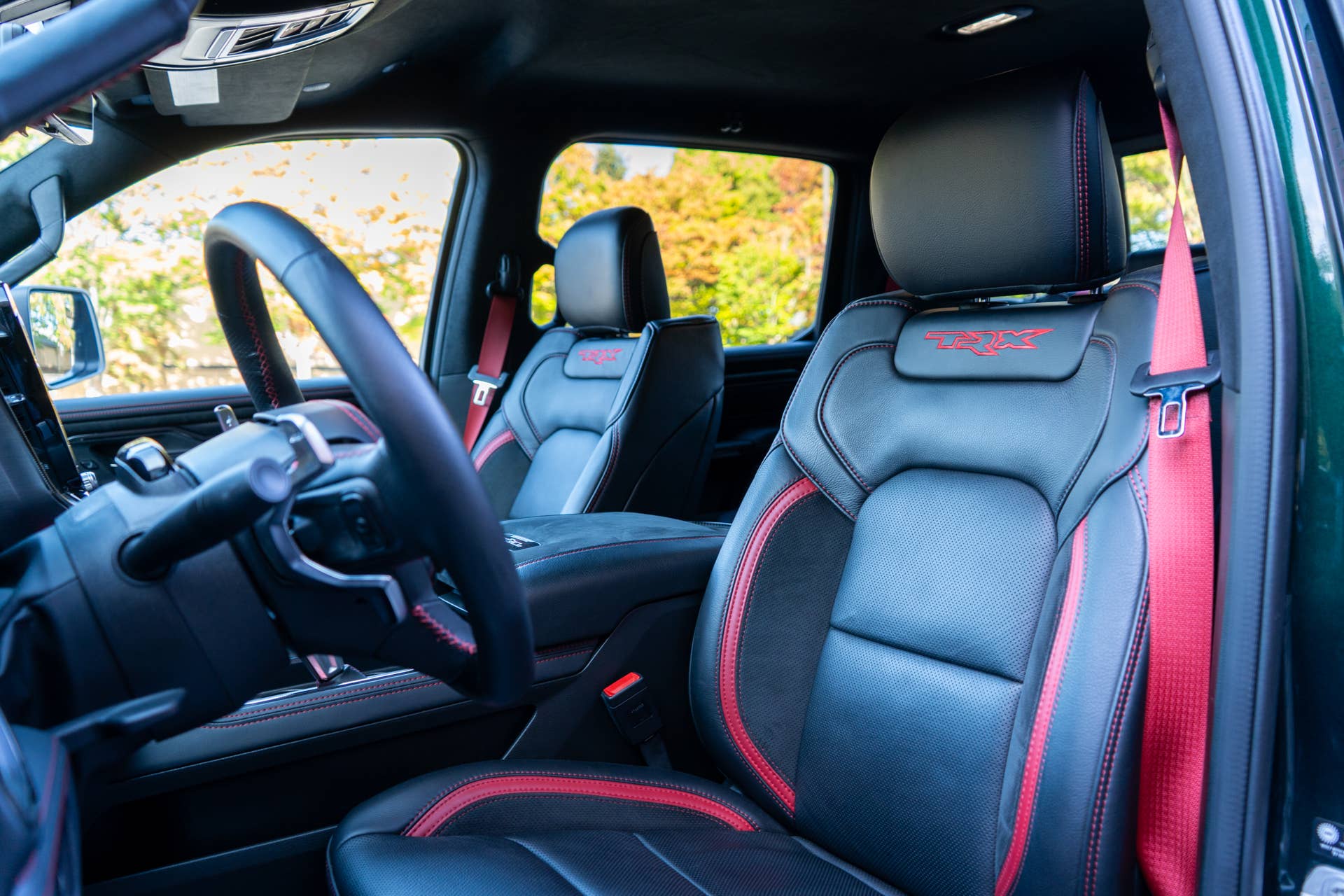
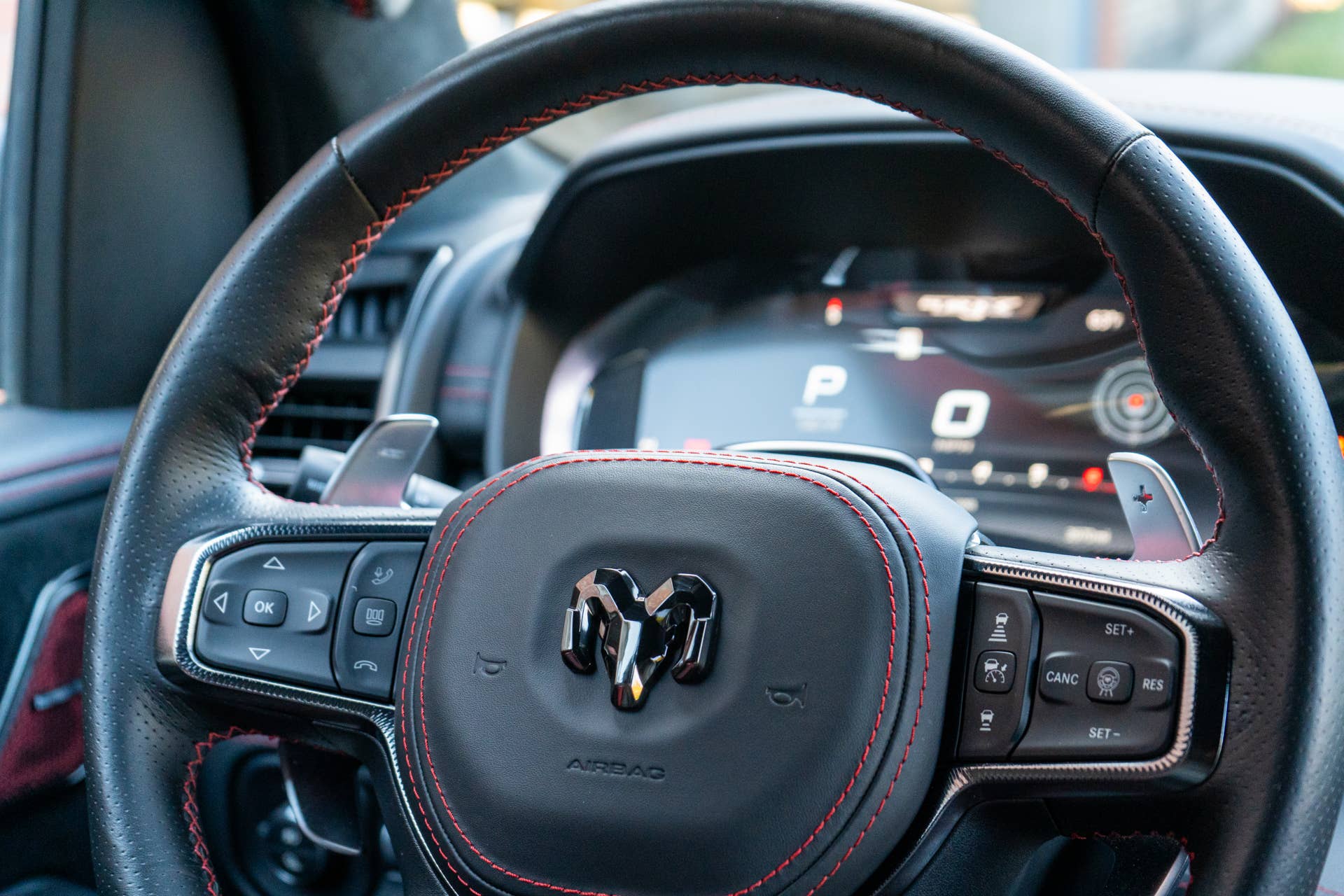
With a supercharged V8 making such a spectacle of itself, the TRX’s cabin risks having its surprising sense of occasion overshadowed. Yet its material quality impressed me immediately, and the generous use of suede adds abundant visual depth. The striking headliner adds tons of drama to an experience already overflowing with it, making the interior feel appropriately indulgent for a six-figure truck. For 2027, that full suede headliner and the matching sun visors are new to the TRX, alongside a leather-wrapped airbag cover—details borrowed from the luxurious Ram 1500 Tungsten.
2027 Ram 1500 TRX SRT
Cole Attisha
2027 Ram 1500 TRX SRT
Cole Attisha
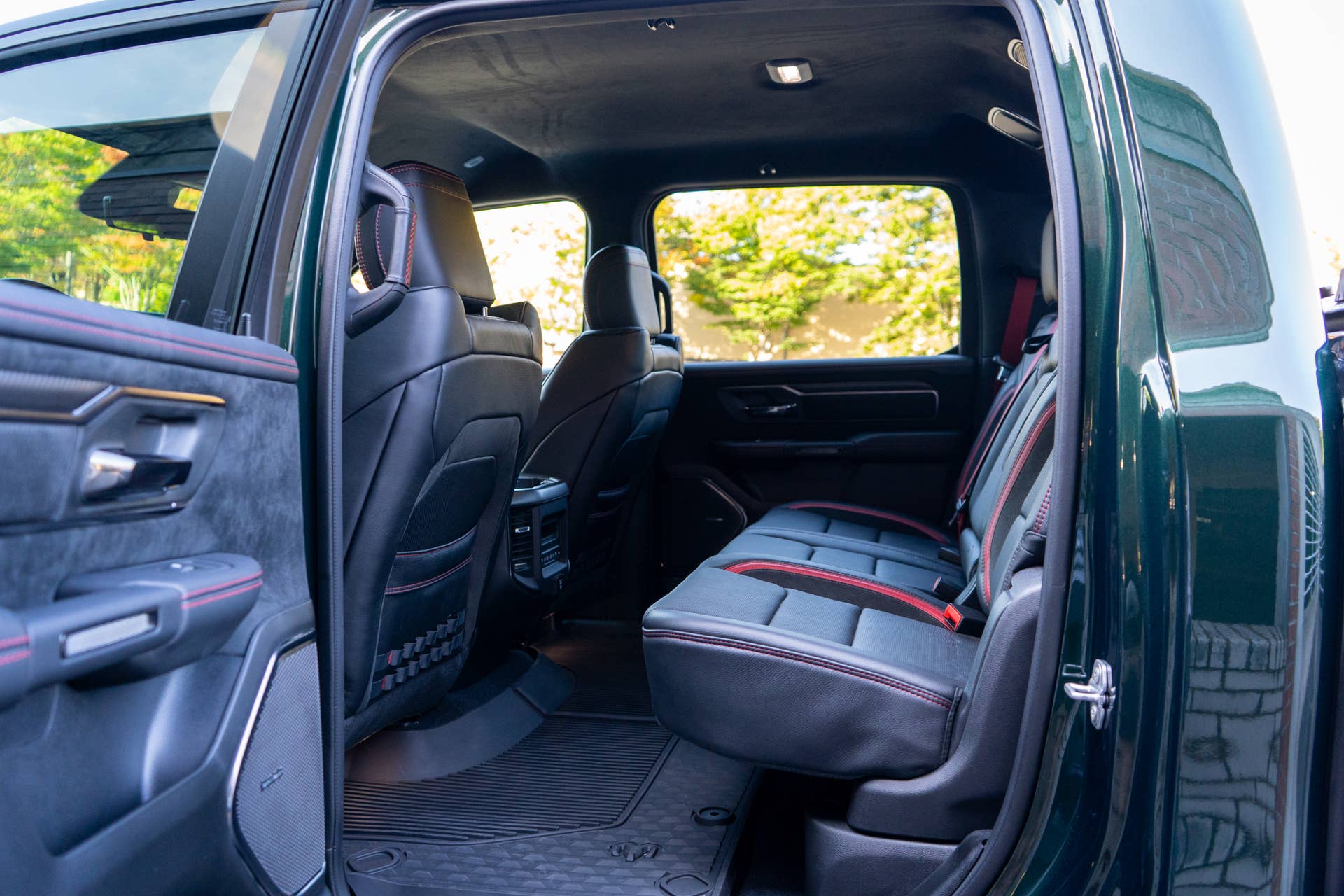
As specced, my tester also borrowed massaging front seats, heated and ventilated seating in both rows, and reclining rear seats from the luxurious Tungsten model. 2027’s updates also add a 14.5-inch Uconnect 5 touchscreen and standard hands-free driving assistance. Those amenities are now standard TRX equipment, which helps explain where some of that purchase price goes. Although my time with the Ram was brief, the cabin felt seriously luxurious, contributing something worth enjoying whenever the engine’s theatrics subside.
2027 Ram 1500 TRX SRT
Cole Attisha
Value: Making Sense Of A Six-Figure Supertruck
There’s no doubt in my mind that, despite its six-figure price tag and downright disturbing fuel economy—EPA estimates just 10 mpg in the city and 14 mpg on the highway, for an unsettling combined total of 12 mpg—the Ram 1500 SRT TRX won’t struggle to find buyers. The TRX’s callous disregard for rationality is precisely what makes it so desirable in the first place, and though I wouldn’t go so far as to call the thirsty, expensive truck a “bargain,” its value proposition actually has a bit more substance than emotional appeal alone. Starting at $102,790 including destination, it undercuts the 2026 Ford F-150 Raptor R’s $113,725 starting price by nearly $11,000. Even my $108,215 tester costs about $5,500 less than the Ford’s starting price, while delivering 57 more horsepower and massaging seats. Within this wonderfully irrational corner of the truck market, the Ram’s pricing is surprisingly competitive.
2027 Ram 1500 TRX SRT
Cole Attisha
Used examples add another intriguing element to the value equation. A 2021 TRX with 31,000 miles sold on Bring a Trailer for $69,500 in August 2026, retaining approximately 78% of its original $88,990 sticker price. A 2022 example with 14,900 miles brought $73,000 on Cars & Bids that May, roughly 80% of its original $90,985 MSRP. Keep in mind these are real auction results before fees and taxes, so they offer far more substance than optimistically priced classified ads. Two sales on platforms known to draw in high bids may not be enough to establish an average depreciation rate or predict this new model’s future value, and anyone who paid a substantial dealer markup faces different margins of return. Nevertheless, I find those results somewhat reassuring here: buyers still tend to attach considerable value to the TRX’s particular brand of excess long after they leave dealer lots.
2027 Ram 1500 TRX SRT
Cole Attisha
Its 12-mpg combined rating is still an expensive appetite to satisfy, and maintenance, insurance, and tires deserve consideration, too. But desirability matters when buying a vehicle and when eventually selling it, and, truthfully, I don’t imagine the average TRX buyer really cares all that much about fuel economy. The TRX might be an expensive way to turn gasoline into laughter, but its financial case is still somewhat more defensible than its outrageous personality initially suggests.
2027 Ram 1500 TRX SRT
Cole Attisha
Overall Verdict: Appeal Beyond The Numbers
The TRX’s appeal, as raucous and bodacious as it is, may actually lie mostly in how surprisingly refined and luxurious it feels as a complete package. Its elastic, brutal power delivery, cushy yet controlled ride, and indulgent cabin give you plenty to appreciate between the moments when the Hellcat engine gets to really stretch its legs. That matters, because even the most committed supertruck owner will spend more time cruising than catching air. At six figures, I expect more than a party trick or two, and the TRX’s blend of absurdity and refinement delivers an experience that feels special even on an ordinary drive. Its thirst remains difficult to defend logically, but thankfully, the enjoyment isn’t limited to the moments you’re emptying its tank fastest. Ram engineered this truck to leap over dunes, but I didn’t need to defy gravity to discover why it deserved to return from extinction.
2027 Ram 1500 TRX SRT
Cole Attisha
Autoblog aims to feature only the best products and services. If you buy something via one of our links, we may earn a commission.
Down to its quad headlights, the 2027 Genesis G80 Prestige Black reminded me of everything I loved most about the W211-generation Mercedes-Benz E-Class, but that connection ran considerably deeper than its four-eyed face. Like that mid-2000s Mercedes, the G80 makes an occasion out of the simplest driving inputs. Easing onto the throttle, guiding it through a sweeping bend, or bringing it smoothly to a stop feels immensely satisfying, even when you’re barely approaching the speed limit. For a sporty sedan with twin-turbocharged V6 muscle under the hood, it makes a surprisingly compelling case for taking your sweet, sweet time.
That all became especially apparent on British Columbia’s picturesque Sea-to-Sky Highway—my all-time favorite driving road—where the Genesis seemed to filter the outside world with remarkable judgment. A gentle rush of ambient wind remained audible over the wing mirrors, enough road feel still came through to my hands to keep me informed, and its suspension softened the pavement beneath me without compromising control. I enjoyed driving it smoothly enough that simply getting somewhere became an enjoyable part of the day instead of a chore. And when I turned things up a notch, the G80 handled spirited drives with as much composure and gratification as it did when driven like a chauffeur.
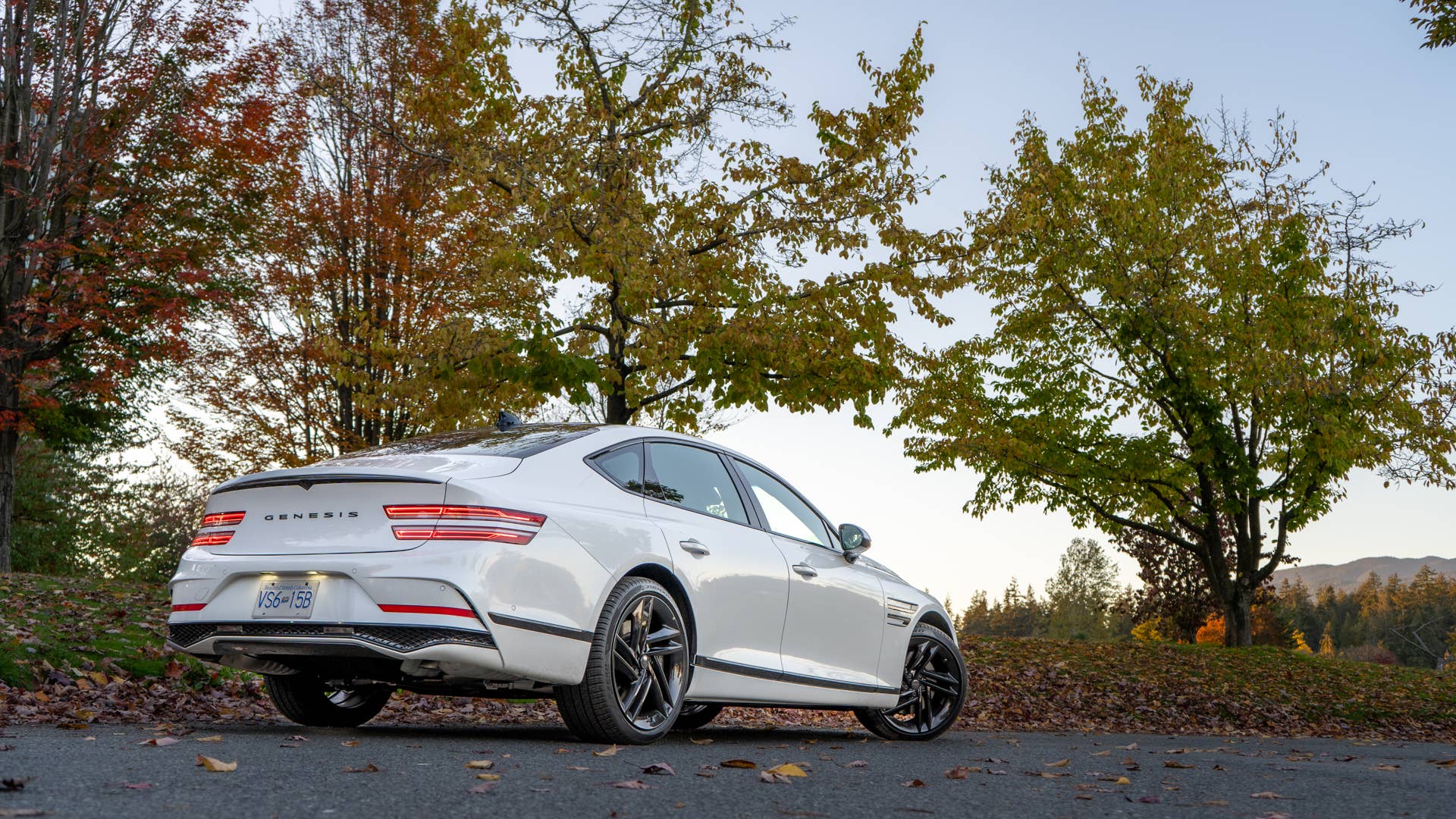
Of all the Genesis models I’ve driven, the G80 might offer the most convincing balance of everything the brand does so well these days. It feels more substantial than the bread-and-butter GV70, yet its luxury remains approachable in a way the more grandiose G90’s sometimes doesn’t. In other words, it’s something of a Goldilocks Genesis, and the Prestige Black spec adds yet another layer of richness. That impression may have sprouted from how satisfying it was to drive, but a luxury sedan’s appeal has to extend to the moments spent just sitting in traffic, adjusting the climate controls, or getting comfortable on a longer journey. Over my week spent with the G80, those everyday details helped explain why this particular Genesis resonated with me so strongly, while also exposing a few areas where its flagship aspirations deserved closer scrutiny.
2027 Genesis G80 Prestige Black
Cole Attisha
Specification
2027 Genesis G80 3.5T Prestige Black AWD
Engine
3.5-liter twin-turbocharged V6
Output
375 hp / 391 lb-ft
Transmission
Eight-speed automatic
Drivetrain
All-wheel drive
Suspension
Electronically controlled suspension with Road Preview
Wheels
20-inch alloy
EPA fuel economy: city/highway/combined
16/24/18 mpg
Canadian rating: city/highway/combined
15.3/10.0/12.9 L/100 km
U.S. Prestige Black starting price
$80,150; $81,695 including freight, before options
Powertrain And Driving: Making Every Input Count — 9.5/10
When I reviewed the Genesis GV80 Coupe 3.5T E-SC earlier this year, its calibration felt a bit jolty at lower speeds, especially compared with the G90 flagship sedan, which shares its electrically supercharged V6. I found none of that awkwardness in the G80, which, for clarification, omits the electric supercharger. Its twin-turbocharged 3.5-liter V6 feels so naturally suited to this application that it’s easy to imagine Genesis designed the engine specifically for it. Easing onto the throttle produces a progressive, satisfying build of power, with the whole experience feeling as richly indulgent as miso sablefish melting in your mouth. Lean harder on the accelerator, and dessert arrives; all 375 horsepower and 391 lb-ft of torque make their presence known quickly. Still, the G80’s appeal extends well beyond its ability to gather speed. The relationship between what you ask of it and how it responds makes even modest acceleration enjoyable, while the eight-speed automatic lets that smoothness carry through the experience at any rate of acceleration.
The suspension contributes just as much to that impression. Its Road Preview system uses a forward-facing camera and navigation information to anticipate the road ahead and adjust its damping, but from the driver’s seat, what impressed me most is how thoughtfully the outside world reaches you. Enough sensation remains to keep you involved, while the rougher edges are effectively dulled. Subtle wind noise rushes over the wing mirrors, providing ambient white noise without letting in so much that it feels unrefined, and although its suspension eats up bumps and bruises and offers cloud-like ride quality, the steering still communicates road feel clearly and, specifically in Sport mode, offers impressive feedback for an electronic steering system. I eventually settled on a custom My Mode configuration combining Sport steering, Comfort suspension, and Smart powertrain settings, and it captured what I appreciated most about the whole car: satisfying control over its movements, a supple ride, and power delivery that suited my driving style no matter what mood I was in.
2027 Genesis G80 Prestige Black
Cole Attisha
Balancing comfort and performance effectively is hardly unique to the G80, and is ultimately a necessary achievement for any modern luxury automobile to be worthy of consideration. But what stuck with me was how consistently its character carried through both ideals. I never felt that it needed an exaggerated response to make a normal input seem exciting and engaging. Instead, it reminded me of the deeply satisfying interaction I associate with older German luxury cars, and sometimes miss in their modern counterparts, and that same emphasis on natural experience is perhaps best demonstrated by its cabin.
Technology: Modern Features, Familiar Pleasures — 9.0/10
Genesis’ approach reminds me of a beautifully made hi-fi amplifier: modern electronics do the complicated work, while tactile, well-crafted dials make interacting with them feel rewarding and familiar, and in a luxury car, operating it ought to be as pleasant as looking at it. The G80’s 27-inch OLED display is sizeable, but the rotary infotainment controller and separate climate panel keep it from becoming the sole point of interaction, unlike in many of the sedan’s contemporary rivals.
2027 Genesis G80 Prestige Black
Cole Attisha
Although the climate panel is touch-sensitive, its dedicated layout preserves a welcome sense of familiarity, and its rapid responsiveness and quick-serving haptic feedback leave little to criticize. The 18-speaker Bang & Olufsen system was every bit as impressive as the GV70’s, making music a memorable part of the experience. Wireless Apple CarPlay gave me some minor trouble at first, but those problems somehow disappeared after the first few hours. It worked without issue for the rest of the week, allowing the technology to settle into the background and letting me enjoy the drive.
2027 Genesis G80 Prestige Black
Cole Attisha
Exterior Styling: A Luxury Sedan With Its Own Identity — 10/10
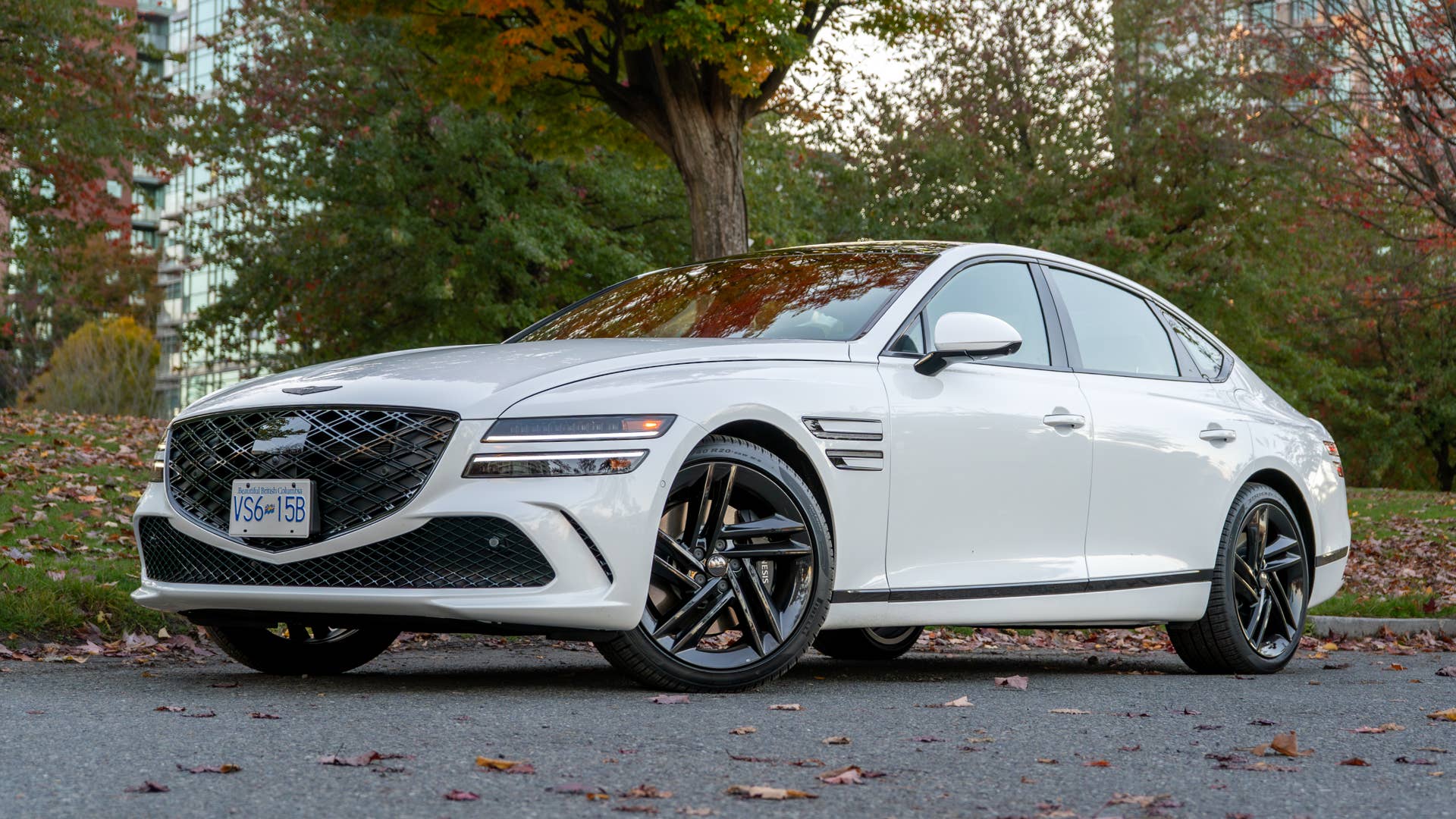
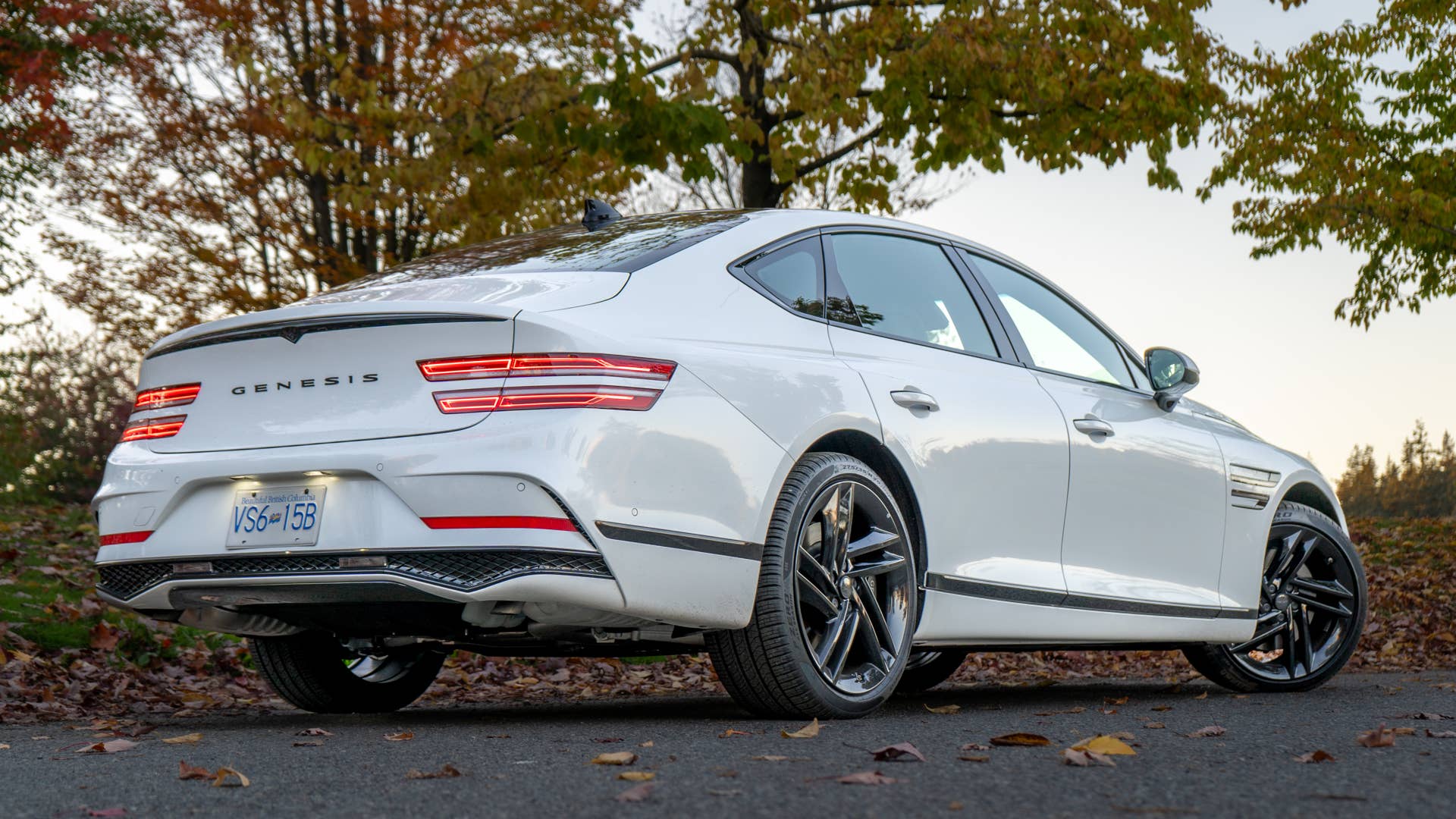
Despite wearing one of the prettiest contemporary luxury automobile design languages out there today, the G80’s proportions still do most of the talking here. Its long hood, flowing roofline, and gently sculpted flanks give it the presence I want—nay, insist upon—from a luxury sedan, while the two-line lighting establishes an identity that feels unmistakably Genesis. I also can’t help but feel the stacked headlights subtly nod to the W211 E-Class, which featured horizontally detached quad headlamps, and shares much of its spirit with the G80.
2027 Genesis G80 Prestige Black
Cole Attisha
Against my tester’s white paint, the Prestige Black’s darkened grille, window surrounds, and 20-inch wheels give those softer curves a more assertive edge. The contrast highlights the shape, and the simple Genesis lettering across the rear keeps the tail clean and composed. What I appreciate most is how cohesively these details belong together. The G80 looks distinctive from almost every angle, with enough visual detail to reward a closer look. Its sense of occasion comes from the innovative, boundary-pushing artistry behind modern Genesis design, and that uniquely intriguing language bleeds into the experience of ogling the G80 from near or far, making you proud to stand next to it, and even prouder to call it your own. I couldn’t stop myself from staring whenever I had the chance, and I have no notes. To my eyes, this is one of—if not the—best-looking vehicles on sale today.
2027 Genesis G80 Prestige Black
Cole Attisha
2027 Genesis G80 Prestige Black
Cole Attisha
Interior And Practicality: Almost Flagship Luxury — 9.5/10
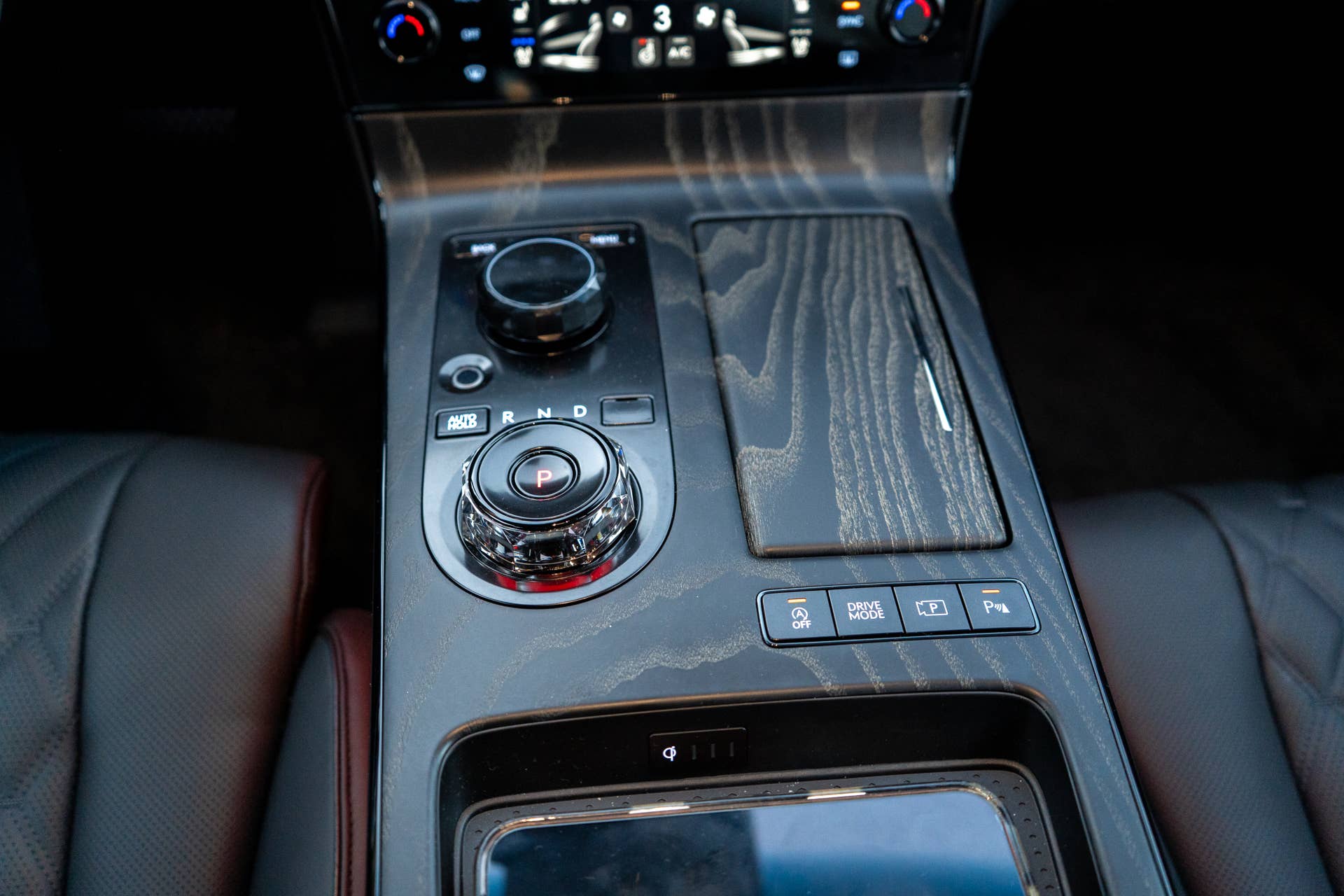
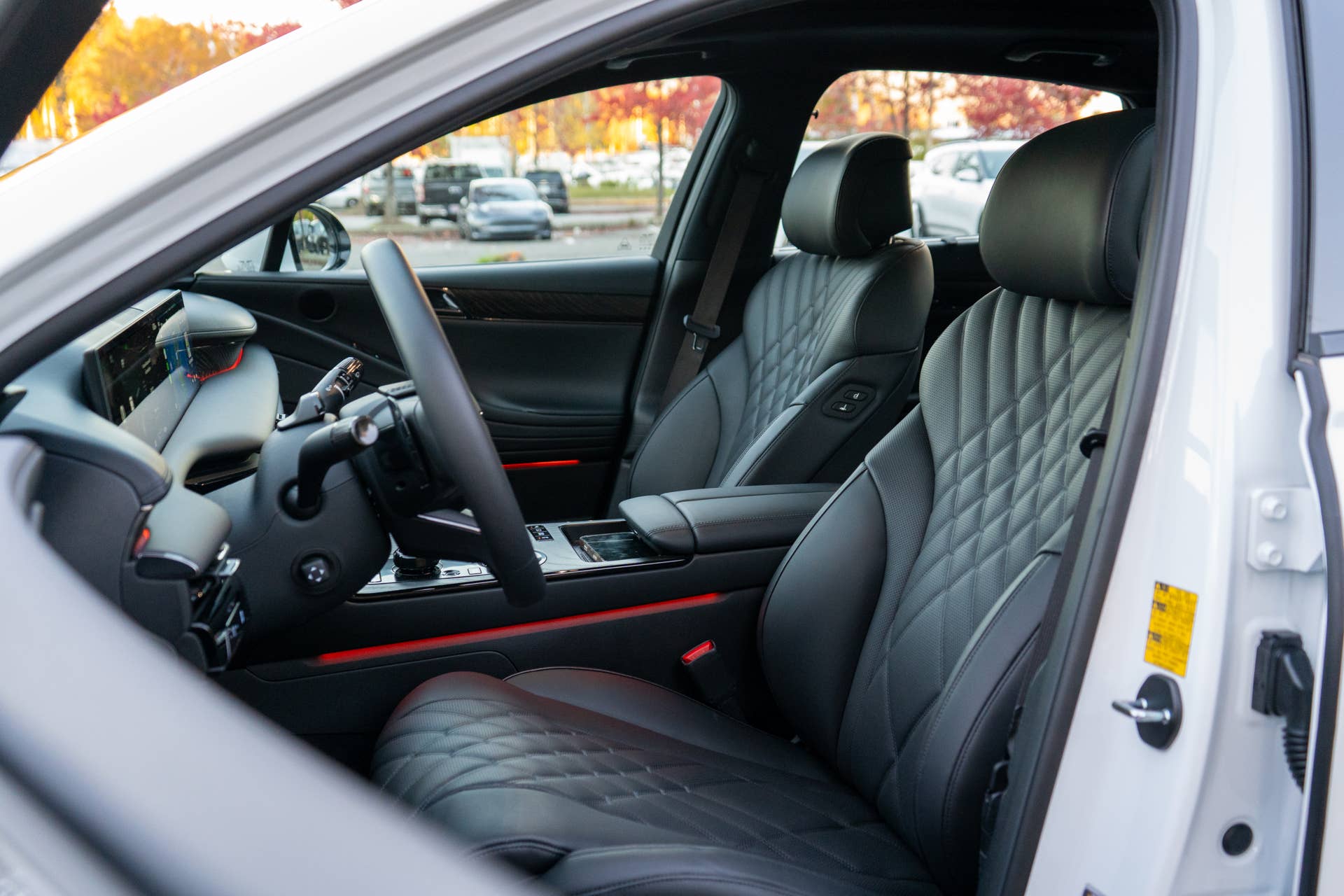
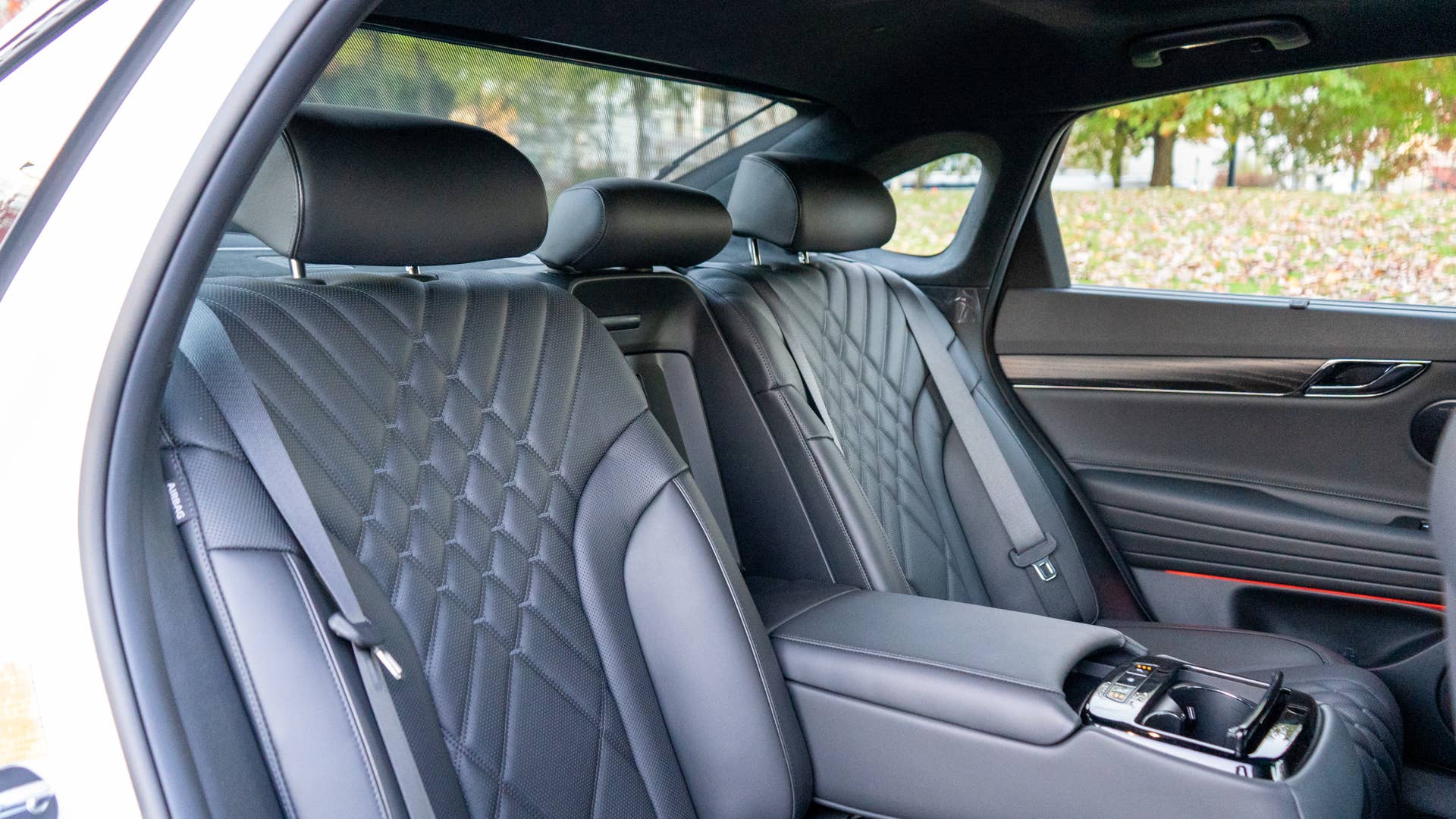
The G80’s cabin backs up my Goldilocks claims with the most substance. Black Nappa leather, patterned stitching, and black ash wood give the Prestige Black a moody, atmospheric feel rather than a dimly-lit, dull one. Variations in grain, sheen, and texture add subtle depth to the dark palette, while the controls and touchpoints reinforce the same sense of care I appreciated in its driving manners. The low driving position and outward visibility also add to the appeal, and I could enjoy the scenery along the Sea-to-Sky while feeling comfortably sheltered from the journey’s less pleasant elements. For its 2027 model year, the G80 Prestige Black also adds a heated front-center console armrest, giving its Mercedes-outdoing ambitions even more teeth than before.
2027 Genesis G80 Prestige Black
Cole Attisha
2027 Genesis G80 Prestige Black
Cole Attisha
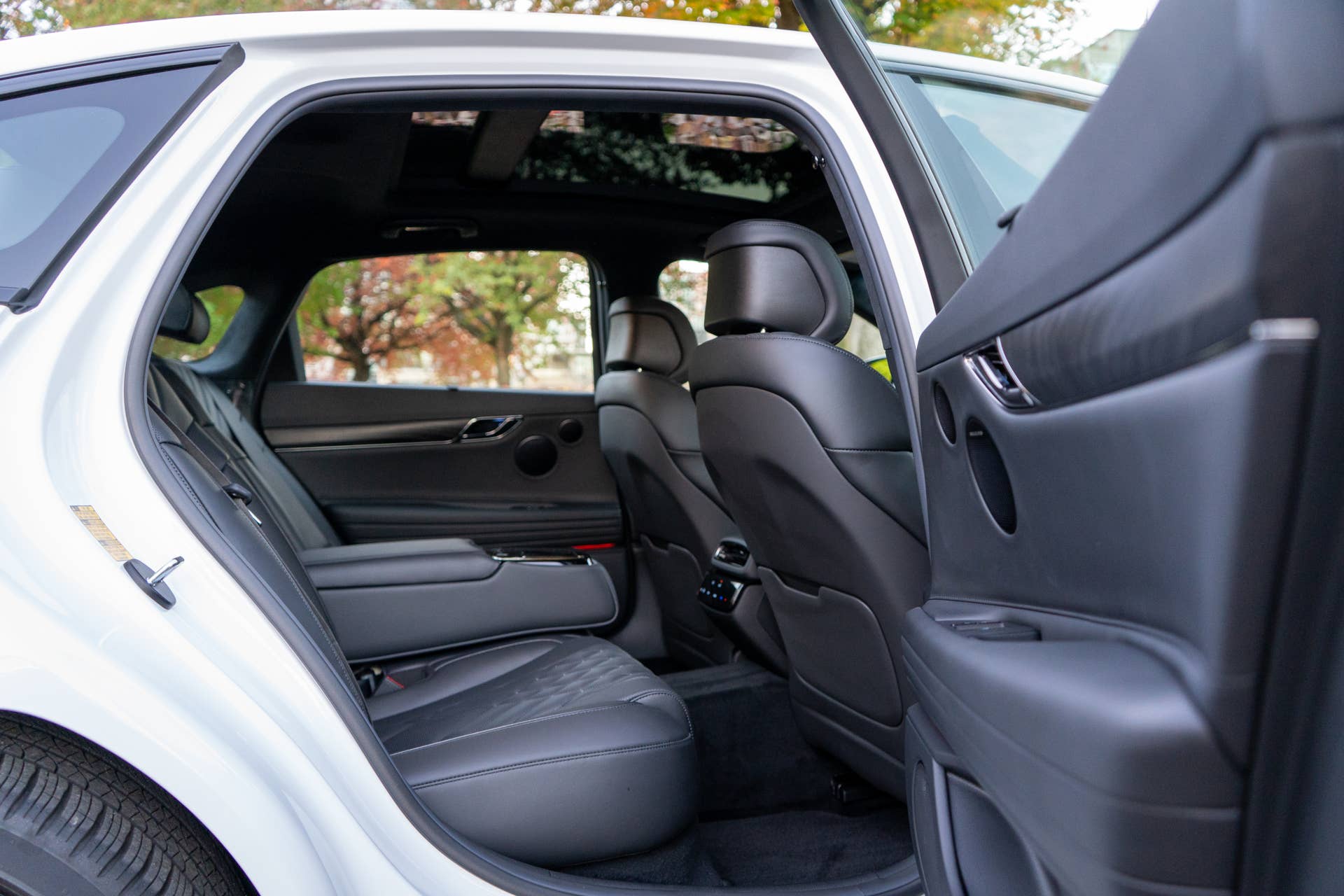
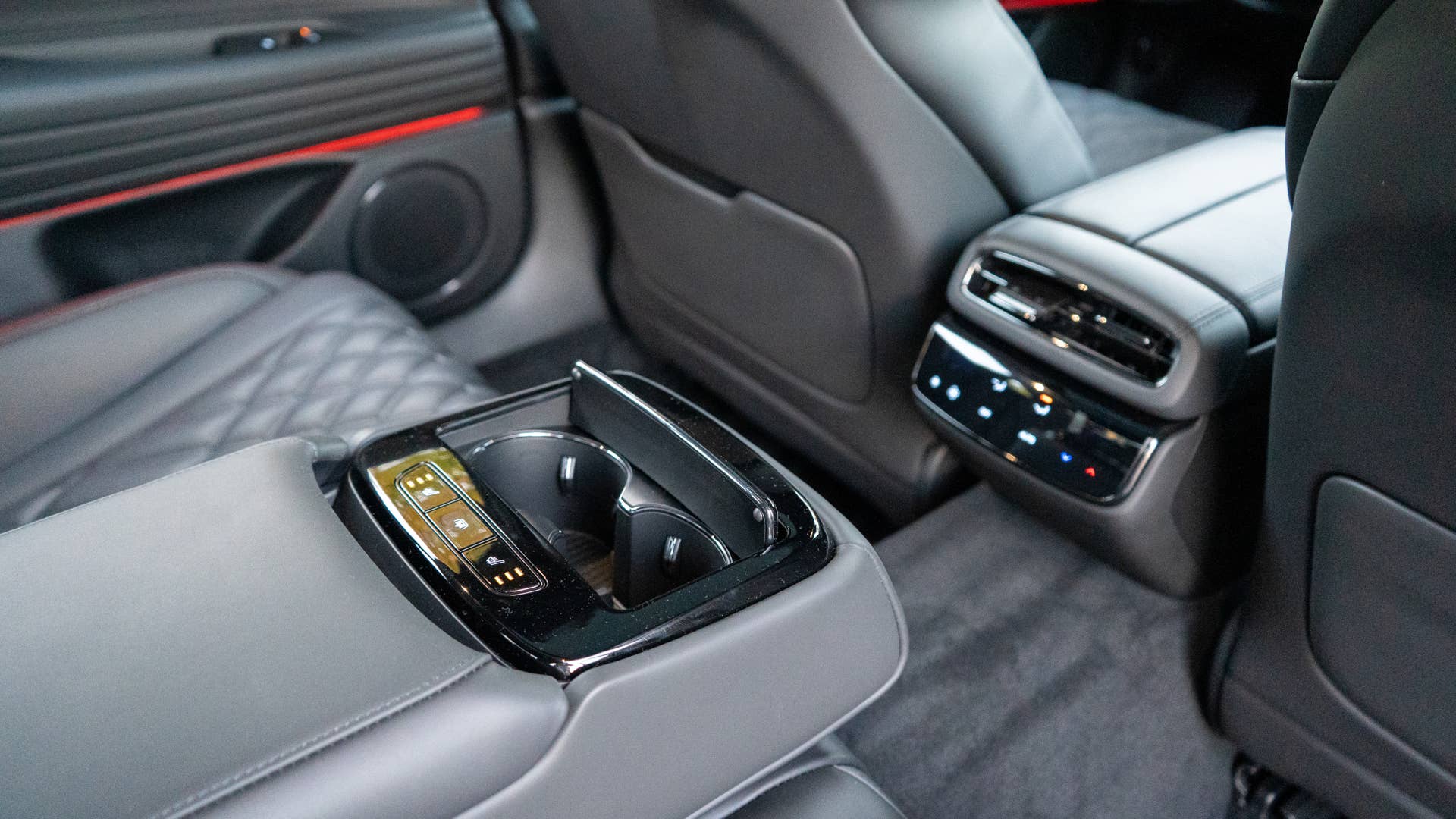
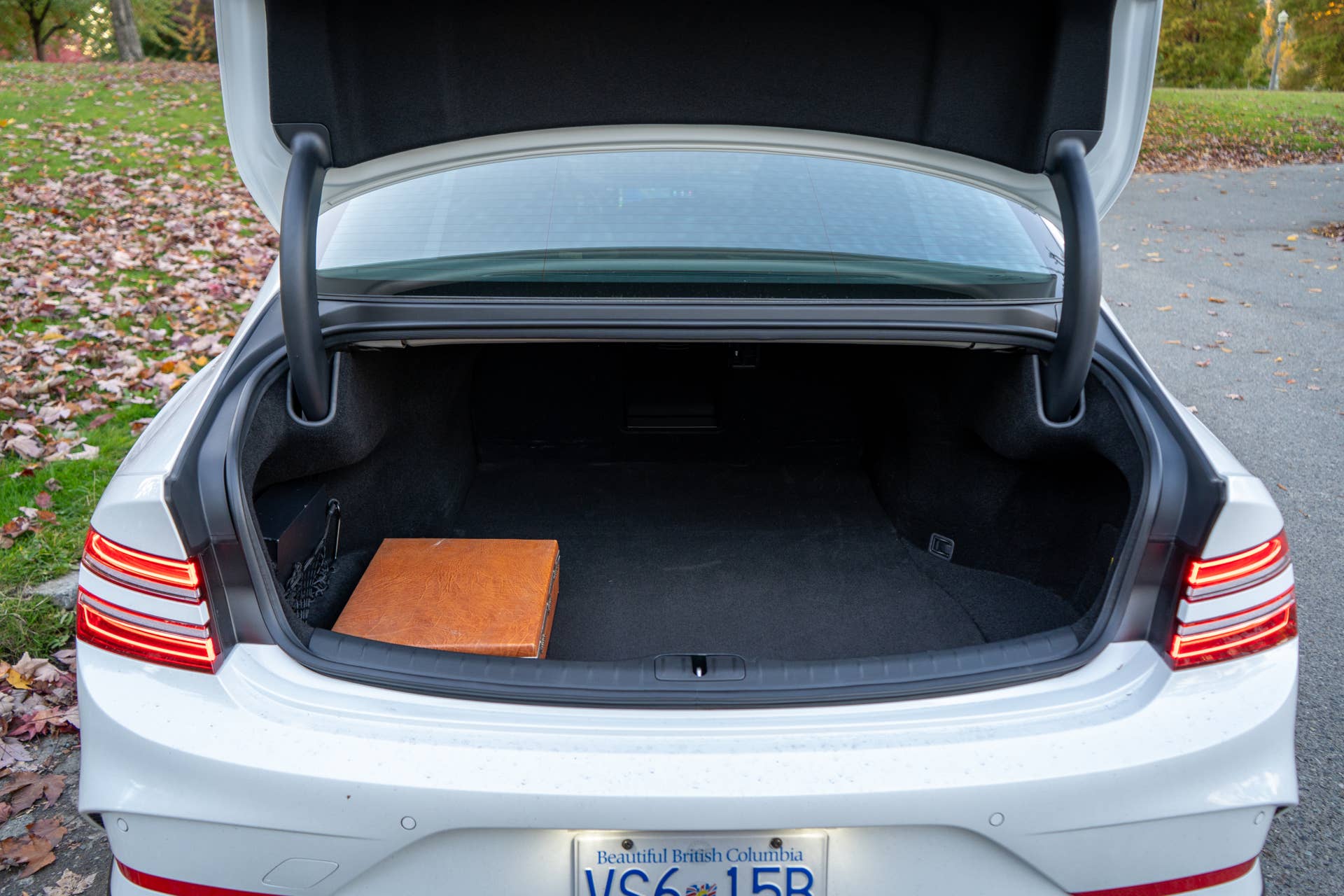
As for practicality, the G80’s 42.2 inches of front legroom and 38.7 inches of rear legroom both exceed the BMW 5 Series, Mercedes-Benz E-Class, and Audi A6, giving its almost-flagship ambitions some practical substance. Luggage receives a less generous allocation of space, though: its 13.1-cubic-foot trunk is smaller than the BMW’s and Audi’s, although slightly larger than the Mercedes’. My only real disappointment inside the cabin was the driver’s Ergo Motion seat, advertised in some material as a massage seat but not quite one to full effect. Its adjustments to support and posture never delivered a substantial massage experience, and the front passenger gets no equivalent function. The G90’s more comprehensive massage features really make the omission stand out. It’s a first-world complaint, certainly, but in a top-spec luxury sedan, buyers pay for these small indulgences. At least it features soft-closing doors. Very swish.
2027 Genesis G80 Prestige Black
Cole Attisha
Value: A Premium Price With Substance To Match — 9.0/10
At $80,150 before freight, or $81,695 delivered, the U.S. Prestige Black has graduated beyond the easy “cheaper than the Germans” argument, and I think that’s for the best. You no longer buy a Genesis because it offers the same for less; now you buy a Genesis because it offers more for the same. The six-cylinder Audi A6, BMW 540i xDrive, and Mercedes-Benz E 450 4MATIC start at $64,900, $67,700, and $73,700, respectively, before freight, but those numbers don’t reflect fully equipped models, whereas the G80’s figure does. Equipment makes the comparison much more interesting. The G80 includes Nappa leather, B&O audio, a head-up display, and Road Preview adaptive suspension. Mercedes charges $2,990 for Nappa, $3,400 for Pinnacle trim, and $3,200 for AIRMATIC; those options alone push the E 450 past the Genesis’ starting price, not to mention the many other add-ons you can choose. BMW’s $2,500 Driving Assistance Professional and $1,350 Luxury Seating packages also narrow the gap. Nevertheless, an A6 advertised with Executive and Driver Assistance packages at a $76,065 MSRP shows that Genesis doesn’t automatically win on price, but it’s at least upfront about offering a top-end luxury experience without cash-grabbing on the order sheet for features most people automatically expect in a vehicle of this caliber.
Running costs might temper all that enthusiasm a bit, though. The G80’s 18-mpg combined rating trails the 540i’s 28 mpg by a long way, costing approximately $1,190 more annually at 15,000 miles and an assumed $4 per gallon. And, yeah, filling it up at the end of the week made my wallet wince. On the bright side, U.S. buyers receive three years/36,000 miles of maintenance and a ten-year/100,000-mile original-owner powertrain warranty; Canadian scheduled maintenance runs five years/100,000 km. Ultimately, I still think the Prestige Black’s $1,000 premium over the 3.5T Sport Prestige feels reasonable for the added finishes I appreciated every day, and even if the four-cylinder G80 is a far more sensible money-saving alternative, I’d still opt for this V6’s richness and the Black’s presentation if I ever found myself in a Genesis showroom with an order book in my hands.
2027 Genesis G80 Prestige Black
Cole Attisha
Overall Verdict: Genesis’ Goldilocks Luxury Sedan — 9.4/10
To loosely paraphrase Ryosuke Takahashi from Initial D, “The key to success isn’t power, it’s balance.” It seems Genesis’ development team has been brushing up on its anime, then. And it would have to, wouldn’t it? After all, the Genesis G80 had to pick things up from where the Lexus GS and Infiniti Q70 left off. It began as little more than an Asian-brand alternative to a European delicacy (the executive saloon, that is), but as its Japanese rivals bowed out of the longstanding segment altogether, it leaned even further into its own individuality. It stopped attempting to recreate a simulacrum of a distinctly Western experience from an Eastern perspective, and instead learned to celebrate its uniqueness through style, feel, and carefully curated nods to historical inspirations.
That keen sense of balance makes the G80 my Goldilocks Genesis: even more special than the lovable GV70, indulgent enough not to miss the exquisite G90’s added grandeur too much, and rewarding enough to make the long way home feel like time well spent. Its thirst, and perhaps its underwhelming massage function if I’m being picky, leave room for improvement, but neither overshadowed how much I enjoyed the whole experience. It all brings me back to the W211. What I cherish so much about cars like that is how satisfying they make the not-so-sexy business of simply getting around. The G80 gives me that feeling, along with a style and personality I appreciate just as much.
Autoblog aims to feature only the best products and services. If you buy something via one of our links, we may earn a commission.
I don’t know how this is possible, but the Lexus NX is the only small luxury crossover in America that comes with a standard hybrid powertrain. Sure, there are a few hybrid options from companies like Mercedes-Benz and Volvo, but those exist at a higher price point, especially without the $7,500 federal tax credit that once made them more affordable. Lexus owns this market all to itself, and the Japanese luxury brand is capitalizing.
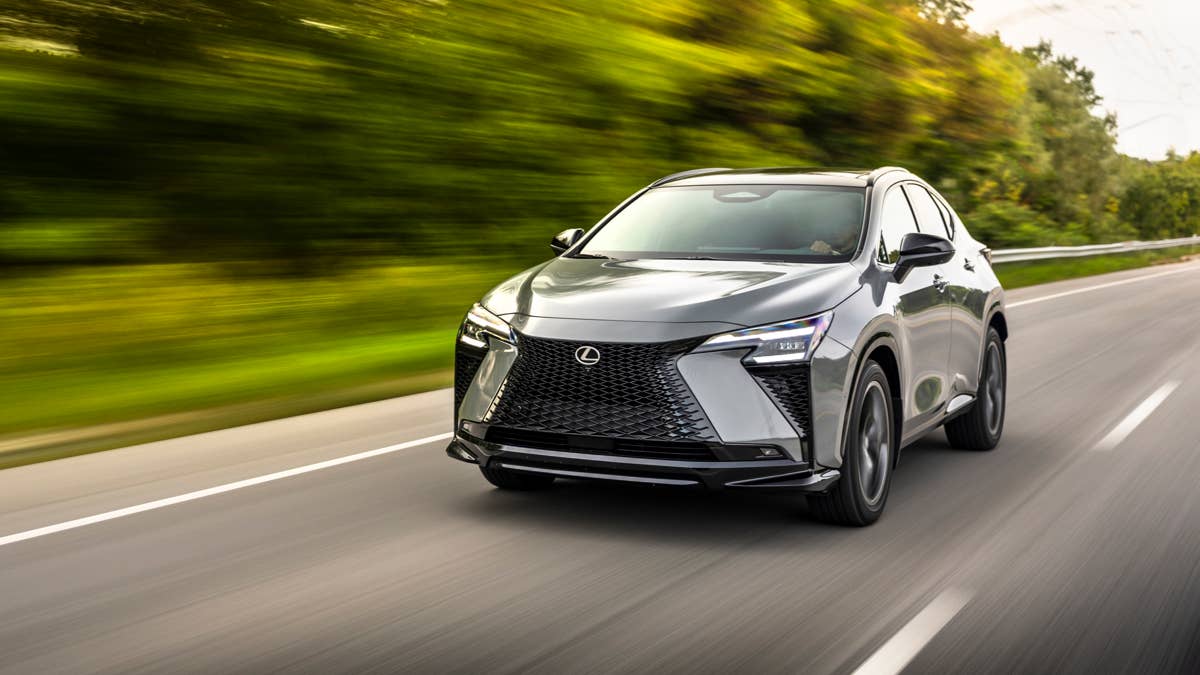
The 2027 Lexus NX arrives as a “new generation,” although it doesn’t look dissimilar to the outgoing model. Like the Toyota RAV4, the NX is only available as a hybrid now, further emphasizing what made this model stand out over its competitors historically. This may not be the most drastic update in a model’s history, but thanks to its strong efficiency, the Lexus NX didn’t need a drastic overhaul to be worth your consideration.
So What’s New?
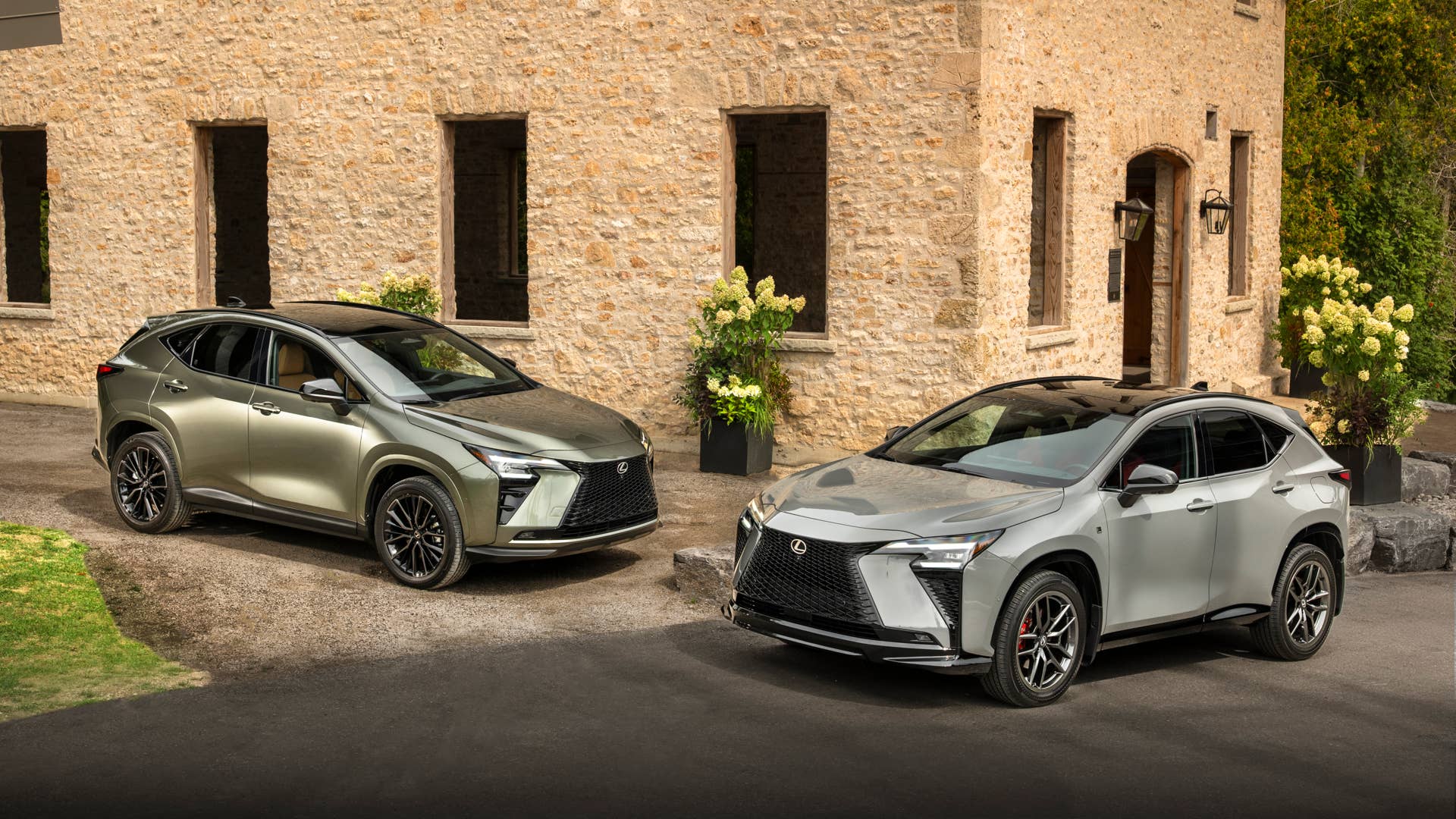
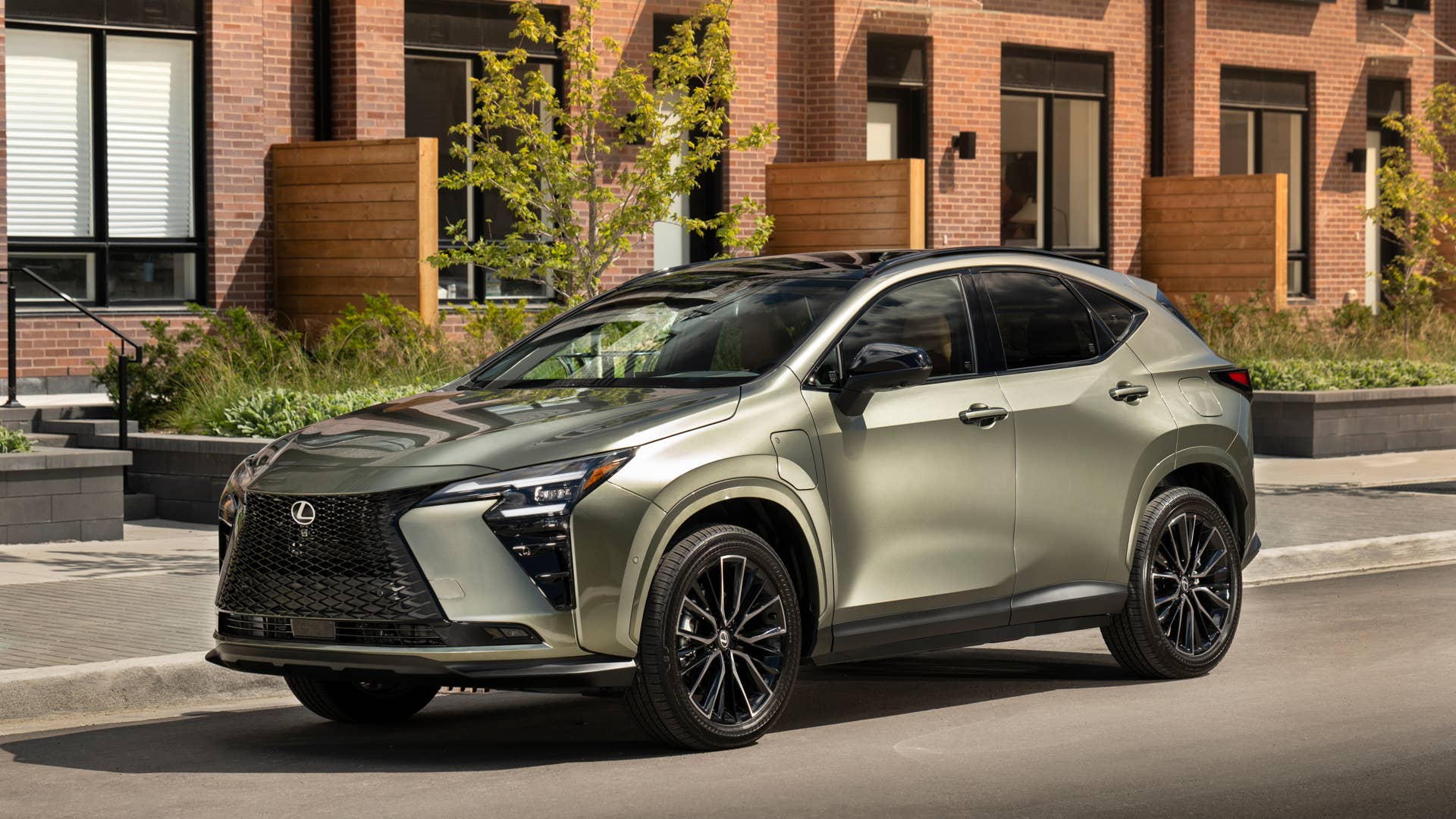
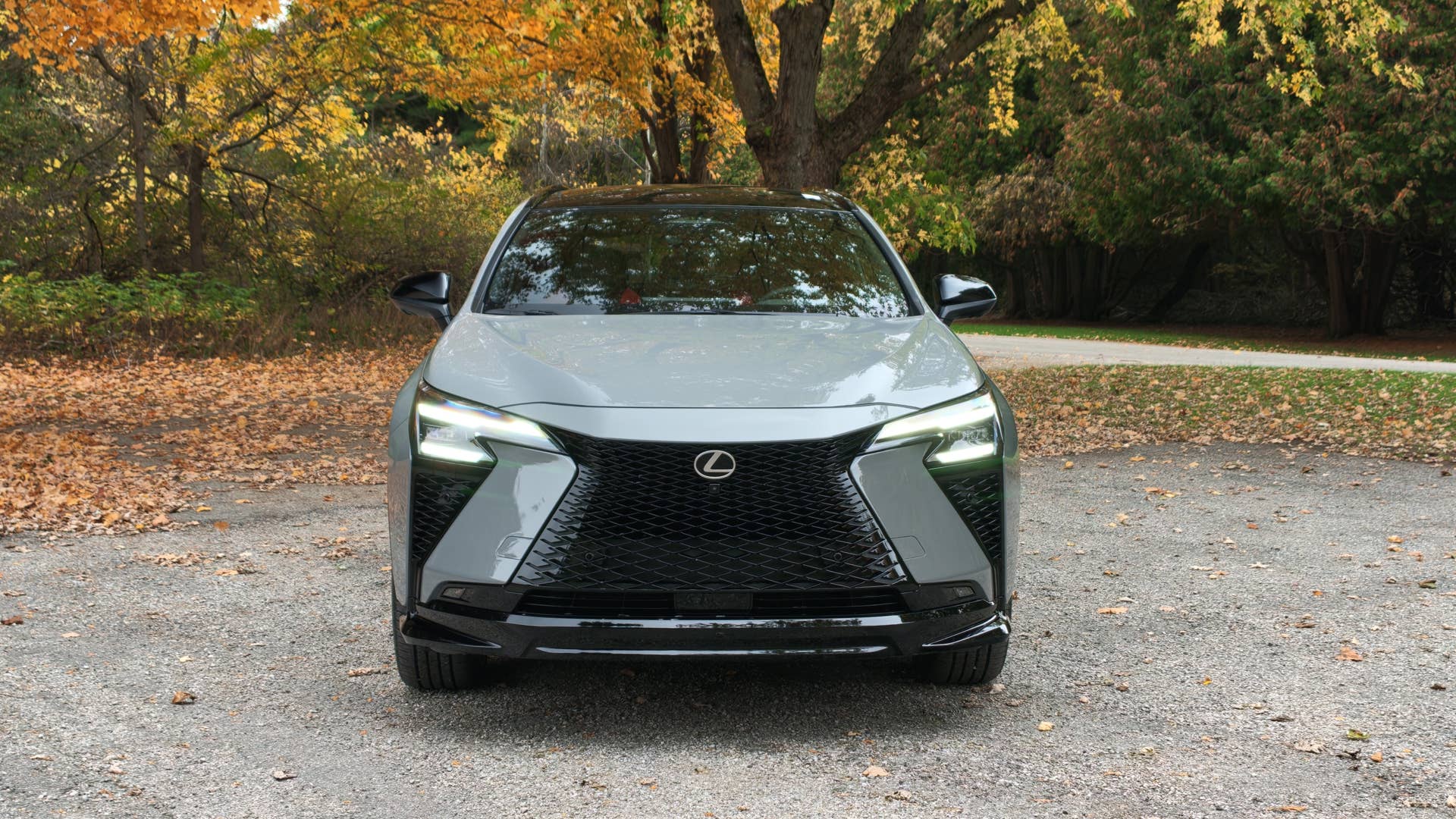
Looking at the new NX side-by-side with the previous car, it’s easy to scratch your head and ask if this is truly a “next generation” vehicle. Whether you call it a facelift or an all-new model, Lexus says only two panels carry over from the last NX. There’s a revised front fascia that looks reminiscent of the electric RZ with a deeper spindle grille and a more prominent brow that reminds me of the current RZ. At the back, double L taillights now include an illuminated Lexus logo that glows in red.
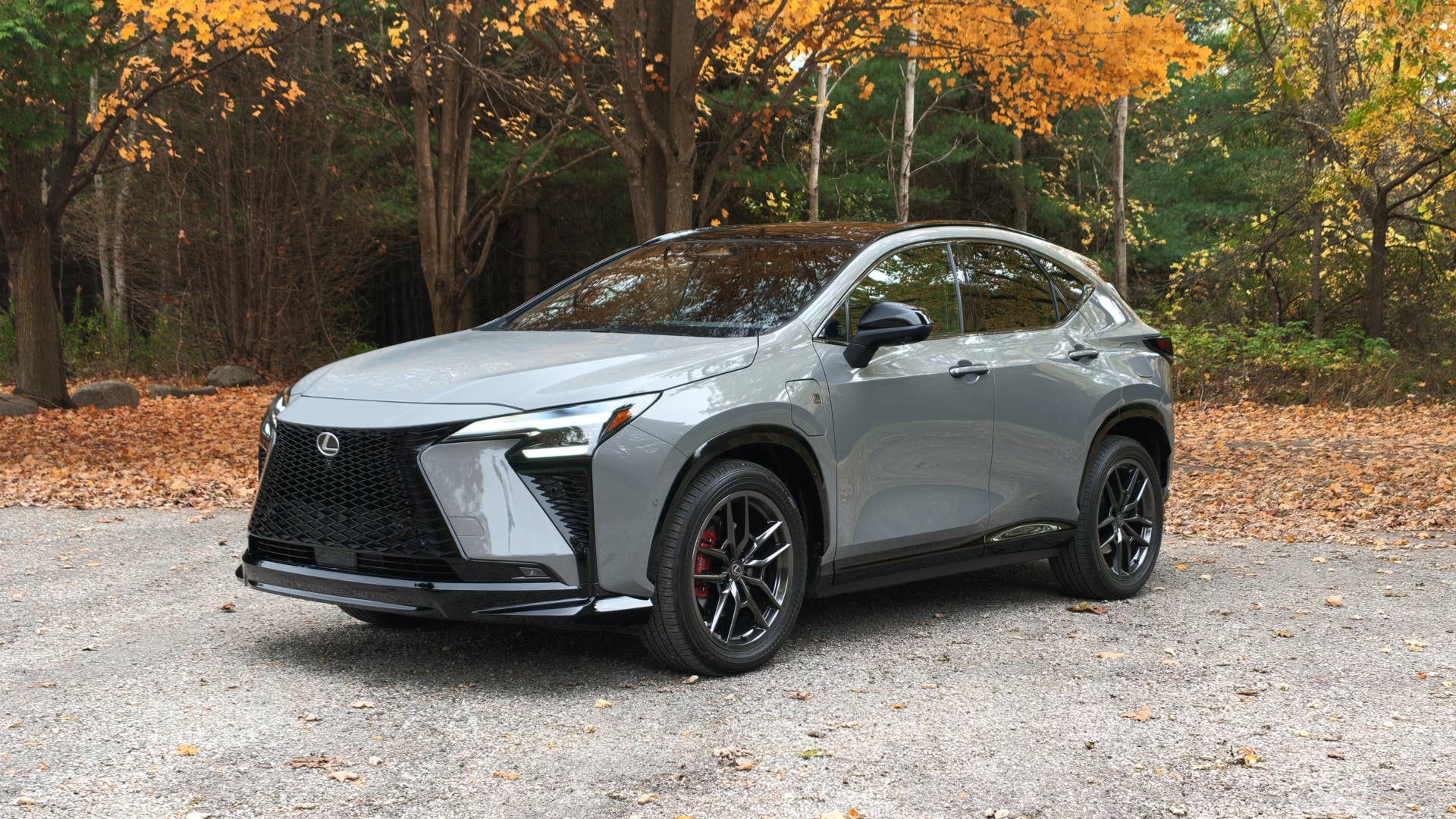
Buyers can choose from nine exterior colors, including a new Shaded Ivy that replaces Nori Green and Incognito, an F Sport-exclusive flat gray that first appeared on the IS 500. The F Sport also gets different bodywork, 20-inch wheels, and red brake calipers. Though it doesn’t look too different on the outside, Lexus adamantly claims the 2027 NX rides on a new platform to accommodate its next-generation hybrid system.
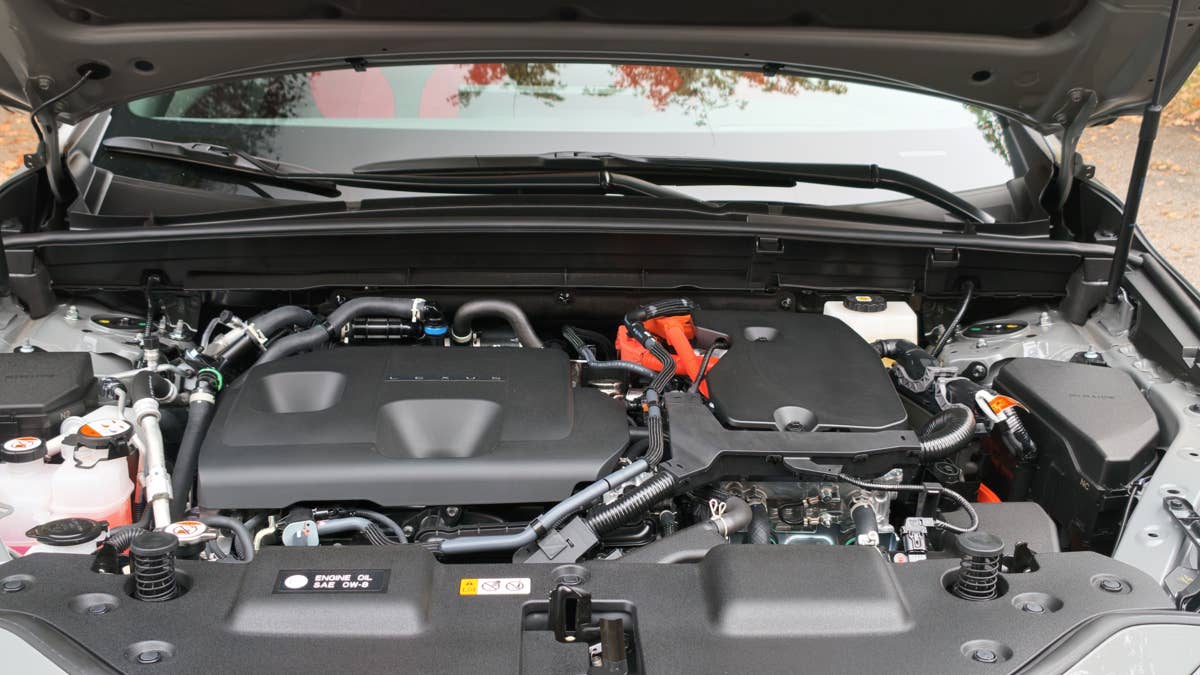
Toyota decided to sell the Camry and RAV4 exclusively as hybrids in their current forms, and Lexus has now done the same with the NX. The 2.4-liter turbocharged four-cylinder engine is gone, and I won’t miss it much; the hybrid system was the number one reason why I recommended the previous NX so strongly. The NX 350h rolls out with a similar 2.5-liter four-cylinder engine paired with an electric motor. It now delivers 244 horsepower, up from the previous 236. Front-wheel-drive is standard with available all-wheel-drive featuring a rear electric motor.
Fuel economy in the NX 350h is class-leading, rated at 44/35/40 mpg (city/highway/combined) with FWD, and only dropping to 42/34/38 with AWD (41/34/38in F SPORT guise). The NX’s gas-only competitors typically average mid-to-high 20s, and even the plug-in hybrid competitors fail to average over 30 mpg when running on gasoline.
Speaking of PHEVs, the NX 450h+ returns, now sporting 324 hp, up from the outgoing 304. Lexus increased the battery size from 18.1 to 22.7 kWh, meaning it can now go up to 45 miles on a single charge, up from 37 miles in the outgoing model. Charging is now done via a Tesla-style NACS connector with standard DC charging capability. Owners can now recharge in as little as 35 minutes on-the-go or just 2.5 hours at home. Fuel economy is slightly lower than the 350h, but still excellent at 39/35/37 mpg (city/highway/combined) or 38/34/36 as an F Sport.
A Next-Gen Interior
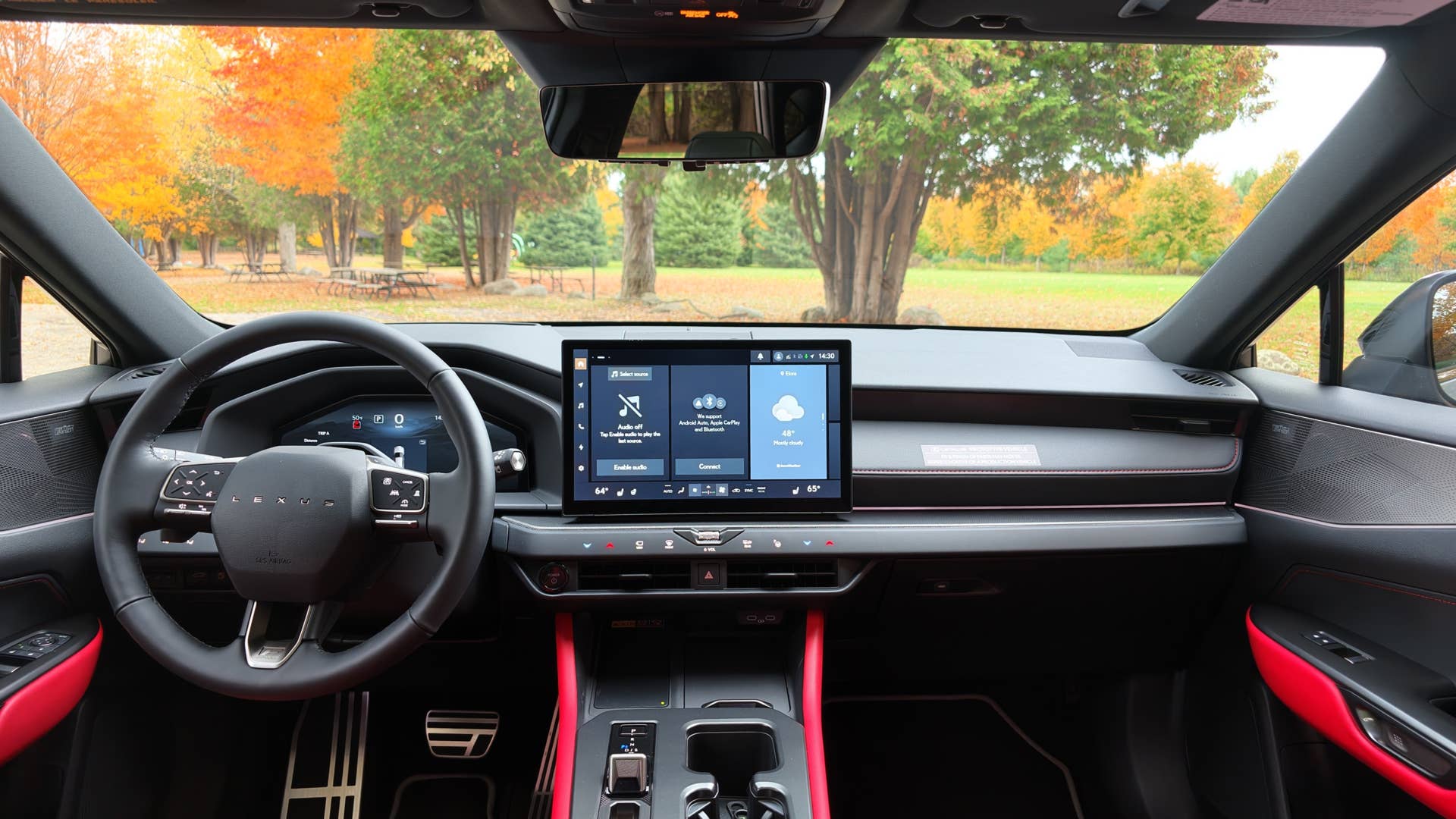
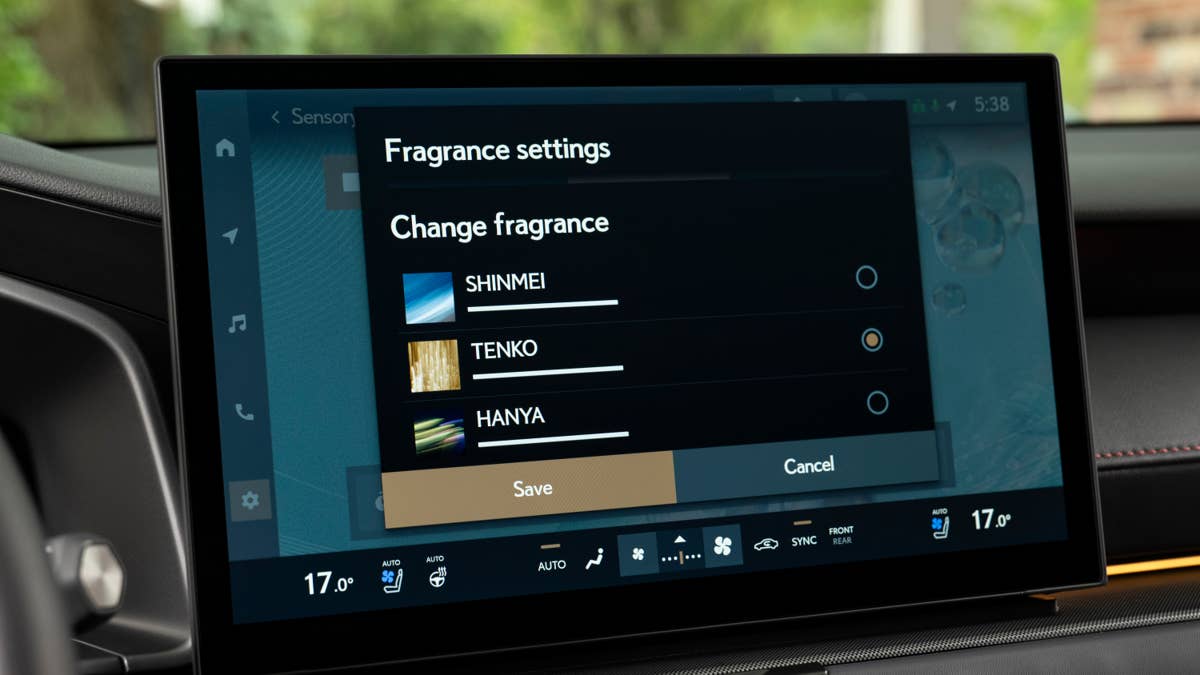
This 2027 update brings the NX up-to-speed with the Toyota RAV4 and Lexus ES thanks to a standard 14-inch touchscreen powered by the latest Lexus interface. It brings in previously-seen features like a built-in dash camera and some new ones like an available Sensory Concierge, which sprays fragrances from an area on the dash. This interior layout is remarkably similar to the one in the ES, forgoing the previous NX’s knobs in favor of touch-capacitive buttons.
While I don’t agree with every decision Lexus made inside the cabin, this update feels remarkably more modern and upmarket than the outgoing NX. Ambient lighting elevates the ambiance at night, and can combine with the fragrances to deliver a relaxing experience. I especially love the new three-spoke steering wheel, which is perfectly sized and reminds me of an old school IS 300.
Lexus made several refinements to the suspension, steering, accelerator, and braking systems. These changes all culminate in a pleasant driving experience that is comfortable and decently enjoyable. The ride is comfortable, even in the F Sport trim with its adaptive variable suspension, and the cabin remains pretty quiet even at highway speeds. Enthusiastic drivers may not love the feel of the hybrid system’s CVT-like planetary gearset, but all others will find it remarkably smooth and quiet when it isn’t asked for full-throttle acceleration.
I recorded a 0-60 time of 6.92 seconds in the NX 350h F Sport, falling a bit shy of Lexus’ 6.7-second estimate for the AWD model but nearly matching the FWD model’s 6.9 second claim. The NX 450h+ delivered more impressive acceleration, besting its 5.7-second estimate by hitting 60 mph in just 5.32 seconds. That’s slightly quicker than the 5.43-second run I recorded in the RAV4 GR Sport and not far off the 5.22-second time set by the Genesis GV70 with its twin-turbo V6. Even in electric-only mode, the NX PHEV posted an impressive 8.66-second run to 60. That’s quicker than a BMW M5 or McLaren Atura will do the sprint in their electric modes.
Still Unmatched
Lexus won’t have any trouble keeping its second-best-selling vehicle popular. In fact, it will need all the production capability possible from its Canadian and Japanese factories to keep up with demand. The 2027 NX will arrive at dealers in late 2026, sporting four trim levels for each of the hybrid powertrains: Premium, Premium+, Luxury, and F Sport.
No pricing is available yet, but I expect it to remain relatively close to the outgoing model. Lexus has crammed in standard features, like heated and ventilated front seats, meaning you no longer have to feel like you missed out not spending up for the higher trims. Some features like a panoramic glass roof and heated rear seats are only available if you spend a bit more, but the base Premium trim seems like it will be the best value of the bunch.
I’m excited to continue recommending the NX as the best luxury option for buyers who want to save money on gas, but aren’t quite ready to buy an EV. It still baffles me that no competitor has tried to copy the NX’s formula, delivering over 40 mpg in an affordable luxury package.
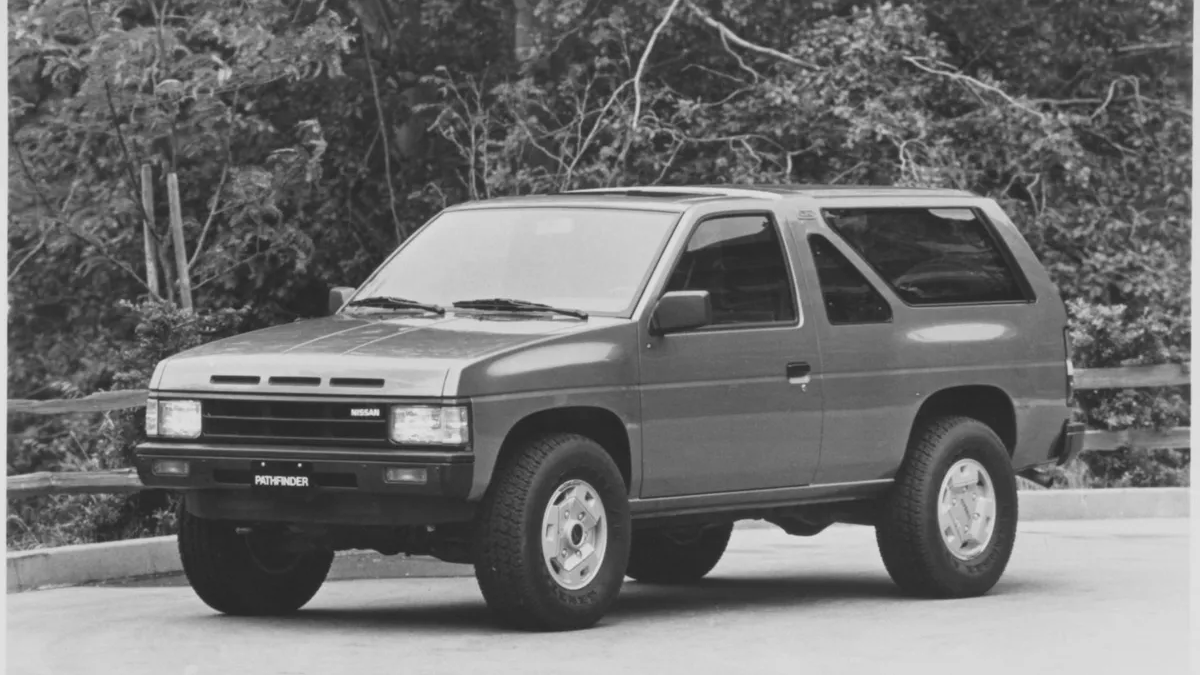
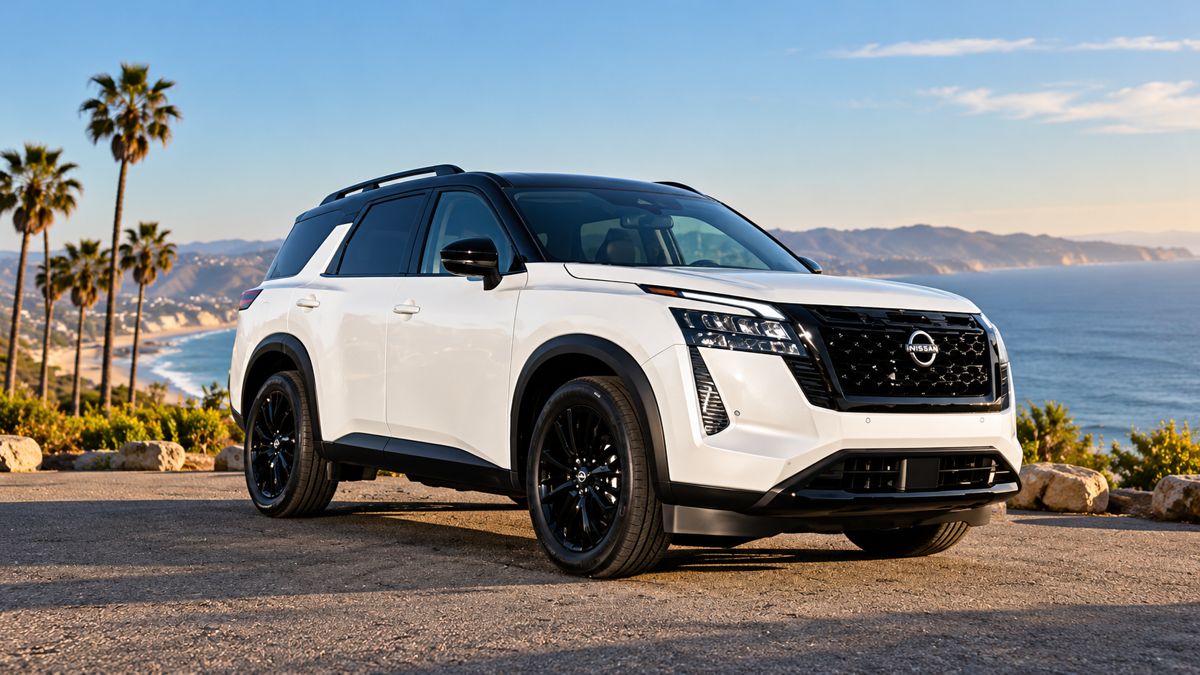
When I was in high school, I remember seeing a radical-looking SUV driving around Southern California. It was the first-generation Nissan Pathfinder, and it was one of the coolest things on the road. It looked like nothing else, with its distinctive shape, two-door body and an attitude that suggested it actually wanted to leave the pavement. It belonged to a new wave of SUVs that combined relatively affordable pricing with serious off-road capability. Naturally, I wanted one. Naturally, my budget had other ideas.
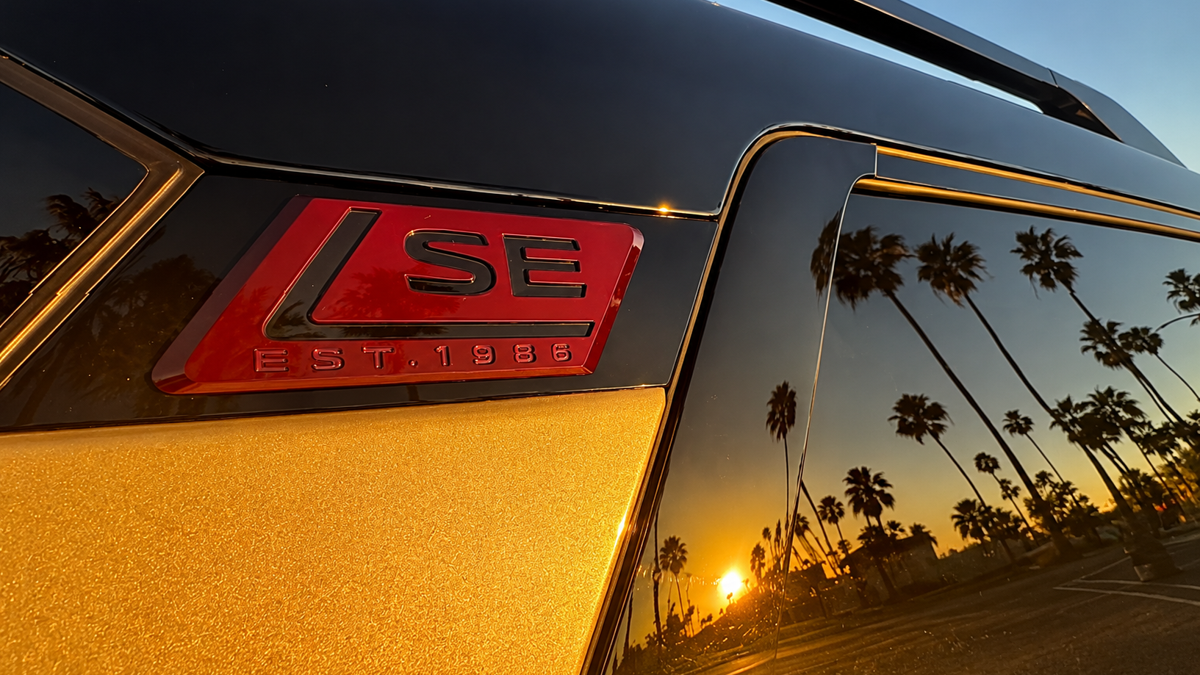
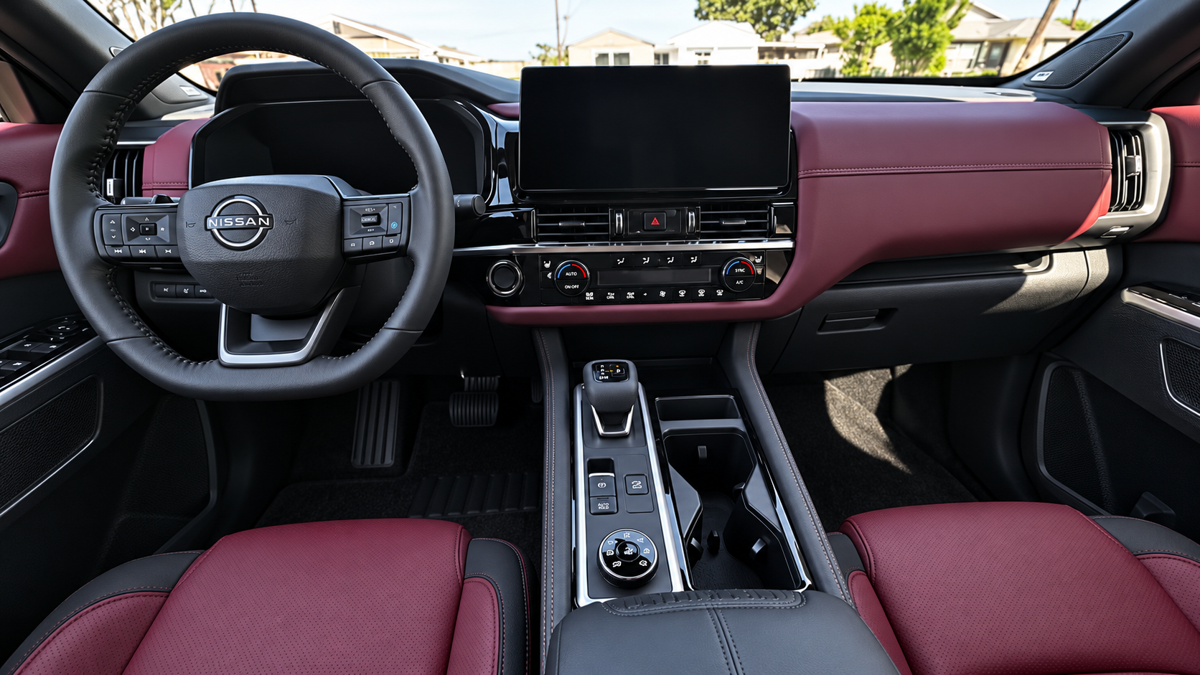
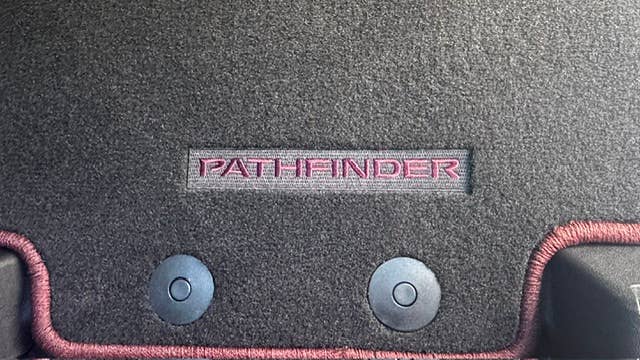
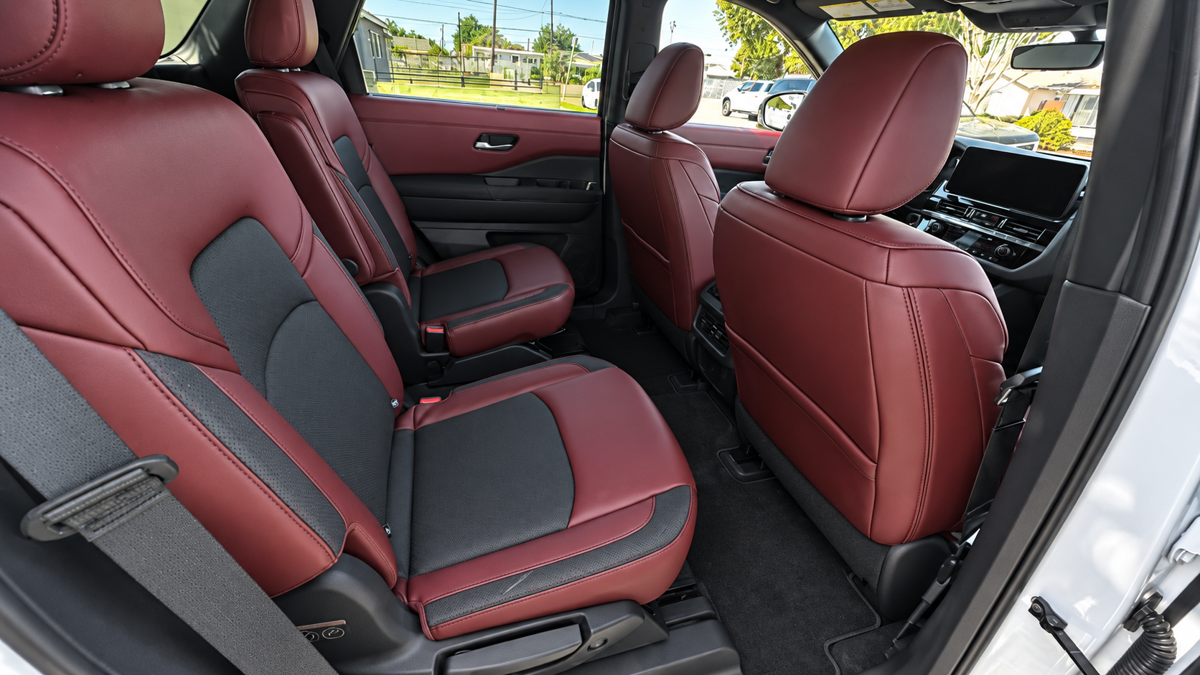
Five generations later, the Pathfinder is reaching its 40th anniversary, and Nissan is celebrating with a heritage-inspired edition that borrows some personality from the original. The most appealing throwback, at least to me, is the available burgundy upholstery and two-tone interior. Yes, an actual interior color. In a world where choosing upholstery often means deciding between black, slightly different black, and something your children will immediately stain, I approve.
What makes me laugh is how much larger today’s Pathfinder is than that original two-door. Park them together, and the old one might look like something the new one brought along for its kids to drive. That’s where SUVs have gone over the past four decades. Fortunately, the modern Pathfinder offers enough utility and comfort to justify much of that growth.
Powertrain and performance
Underneath the anniversary treatment is a familiar powertrain, and that’s a good thing. The 3.5-liter naturally aspirated V6 produces 284 horsepower and 259 pound-feet of torque and is paired with a nine-speed automatic transmission. There’s no tiny turbocharged engine trying to convince you it has six cylinders, and no continuously variable transmission droning through the proceedings. It’s a straightforward combination that suits a substantial family SUV.
The nine-speed automatic is well matched to the engine, and there’s plenty of power for everyday driving. It won’t rearrange your internal organs when you accelerate, but it doesn’t need to. The point is moving people, luggage and whatever recreational equipment the family has decided is essential this week. I would expect fuel economy around the low-20-mpg range, with roughly 22 mpg serving as a reasonable expectation for this configuration. My encounter was brief, so that is an expectation rather than the result of a full fuel-economy test.
Available Intelligent 4WD brings seven drive modes, giving drivers settings for different surfaces and conditions. Properly equipped Pathfinders can tow up to 6,000 pounds, although that maximum depends on configuration. The standard rating across the current lineup starts at 3,500 pounds, so buyers planning to pull a trailer should check their vehicle’s equipment and rating. The anniversary treatment doesn’t automatically mean every example has maximum towing capability.
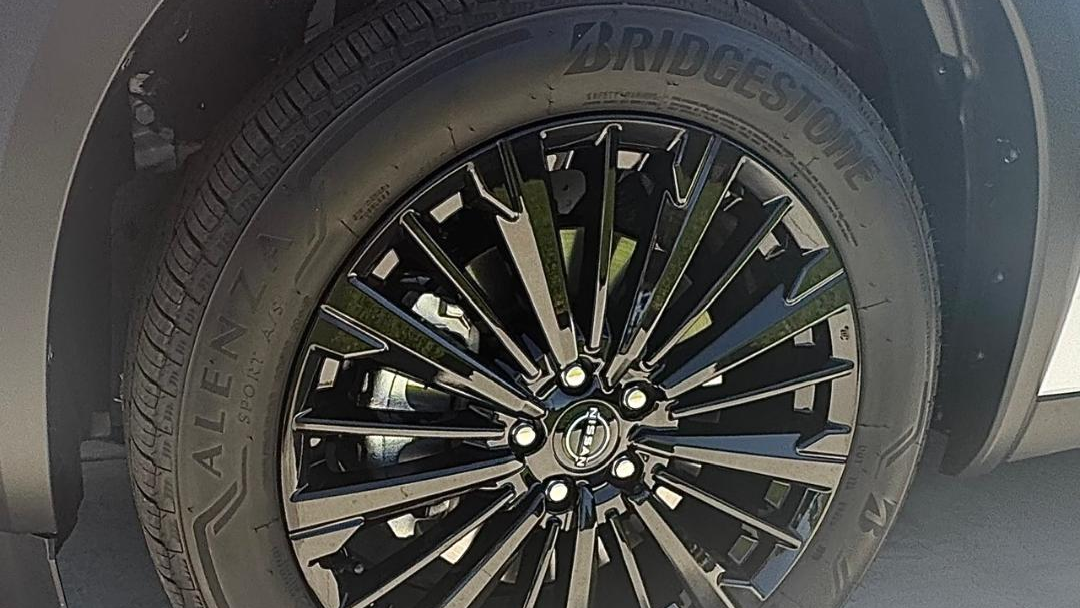
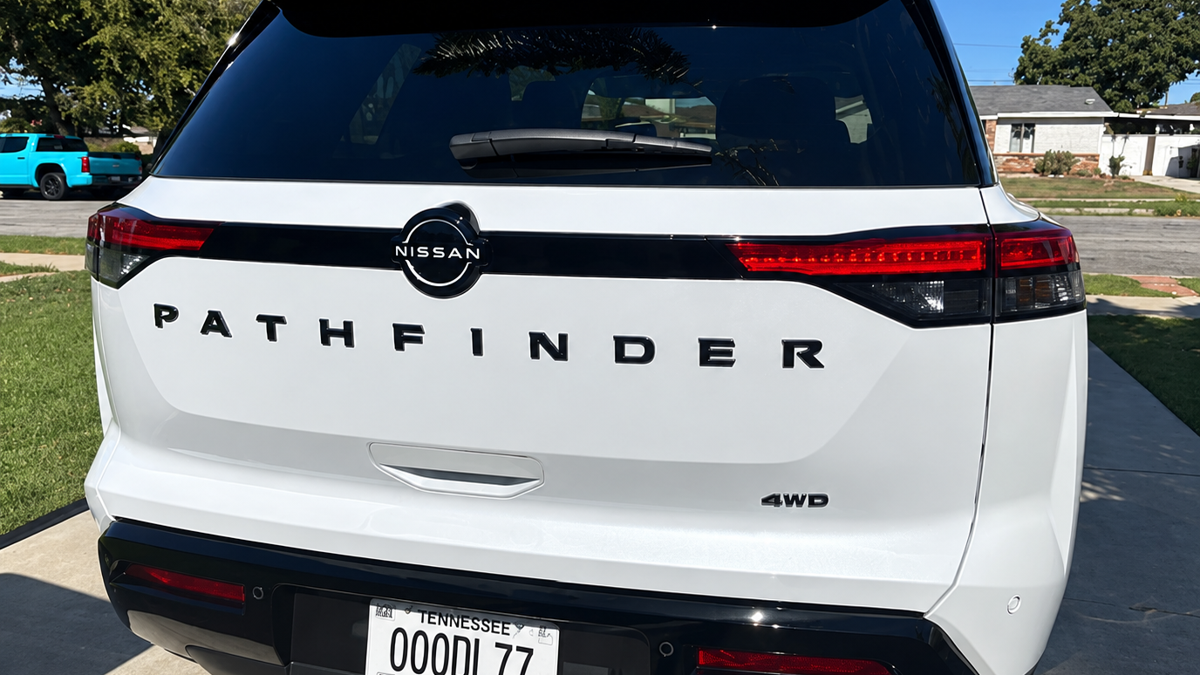
Nissan hasn’t attempted to turn the current Pathfinder into a replica of the original. There are black 20-inch wheels and distinctive styling details, but the basic shape remains that of a modern three-row SUV. Some enthusiasts will want more retro bodywork, and I understand that. The old Pathfinder had a wonderfully recognizable silhouette. Still, there’s something to be said for incorporating a little history without making the whole vehicle look like a costume.
Inside is where the connection works best. The burgundy upholstery recalls an era when automakers weren’t afraid of cabin colors that could also describe a wine list… or my favorite newscaster. Combined with the two-tone treatment, it gives the Pathfinder a warmer, more distinctive atmosphere. It doesn’t transform the vehicle mechanically, but it does make it feel special when you open the door. For an anniversary edition, that counts.
More importantly, this is a lovely place to spend time. After my brief encounter, I felt the interior helped narrow the gap between the Pathfinder and the Infiniti QX60. I’m not suggesting that different upholstery turns a Nissan into an Infiniti, but the presentation gives this version a credible place near the more upscale end of the mainstream segment. Nissan is clearly willing to dress for dinner, even if it still plans to tow the boat in the morning.
The supplied anniversary information lists a standard 12.3-inch touchscreen with wireless Apple CarPlay and Android Auto, multiple USB-C charging ports and available premium Bose audio. That’s the appropriate collection of conveniences for a family vehicle today. Apparently, a road trip now requires enough charging connections to support a small newsroom. I remember when keeping passengers entertained involved a cassette tape, a window and being told we would get there when we got there.
Nissan’s LATCH AND GLIDE second-row seating remains one of the Pathfinder’s more thoughtful features. It helps provide third-row access with a compatible child seat installed, reducing the gymnastics involved in getting everyone aboard. The supplied information also lists standard Safety Shield 360 and Intelligent Forward Collision Warning. Those systems add useful assistance, but the seating arrangement is the kind of feature parents may appreciate several times before they even leave the driveway.
Driving the Pathfinder Heritage
It drives just like the other Pathfinders I’ve recently driven, which is exactly what I expected. There’s ample V6 power, the transmission gets along well with the engine, and the handling is reassuring for a vehicle with this much family responsibility. Nothing about the anniversary presentation suggests a fundamentally different chassis underneath, and my brief drive didn’t reveal one.
My favorite Pathfinder remains the Rock Creek. Its more adventurous personality better matches my interests, and I appreciate that Nissan offers a version aimed at people who want to venture beyond paved parking lots. This Heritage version takes a different approach. It adds character and a more inviting cabin to a familiar package, and it succeeds at making an everyday family SUV feel a little less everyday.
Final thoughts
Expect to see this anniversary Pathfinder at dealerships soon, although final pricing will be important in determining its value. A distinctive interior and some historical connection are appealing, but they still need to come with a sensible window sticker.
I like this direction. The Pathfinder has become larger, more comfortable and considerably more family-oriented than the SUV that caught my attention in high school. This edition acknowledges that history while offering the towing ability, technology and versatility buyers expect today.
I still wish Nissan would give us something as simple and off-road-focused as those earlier SUVs. I hear there may be more adventure coming, but I’ll wait for something concrete before getting carried away.
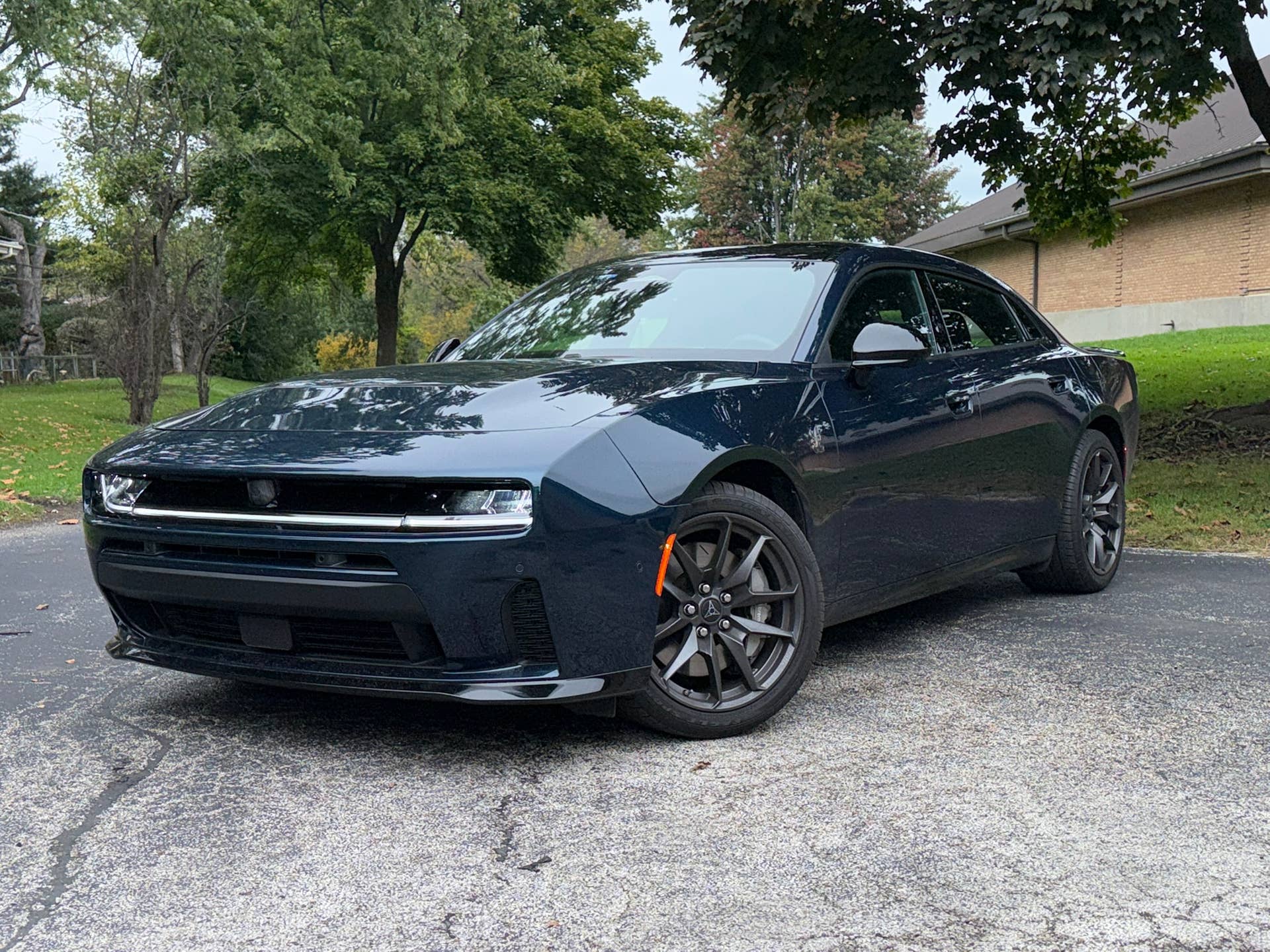
Dodge’s intention of reinventing the muscle car for the electric era has, so far, been an abysmal failure. It seems the Challenger Daytona EV was largely undesirable to V8 loyalists who actually want to hear real engine noises and feel the car’s connection to the road, despite the fact that the electric version could launch to 60 mph in as little as 3.3 seconds. Dodge has since shoehorned its twin turbo six-cylinder Hurricane engine into its redesigned Charger to temporarily appease the faithful.
Amos Kwon
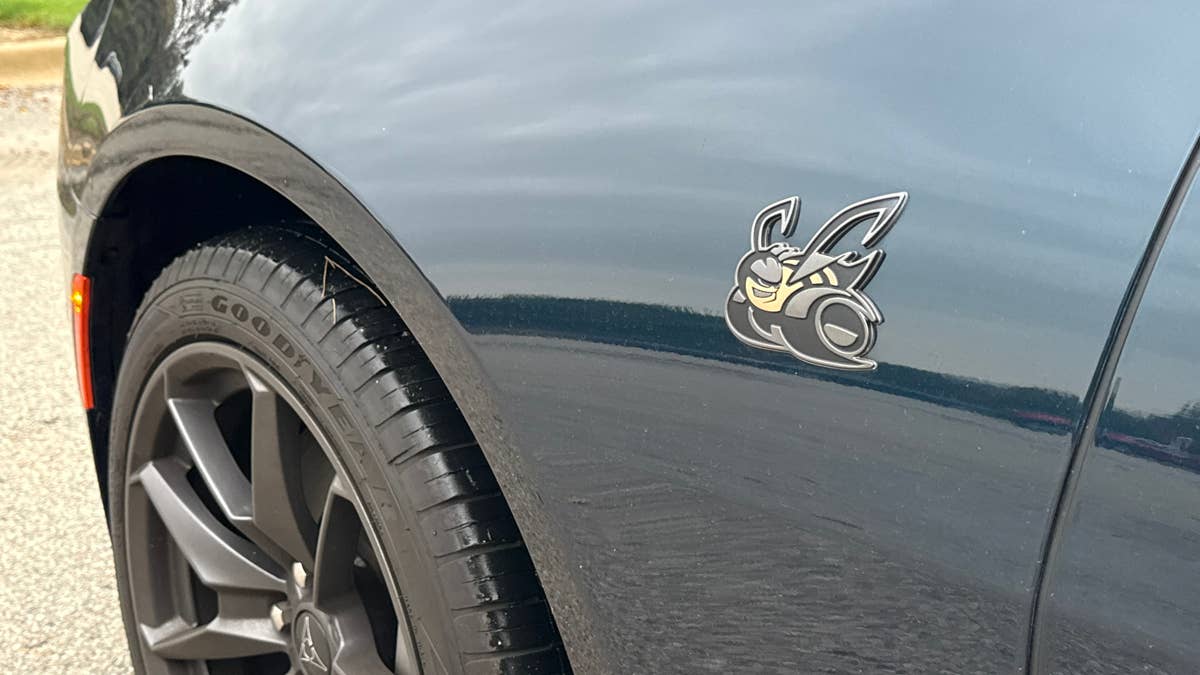
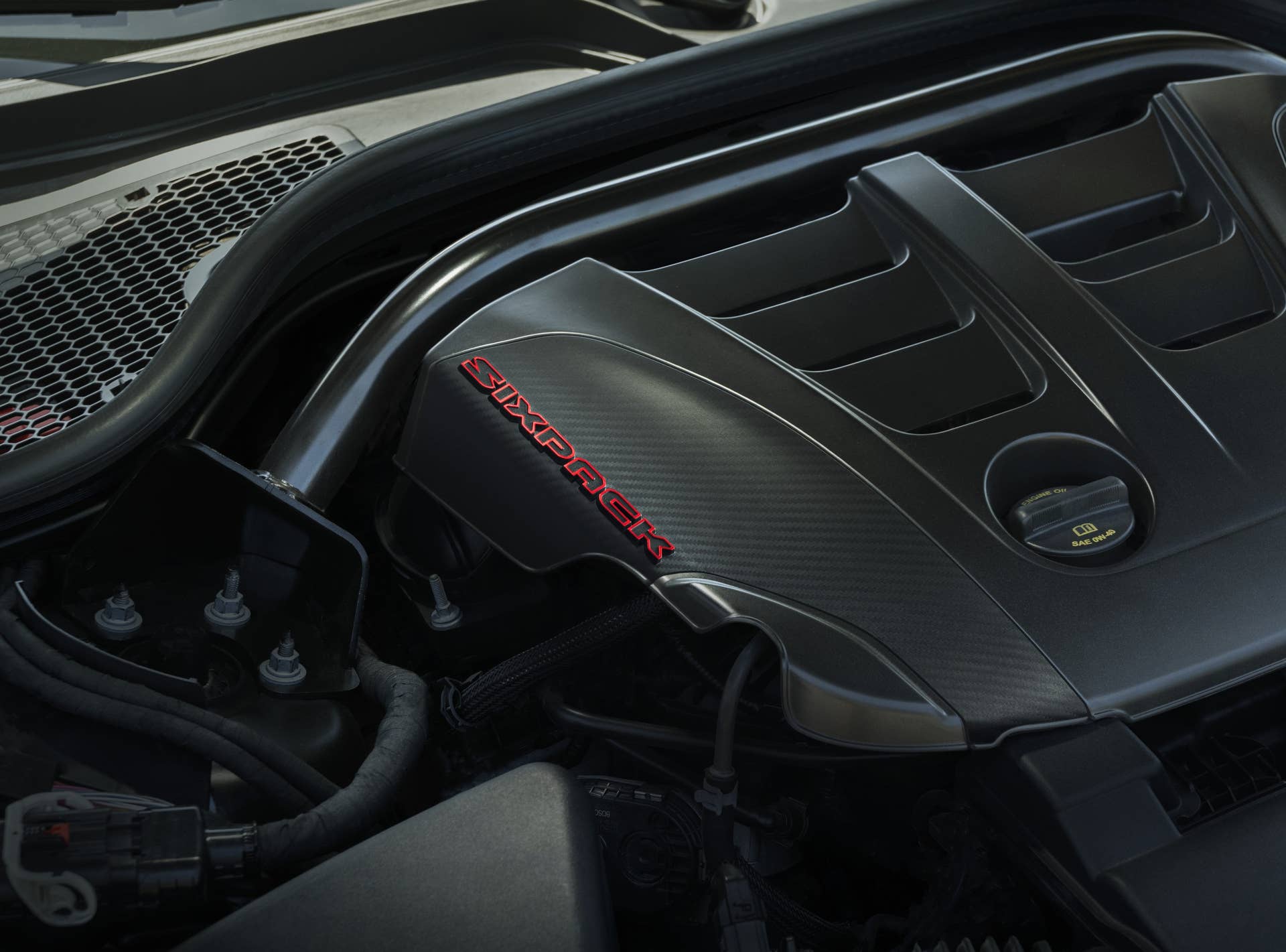
I was deeply curious how satisfying the powertrain would be, as well as how convincing a completely redesigned Charger would look and feel. My tester was a 2026 Charger Scat Pack Plus with the Sixpack high-output version of the 3.0-liter twin-turbo inline-six mated to an 8-speed automatic transmission routing power to all four wheels. That equates to 550 hp and 531 lb-ft of torque. My tester’s base price was $56,995. Including options and the $1,995 destination charge, the total price came to $68,320.
Exterior and Interior Styling – 9/10
Amos Kwon
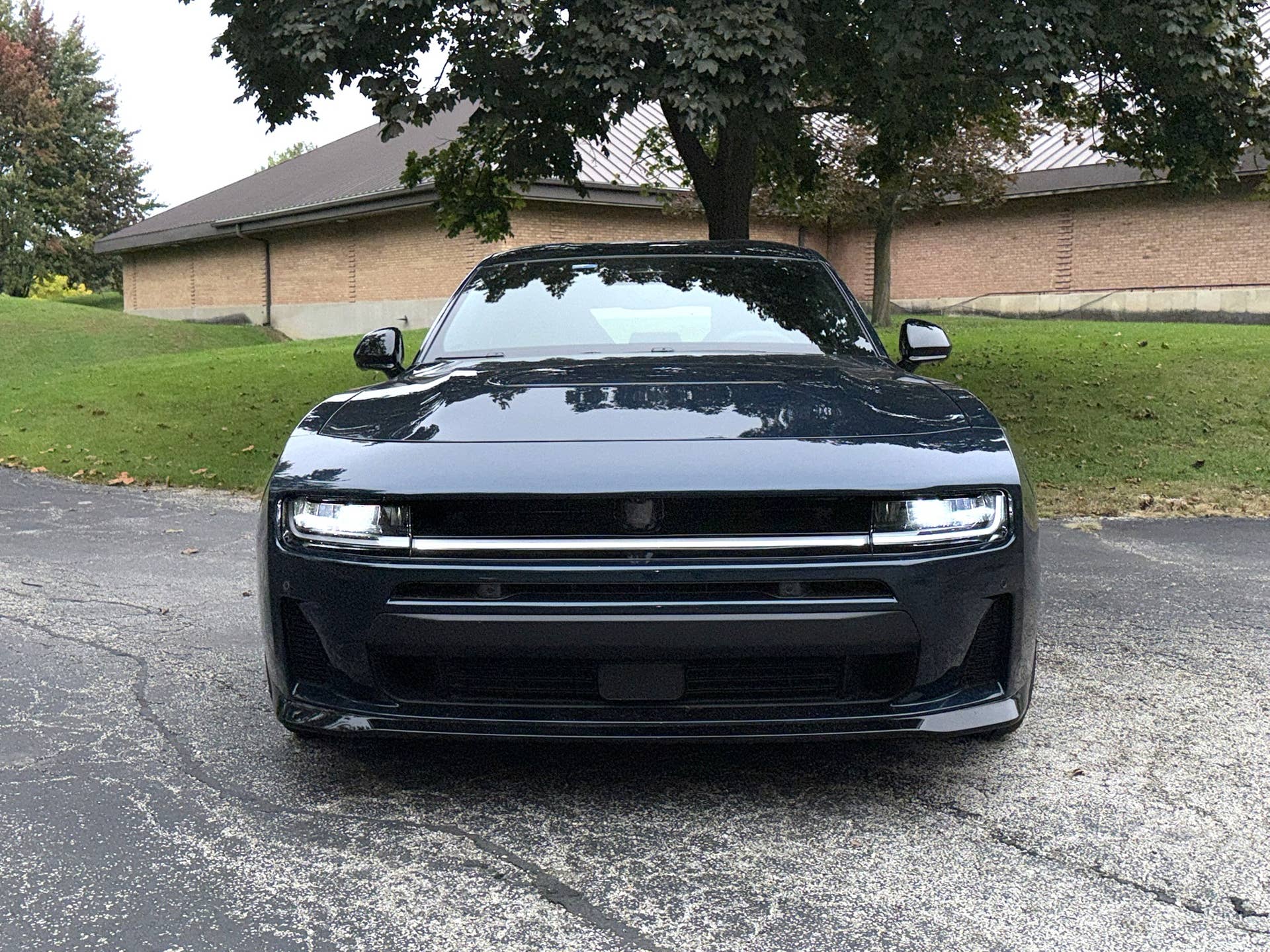
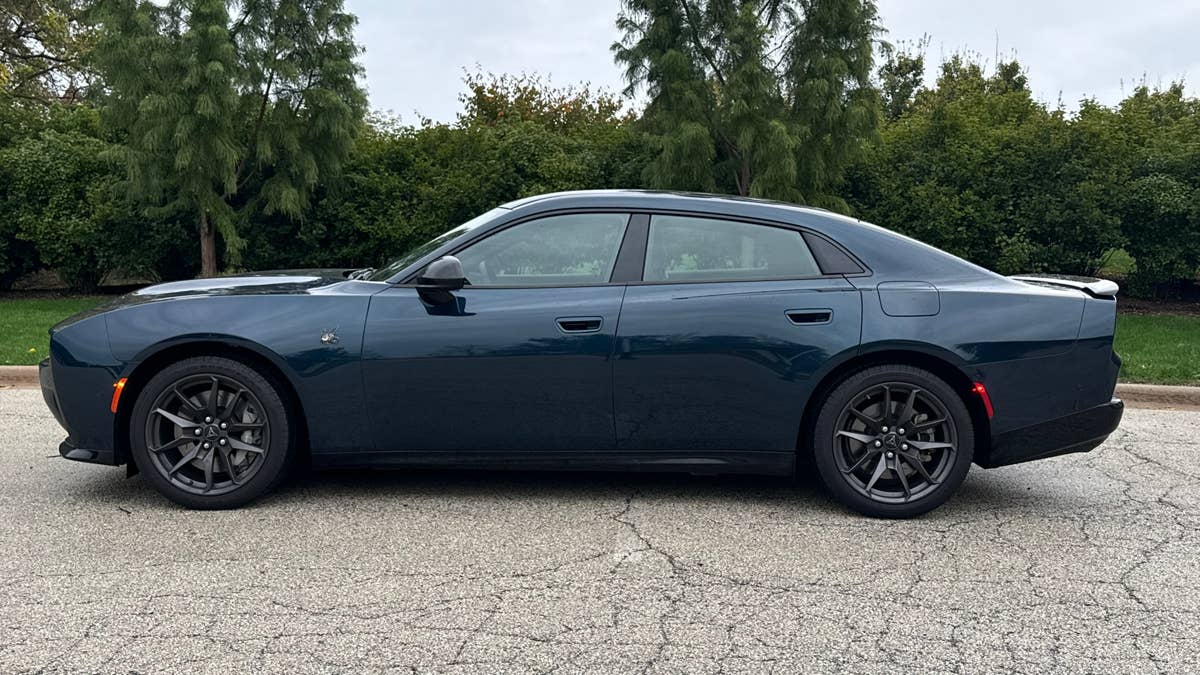
It was smart for Dodge not to completely change the look of the Charger. It’s inspired by the model from the late ’60s and early ’70s but retains the general body shape from the last generation. The exterior dimensions, however, are vastly different. The 2026 Charger has grown by over 8 inches in length, nearly 5 inches in width, and almost 2 inches in height. The full width LED lighting that joins the headlights, the creased front fenders, and the huge hood bulge give the front end menacing muscle car presence. The body crease that extends from the front door to the tail adds character.
There’s no question that the Charger is long, and it’s hard to ignore from the profile view, but its muscular quarter panels help mitigate that length. Details like the hood bulge, tasteful decklid spoiler, stunning full-width lighting elements, and the illuminated Fratzog logos make the car look both unique and properly retro. The car has real presence without screaming, and its overall design is a bit more elegant than the last Charger.
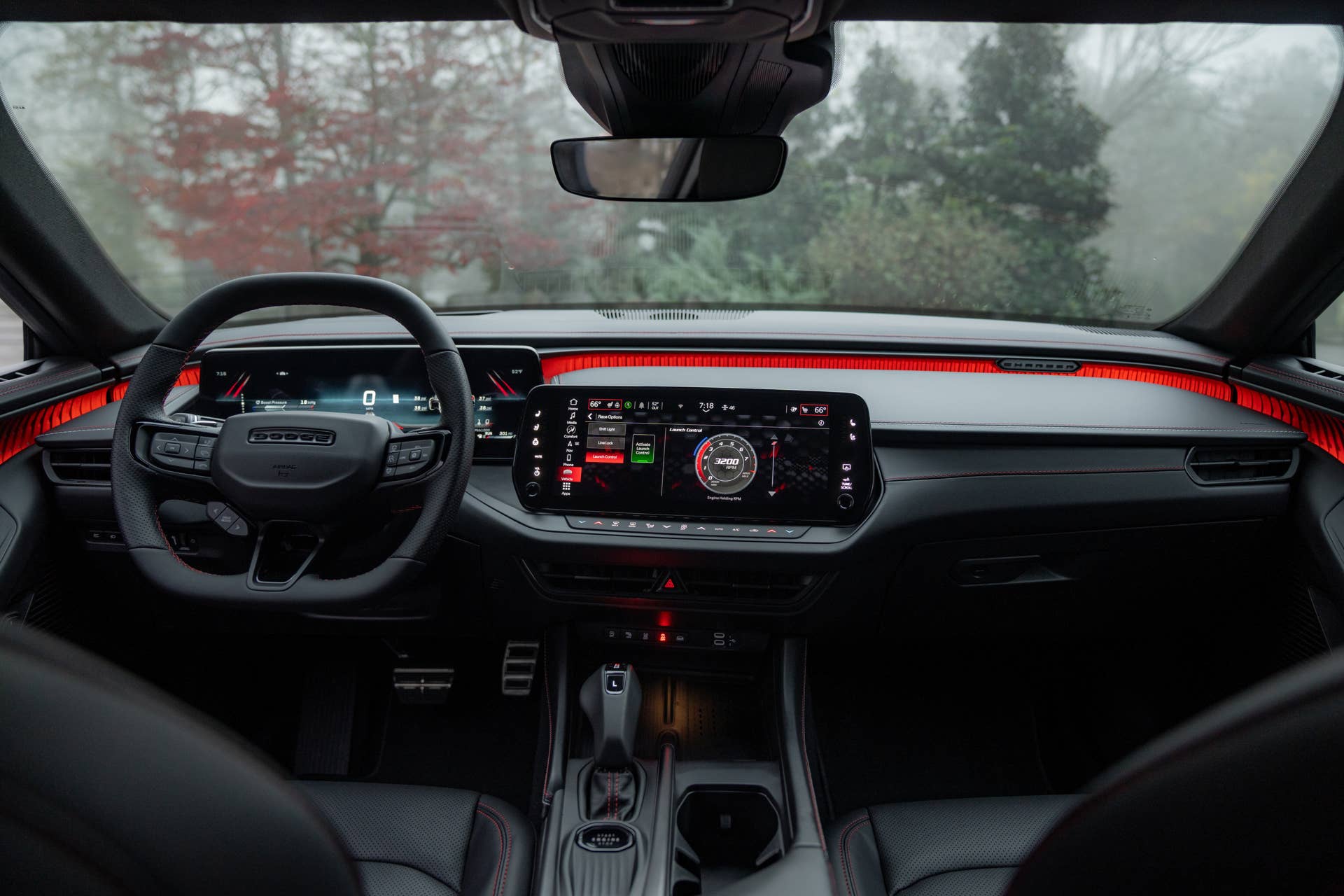
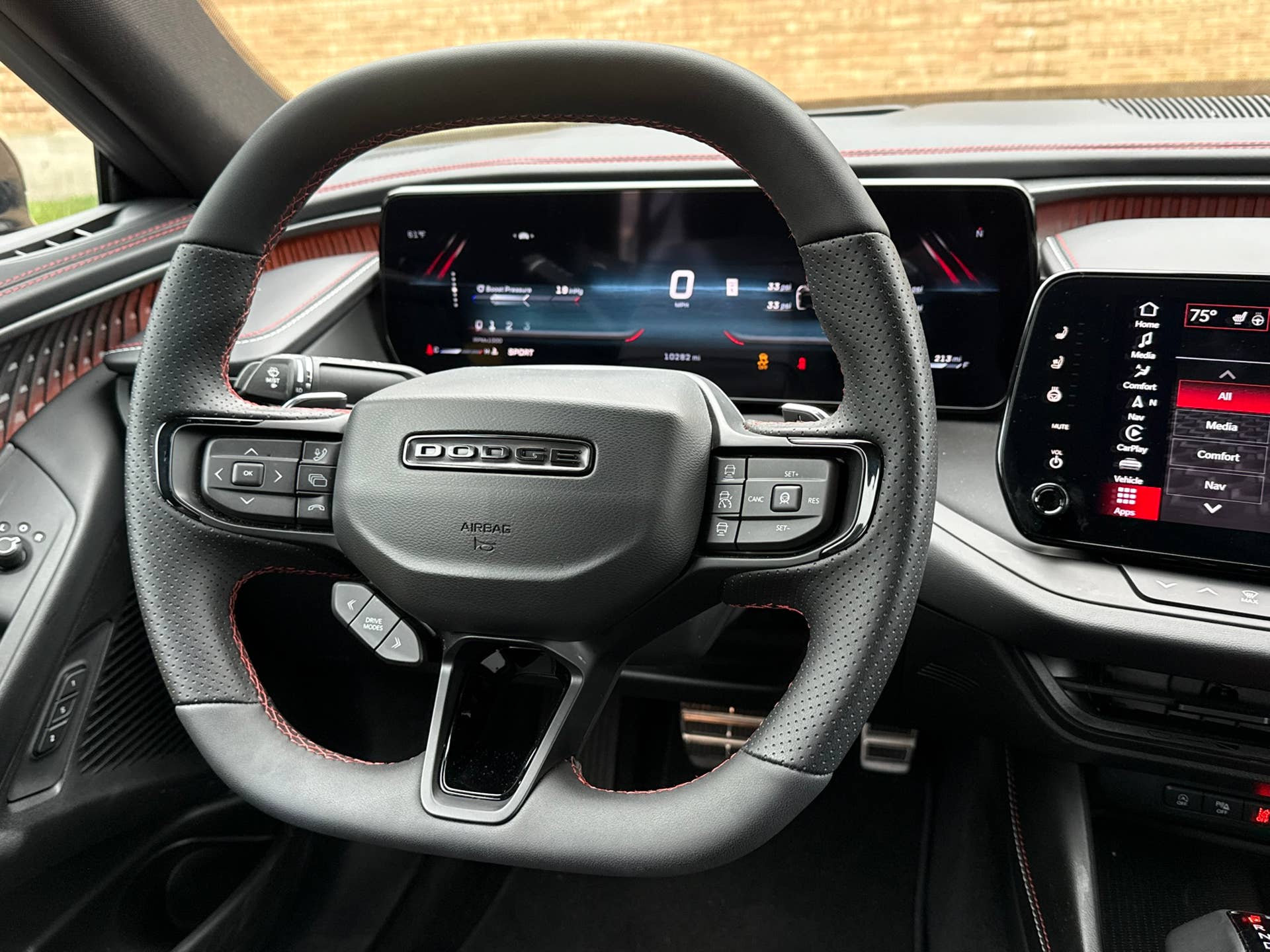
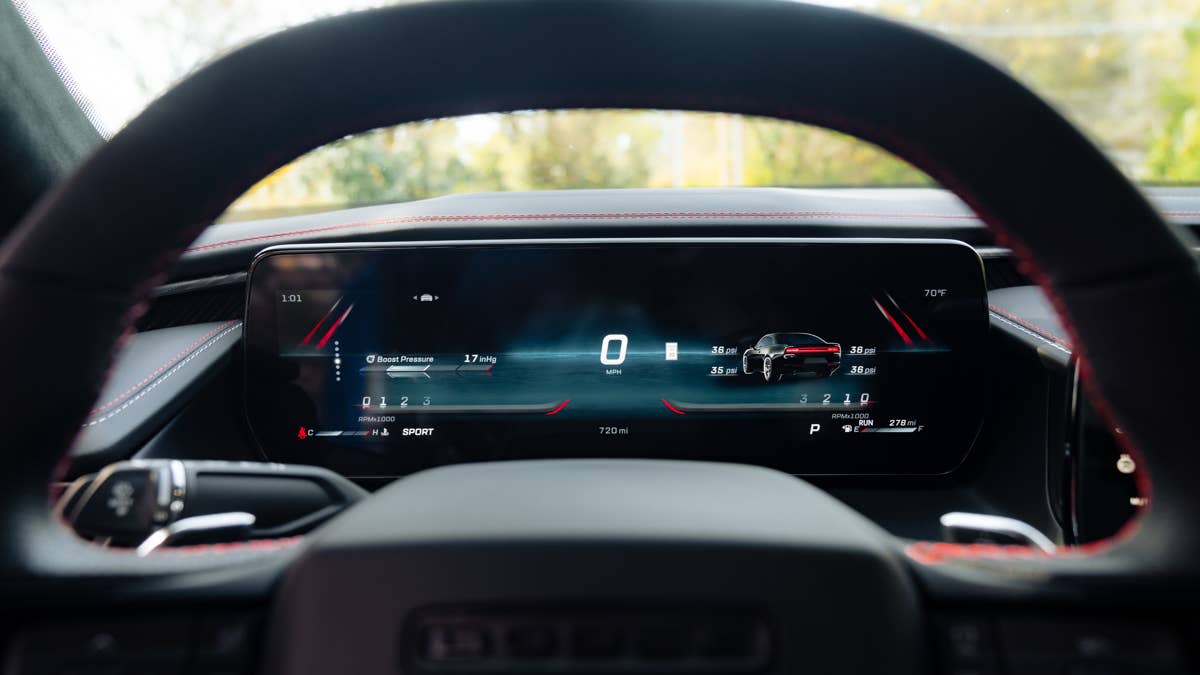
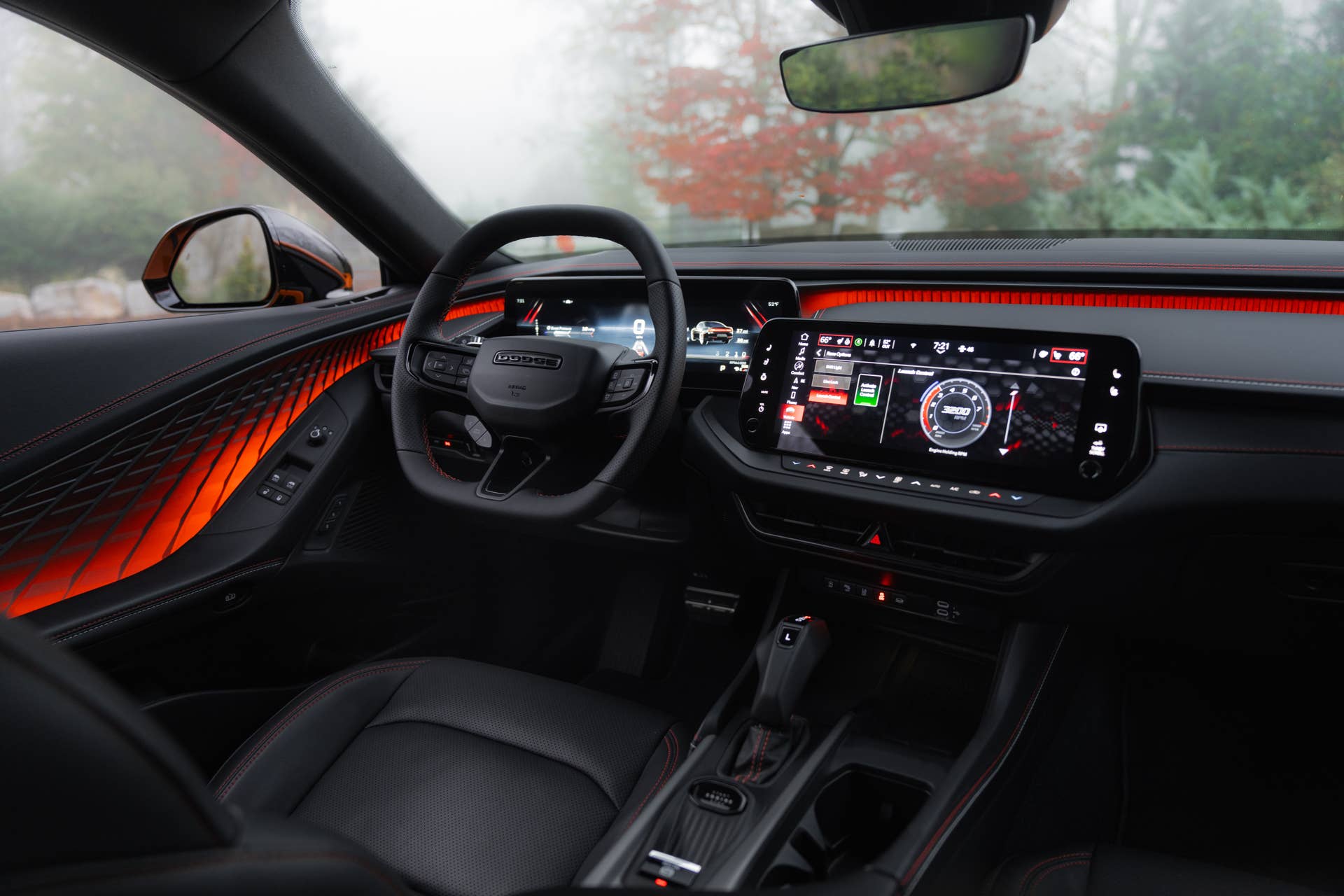
Even more than the exterior, the redesigned Charger receives a much-needed modernized cabin. Despite the preponderance of dark plastic, most everything is very well done and appropriate for a new generation of Charger. The broad, layered dashboard incorporates two large screens, which look better separated than the typical single frame setup that’s prevalent these days. The three-spoke squircle steering wheel is sporty and not overdone. I especially love the waterfall/grid trim that wraps around the dash and door. It uses sconce-like ambient illumination that’s configurable, and it looks especially stunning at night.
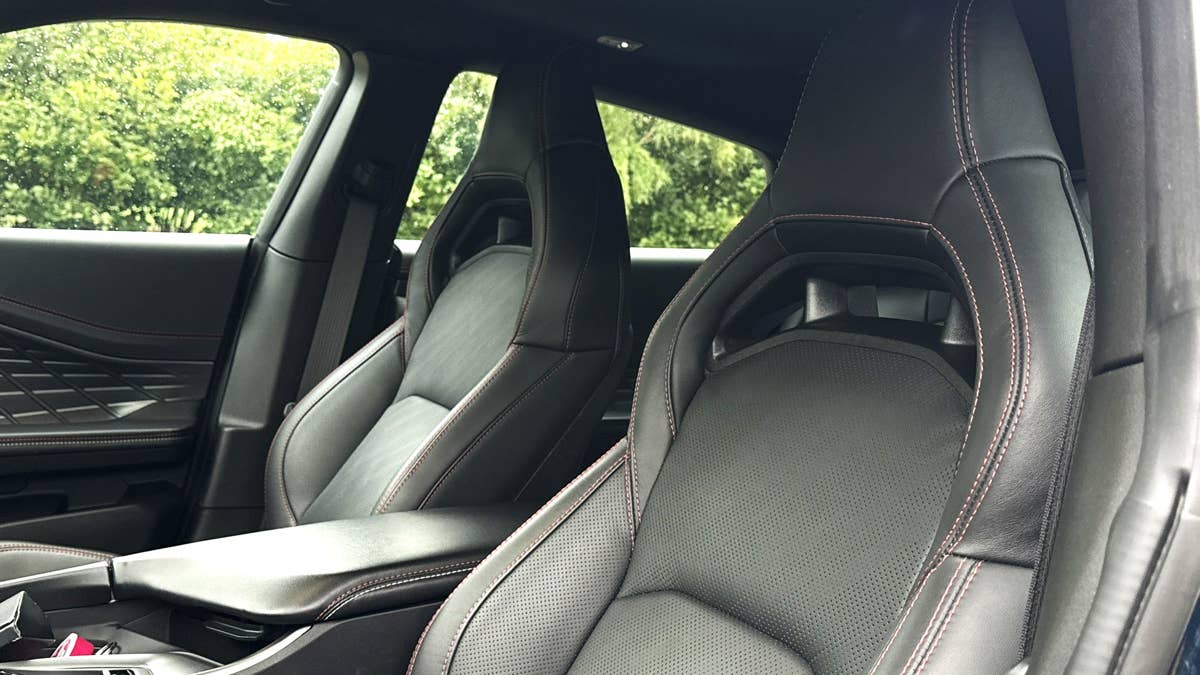
There is a lot of dark plastic inside, but it manages to be well made and doesn’t feel cheap. The almost total absence of piano black in the cabin should be applauded. The red stitching on the seats, dash, door, and steering wheel look great. There’s even some white stitching peppered in on the dash and door. The cabin is finally where it needed to be after the much bulkier and far less attractive version found in the last Charger.
Infotainment & Technology – 8.75/10
Amos Kwon
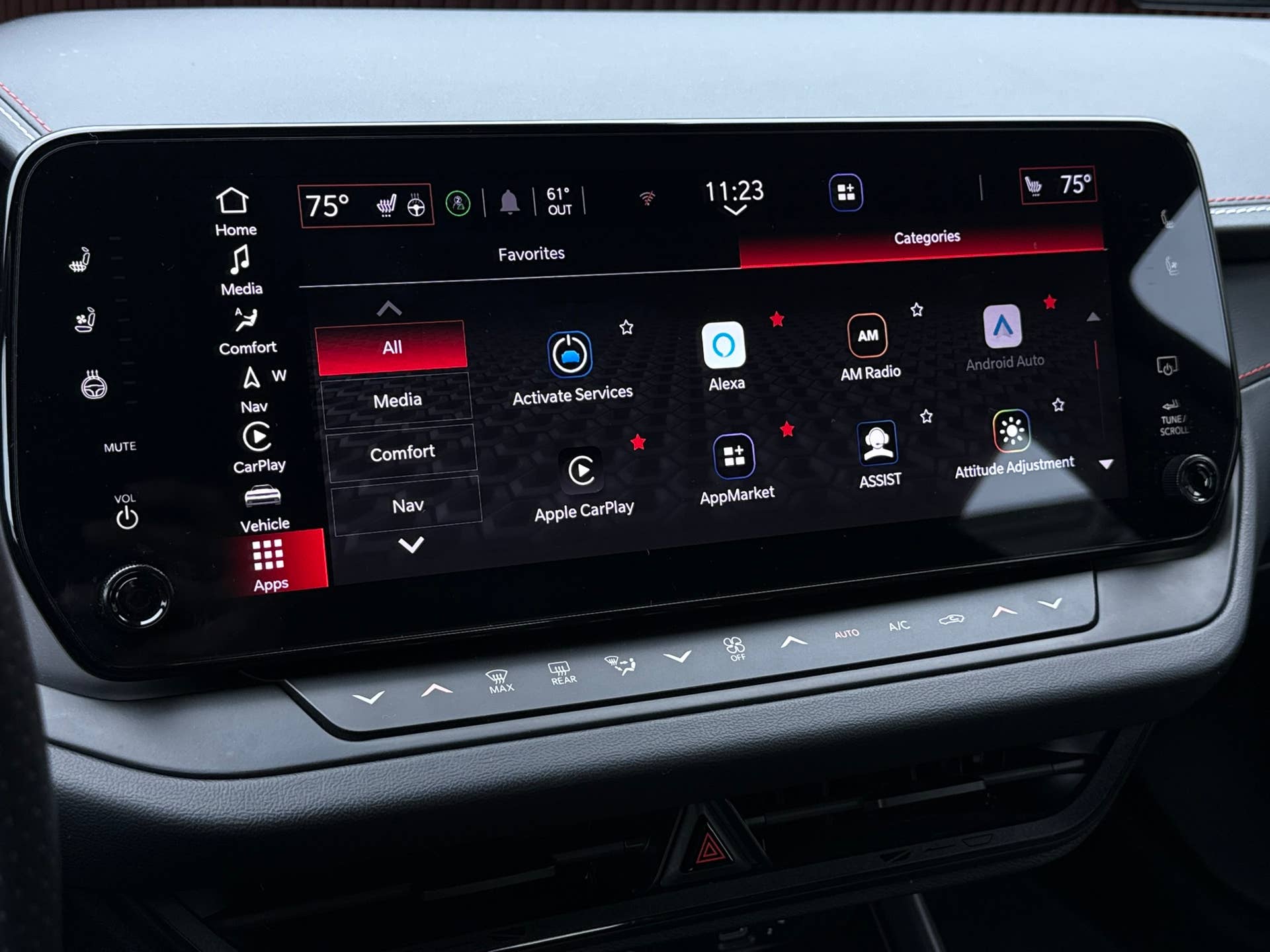
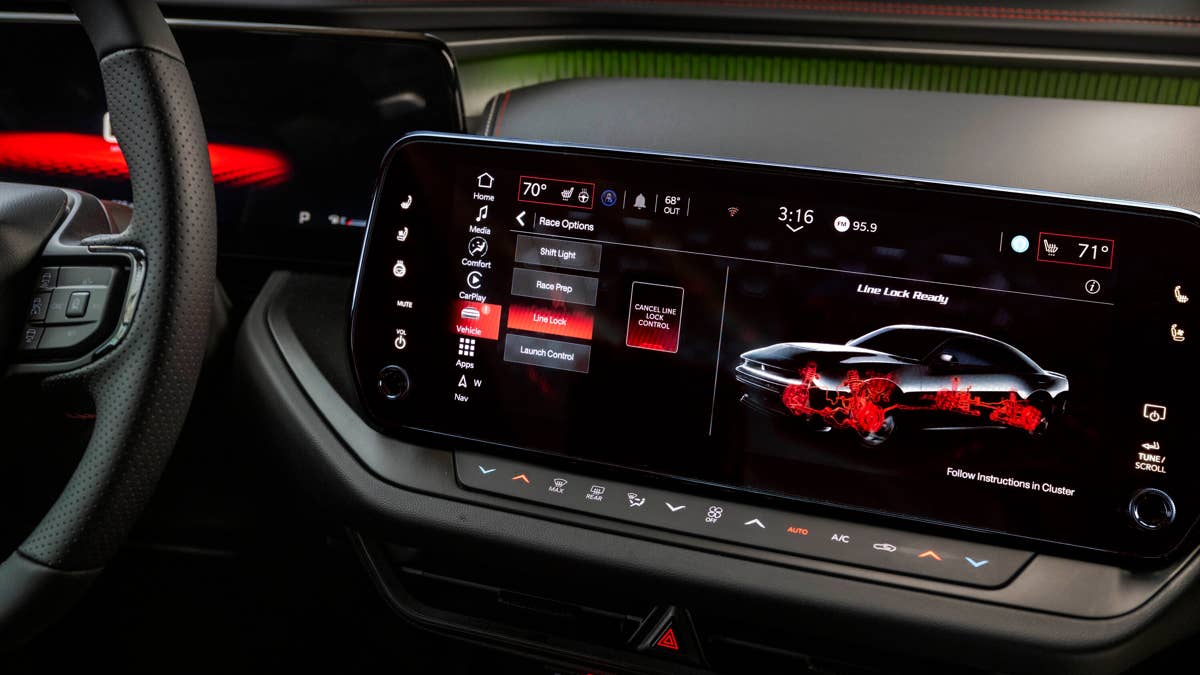
The Charger gets its tech right. It doesn’t overwhelm the cabin with a huge single frame number and doesn’t relegate climate and audio controls to the screen. The system isn’t massive like other vehicles, and it’s nice to have a setup that looks more driver focused due to the separation of the optional 16″ digital instrument cluster and the 12.3″ touchscreen. The UConnect 5’s vertical menu bar on the left is clean, but spacing is tight. It’s also easy to hit the wrong function at night because the physical audio knobs that flank the touchscreen aren’t illuminated.
The larger upgraded 16″ instrument display is vivid and configurable. It’s easy to read and tossing up the data you want is quick using the steering wheel controls. There’s also a large wireless charging deck that had no problem connecting to my iPhone, even with a very thick case over it. Not every wireless charger I’ve come across has been able to do that.
Other tech-focused features that came with the optional Customer Preferred Package included Performance Pages for track days, head-up display, surround-view camera, traffic sign information, integrated voice command. Standard safety features included Adaptive Cruise Control w/ Stop & Go, Active Driving Assist, and Full-Speed Forward Collision Warning Plus. The Line Lock feature comes with the High Output engine, allowing the Charger Scat Pack Plus to perform tire-smoking burnouts. Finally, the Charger Scat Pack Plus comes standard with a 9-speaker Alpine premium audio system with subwoofer.
The interior is quite comfortable, especially with the optional $1,150 Highback Performance Seat upgrade. The backrests are broad, and the cushioning and bolstering are just right. It took some time for me to get into the right seating position, but once that was achieved, visiblity was, for the most part, very good. The rearview mirror, however, is situated far too low and for someone my height (6′), the mirror was situated halfway down the windshield, (even with the cushion moved to its lowest positiong.
Touch points are properly soft, and the cabin feels airy compared to the nearly claustrophia-inducing interior of the last charger. Much of the bulk of the center console and center stack have been greatly reduced. The shift knob is interesting. Mimicking a mechanical shifter, this one is rather long and bulky. It responds well and feels good in the hand, but it also covers the phone charger when it’s in the Park position.
The Charger’s electronic door handles take some getting used to. Lexus has done this on some of their vehicles, but they come with a pull feature located on the same surface as the button. The Charger’s fail safe physical door handle is situated lower along the front upper edge of the door pocket above the cupholder section. I’m not sure why Dodge didn’t just give it a standard door handle.
The rear outboard seats are excellent, and even the middle position isn’t terrible. 37.2 inches of rear legroom means that tall adults have space. The sloping roofline doesn’t cut in too much and provides 36.9 inches of headroom. That’s but a smidge less than the current Honda Accord. In terms of cargo space, the liftback design allows for 22.8 cubic feet of cargo space behind the rear seats and 38 cubic feet with the rear seats folded down. Even with the seats up, that number eclipses every conventional sedan out there.
Driving Experience – 8.75/10
Amos Kwon
The 2026 Dodge Charger Scat Pack Plus’s upgraded engine trades Hemi thunder for twin-turbo punch, and its high-output 3.0-liter inline-six doesn’t feel or sound like much of a compromise. It’s properly loud (even in Auto drive mode) and powerful wth 550 horsepower and 531 lb-ft of torque. Getting on the gas doesn’t deliver immediate thrust, but once it gets going, the Charger delivers smooth and authoritative acceleration via all four wheels, a boon for Windy City winter drivers.
The Charger Scat Pack Plus Sixpack will do the 0-60 sprint in just 3.9 seconds. That’s Hemi-engine quick, despite the substantial weight increase. Handling is predictable and not unwieldy, though. The transmission isn’t super-quick to downshift, making it feel less lively under spirited driving. Grip and balance are good; the steering has good effort with pleasing feedback, but the Charger handling can’t escape its heft and size. Initial brake bite is a little soft, but it’s progressive and predictable after that.
Final Verdict – 8.9/10
The important thing to remember here is that the gas Charger muscle car is back. It may be down two cylinders, but it doesn’t have to make any excuses for it. The high output Hurricane engine is muscle-car goodness, and it delivers the sound and the fury. The Charger Scat Pack Plus is properly powerful, boisterous, and entertaining to drive. We’re just glad that Stellantis/Dodge admitted its mistake in eliminating gas from its Challenger. It’s also roomier, more user-friendly, and more comfortable. The all-wheel drive traction makes this a muscle car that can do family duties in winter, and that makes it even more attactive.